
 Save to Pinterest
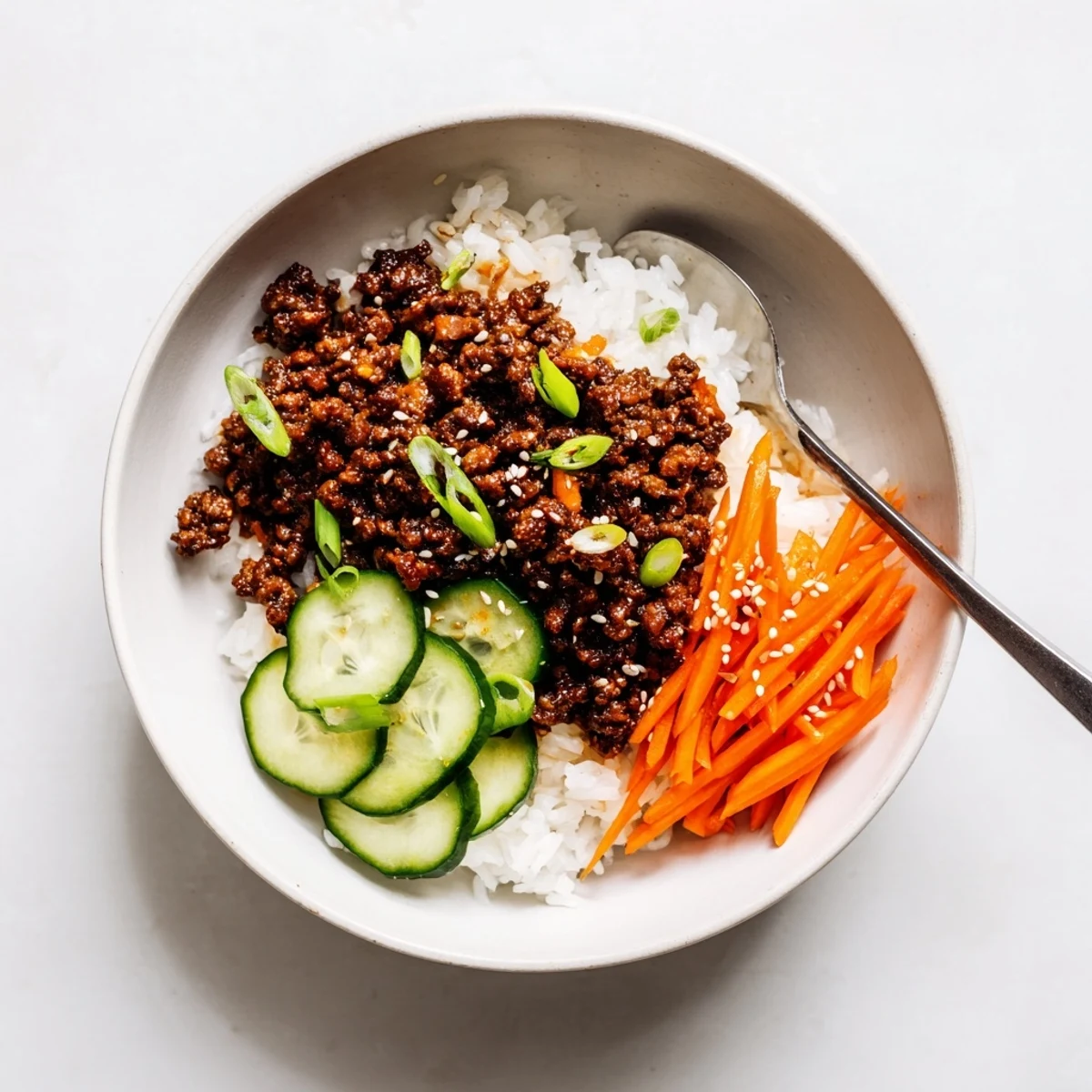
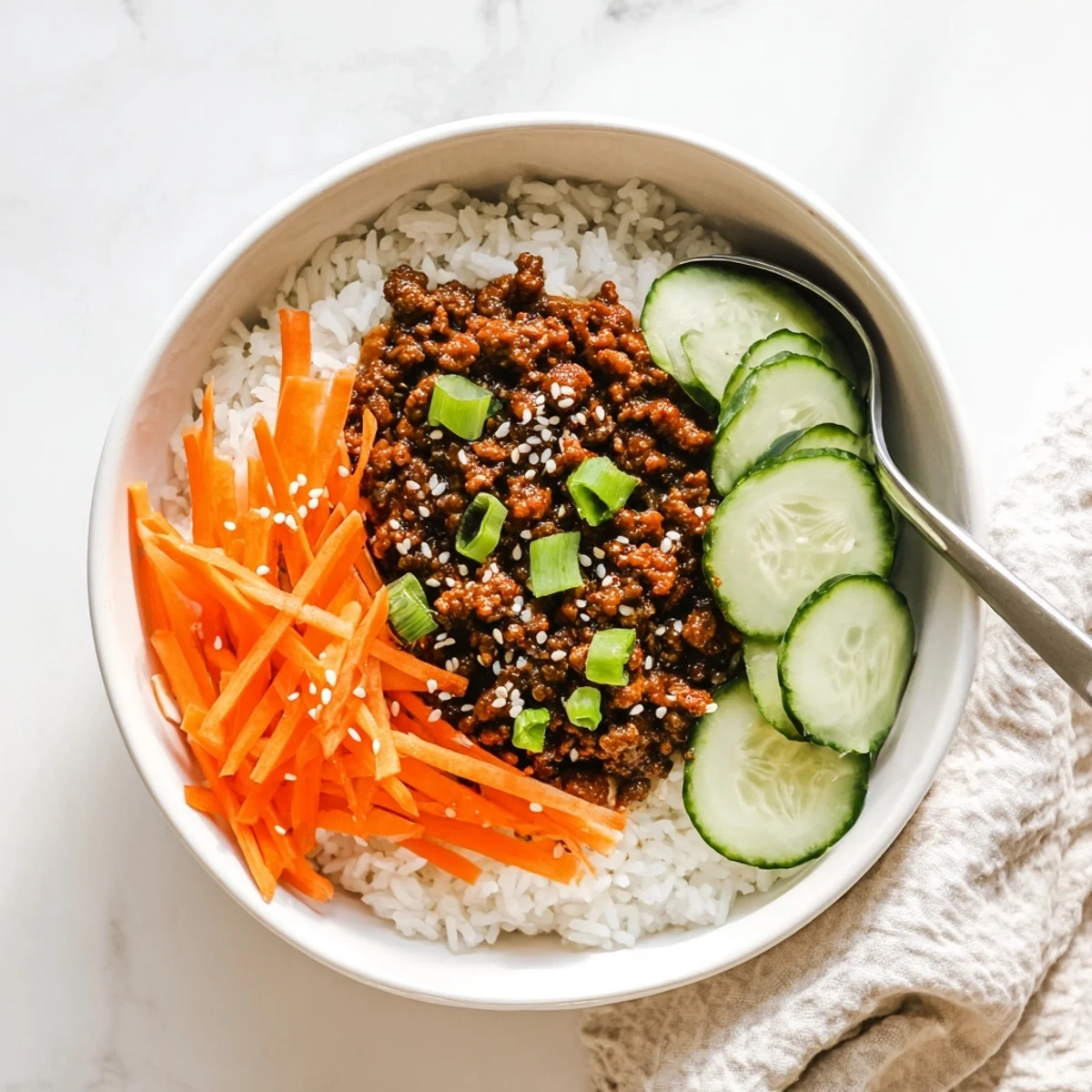
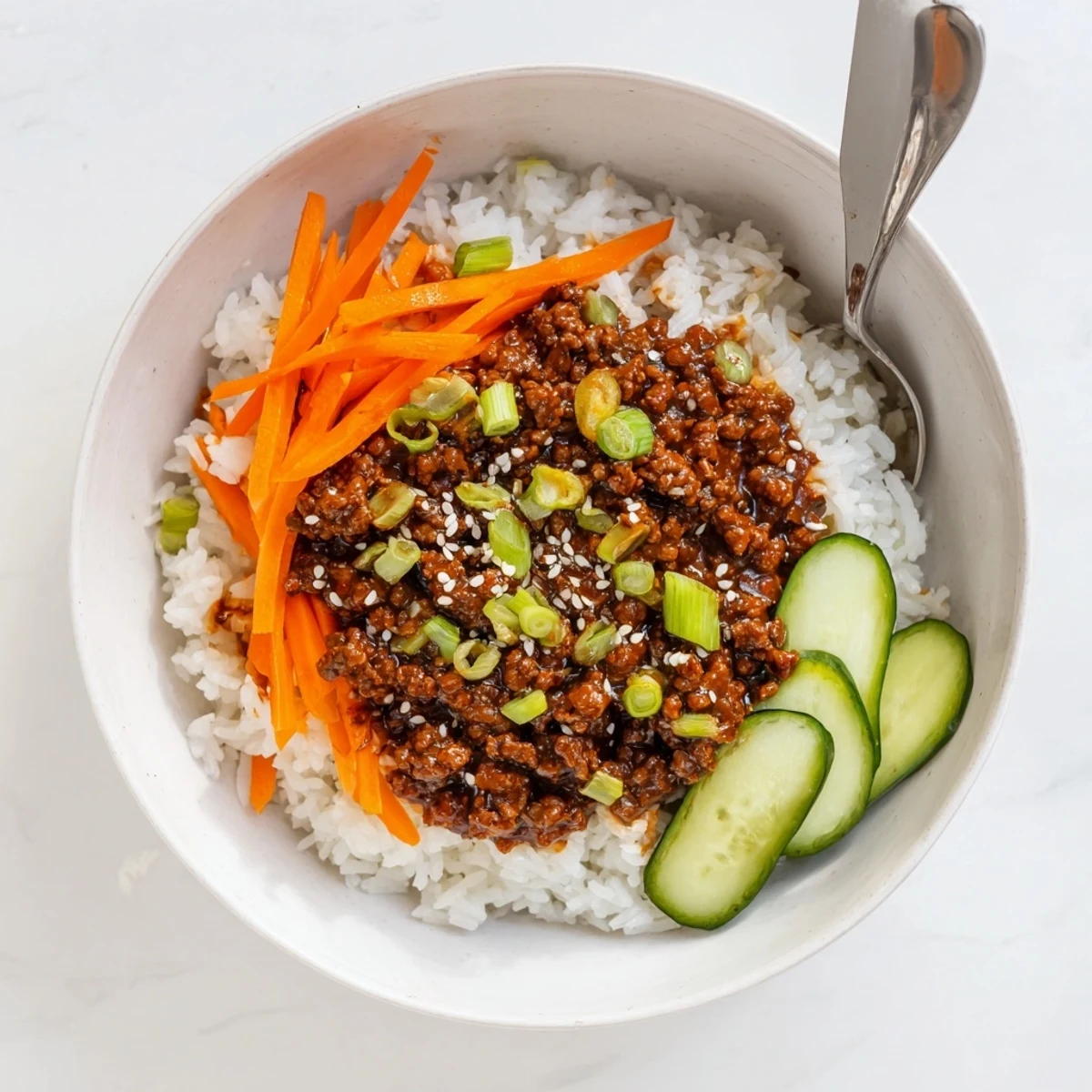
 These Korean beef bowls deliver restaurant-quality flavors in just 25 minutes. Lean ground beef gets coated in a savory sauce made with soy sauce, sesame oil, garlic, ginger, and gochujang for that perfect balance of sweet and spicy. Served over fluffy jasmine rice and topped with crisp julienned carrots, cool cucumber slices, and fresh scallions, each bowl offers a satisfying mix of textures and temperatures. The customizable toppings let everyone build their perfect bowl.
The first time I made Korean beef bowls, I was in a tiny apartment kitchen with barely enough counter space to chop a cucumber. My roommate walked in mid-cooking and demanded to know what smelled so incredible—the sesame oil hitting the hot beef creates this aroma that literally stops people in their tracks.
Last winter, my sister came over exhausted from work and I put these bowls in front of her without saying much. She took one bite, looked up with genuine surprise, and asked if Id secretly become a chef—sometimes the simplest meals are the ones that make people feel most taken care of.
Ingredients
- 500 g lean ground beef: I use 90/10 or 93/7 for the best balance of flavor without too much grease
- 60 ml low-sodium soy sauce: Regular soy sauce can make the dish too salty, and you can always add more later
- 2 tbsp light brown sugar: This creates that perfect Korean-style sweet and savory harmony
- 1 tbsp sesame oil: Do not skip this—its the backbone of the entire flavor profile
- 4 garlic cloves, minced: Fresh garlic makes a huge difference here over jarred stuff
- 1 tbsp freshly grated ginger: I use a microplane to get it really fine so it melts into the sauce
- 1 tbsp gochujang: This Korean chili paste adds depth beyond just heat, but red pepper flakes work in a pinch
- 2 tsp rice vinegar: Just enough acid to cut through the rich beef
- 300 g jasmine rice: Short-grain works too, but jasmine has this natural floral sweetness that pairs beautifully
- 2 medium carrots: The crunch and sweetness are essential against the savory beef
- 1 small cucumber: English cucumbers work best since they have fewer seeds
- 4 scallions: Both white and green parts add different kinds of onion flavor
- 2 tbsp toasted sesame seeds: Toast them yourself in a dry pan for 2 minutes—store-bought toasted seeds lose their punch
Instructions
- Get the rice going first:
- Rinse the rice until the water runs clear, then add it with 480 ml water to a saucepan and bring to a boil
- Cook the rice:
- Turn down to low, cover tightly, and let it simmer for 12 to 15 minutes until the water is absorbed
- Whisk the sauce:
- Combine soy sauce, brown sugar, sesame oil, garlic, ginger, gochujang, and rice vinegar in a small bowl
- Brown the beef:
- Heat a large skillet over medium-high, add the ground beef, and cook for about 5 minutes while breaking it up
- Add the magic:
- Pour that sauce over the beef and stir for 2 to 3 minutes until every piece is coated and the sauce thickens slightly
- Prep your toppings:
- While the beef cooks, julienne the carrots into thin matchsticks and slice the cucumber as thin as you can
- Assemble the bowls:
- Divide the rice among four bowls and top with beef, vegetables, scallions, sesame seeds, and whatever else calls to you
 Save to Pinterest
 My friend Sarah claimed she hated kimchi until she tried it alongside this beef—sometimes the right context changes everything about how we experience food.
Making It Your Own
I once used ground turkey when beef wasnt on sale and honestly, it works beautifully if you add just a bit more sesame oil to compensate for the lost richness.
The Rice Matters
Short-grain rice creates this sticky, almost creamy texture that holds the sauce differently than jasmine does—try both and see which texture you prefer in your bowl.
Side Dishes That Work
A simple cucumber salad dressed with rice vinegar and sesame seeds balances everything perfectly
- Steamed bok choy with garlic takes just 3 minutes
- Miso soup on the side makes it feel like a complete restaurant meal
- Pickled radishes add this bright crunch that cuts through the rich beef
 Save to Pinterest
 These Korean beef bowls have become my go-to when I want something that feels special but comes together on a busy weeknight. Sometimes the best recipes are the ones you can make without thinking too hard.
Recipe Questions & Answers
- → Can I make these beef bowls spicy?
-
Yes, adjust the heat by adding more gochujang or red pepper flakes. Start with 1 teaspoon and increase to taste. The gochujang adds authentic Korean flavor with mild heat, while red pepper flakes provide a sharper spiciness.
- → What rice works best for Korean beef bowls?
-
Short-grain white rice or jasmine rice both work excellently. Short-grain rice is more traditional and has a sticky texture that helps hold everything together. Jasmine rice adds a fragrant aroma and slightly fluffier texture.
- → How do I store leftovers?
-
Store the beef mixture and rice separately in airtight containers in the refrigerator for up to 4 days. Reheat the beef gently in a skillet with a splash of water, and warm the rice in the microwave. Add fresh toppings just before serving.
- → Can I use a different protein?
-
Ground turkey, chicken, or even crumbled tofu work well as lighter alternatives. Adjust cooking time slightly—poultry may need an extra minute or two to cook through. Tofu should be pressed and browned before adding the sauce.
- → What other toppings can I add?
-
Fried eggs, pickled radishes, spinach sautéed with garlic, bean sprouts, or avocado slices all make excellent additions. Kimchi provides authentic tang and probiotics, while fresh herbs like cilantro or basil add brightness.
- → Is this dish gluten-free?
-
Substitute tamari or coconut aminos for the soy sauce, and ensure your gochujang is gluten-free (some brands contain wheat). All other ingredients naturally contain no gluten, making this an easy dish to adapt.