
 Save to Pinterest
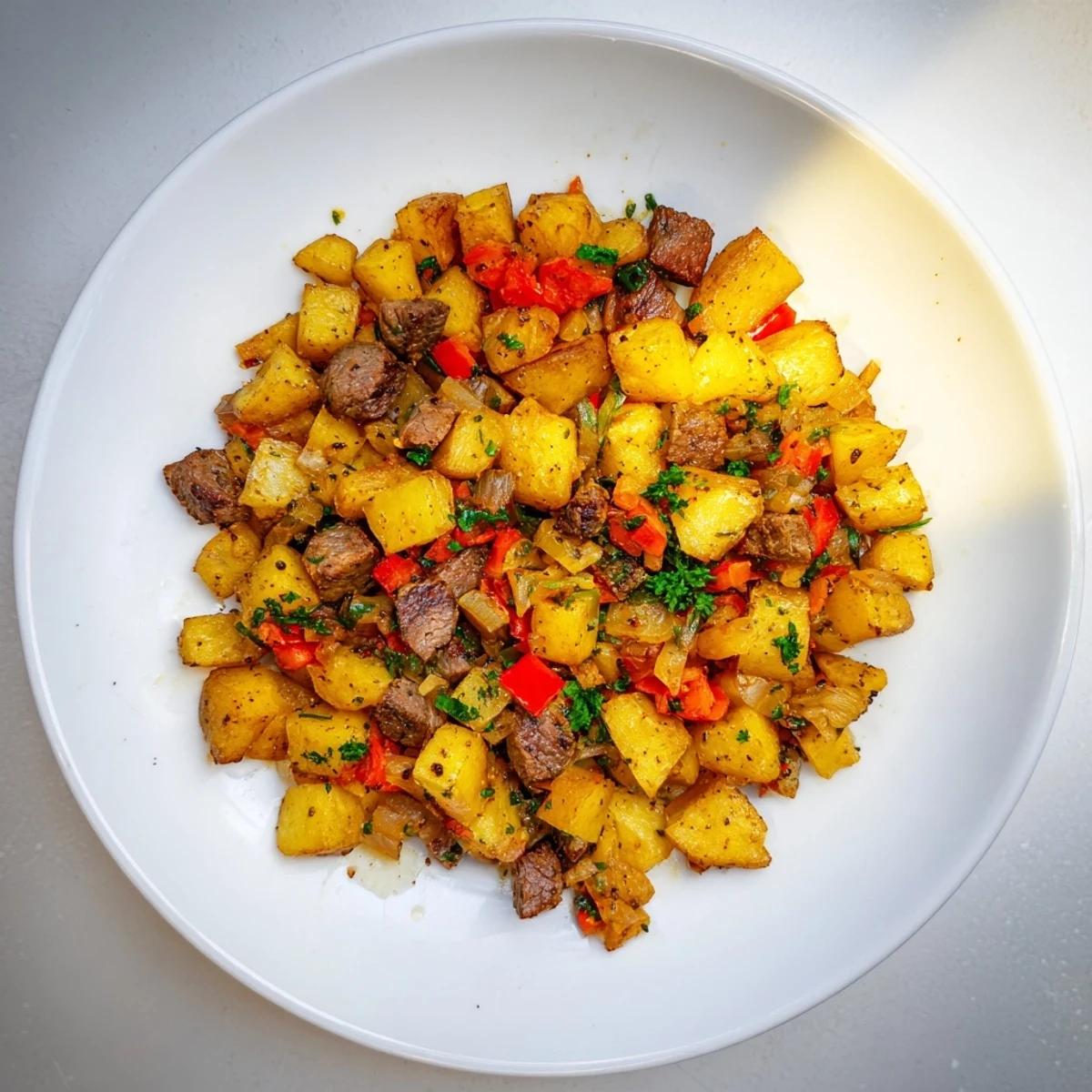
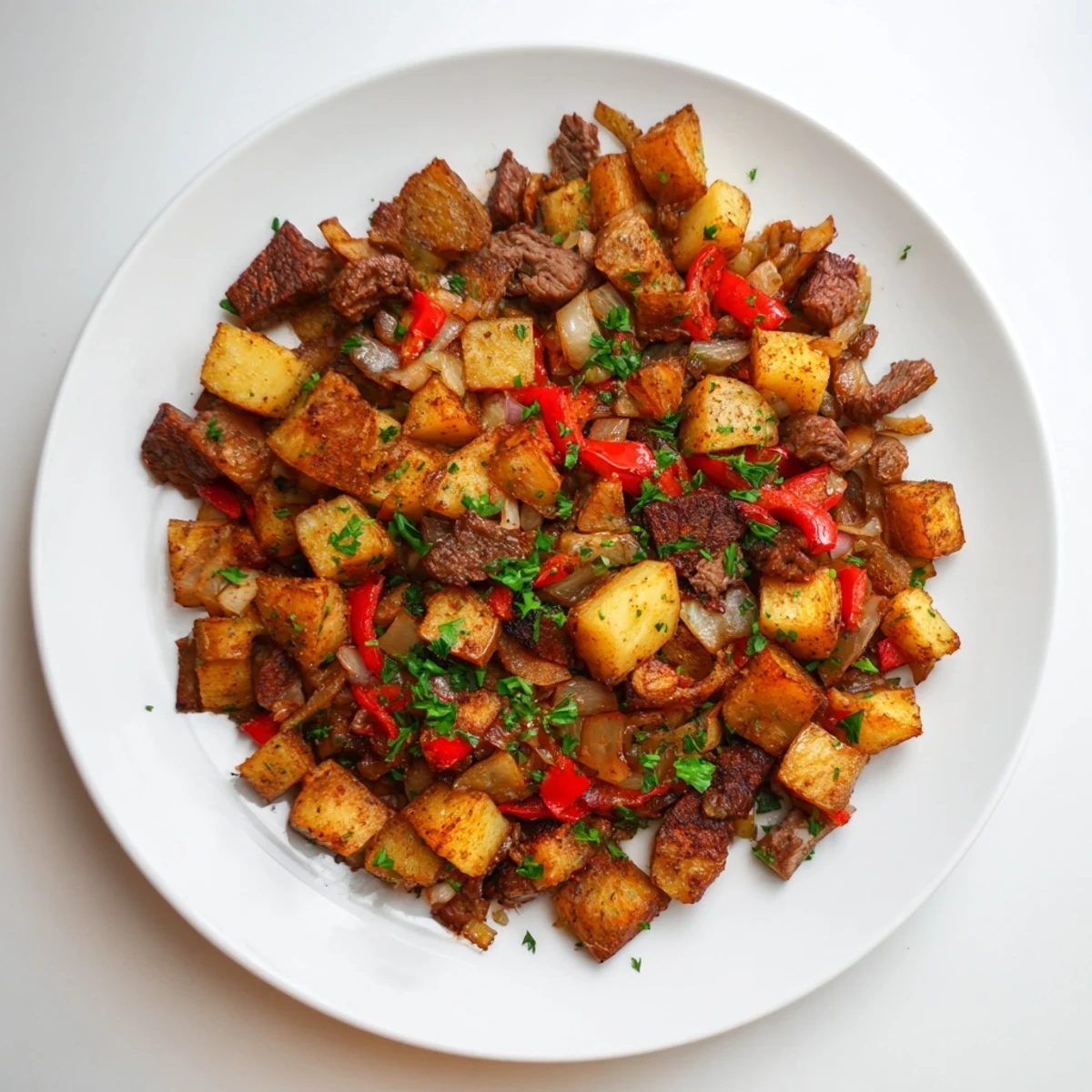
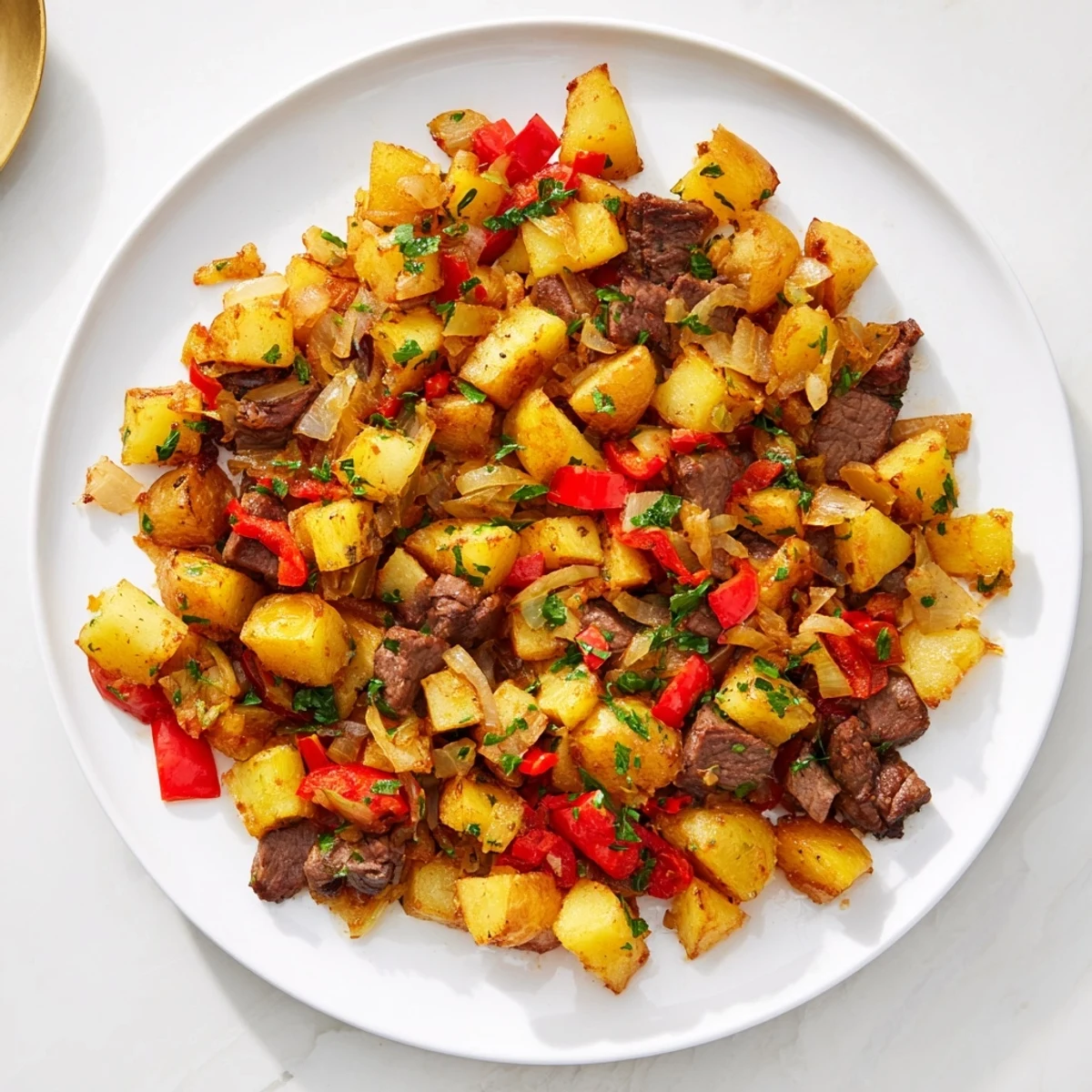
 This dish features tender, diced beef mixed with crispy golden potatoes and sautéed onions, bell peppers, and garlic. Seasoned with paprika and thyme, it delivers a robust flavor ideal for a satisfying morning meal. Quick to prepare and cook, the hash is finished with fresh parsley for brightness and can be topped with eggs for extra richness. A flexible dish that welcomes variations like swapping beef types or using sweet potatoes.
I'll never forget the morning my grandmother taught me how to make beef hash—it was a Sunday in her tiny kitchen, steam rising from the cast iron skillet while she hummed an old tune. She'd been making this dish since she was younger than I am now, transforming yesterday's roast into something that tasted even better than the original meal. That breakfast became our tradition, a way to stretch leftovers into something so hearty and comforting that guests would ask for the recipe. Now, whenever I make it, I'm transported back to that kitchen, her hands guiding mine through each step, and I realize this dish is so much more than just breakfast—it's a memory made edible.
I remember serving this to my brother when he came home from his first week of college, exhausted and homesick. He took one bite and just closed his eyes, and I knew right then that this simple hash carried something bigger than ingredients—it was comfort in a skillet, the kind of thing that reminds you why you belong somewhere. He now makes it himself in his tiny dorm kitchen, and he tells me it's the only thing that makes mornings feel manageable.
Ingredients
- Cooked beef (250 g/9 oz): This is where the magic starts—use roast, corned beef, or even leftover steak. I've learned that dicing it fairly small (about the size of your pinky nail) lets it crisp up beautifully at the edges while staying tender inside. The beef is your protein anchor, making this breakfast actually filling enough to power through your morning.
- Russet potatoes (400 g/14 oz): These are non-negotiable for that crispy texture. Something about russets develops these golden, crunchy edges that regular potatoes just won't give you. I always peel them and dice small so they cook evenly and get maximum surface area for crisping.
- Medium onion, finely chopped: Onions become so sweet and mellow as they cook, providing a subtle sweetness that balances the savory beef. Don't skip the mincing step—small pieces distribute the flavor throughout.
- Red bell pepper, diced: Beyond the bright color, peppers add a gentle sweetness and their own tender texture. I discovered that red peppers have more sugar than green ones, which is why they feel more natural in breakfast.
- Garlic (2 cloves, minced): Fresh garlic wakes everything up in the last minutes of cooking. The trick is adding it late so it doesn't burn and turn bitter.
- Fresh parsley (2 tablespoons): This is your brightness, your final flourish that makes people think you spent hours on this. It cuts through the richness with herbaceous freshness.
- Vegetable oil or butter (2 tablespoons): Oil crisps things better, but butter adds flavor—I usually split the difference and use one of each.
- Paprika (1 teaspoon): This gives you color and a gentle warmth without real heat. It's the spice that says comfort.
- Dried thyme (½ teaspoon): Thyme adds an earthy depth that somehow makes everything taste more home-cooked and intentional.
- Salt and black pepper: Trust your palate here—this is your seasoning adjustment moment.
- Eggs (4 large, optional): If you add them, fried eggs with runny yolks create this luxurious richness when they break into the hash. Poached eggs are more elegant, but fried feels more like breakfast.
Instructions
- Prep your potatoes with intention:
- Get your diced potatoes in a saucepan and cover them with cold water—the cold water start matters because it helps them cook evenly. Bring it all to a boil, then let it bubble for just 5 minutes. You want them partially cooked, still firm enough to hold their shape. Drain them well in a colander and let them sit for a moment—this helps them dry out slightly so they'll actually crisp up in the skillet instead of steaming.
- Build your vegetable base:
- Warm your oil in a large skillet over medium heat until it shimmers slightly. Add the onions and red pepper, and let them get soft and fragrant, about 3 minutes. This isn't a race—you want them to release their sweetness and mellow out. You'll notice the kitchen starting to smell wonderful around the 2-minute mark.
- Develop those crispy potato edges:
- Add your parboiled potatoes to the pan and resist the urge to stir constantly. Let them sit in contact with the hot surface for about 2 minutes before stirring, then repeat this a few times. This creates golden, crunchy edges while keeping the insides tender. After about 8-10 minutes, you should have patches of deep golden-brown color throughout. Your nose will tell you when it's right—it should smell nutty and caramelized.
- Layer in the seasonings and heat:
- Stir in your minced garlic, paprika, thyme, salt, and pepper. Cook for just 1 minute—you want the garlic to wake up and release its aroma without burning. The whole pan will suddenly smell even more inviting.
- Warm through the beef:
- Add your diced beef and stir gently to combine. Cook for 5-7 minutes, letting some of the beef edges get a little crispy and dark. You'll notice the beef warming through and starting to pick up some color from the pan. This isn't just reheating—you're building flavor.
- Finish with fresh brightness:
- Stir in your chopped parsley and taste. This is your moment to adjust salt and pepper. Parsley should bring a fresh, living quality to everything.
- Crown with eggs (optional but recommended):
- In a separate pan, fry or poach 4 eggs however makes your heart happy. A runny yolk breaking into the hash is absolute luxury.
- Serve with ceremony:
- Transfer to plates or a serving dish, garnish with extra parsley, and serve while it's still hot. The crispy bits should still have some crunch.
 Save to Pinterest
 There was a morning when my friend Sarah came over feeling completely defeated—she'd just lost her job and couldn't imagine what came next. I made this hash without even asking, and watching her eat something warm and hearty that I'd made with my own hands seemed to remind her that things could still be good, even when they felt impossible. Food has this power sometimes, and that breakfast turned into a conversation that lasted until dinner. This recipe has learned how to be more than breakfast.
The Perfect Skillet Choice
Your choice of skillet genuinely matters here. A cast iron skillet will crisp those potatoes like nothing else, but it requires confidence with heat management—you need to let it get properly hot and give the hash time to develop that crust. A stainless steel skillet gives you more control and visibility, letting you see exactly when things are golden. Non-stick works in a pinch but rarely delivers that deep golden color you're after. I've made this hash in all three and the cast iron version is magical, but only if you respect the heat.
Variations That Feel Like Discovery
The beauty of beef hash is how it adapts to what you have. Swap the corned beef for roast beef or leftover steak—I've made versions where I used the dregs of prime rib and it tasted obscene in the best way. Sweet potatoes create an entirely different breakfast, one that feels almost dessert-adjacent with their natural sweetness. I once threw in some diced mushrooms and realized they belong there from the start. A dash of hot sauce or Worcestershire added right before serving creates this umami complexity that makes people ask questions. The formula is flexible—tender protein, crispy starch, soft vegetables, bright herb. Everything else is your kitchen calling the shots.
From Leftovers to Magic
This recipe teaches an important kitchen lesson: leftovers aren't failures, they're foundations. That beef roast from Sunday dinner becomes Thursday morning's breakfast, and somehow it's better. It's taught me to always cook a little extra meat with the thought of this hash in mind, to see leftovers as possibilities rather than problems. There's something wonderful about turning yesterday into today's celebration.
- Keep leftover beef in the fridge covered, and it will stay fresh and ready to transform into breakfast for three to four days.
- Cook your potatoes the morning of for maximum crispiness, or prep them the night before and store in a dry container.
- Make this dish in the morning light, because it's genuinely pretty and worth looking at before you eat it.
 Save to Pinterest
 Every time I make beef hash, I'm grateful for this breakfast and what it represents—good food born from respect for ingredients, made with the understanding that feeding people you care about is one of life's quiet victories. Make this for someone on a morning when they need reminding that good things still exist.
Recipe Questions & Answers
- → What cut of beef works best for this dish?
-
Cooked roast or corned beef diced into small pieces works well, providing tenderness and rich flavor.
- → How should the potatoes be prepared for best texture?
-
Parboil the diced potatoes briefly before sautéing to achieve a crispy exterior while maintaining a soft interior.
- → Can I customize the seasonings in this dish?
-
Yes, paprika and thyme provide warmth and earthiness, but you can adjust spices or add hot sauce for extra kick.
- → Is this dish suitable for a quick morning meal?
-
Absolutely, it requires about 40 minutes total, with active cooking time around 25 minutes, making it perfect for busy mornings.
- → What optional additions enhance the dish’s flavor?
-
Fresh parsley adds brightness, and frying or poaching eggs on top gives extra protein and creaminess.