
 Save to Pinterest
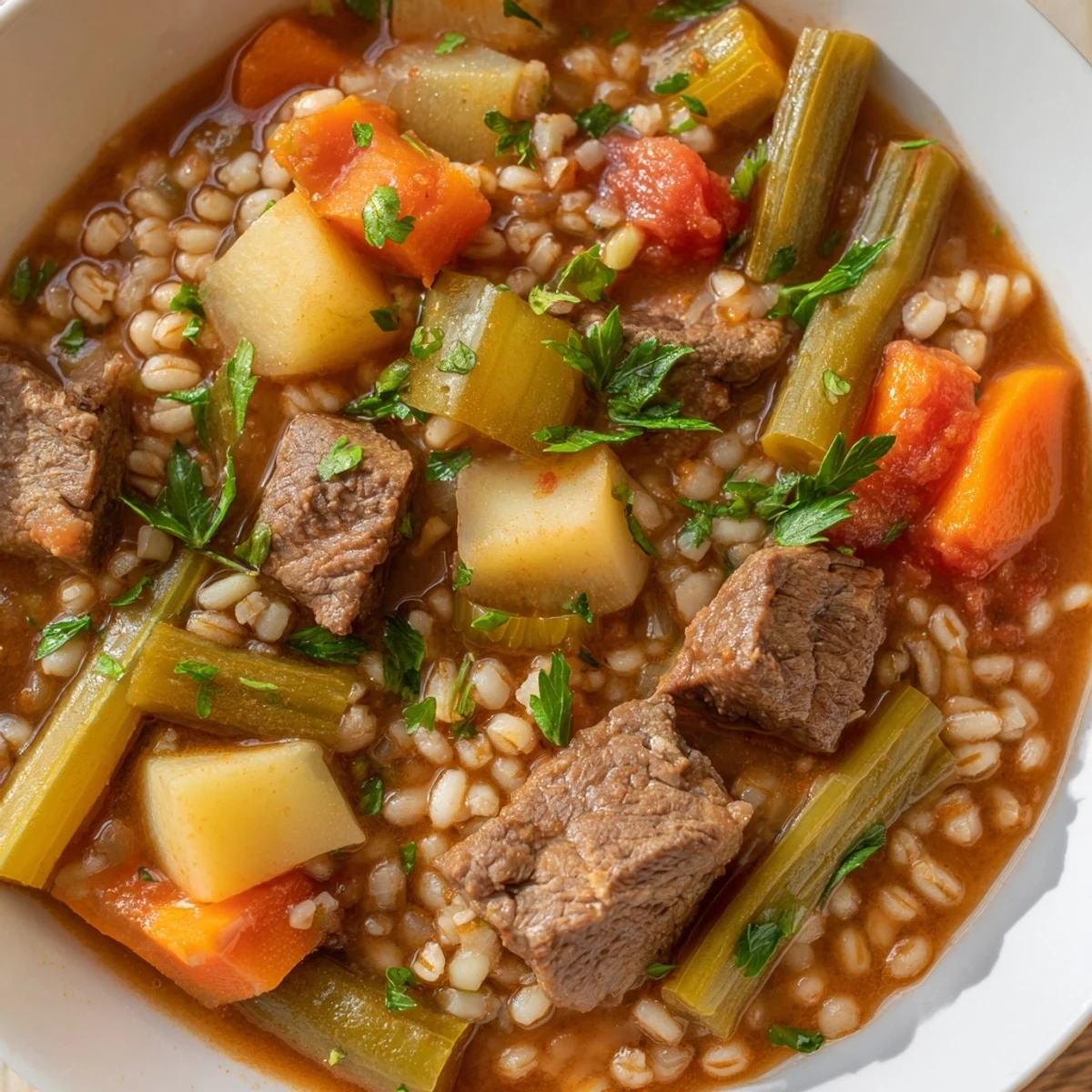
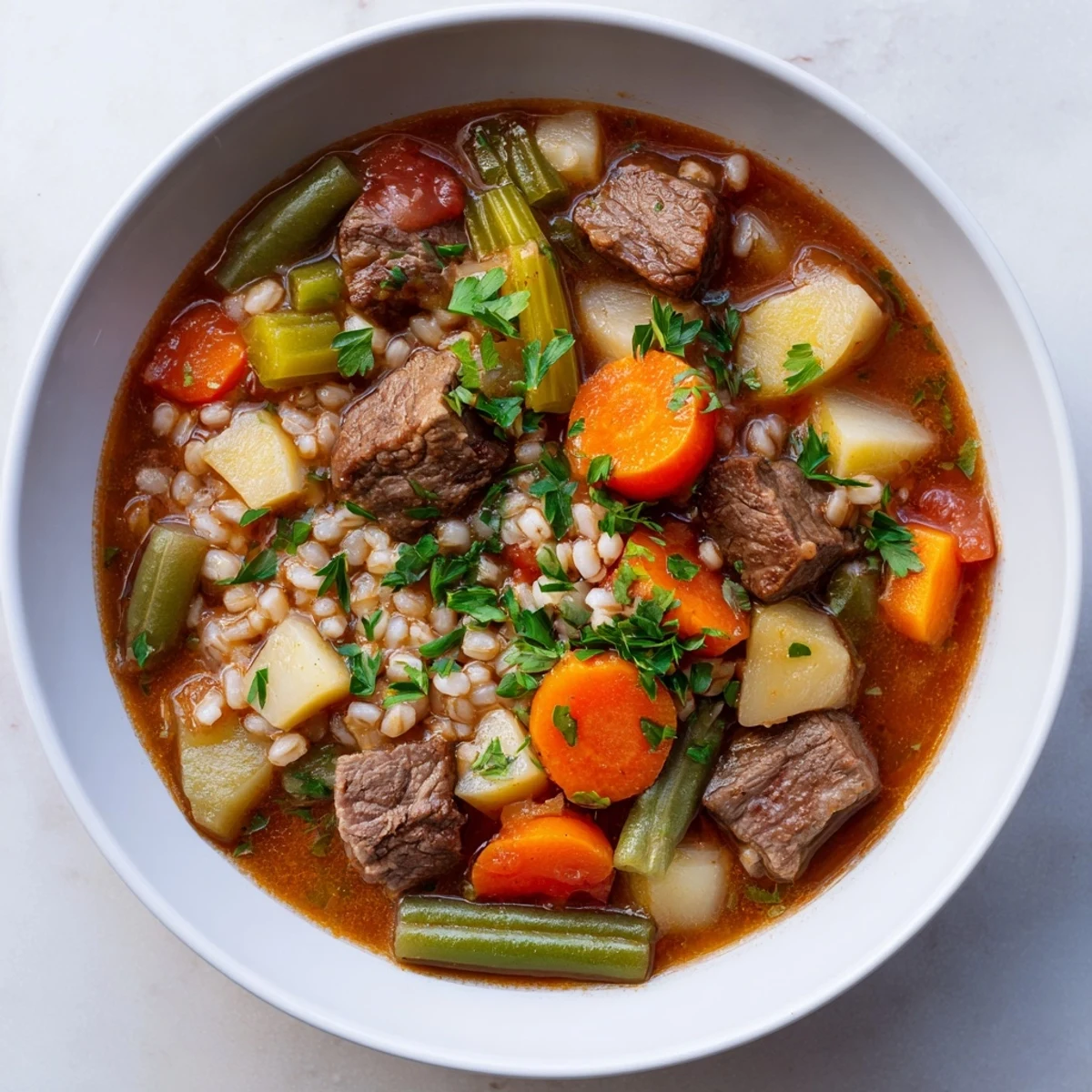
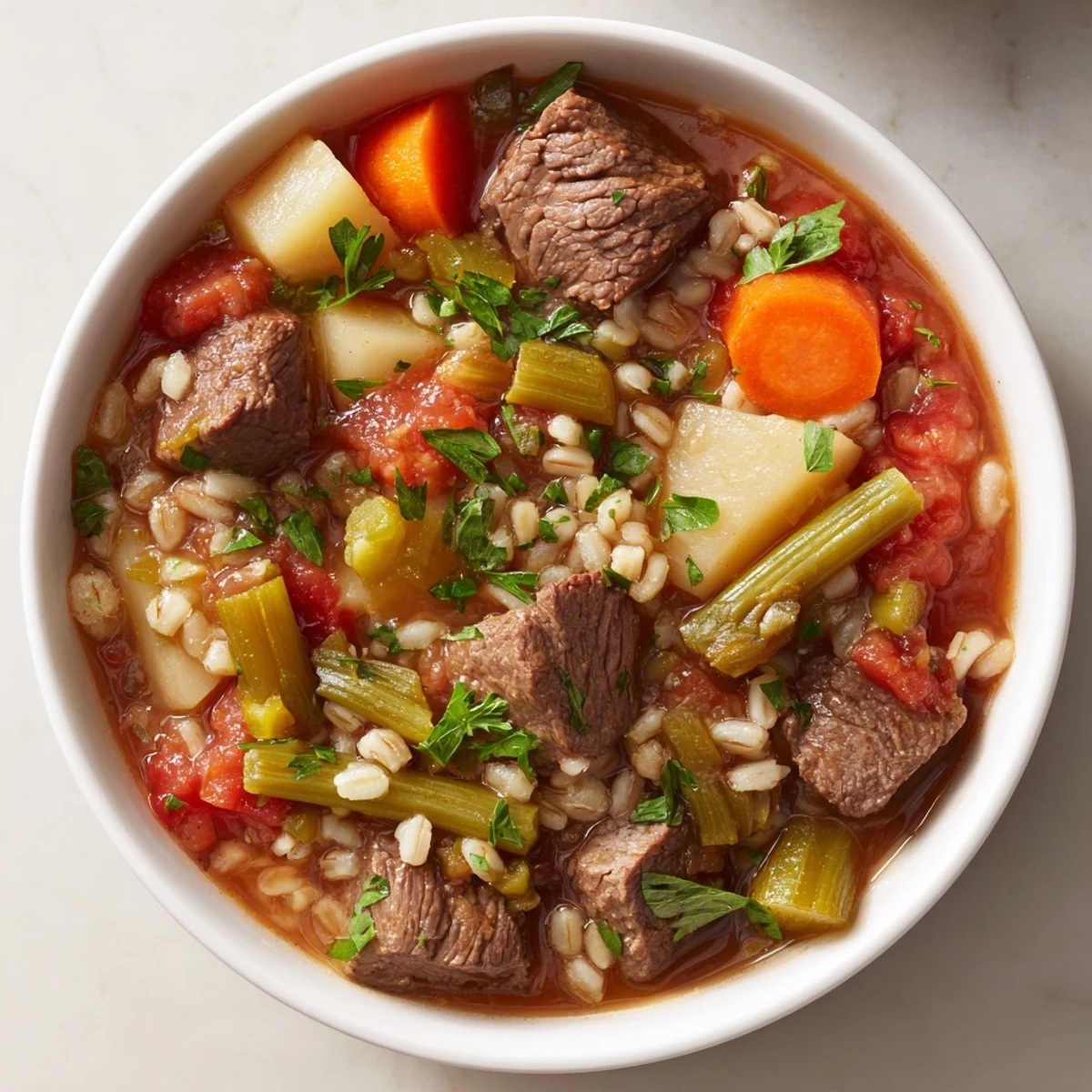
 This hearty stew combines succulent beef cubes with pearl barley and a colorful mix of fresh vegetables like carrots, celery, and green beans. Slow simmering in savory beef broth infused with herbs enhances depth and warmth, making it a perfect dish for cold evenings. Layers of flavor develop during the long cook time, tenderizing meat and melding textures. The dish finishes with fresh parsley for brightness and offers satisfying nourishment.
There's something about a pot of beef and barley stew simmering on the stove that stops time. Years ago, my neighbor invited me over on a gray October afternoon, and the first thing I noticed wasn't the chill outside—it was that deep, savory warmth drifting from her kitchen. She'd made this exact stew, and I remember thinking how a single bowl could feel like being wrapped in a blanket. Now whenever I make it, I'm right back in that moment, except the kitchen is mine and I'm the one doing the inviting.
I made this for my sister during her first winter in the city, when she was exhausted from a new job and missing home. Watching her close her eyes after that first spoonful, seeing her shoulders drop—that's when I realized stew isn't just about flavor. It's permission to slow down when everything around you is moving too fast.
Ingredients
- Beef chuck, 1.5 lbs cut into 1-inch cubes: Chuck is the secret weapon here—it has just enough fat and connective tissue to become silk after hours of braising, nothing like the stringiness you'd get from leaner cuts.
- Olive oil, 1 tbsp: Just enough to help that beef develop a golden crust that adds depth to everything that follows.
- Onion, carrots, and celery: This trio is the foundation for good reason—they build flavor from the ground up and soften into the broth naturally.
- Garlic, 2 cloves minced: Add it after the vegetables soften so it doesn't burn and turn bitter, which would throw off the whole balance.
- Potato and green beans: The potato thickens the broth gently while the beans stay bright, giving you texture in every spoonful.
- Pearl barley, 2/3 cup rinsed: Rinsing removes the starch that would make your broth cloudy—it's a small step that makes the whole dish look more inviting.
- Beef broth and water, 6 cups and 1 cup: The liquid base that becomes pure comfort, so use good broth if you can.
- Tomatoes, thyme, rosemary, and bay leaf: These build layers of flavor that make people ask for the recipe, though the real secret is just time and patience.
Instructions
- Sear the beef until it's golden and proud:
- Heat your oil until it shimmers, then add beef in batches so the pot doesn't get crowded—crowding makes it steam instead of sear. Work deliberately and listen for that sizzle; it means magic is happening. This takes about 10 minutes total, and yes, it matters.
- Build your flavor foundation with the vegetables:
- Toss in the onion, carrots, and celery without scraping up the browned bits yet—let them soften for 5 minutes first. Then stir in that garlic and let it toast for just a minute until your whole kitchen smells like someone who knows what they're doing.
- Combine everything and bring to a simmer:
- Return the beef, add all your liquids and seasonings, stir until nothing is stuck to the bottom, then let it come to a gentle boil. The moment you see bubbles breaking the surface, turn the heat down low, cover it, and let it rest for an hour.
- Add the barley, potatoes, and green beans for the final stretch:
- These ingredients go in when the beef is already tender, so they don't overcook into mush. Stir everything together, cover again, and let it cook for 45 minutes to an hour more until the barley is creamy and the potatoes are soft.
- Finish and taste:
- Fish out that bay leaf, give everything a stir, and taste it. Salt and pepper are always adjustable—trust your own mouth here.
- Serve with intention:
- Ladle it into bowls while it's hot, scatter fresh parsley on top, and watch it steam. This is the moment that makes all those hours worthwhile.
 Save to Pinterest
 I learned the hard way that stew rewards patience by making a small mistake one rushed evening. I tried to finish it in an hour instead of giving it the full two, and the beef was still tough, the flavors hadn't married, nothing was right. Now I know—good stew is about respecting the process, not rushing it.
Why This Stew Heals
There's real science in why stew feels restorative: the slow cooking transforms tough muscle into gelatin, the barley adds substance without heaviness, and the vegetables release their essence into every spoonful. But beyond nutrition, there's something about eating something you've tended to for hours that shifts your whole mood. Your body knows the difference between food that was made quickly and food that was made with attention.
Variations That Still Work
Red wine is my secret second ingredient—I pour in a cup after returning the beef and let it reduce slightly before adding the broth. The tannins add a subtle complexity that makes people pause and wonder what they're tasting. If you want to swap beef for lamb, use the same weight and accept that it'll cook a bit faster and taste earthier. For vegetarian versions, roast mushrooms first until they're deep brown, then treat them like the beef—the cooking time stays the same and the result is equally nourishing, just completely different in character.
Storage and Next-Day Magic
This stew is actually better on day two, when all the flavors have melded and deepened. Store it in an airtight container in the refrigerator for up to four days, or freeze it for up to three months—and when you reheat it, do it gently on the stove, not blasting it in the microwave. Crusty bread is non-negotiable; it's how you rescue every last drop from the bottom of the bowl.
- Let it cool completely before refrigerating to avoid condensation that waters down the broth.
- When reheating, add a splash of broth or water if it's thickened up—it should always feel like stew, not stew paste.
- Freeze it in portions so you can pull out exactly what you need without thawing a gallon.
 Save to Pinterest
 This stew has taught me that the best meals aren't always complicated—sometimes they're just honest, made slowly, and shared with people who appreciate what slowing down means. Make it for someone you love.
Recipe Questions & Answers
- → What cut of beef works best for this stew?
-
Beef chuck cut into cubes is ideal, as it becomes tender and flavorful after slow cooking.
- → Can I use different grains instead of barley?
-
Yes, pearl barley is traditional, but you can substitute with farro or brown rice for varied textures.
- → How can I enhance the stew's flavor depth?
-
Sautéing the beef and vegetables before simmering and adding herbs like thyme and rosemary builds rich layers.
- → Is it possible to prepare this stew in advance?
-
Absolutely, flavors deepen when refrigerated overnight. Reheat gently before serving.
- → What sides pair well with this stew?
-
Crusty bread or a simple green salad complements the dish and balances its hearty nature.