
 Save to Pinterest
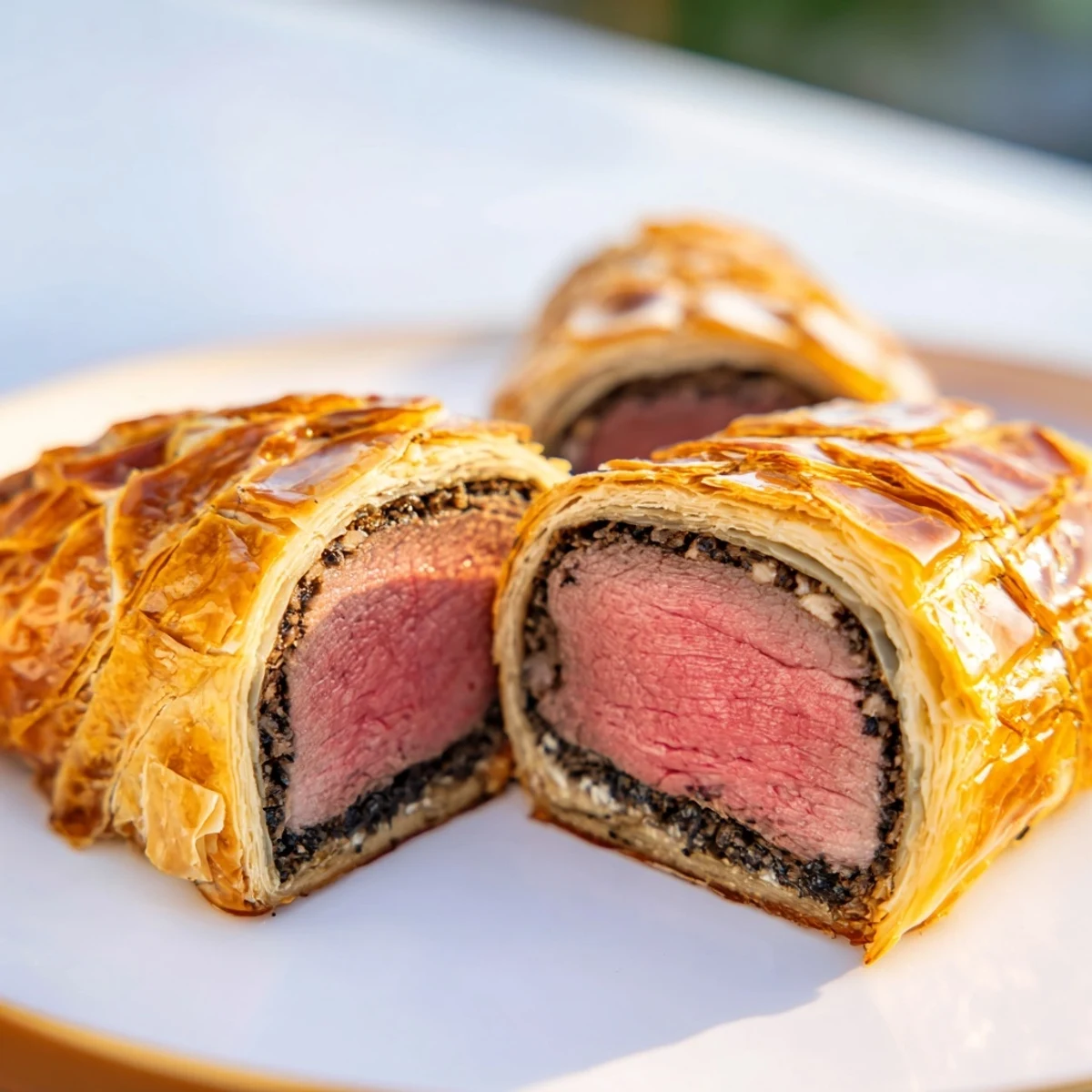
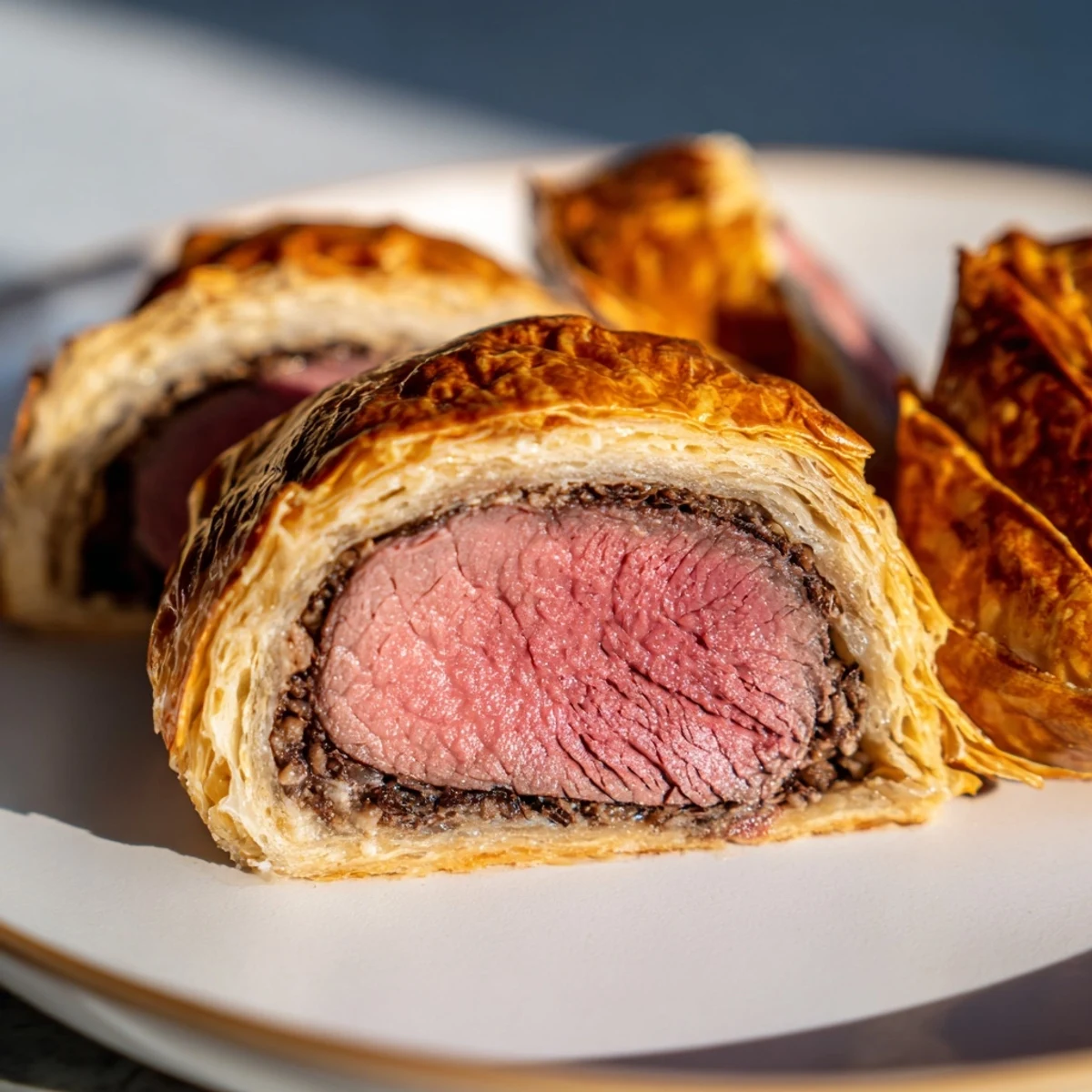
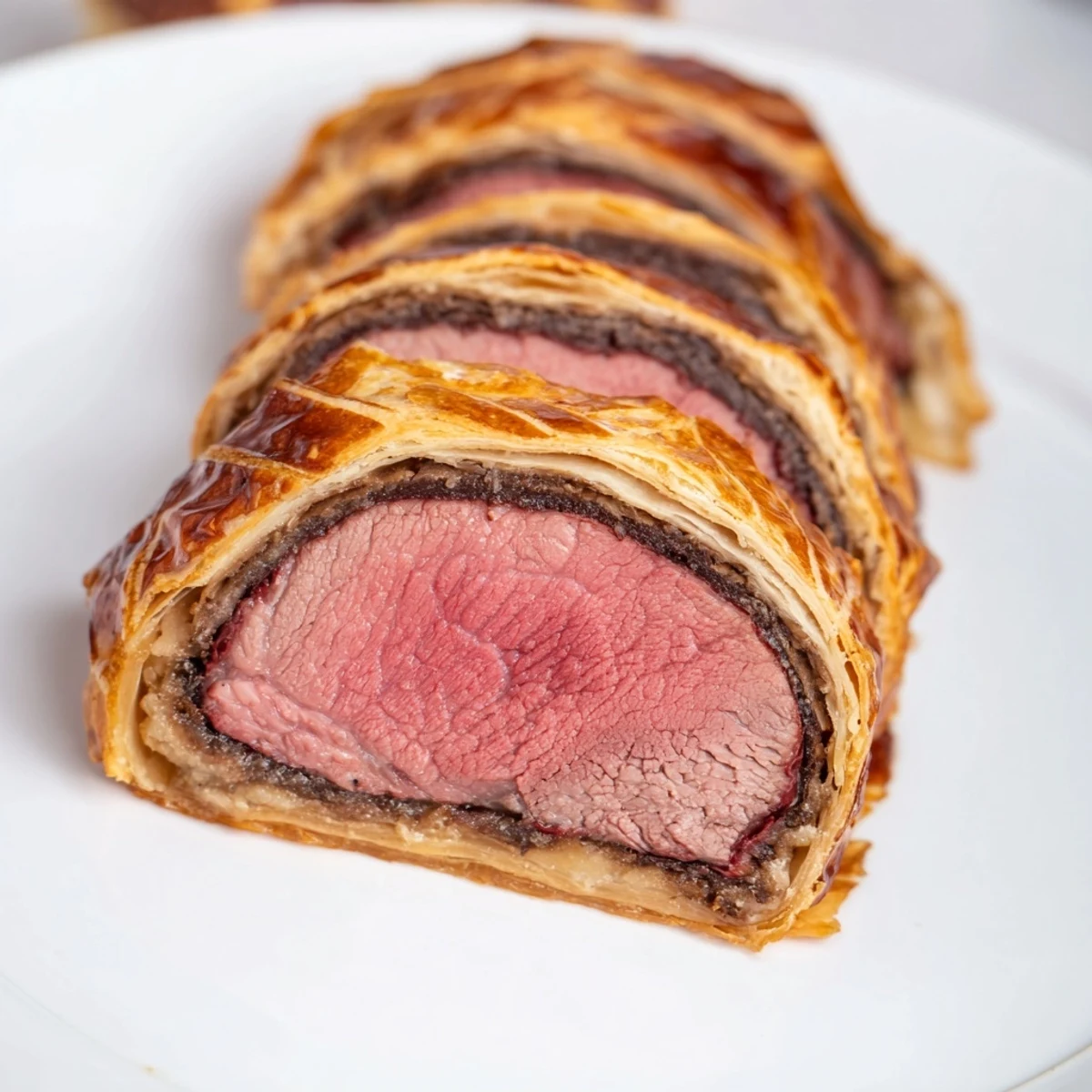
 This dish highlights a tender beef fillet seared to perfection, layered with a richly flavored mushroom duxelles made from finely chopped mushrooms, shallots, garlic, and thyme. Wrapped in thin slices of prosciutto and encased in buttery puff pastry, it is baked until golden and rested for juicy, medium-rare slices. The preparation involves careful layering and chilling to maintain shape and texture, culminating in an elegant and flavorful centerpiece suitable for celebratory occasions.
I still get a little nervous every time I pull a Wellington out of the oven, even after making it a dozen times. The first one I ever attempted was for my anniversary, and I kept peeking through the oven door like it might disappear if I looked away. When I finally sliced into it and saw that perfect pink center wrapped in golden pastry, I understood why people save this dish for moments that matter. It's not just dinner, it's a small act of devotion.
I made this for my parents' anniversary dinner one winter, and my dad insisted on taking a photo before we cut into it. He's not a photo person, so that told me everything. My mom kept saying it was too fancy for a Tuesday, but she also had three slices. Sometimes you don't need a reason to make something beautiful, you just need people you want to cook for.
Ingredients
- Center-cut beef tenderloin (2 lb): This is your centerpiece, so buy the best you can afford and make sure it's trimmed evenly so it cooks uniformly.
- Cremini or button mushrooms (1 lb): Chop them as finely as you can, the duxelles should be almost paste-like, not chunky.
- Shallots (2) and garlic (2 cloves): These bring sweetness and depth to the mushroom mixture without overpowering the beef.
- Prosciutto (6 oz): It acts as a moisture barrier and adds a salty, savory layer that ties everything together.
- Dijon mustard (2 tbsp): Brush it on the beef after searing, it adds a subtle tang and helps the prosciutto stick.
- Puff pastry (1 lb): Use store-bought and thaw it properly, homemade is lovely but unnecessary here.
- Egg yolk and milk: This egg wash gives the pastry that bakery-quality shine and color.
- Fresh thyme (2 tbsp): It perfumes the duxelles with an earthy, slightly floral note that feels very French.
Instructions
- Sear the Beef:
- Pat the tenderloin completely dry, season it generously, then sear it hard in smoking-hot olive oil until every side is deeply browned. Let it cool, then brush it all over with Dijon mustard while it's still warm so the mustard clings.
- Make the Duxelles:
- Melt butter and cook the shallots and garlic until they smell sweet, then add the mushrooms and thyme. Stir often and let them cook down until all the liquid is gone and the mixture looks dry and concentrated, this takes patience but it's essential.
- Wrap in Prosciutto:
- Lay out overlapping prosciutto slices on plastic wrap, spread the cooled duxelles evenly on top, then place the beef in the center. Roll it up tightly using the plastic wrap to help, twist the ends like a candy wrapper, and chill for 30 minutes so it holds its shape.
- Encase in Pastry:
- Roll out the puff pastry on a floured surface, unwrap the beef, and place it in the center. Fold the pastry over, trim excess, and press the seams to seal, then flip it seam-side down onto a parchment-lined baking sheet.
- Egg Wash and Bake:
- Whisk egg yolk with milk and brush it all over the pastry for that glossy finish. Bake at 425°F for 40 to 45 minutes until the pastry is deeply golden and the internal temperature reads 120 to 125°F for medium-rare.
- Rest and Slice:
- Let it rest for at least 10 minutes before slicing so the juices settle and the pastry doesn't crack. Use a sharp serrated knife and cut with confidence.
 Save to Pinterest
 The first time I served this to friends, one of them said it tasted like something from a restaurant she couldn't afford. I laughed, but I also felt proud in a way that's hard to explain. Cooking something this deliberate for people you care about changes the whole energy of the evening. It's not about showing off, it's about creating a moment that feels generous and full.
Serving Suggestions
I like to serve this with roasted fingerling potatoes tossed in rosemary and a simple pile of green beans with butter and lemon. A rich red wine sauce on the side is classic, but honestly, the Wellington is so flavorful it doesn't need much help. Pour a full-bodied Bordeaux or Cabernet Sauvignon, and let people linger at the table a little longer than usual.
Make-Ahead Tips
You can assemble the entire Wellington up to the point of wrapping it in pastry, then cover it tightly and refrigerate for up to 24 hours. When you're ready to bake, just roll out the pastry, wrap, egg wash, and pop it in the oven. This is a lifesaver when you're hosting and don't want to be stuck in the kitchen all evening.
Common Mistakes and How to Avoid Them
The biggest mistake is not drying the beef thoroughly before searing, which leads to steaming instead of browning. Another is wrapping the beef while the duxelles is still warm, which creates condensation and a soggy bottom. Finally, overbaking out of fear will give you gray beef, trust your thermometer and pull it when it hits 120°F for a perfect medium-rare.
- Always let the duxelles cool completely before spreading it on the prosciutto.
- Don't skip the resting time after baking, it's when everything settles and becomes sliceable.
- If your pastry tears, patch it with a scrap and brush with egg wash, no one will notice once it bakes.
 Save to Pinterest
 This dish taught me that some recipes are worth the effort not because they're complicated, but because they ask you to slow down and pay attention. Every time I make it, I remember why I love cooking in the first place.
Recipe Questions & Answers
- → What cut of beef is ideal for this dish?
-
A center-cut beef tenderloin is preferred for its tenderness and uniform shape, which suits wrapping and even cooking.
- → How is the mushroom duxelles prepared?
-
The duxelles is made by finely chopping mushrooms, shallots, and garlic, then cooking them slowly with butter and thyme until the mixture becomes a thick, paste-like consistency.
- → Why is prosciutto used in the layering?
-
Prosciutto adds a salty, savory layer that complements the beef and mushroom mixture while helping to hold moisture inside during baking.
- → What is the purpose of chilling the wrapped beef before baking?
-
Chilling helps the layered components firm up, making it easier to wrap in puff pastry and preventing the log from losing its shape during baking.
- → How can I ensure the pastry turns out golden and crisp?
-
Brushing the puff pastry with an egg wash before baking promotes an even, glossy golden-brown finish and adds to the crisp texture.
- → What is an ideal internal temperature for the cooked beef?
-
Cooking to 120–125°F (49–52°C) ensures a medium-rare center, keeping the beef tender and juicy.