
 Save to Pinterest
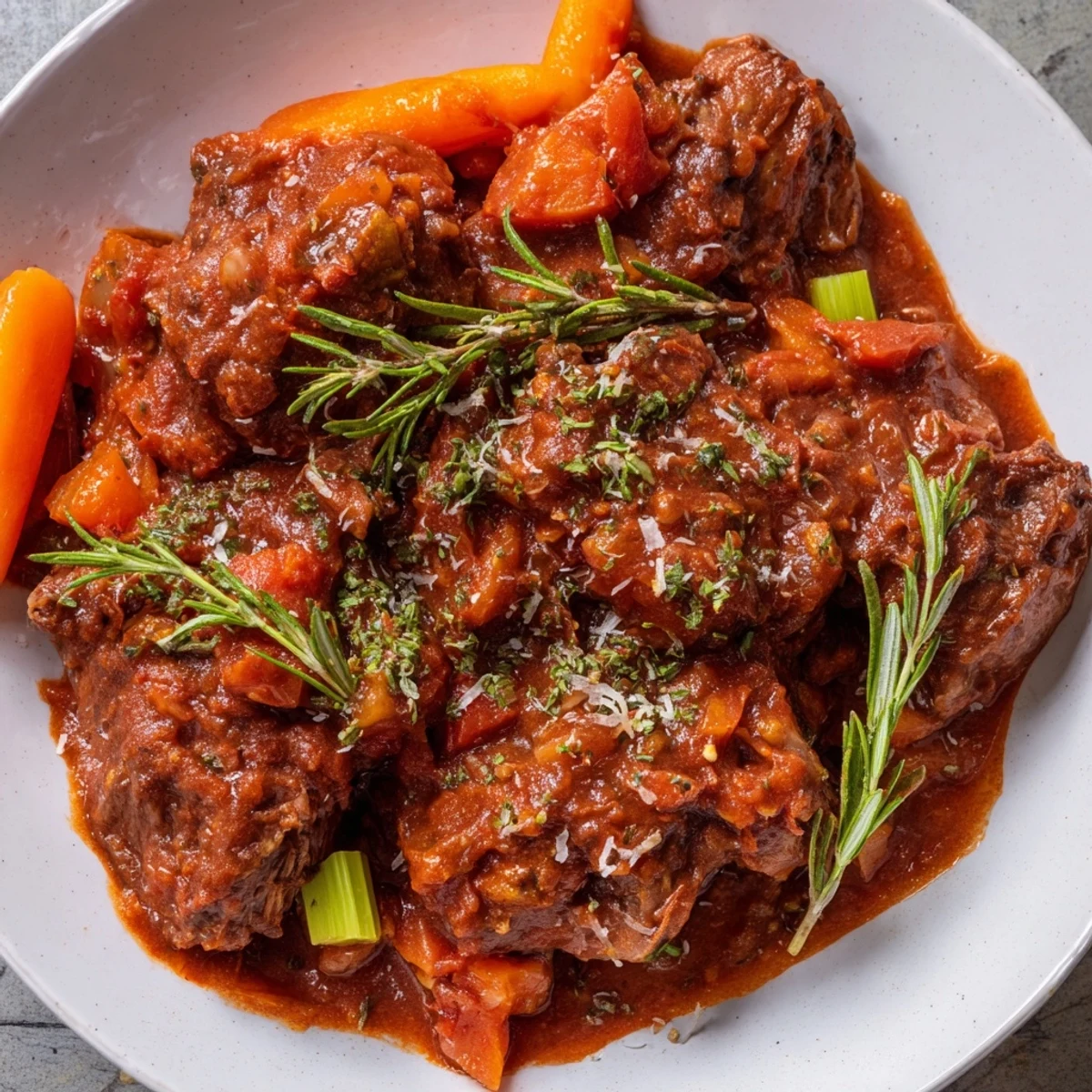
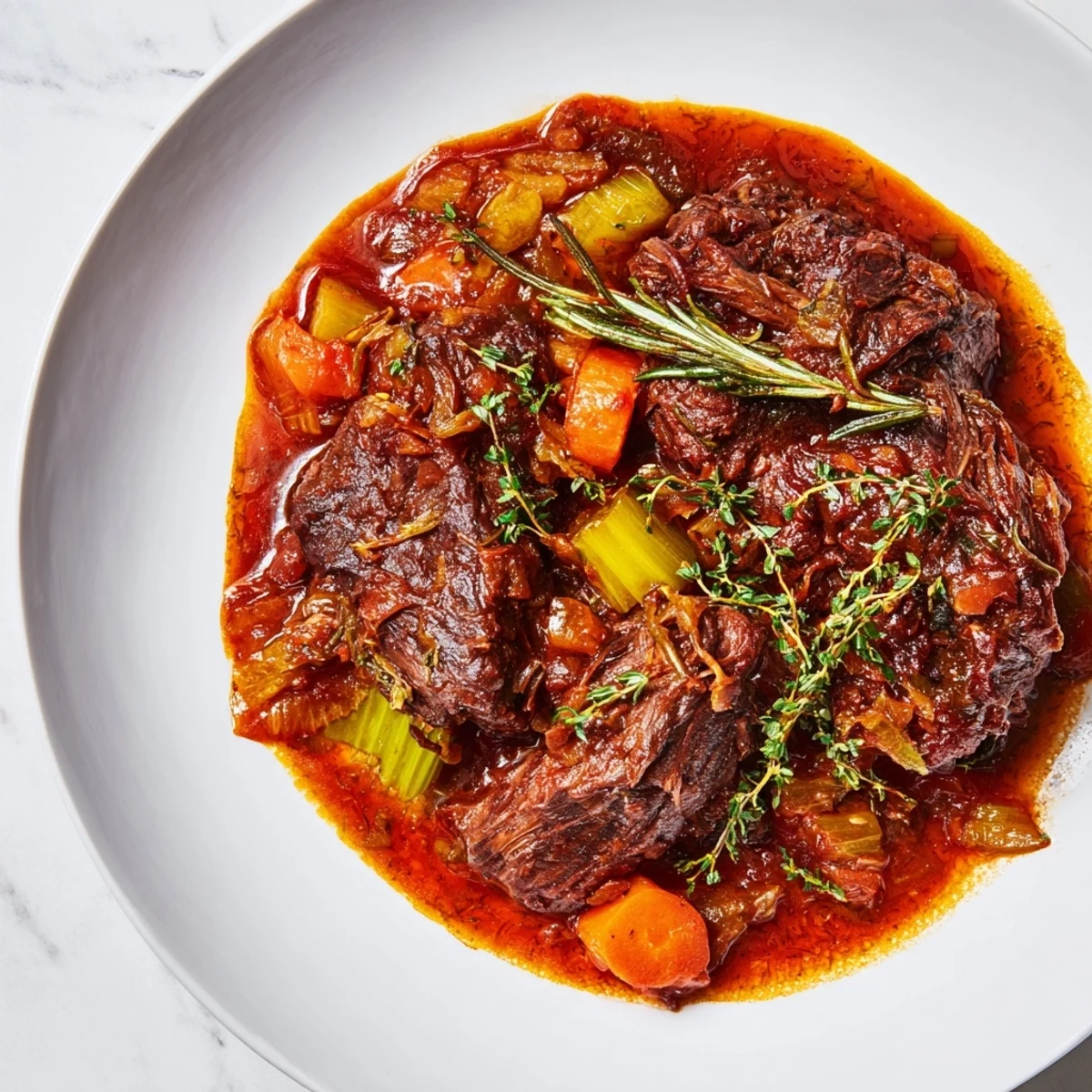
 This dish features lamb shoulder seared and slowly cooked with carrots, celery, onion, garlic, and herbs in a rich broth of red wine and stock. The long braising process allows the meat to become tender and infused with aromatic flavors. A touch of butter can finish the sauce for added richness, making it ideal for gatherings or cozy family dinners. Best served with creamy mashed potatoes or crusty bread.
I was skeptical the first time I braised lamb instead of roasting it. My neighbor swore the meat would fall apart with a spoon, and she was right. The kitchen filled with wine and rosemary, and by the time I pulled the pot from the oven, I knew I'd never go back to dry, chewy lamb again.
I made this for my in-laws on a rainy Sunday, and my father-in-law, who usually critiques everything, went silent after his first forkful. He asked for seconds before anyone else had finished. That's when I knew this recipe was a keeper.
Ingredients
- Lamb shoulder or shanks: Shoulder has more marbling and becomes incredibly tender, while shanks give you that dramatic bone-in presentation. Either way, don't skimp on browning, it builds the flavor foundation.
- Salt and black pepper: Season boldly before searing so the crust is deeply savory, not bland.
- Carrots and celery: These aromatics sweeten the braise and thicken the sauce as they break down. Cut them into big pieces so they don't disappear entirely.
- Onion: Yellow or white onion both work beautifully, melting into the background and rounding out the richness.
- Garlic: Fresh cloves bloom in the hot oil and perfume the entire dish. Jarred garlic won't give you the same depth.
- Beef or lamb stock: Homemade is ideal, but a good quality store-bought stock works if you check the sodium level first.
- Dry red wine: A Côtes du Rhône or Merlot adds acidity and complexity. Drink what you cook with, don't use anything you wouldn't pour in a glass.
- Tomato paste: Caramelizing it for a minute before deglazing locks in umami and prevents a raw tomato taste.
- Rosemary and thyme: Fresh herbs are essential here. Dried versions lack the bright, resinous notes that cut through the richness.
- Bay leaves: They add a subtle earthiness that ties everything together. Remove them before serving or someone will bite into a leathery surprise.
- Olive oil: Use a good quality oil for searing. It handles high heat and adds a fruity backbone.
- Unsalted butter: Stirring in a tablespoon at the end gives the sauce a glossy, restaurant-quality finish.
Instructions
- Preheat and Prep:
- Set your oven to 160°C so it's ready when you need it. Pat the lamb completely dry with paper towels, moisture is the enemy of a good sear.
- Season the Lamb:
- Be generous with salt and pepper on all sides. This is your only chance to season the meat itself, not just the sauce.
- Sear the Meat:
- Heat olive oil in your Dutch oven until it shimmers, then brown the lamb in batches without crowding. Each piece should have a deep golden crust before you flip it.
- Soften the Vegetables:
- Toss in the onion, carrots, and celery, scraping up any browned bits as they cook. When the garlic goes in, stir constantly for one minute so it doesn't burn.
- Build the Sauce:
- Stir the tomato paste into the vegetables and let it darken slightly, then pour in the wine and scrape the pot bottom vigorously. All those caramelized bits are pure flavor.
- Combine and Simmer:
- Nestle the lamb back into the pot and add stock, rosemary, thyme, and bay leaves. Bring it to a gentle bubble before covering.
- Braise in the Oven:
- Cover tightly and slide it into the oven for two to two and a half hours. The low heat does all the work, transforming tough meat into fork-tender perfection.
- Finish and Serve:
- Skim any fat from the surface and stir in butter if you want extra silkiness. Pull out the herb stems and bay leaves, taste for seasoning, and serve hot.
 Save to Pinterest
 The first time I reheated leftovers, I almost liked them more than the original meal. The sauce had thickened overnight, clinging to the lamb like velvet. I ate it straight from the pot, standing at the stove, and didn't even bother with a plate.
Serving Suggestions
Creamy mashed potatoes soak up the sauce like a dream, but polenta or crusty bread work just as well. I've also spooned it over buttered egg noodles when I wanted something homey and comforting. A crisp green salad with a sharp vinaigrette cuts through the richness and balances the plate.
Storage and Reheating
Store leftovers in an airtight container in the fridge for up to three days. Reheat gently on the stovetop with a splash of stock to loosen the sauce. The flavors only get better as they sit, so this is one of those rare dishes that rewards patience.
Customizing the Recipe
If you want a lighter version, trim all visible fat from the lamb before cooking and skip the butter at the end. You can also swap the red wine for extra stock with a tablespoon of balsamic vinegar for acidity. For a richer braise, add a few tablespoons of heavy cream in the final minutes.
- Try adding a handful of dried apricots or prunes during braising for a sweet, North African twist.
- Swap rosemary for fresh oregano and add a cinnamon stick for a Greek-inspired version.
- Stir in a spoonful of Dijon mustard at the end to brighten the sauce with a sharp, tangy kick.
 Save to Pinterest
 This dish taught me that slow cooking isn't about following a timer, it's about trusting the process and letting the oven do the heavy lifting. Serve it to people you want to impress, or just make it for yourself on a quiet evening when you need something soul-warming.
Recipe Questions & Answers
- → What cut of lamb works best for braising?
-
Lamb shoulder or shanks are ideal as their marbling and connective tissue break down during slow cooking, resulting in tender meat.
- → Can I prepare this dish without red wine?
-
Yes, you can substitute red wine with extra lamb or beef stock, though the wine adds a depth of flavor and acidity to balance the richness.
- → How long should the lamb be cooked for optimal tenderness?
-
Braising in the oven for about 2 to 2 1/2 hours at low heat allows the lamb to become fork-tender while absorbing flavors.
- → What herbs complement the lamb in this dish?
-
Fresh rosemary, thyme, and bay leaves add fragrant herbal notes that enhance the natural lamb flavor during cooking.
- → Is it necessary to sear the lamb before braising?
-
Searing the lamb develops a rich crust and caramelized flavor, which contributes to the overall depth of the final dish.