
 Save to Pinterest
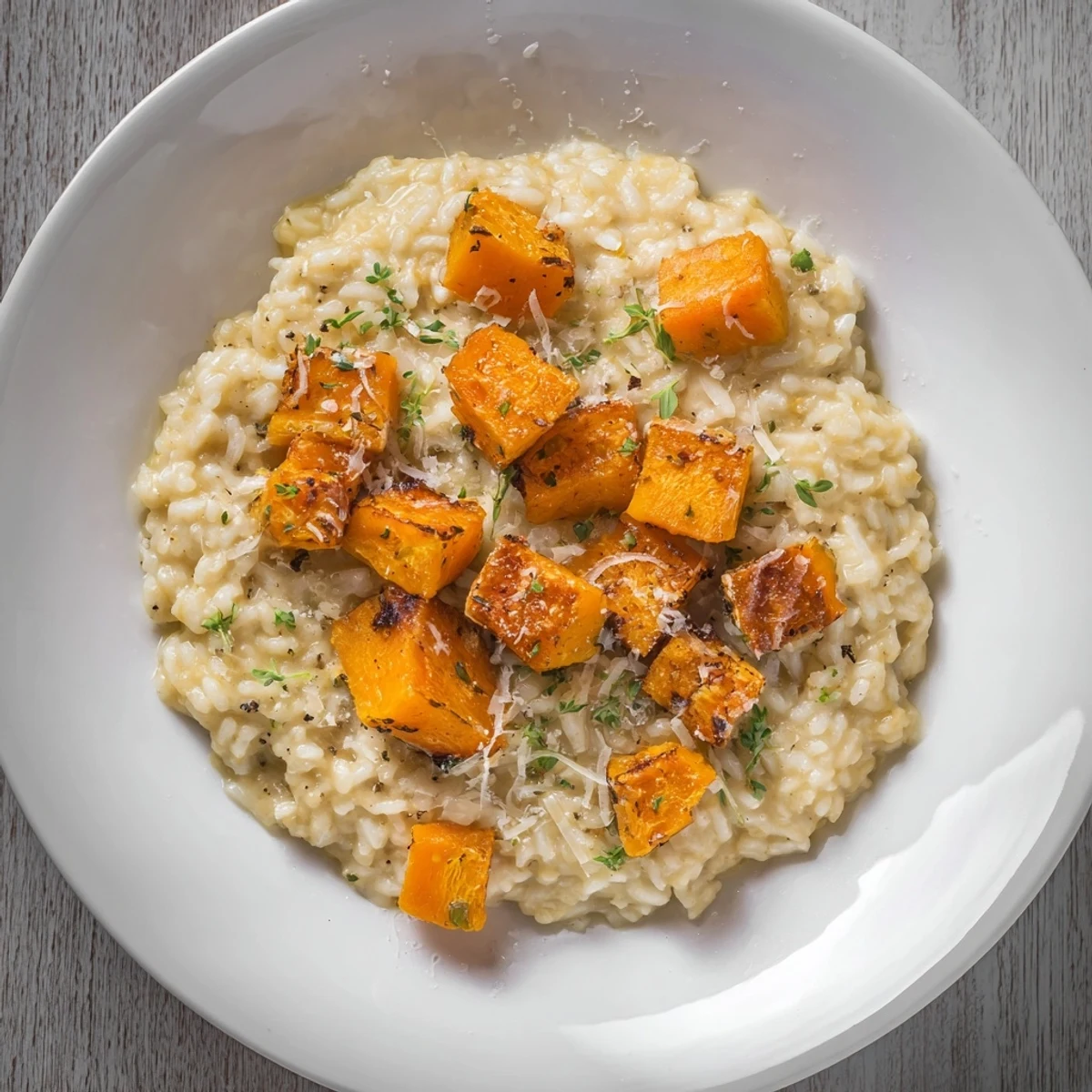
 This creamy risotto combines sweet roasted butternut squash with Arborio rice simmered slowly in vegetable broth and white wine. Sautéed onions, garlic, and fresh thyme build layers of flavor, while Parmesan cheese and butter create richness and silkiness. Roasting the squash caramelizes its natural sugars, adding warmth and depth to the dish. Perfect for a cozy evening, this autumn-inspired meal captures Italian comfort in every spoonful.
I'll never forget the first time I made butternut squash risotto on a chilly October evening. A friend had just dropped off a massive butternut squash from their garden, and I was standing in my kitchen wondering what to do with it when I remembered a small trattoria in Rome where I'd tasted something similar years ago. The creamy, golden rice studded with sweet roasted squash felt like capturing autumn itself on a plate. That night, as we gathered around the table with steaming bowls, I realized risotto wasn't as intimidating as I'd thought—it just needed patience, good ingredients, and a willingness to stir.
I've made this risotto countless times now, but I still remember cooking it for my sister's book club gathering last November. She'd mentioned everyone was tired of the same old pasta dishes, and when I served this—golden, creamy, with those beautiful roasted squash cubes catching the light—the whole table went quiet for a moment. That's when I knew I'd found something special, something that bridges the gap between simple comfort food and restaurant-quality cooking.
Ingredients
- Butternut squash (about 900 g, 1 medium): Buy one that feels heavy for its size and has deep, even coloring. Roasting it separately concentrates its natural sweetness and creates caramelized edges that add depth to every spoonful.
- Arborio rice (300 g or 1½ cups): This short-grain Italian rice is essential—its high starch content creates that signature creamy texture. Don't substitute with long-grain rice; the magic won't happen.
- Vegetable broth (1.2 liters or 5 cups): Keep it warm in a separate pot on the stove. Adding cold broth will shock the rice and disrupt the cooking process. Homemade broth makes a noticeable difference, but quality store-bought works beautifully too.
- Dry white wine (120 ml or ½ cup): The wine adds a subtle acidity that brightens the dish. I use a Pinot Grigio or Sauvignon Blanc—something I wouldn't hesitate to drink with dinner.
- Parmesan cheese (60 g or ½ cup, freshly grated): Freshly grated makes all the difference. Pre-grated cheese has anti-caking agents that prevent it from melting as smoothly. It's worth the two minutes of grating.
- Unsalted butter (40 g or 3 tbsp): Butter is what makes risotto silky. Never skip it or substitute it. The butter at the end, stirred in off the heat, is called mantecatura and is where real creaminess comes from.
- Olive oil (2 tbsp): Use good quality extra-virgin oil for the final drizzle, but regular olive oil is fine for roasting and sautéing.
- Yellow onion (1 medium): The soffritto (onion, garlic, and herbs) builds the flavor foundation. Chop it fine so it melts into the rice.
- Garlic (2 cloves, minced): Fresh garlic only. It should hit the pan just long enough to bloom in the heat before the rice goes in.
- Fresh thyme (1 tsp leaves, or ½ tsp dried): Thyme pairs naturally with butternut squash and autumn spices. If you have sage, that works beautifully too.
- Salt and freshly ground black pepper: Taste as you go. The broth may already be salty, so add seasoning gradually.
Instructions
- Roast the Butternut Squash:
- Preheat your oven to 200°C (400°F). As it heats, cut the squash into 1 cm cubes—they should be small enough to cook through but substantial enough to stay intact. Toss them with 1 tbsp olive oil, a pinch of salt, and black pepper, then spread them on a baking tray in a single layer. Roast for 20–25 minutes, stirring once halfway through. You'll know they're ready when the edges are golden and caramelized and a fork slides through easily. The smell alone will make you excited about dinner.
- Build Your Flavor Base:
- While the squash roasts, heat the remaining 1 tbsp olive oil and 1 tbsp butter in a large saucepan over medium heat. Once the butter foams, add your finely chopped onion. Cook for 3–4 minutes, stirring occasionally, until the onion is soft and translucent—you want it tender, not golden. Add your minced garlic and thyme, stirring constantly for just 1 minute. The garlic should become fragrant but not brown. This aromatics base is where the dish's soul lives.
- Toast the Rice:
- Add the Arborio rice to the pan and stir constantly for about 2 minutes. You'll notice the rice grains become slightly translucent around the edges while staying opaque in the center—this is the sign you're looking for. This toasting step helps the rice maintain its structure during cooking and adds a subtle nutty flavor.
- Deglaze with Wine:
- Pour in the dry white wine, scraping the bottom of the pan to loosen any flavorful bits. Stir constantly while the wine simmers and reduces, mostly disappearing into the rice. This takes about 2–3 minutes. You should be able to draw a wooden spoon across the bottom and see it momentarily bare before the rice flows back in.
- Add Broth Gradually and Stir Mindfully:
- Now comes the meditative part—adding broth one ladleful at a time. Pour in about ½ cup of warm broth and stir frequently, but not constantly. You're aiming for a gentle rhythm that keeps the rice moving without breaking it apart. When most of the liquid is absorbed and you can see the bottom of the pan as you drag your spoon through, add another ladleful. Continue this for 18–20 minutes. The rice should gradually turn creamy while staying slightly firm to the bite. This is where patience becomes the most important ingredient.
- Fold in the Roasted Squash:
- When the rice is nearly tender and the texture is becoming creamy, set aside a handful of your most beautiful roasted squash cubes for garnish. Gently fold the rest into the risotto. This final fold should look beautiful, with golden squash pieces visible throughout the creamy rice.
- Finish with Butter and Cheese:
- Remove the pan from heat. Add the remaining 2 tbsp butter and all the freshly grated Parmesan cheese, stirring gently to combine. This final step, called mantecatura, transforms the risotto into something silky and luxurious. Taste and adjust the salt and pepper—remember that Parmesan is already salty.
- Serve Immediately:
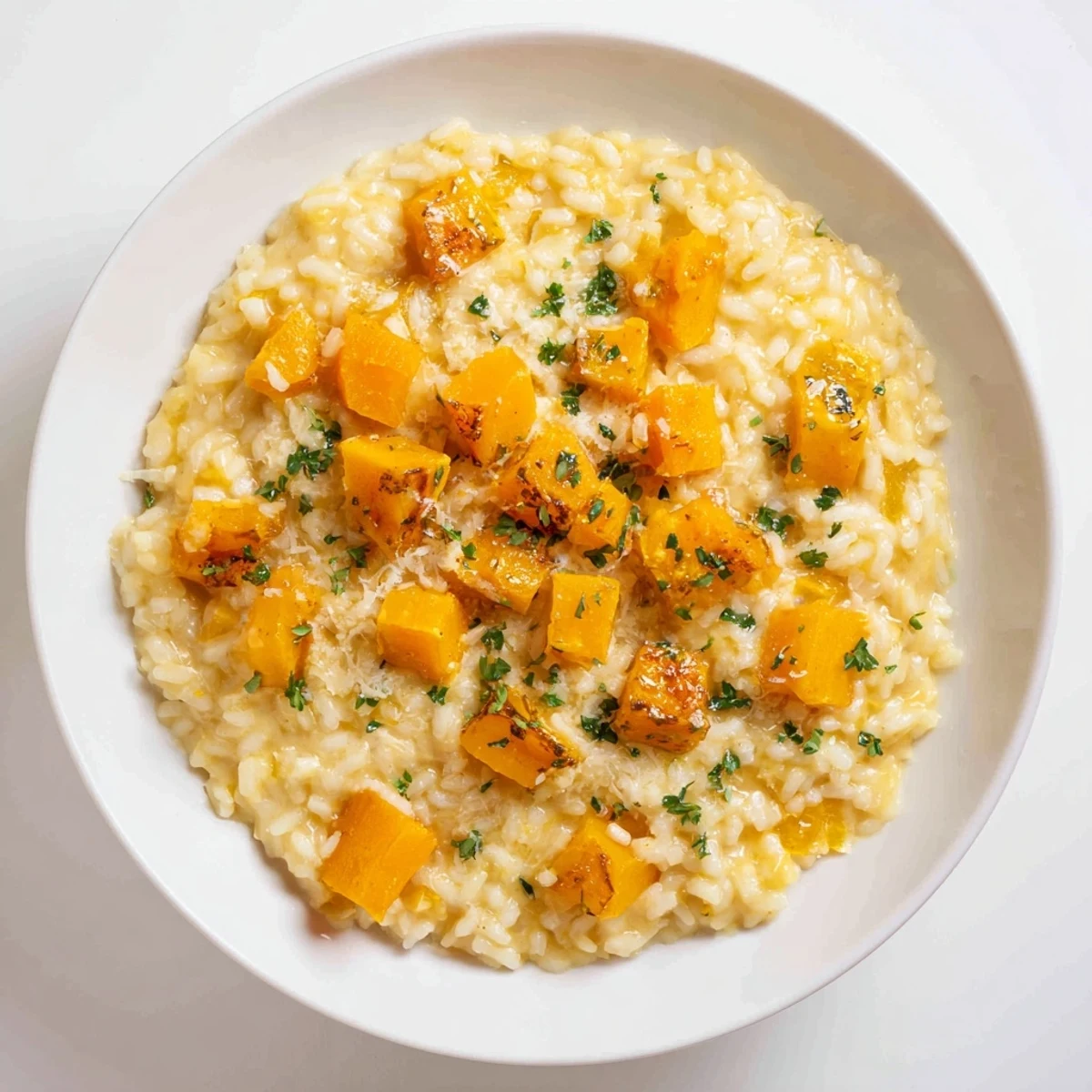
- Risotto waits for no one. Spoon into warm bowls and top each serving with a few of those reserved roasted squash cubes and extra grated Parmesan if you'd like. Serve right away while it's still steaming.
 Save to Pinterest
 Last winter, I made this risotto for my mother on her birthday, and she told me it reminded her of a restaurant she'd visited in Veneto years ago. Watching her close her eyes with each spoonful and smile—that's when cooking stopped being about following steps and became about creating moments. That bowl of risotto carried memories, seasons, and love in every creamy bite.
Why This Risotto Works Year-Round
Butternut squash risotto is often thought of as an autumn dish, but I've made it in every season. In spring, I add peas near the end. In summer, a splash of fresh basil works beautifully. Even in winter, when squash is abundant at markets, it becomes something warm and grounding on cold evenings. The technique is what matters—once you understand risotto, you can adapt it endlessly. The rice, the gentle stirring, the butter and cheese finish—those foundations are eternal. The squash is just one beautiful expression of it.
Pairing and Serving Ideas
Risotto is substantial enough to stand alone as a main course, but it becomes something more when you add a side. A simple green salad with lemon vinaigrette cuts through the richness beautifully. Roasted broccoli or sautéed mushrooms add textural contrast. I always pair it with a crisp white wine—a Pinot Grigio or Sauvignon Blanc complement the squash's sweetness while the acidity cleanses your palate between bites. Some nights, I'll crumble crispy sage leaves on top or add a generous grind of fresh black pepper. The risotto is forgiving and wants to work with you.
Variations and Personal Touches
Once you've mastered the basic technique, risotto becomes your canvas. I've substituted goat cheese for Parmesan and loved the tangy brightness it brought. A pinch of nutmeg added to the roasting squash deepens the autumnal flavor. Some nights I sauté sage leaves in butter separately and drizzle them over the top with a final shower of Parmesan. One friend adds a splash of amaretto for a subtle almond note that pairs beautifully with the squash. Another tops their bowl with toasted pumpkin seeds and crispy breadcrumbs for texture. The magic of risotto is that the foundation is strong enough to support your creativity.
- Try adding 1–2 tsp of fresh sage sautéed in butter for a more complex herb flavor
- A small pinch of nutmeg or cinnamon in the roasted squash brings out its natural sweetness
- For extra richness, stir in a splash of cream or a spoonful of mascarpone at the end, though the butter and Parmesan should already give you plenty of luxury
 Save to Pinterest
 Risotto teaches patience in the best way—there's no shortcut, only presence. Every time I make this butternut squash version, I'm reminded that the best meals come from slowing down and paying attention.
Recipe Questions & Answers
- → How do I prepare the butternut squash for roasting?
-
Peel and seed the squash, then dice it into 1 cm cubes. Toss with olive oil, salt, and pepper before roasting at 200°C (400°F) for 20–25 minutes until tender and caramelized.
- → What type of rice is best for this dish?
-
Arborio rice is ideal because its high starch content creates the creamy texture essential for risotto.
- → Can I use vegetable broth instead of chicken broth?
-
Yes, warm vegetable broth works well and keeps the dish vegetarian.
- → How do I achieve the perfect risotto consistency?
-
Slowly add warm broth one ladle at a time, stirring frequently, allowing rice to absorb liquid before adding more. This gradual process releases starch, yielding a creamy texture.
- → What can I substitute for Parmesan cheese?
-
Goat cheese offers a tangier flavor and creamy texture if you prefer an alternative to Parmesan.