
 Save to Pinterest
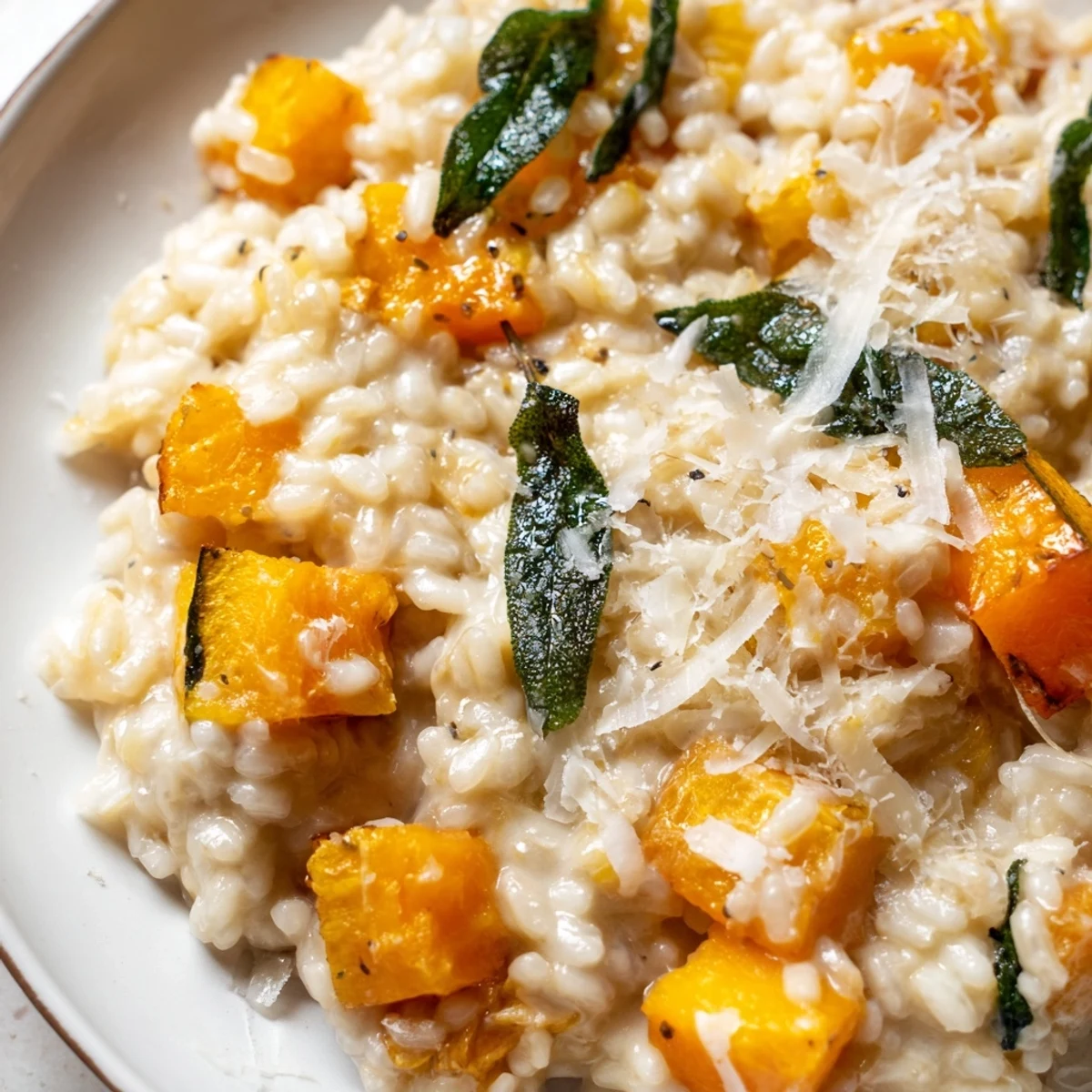
 This comforting dish combines creamy Arborio rice gently cooked with sweet roasted butternut squash. The risotto is enriched with butter and Parmesan cheese, resulting in a smooth, luscious texture. Crispy fried sage leaves add a flavorful, golden crunch on top, enhancing the autumnal character of the meal. Perfectly balanced with warming herbs and subtle seasoning, it offers a satisfying vegetarian option that pairs wonderfully with white wine.
There's something about October evenings that makes me crave risotto. I was standing in my kitchen, autumn rain pattering against the windows, when I spotted a butternut squash at the market that seemed to glow like it was lit from within. That's when I knew I had to make this—creamy Arborio rice with sweet roasted squash and those impossibly crispy sage leaves that shatter between your teeth. It's become my go-to dish when I want something that feels both comforting and elegant.
I made this for my sister's birthday dinner last year, and the moment everyone tasted it, the kitchen went quiet in that best way. Someone asked for the recipe before dessert was even served, and now it's become our annual autumn tradition. That's when I realized risotto isn't just food—it's an invitation to slow down together.
Ingredients
- Butternut squash: One medium squash, peeled and cut into 1 cm cubes, roasts into sweet golden pieces that anchor the whole dish.
- Arborio rice: Its high starch content is what makes the risotto creamy, so don't swap it for long-grain rice or you'll lose that signature texture.
- Vegetable stock: Keep it warm in a separate pot; cold stock shocks the rice and breaks the creamy texture you're building.
- Butter: Use unsalted so you control the salt, and divide it so you can crisp the sage and finish the risotto separately.
- Parmesan cheese: Freshly grated makes all the difference; pre-grated versions have anti-caking agents that make the risotto grainy.
- Fresh sage leaves: These become thin and crispy, nothing like dried sage—they're essential to the whole experience.
- Yellow onion: Finely chopped, it softens into the base and sweetens as it cooks.
- Garlic: Just two cloves minced, added after the onion so it doesn't burn.
Instructions
- Roast the squash first:
- Toss your diced butternut squash with olive oil, salt, and pepper, then spread it on a baking sheet and roast at 200°C for 20–25 minutes. You want the edges golden and caramelized, the insides tender. Halfway through, give the sheet a gentle shake so everything cooks evenly.
- Crisp the sage leaves:
- In your large pan, heat butter and olive oil together over medium heat, then lay the sage leaves flat in a single layer. They'll sizzle and turn crispy in just 1–2 minutes—listen for the sound to change, that's your signal. Scoop them out with a slotted spoon onto paper towels before they go from crispy to bitter.
- Build your base:
- In that same pan, add your finely chopped onion and let it soften for 4–5 minutes until it turns translucent and sweet. Stir in the minced garlic for just 1 minute—you're not cooking it long because garlic can turn harsh quickly.
- Toast the rice:
- Pour in your Arborio rice and stir constantly for about 2 minutes, coating every grain with the butter and oil. You'll notice the grains turn glossy and slightly opaque at the edges; that's exactly what you want.
- Begin the risotto dance:
- Pour in one ladle of warm stock and stir frequently, letting it absorb completely before adding the next ladle. This takes about 18–20 minutes total and requires your attention, but it's meditative—listen to the rice moving against the pan, watch the creaminess develop.
- Finish with love:
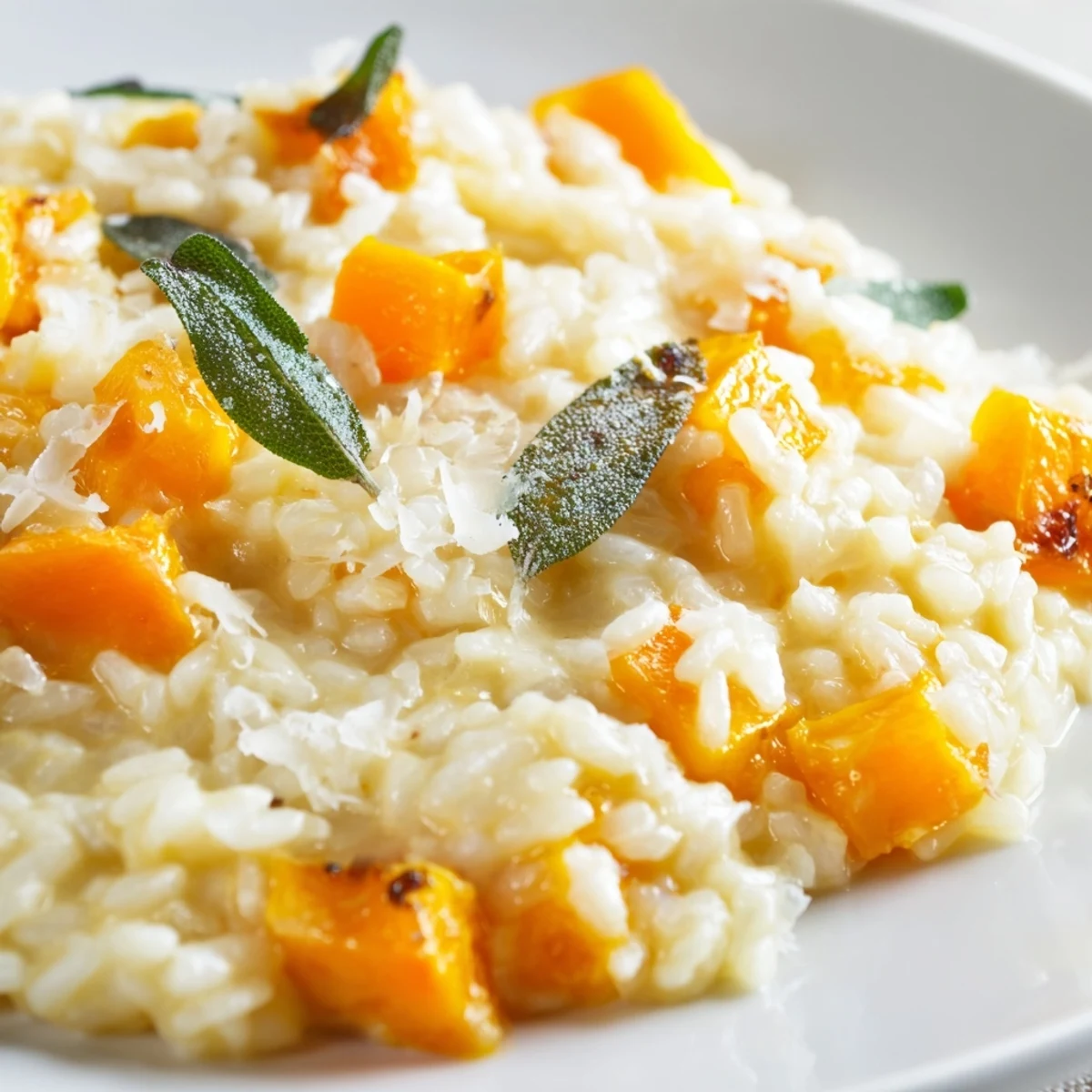
- When the rice is creamy and just barely al dente, fold in your roasted squash, then stir in the remaining butter and grated Parmesan. Taste, adjust salt and pepper, and serve immediately while it's still silky.
 Save to Pinterest
 I learned the hard way that timing is everything with this dish. Guests arrived early once, and I'd already added all my stock, so the risotto was sitting there getting gummy. Now I adjust my pace to the room, adding stock more slowly if I need to buy time. That's when cooking stopped feeling like following rules and started feeling like improvising with what you have.
The Secret of Roasting the Squash
Most risotto recipes stir raw squash right into the rice, which means the pieces break down and turn into mush, losing their sweetness. By roasting them separately, you get actual texture—edges that caramelize, a center that stays intact. The first time I did this deliberately, it changed everything about how I approached the dish. It's one of those small techniques that costs nothing extra but feels like you've unlocked a secret.
Wine and Stock Variations
If you want deeper flavor, you can replace half the vegetable stock with dry white wine—add it right after you toast the rice, let it absorb, then continue with the warm stock as normal. I save this version for when I'm cooking for people who appreciate wine, when I want to show off a little. The acidity cuts through the richness and makes the whole thing feel more sophisticated.
Making It Your Own
This risotto is flexible enough to welcome other vegetables if you're in the mood. I've added crispy pancetta for non-vegetarians, swirled in pumpkin puree for deeper autumn flavor, even stirred in fresh thyme from the garden. The structure stays the same—warm stock, constant stirring, finishing butter and cheese—but the flavors can shift with your mood and what's in your kitchen.
- If you make it vegan, use vegan butter and skip the Parmesan or use a plant-based version, though I'll admit it loses some magic.
- Pair this with a crisp white wine like Pinot Grigio, or drink what you used in the risotto itself.
- Leftovers can be pressed into a baking dish, topped with more sage and Parmesan, and baked the next day as risotto cakes.
 Save to Pinterest
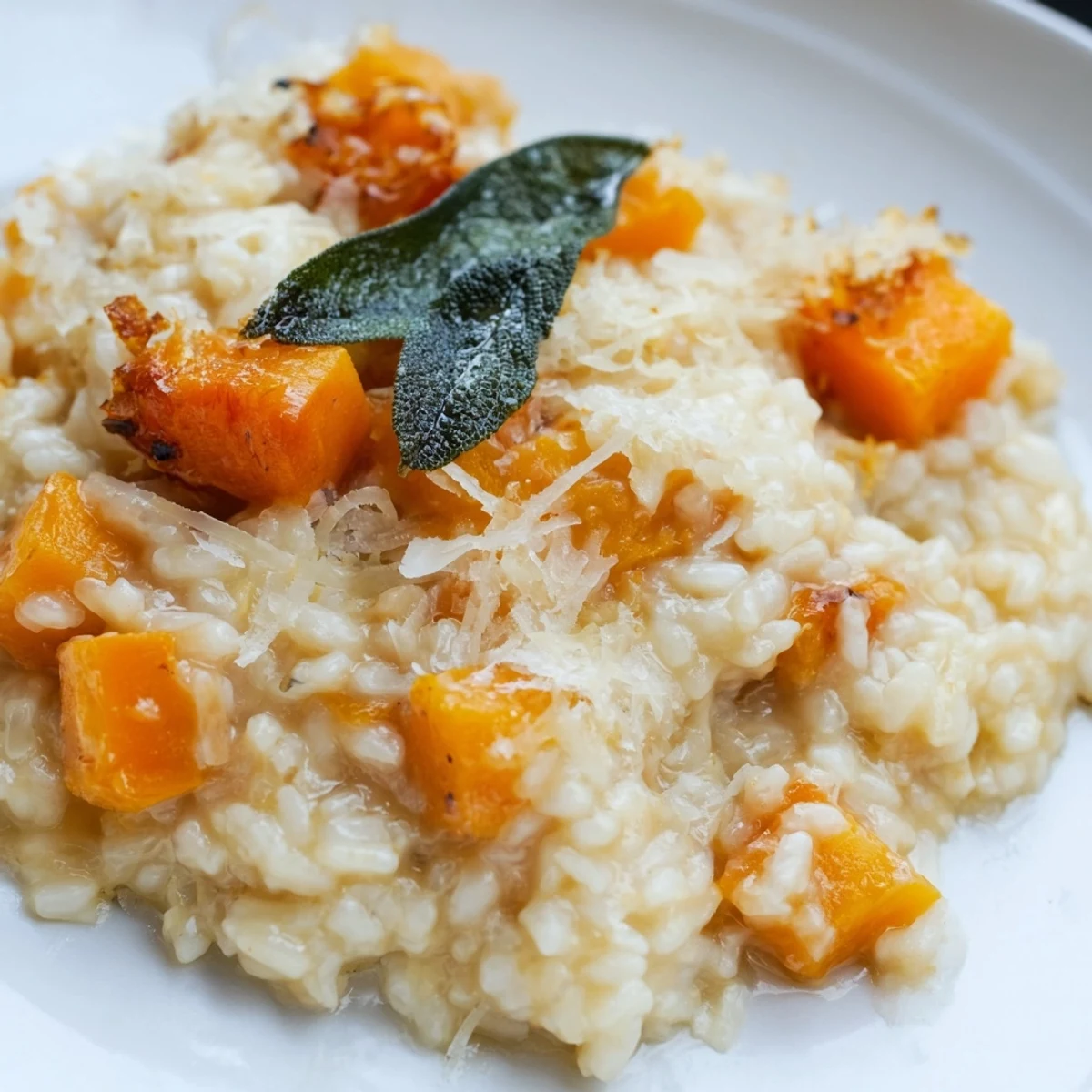
 This dish is pure comfort, the kind of thing that tastes like someone cares about you. Make it when you want to slow down, when you want to fill your kitchen with warmth and the smell of butter and sage.
Recipe Questions & Answers
- → What type of rice is best for this dish?
-
Arborio rice is ideal because its high starch content creates a creamy texture essential for this dish.
- → How do I achieve crispy sage leaves?
-
Fry fresh sage leaves in butter and olive oil over medium heat for 1-2 minutes until golden and crisp, then drain on paper towels.
- → Can I substitute the butternut squash?
-
Yes, similar winter squash varieties like kabocha or acorn squash can be roasted and used as a flavorful alternative.
- → What’s the recommended cooking time for roasting the squash?
-
Roast diced butternut squash at 200°C (400°F) for about 20-25 minutes until tender and golden.
- → How do I keep the risotto creamy without it being mushy?
-
Add warm vegetable stock gradually, stirring frequently and allowing each addition to absorb before adding more, achieving an al dente texture.
- → Is there an option to make this dish vegan?
-
Use vegan butter alternatives and omit Parmesan or replace with a plant-based cheese.