
 Save to Pinterest
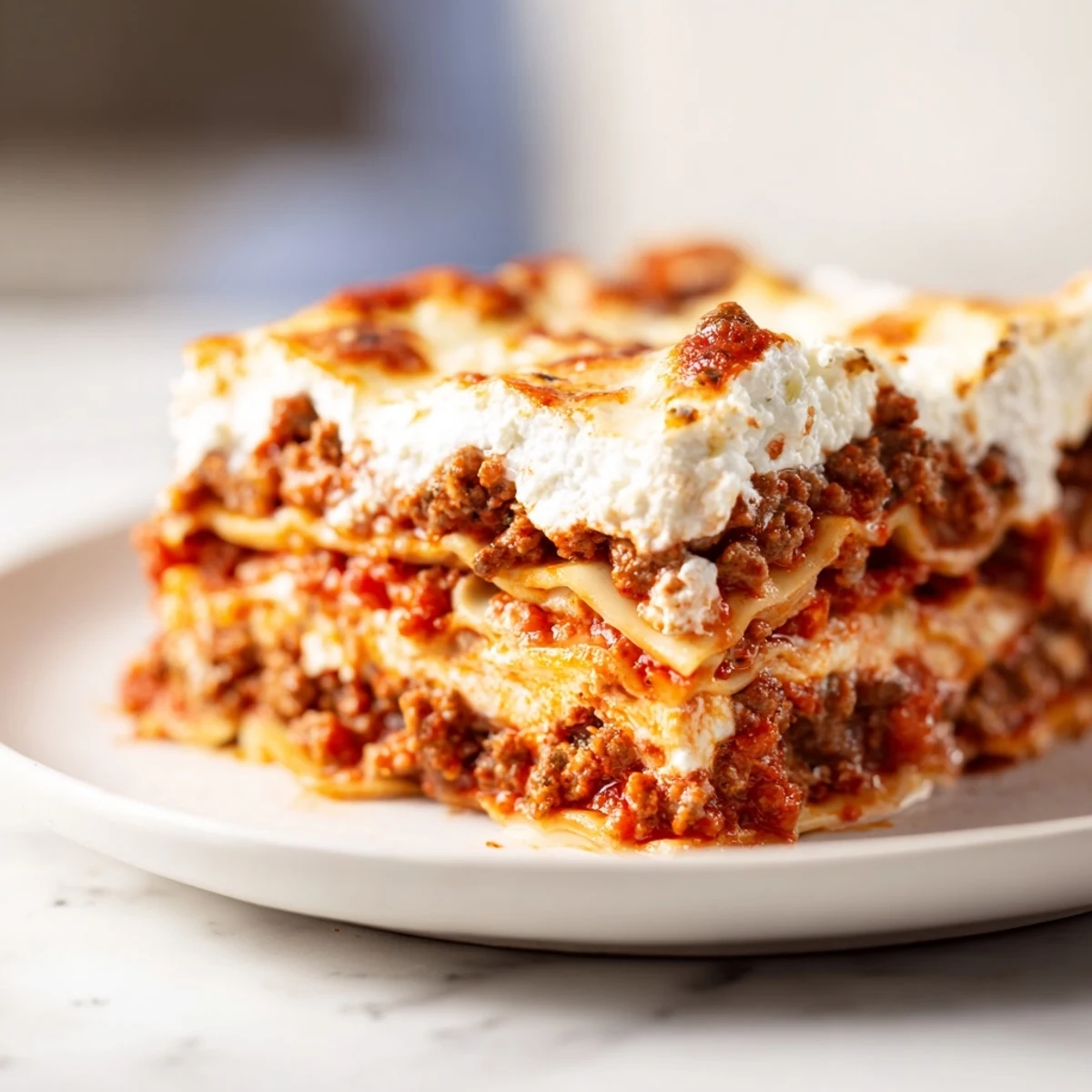
 This classic Italian dish features tender layers of seasoned ground beef simmered in a rich tomato sauce, paired perfectly with a creamy béchamel and an indulgent blend of mozzarella, Parmesan, and ricotta cheeses. The pasta sheets absorb flavors as the lasagna bakes to a bubbly, golden finish. A satisfying meal bringing comforting textures and bold Italian herbs together in every bite.
My nonna never wrote down her lasagna recipe, but I learned it by watching her move through the kitchen with the kind of certainty that only comes from making something a thousand times. One Sunday afternoon, while she stirred the meat sauce and the whole house filled with that unmistakable smell of tomato and garlic, she finally let me take over. She stood beside me, adjusting my grip on the wooden spoon, whispering corrections in Italian I only half understood. That's when I knew this wasn't just a dish—it was her way of saying I belonged here too.
I made this for my partner on a cold Tuesday night when everything felt heavy, and somehow watching the cheese bubble in the oven made things feel manageable again. We sat at the kitchen table with the dish still steaming, steam rising off each square, and didn't talk much—just let the food say what we needed. That's the power of a proper lasagna: it feeds more than your stomach.
Ingredients
- Olive oil: Use something you actually like tasting, because you'll notice it here in the foundation of your sauce.
- Onion and garlic: These are your base—don't skip the sautéing step or rush it, or your sauce will taste flat.
- Ground beef: A mix of lean and slightly fattier ground beef works better than either extreme, keeping the sauce silky instead of gritty.
- Crushed tomatoes: San Marzano tomatoes make a noticeable difference in the final flavor, if you can find them.
- Tomato paste: This concentrates the tomato flavor and adds a subtle sweetness that balances the acidity.
- Oregano and basil: Dried herbs are perfectly fine here—fresh basil scattered on top at the very end adds a brightness that feels like a last-minute gift.
- Sugar: Just a teaspoon, but it softens the tomato's edge in a way that makes people pause and ask what you did differently.
- Butter and flour: Your béchamel roux starts here, and the ratio matters more than you'd think.
- Whole milk: Cold milk whisked into a hot roux can seize up if you rush it, so patience actually changes the texture of your finished dish.
- Nutmeg: A whisper of it in the béchamel—just enough that people taste something they can't quite name.
- Lasagna noodles: No-boil saves time, but regular noodles give you a slightly better texture if you have the minutes to spare.
- Ricotta, mozzarella, and Parmesan: The three together create layers of flavor; don't try to substitute one for all three or you'll lose something essential.
Instructions
- Get your oven ready:
- Preheat to 375°F and let it come to temperature while you work. A proper oven temperature makes the difference between sauce that bubbles evenly and corners that brown too fast.
- Build your meat sauce foundation:
- Heat olive oil in a large skillet over medium heat, then add onion and let it turn soft and translucent—this takes about 4 minutes and smells like the beginning of something good. Add minced garlic and cook just until fragrant, maybe a minute, then add ground beef and break it apart with your spoon as it browns, which takes another 5 to 7 minutes.
- Finish the meat sauce:
- Drain any excess fat carefully, then stir in crushed tomatoes, tomato paste, oregano, basil, salt, pepper, and sugar. Add water and let everything simmer uncovered for 20 to 25 minutes, stirring occasionally—you're waiting for the sauce to deepen in color and for the flavors to start speaking to each other.
- Make your béchamel while the meat sauce simmers:
- In a separate saucepan, melt butter over medium heat, then whisk in flour and cook for 1 to 2 minutes until it smells nutty and looks pale golden. Gradually pour in milk while whisking constantly, which is the part that prevents lumps—patience here pays off.
- Cook the béchamel until it coats the back of a spoon:
- Keep whisking until the mixture thickens, about 5 to 7 minutes, then season with nutmeg, salt, and white pepper. The nutmeg is the secret people don't see coming.
- Layer everything in your baking dish:
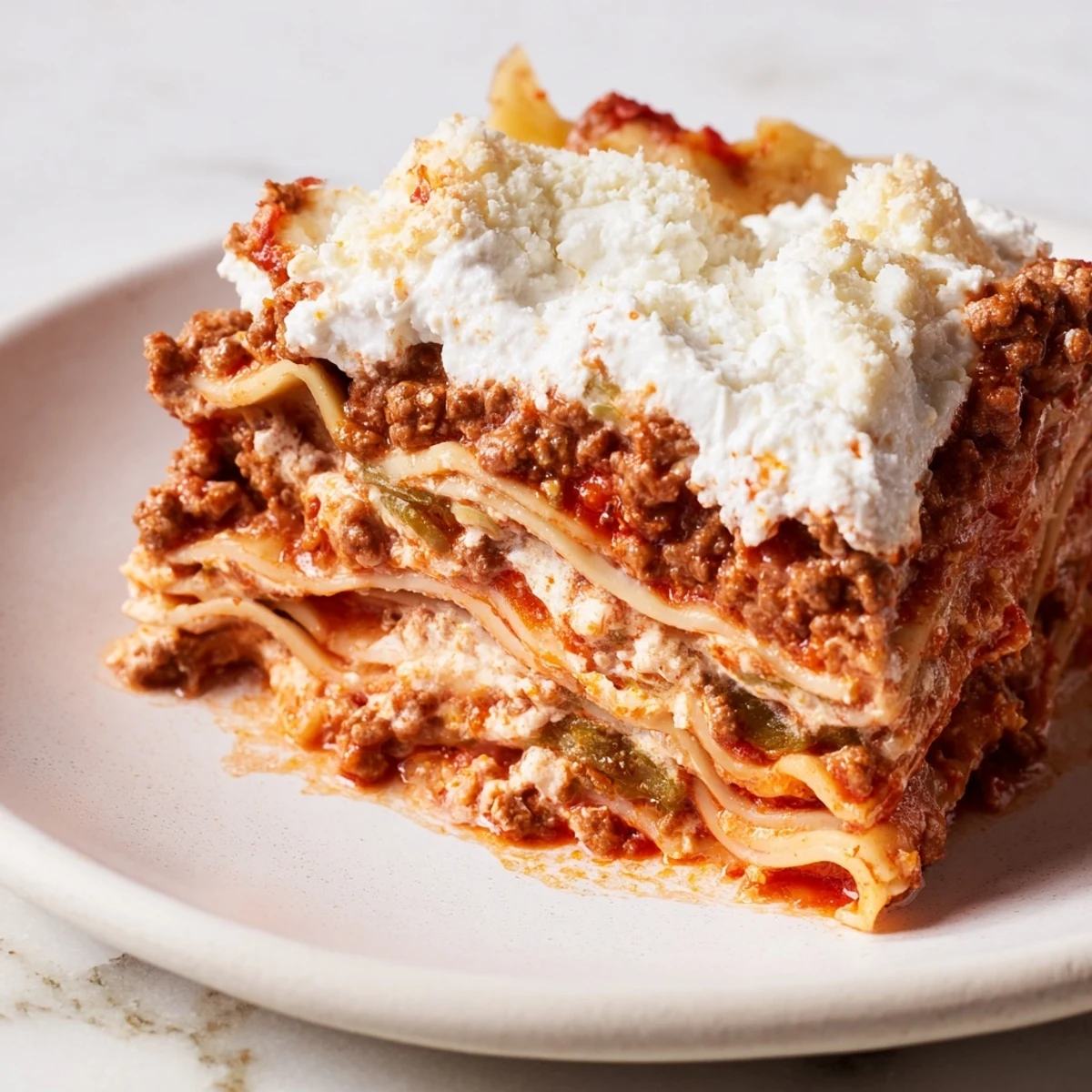
- Start with a thin layer of meat sauce on the bottom, then noodles, then 1/3 of the béchamel, then 1/3 of the remaining meat sauce, then small dollops of ricotta scattered across, then a sprinkle of mozzarella and Parmesan. Repeat this pattern two more times, finishing with sauce and cheese on top.
- Bake covered, then uncovered:
- Cover with foil and bake for 30 minutes, then remove the foil and bake another 15 to 20 minutes until the top is golden and bubbling at the edges. This two-step approach keeps the inside from drying out while giving you that perfect crust on top.
- Rest before serving:
- Let it sit for 10 to 15 minutes after it comes out of the oven—this lets everything settle and makes the squares hold together when you slice them.
 Save to Pinterest
 My mother-in-law once told me that the sign of a real lasagna is when people eat in silence, and I've never forgotten that. When this dish is made right, it stops conversations and makes people present in a way few foods can.
The Sauce Matters Most
I spent years thinking the cheese was the star of lasagna until I understood that the meat sauce is actually where all the flavor lives. The longer it simmers, the more the individual flavors meld into something that tastes less like separate ingredients and more like a single, complex thing. If you have an extra 10 minutes, let it go longer—your future self will taste the difference and wonder why restaurants never seem to get this right.
Why This Works as Comfort Food
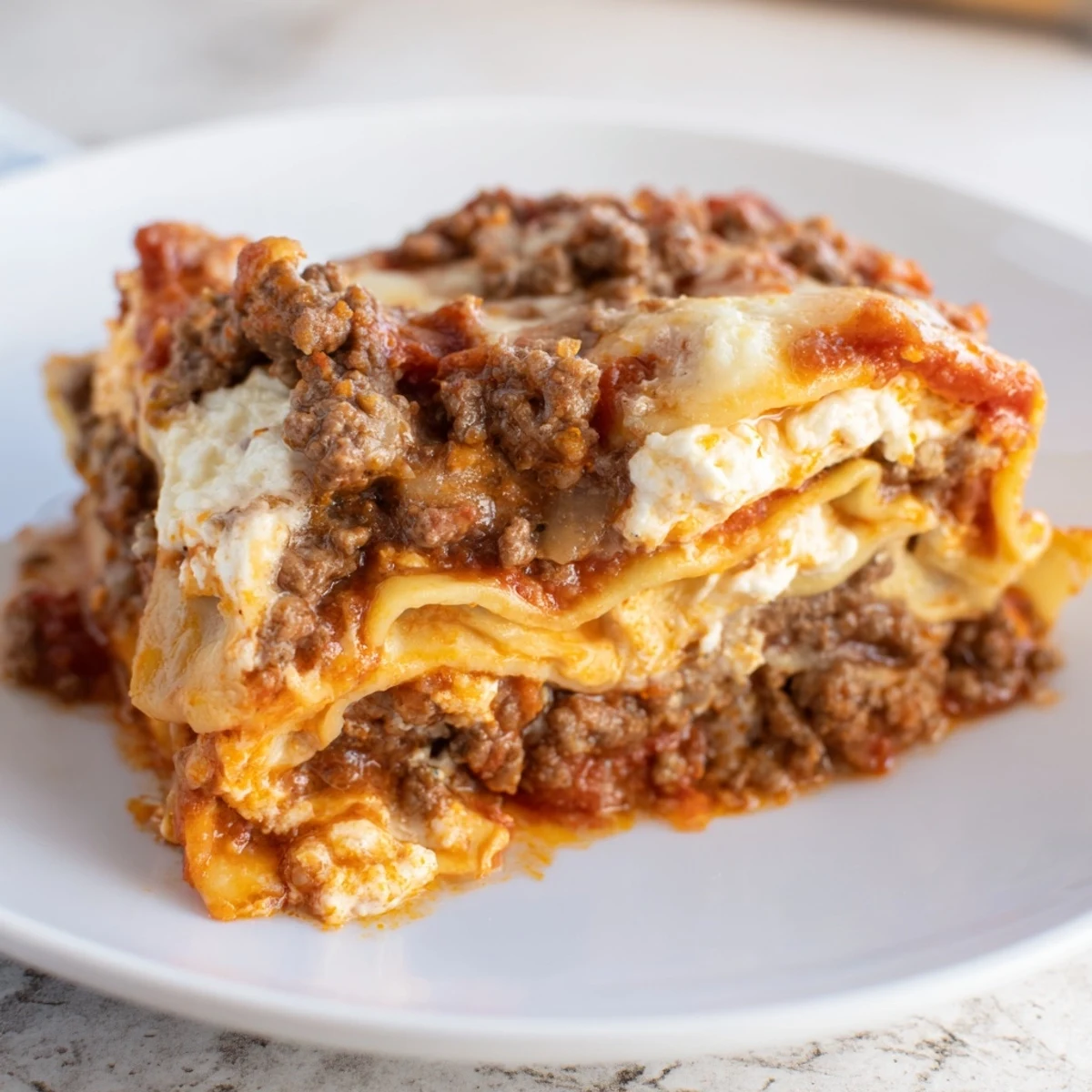
There's something about the structure of lasagna that makes it feel intentional and special, even when you're eating it alone on a Tuesday night. The layers mean every bite gets multiple textures and flavors at once—crispy edges, creamy middle, warm cheese, rich sauce. It's abundant without being showy, and it fills you in a way that feels earned rather than rushed.
Make It Your Own
This is the kind of recipe that improves with your personal touches—add red wine to the sauce if you have an open bottle, stir in fresh herbs at the end, or use ground turkey if that's what you reach for. The structure holds strong enough that you can adjust without breaking anything. Here are a few ways I've made it mine:
- A splash of red wine stirred in with the meat deepens the sauce in ways that feel almost alchemical.
- Fresh basil or parsley scattered on top right after it comes out of the oven tastes like a gift you're giving yourself.
- A crisp green salad and good bread beside it turn this from dinner into an experience.
 Save to Pinterest
 This is the lasagna I've made for birthdays, breakups, celebrations, and ordinary Sundays that turned out to matter. It's taught me that some recipes are really just excuses to slow down and feed people you care about.
Recipe Questions & Answers
- → What type of meat is best for the sauce?
-
Ground beef is commonly used for a rich flavor, but ground turkey or pork can be substituted for a lighter taste.
- → How do I prevent the béchamel from lumping?
-
Whisk the milk gradually into the butter-flour mixture while heating gently and stirring constantly until thickened.
- → Can I use regular or no-boil noodles?
-
Both types work well; regular noodles should be cooked according to package directions before layering.
- → What herbs enhance the meat sauce flavors?
-
Dried oregano and basil add authentic Italian aroma and depth to the meat sauce.
- → How long should the dish rest before serving?
-
Let the lasagna stand 10–15 minutes after baking to allow layers to settle for easier slicing.