
 Save to Pinterest
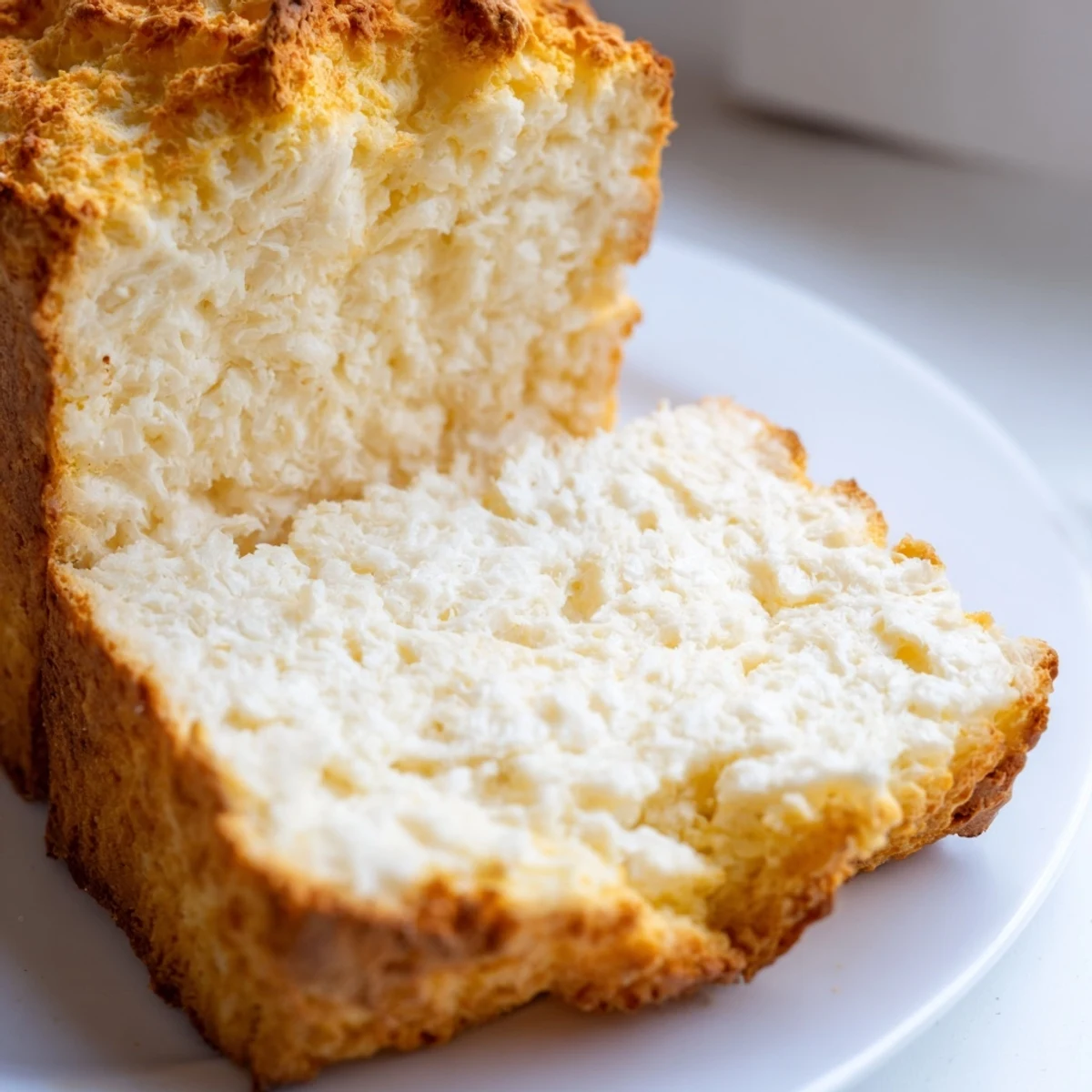
 This tender loaf combines creamy cottage cheese with basic pantry ingredients to create a protein-rich bread that's perfect for any meal. The cottage cheese adds moisture and a subtle tang while keeping the texture incredibly soft. After kneading and two rise periods, you'll have a golden loaf that slices beautifully for sandwiches or morning toast.
The dough comes together in about 20 minutes of active prep time, then requires patience during the rising phases. The result is worth the wait—a versatile bread that enhances both sweet and savory toppings. Fresh herbs like chives or dill can be folded into the dough for extra flavor dimensions.
The snow was falling hard that Sunday when I first baked this cottage cheese bread. I had half a container of cottage cheese leftover from breakfast and nothing else in the house except the basics. Something about mixing dairy into bread dough seemed wrong, but my grandmother always swore by it. That first loaf came out of the oven with the most golden crust I'd ever achieved, and the inside was impossibly soft.
My daughter came home from college unexpectedly that weekend. She walked through the door right when I pulled the loaf from the oven, the smell of warm butter and yeasted dough filling the entryway. We sat at the counter eating thick slices with butter, still warm, and she told me this was the best bread I'd ever made. Now she requests it every time she visits.
Ingredients
- All-purpose flour: Three cups provides the right structure while keeping the loaf tender
- Granulated sugar: Feeds the yeast and helps the crust caramelize beautifully
- Salt: Essential for flavor development dont reduce this amount
- Active dry yeast: One standard packet gives reliable rise every time
- Cottage cheese: Room temperature curds incorporate smoothly and add protein
- Warm milk: Should feel like bath temperature about 100°F to activate yeast
- Unsalted butter: Melted butter coats the protein strands for a softer crumb
- Large egg: Adds richness and helps the bread hold its shape when sliced
Instructions
- Whisk the dry foundation:
- Combine flour sugar salt and yeast in a large bowl making sure everything is evenly distributed before adding any wet ingredients
- Blend the creamy mixture:
- Whisk cottage cheese warm milk melted butter and egg until completely smooth with no visible curds remaining
- Bring dough together:
- Pour the wet ingredients into the dry and mix with a wooden spoon until a shaggy sticky dough forms
- Knead until elastic:
- Turn onto a floured surface and knead for about 8 minutes adding just enough flour to keep it from sticking but not so much that it becomes stiff
- First rise:
- Place dough in a greased bowl cover with a towel and let rise in a warm spot until doubled about one hour
- Shape the loaf:
- Punch down gently press into a rectangle and roll tightly into a cylinder pinching the seam closed before placing in your greased loaf pan
- Second rise:
- Cover and let the shaped dough rise for 30 minutes until it crests about an inch above the pan rim
- Bake to golden perfection:
- Bake at 350°F for 35 minutes until the top is deeply golden and the bottom sounds hollow when tapped
- Cool completely:
- Let the loaf rest in the pan for 10 minutes then turn out onto a wire rack to cool before slicing
 Save to Pinterest
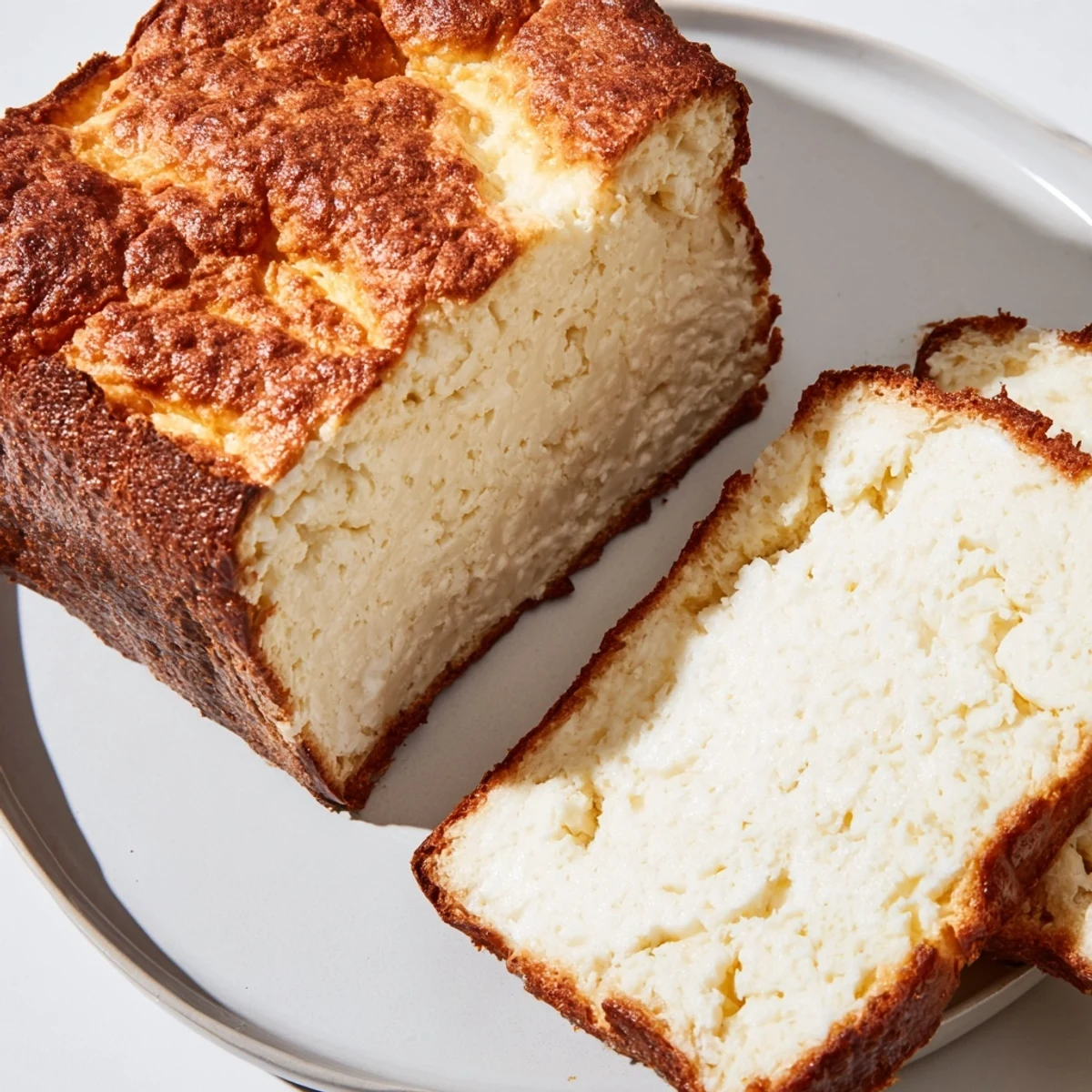
 Last summer I made this bread for a neighborhood potluck. Someone asked if it was brioche because of how tender and rich it tasted. When I told them it was cottage cheese they couldnt believe it. Now three other families on our block make it regularly.
Getting The Right Rise
Your dough needs warmth to rise properly. I use my oven with just the light on the gentle heat creates the perfect environment. Drafty windows can cause uneven rising so find a cozy corner away from any cold air currents.
Shaping For Even Baking
Press the dough into a rough rectangle about the width of your pan before rolling it up. This technique eliminates large air pockets that can create ugly tunnels in your finished loaf. Tuck the ends under neatly so the bread bakes with straight smooth sides.
Storage And Freezing
This bread freezes exceptionally well which is why I often bake two loaves at once. Wrap cooled loaves tightly in plastic then foil before freezing. Thaw overnight on the counter and refresh in a 350°F oven for 10 minutes to restore that fresh baked texture.
- Slice before freezing so you can grab just what you need
- Toast day old bread to bring back the tender crumb
- Store at room temperature in a paper bag for up to four days
 Save to Pinterest
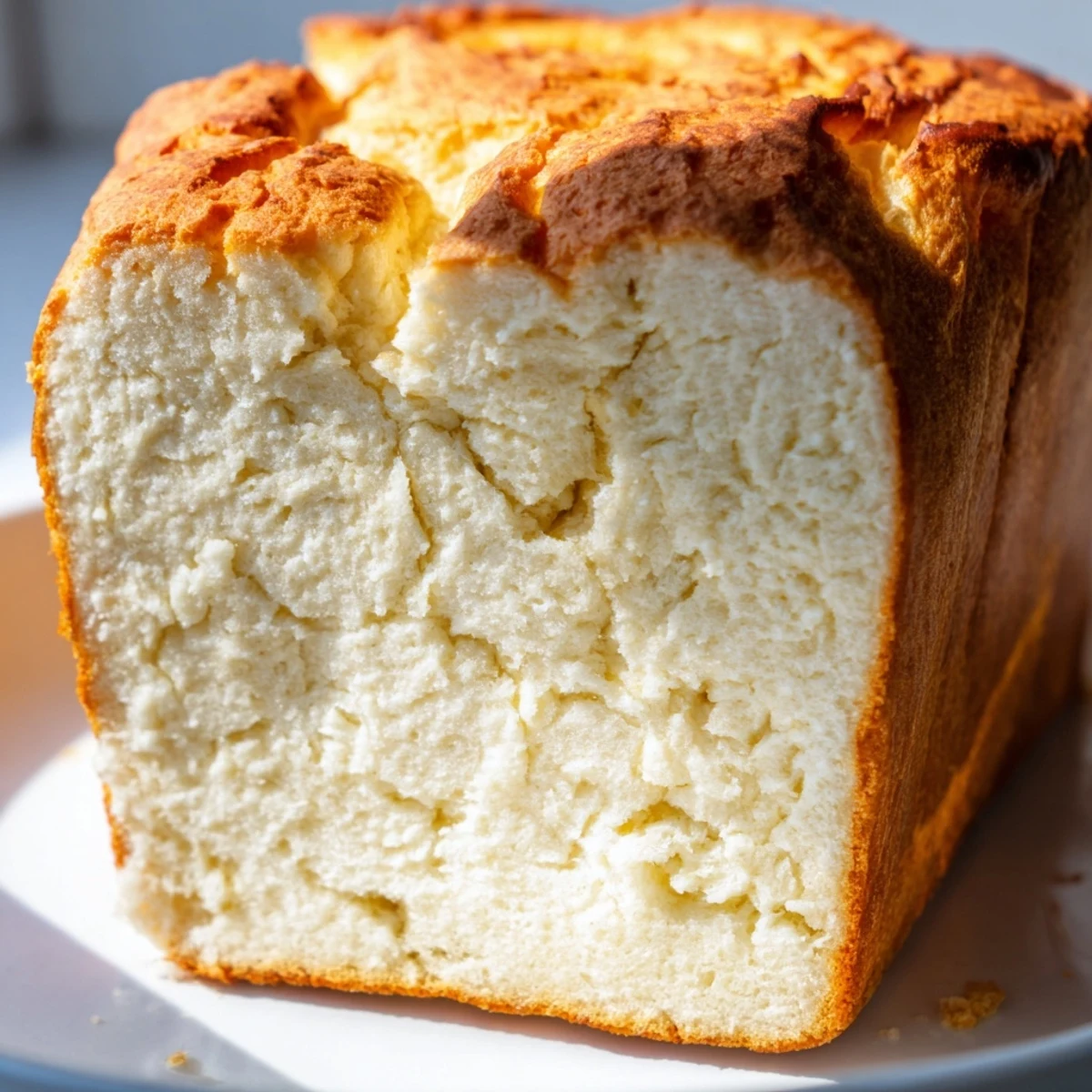
 Theres something deeply satisfying about turning a simple ingredient like cottage cheese into something extraordinary. This bread has become my go to for comfort and sharing.
Recipe Questions & Answers
- → Why use cottage cheese in bread?
-
Cottage cheese adds protein and moisture to the dough, resulting in a tender texture and subtle tang. The curds break down during mixing, creating a soft, enriched loaf without needing heavy cream or excessive fat.
- → Can I use low-fat cottage cheese?
-
Yes, low-fat cottage cheese works well in this loaf. The texture may be slightly less tender, but you'll still achieve a moist, protein-rich bread. Full-fat creates the softest crumb.
- → How should I store this bread?
-
Keep the loaf wrapped at room temperature for up to 3 days. For longer storage, slice and freeze in an airtight bag. Thaw slices on the counter or toast directly from frozen.
- → Can I make this dairy-free?
-
Substitute the cottage cheese with dairy-free cream cheese or silken tofu blended with lemon juice. Use plant-based milk and vegan butter or coconut oil instead of dairy butter.
- → Why is my dough sticky?
-
Sticky dough is normal with cottage cheese bread due to the moisture content. Add flour gradually while kneading—just enough to handle the dough without drying it out. The dough should remain slightly tacky.
- → Can I add mix-ins to this loaf?
-
Absolutely. Fresh herbs like chives, dill, or rosemary work beautifully. You can also add shredded cheese, garlic, or sun-dried tomatoes. Fold in additions during the final kneading stage.