
 Save to Pinterest
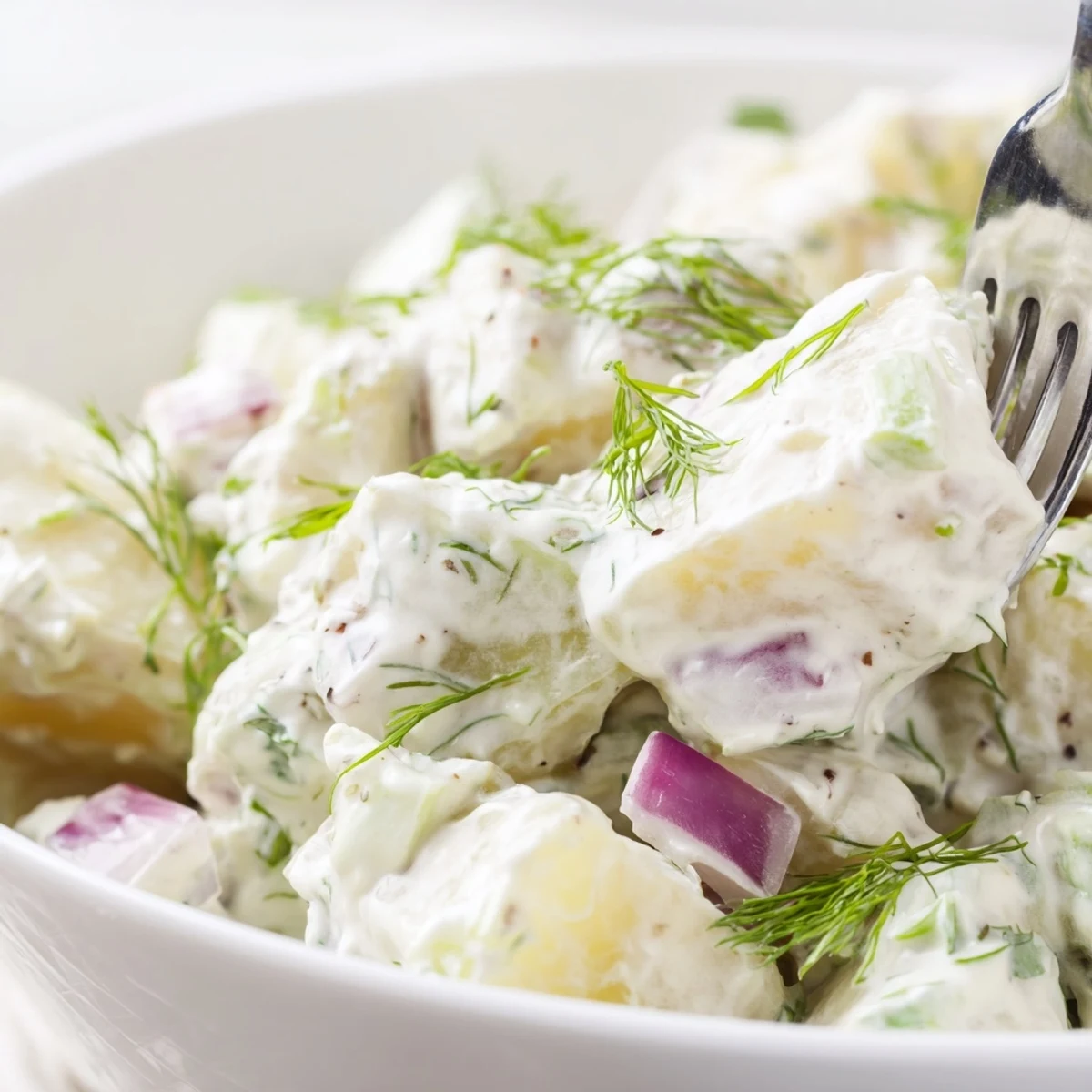
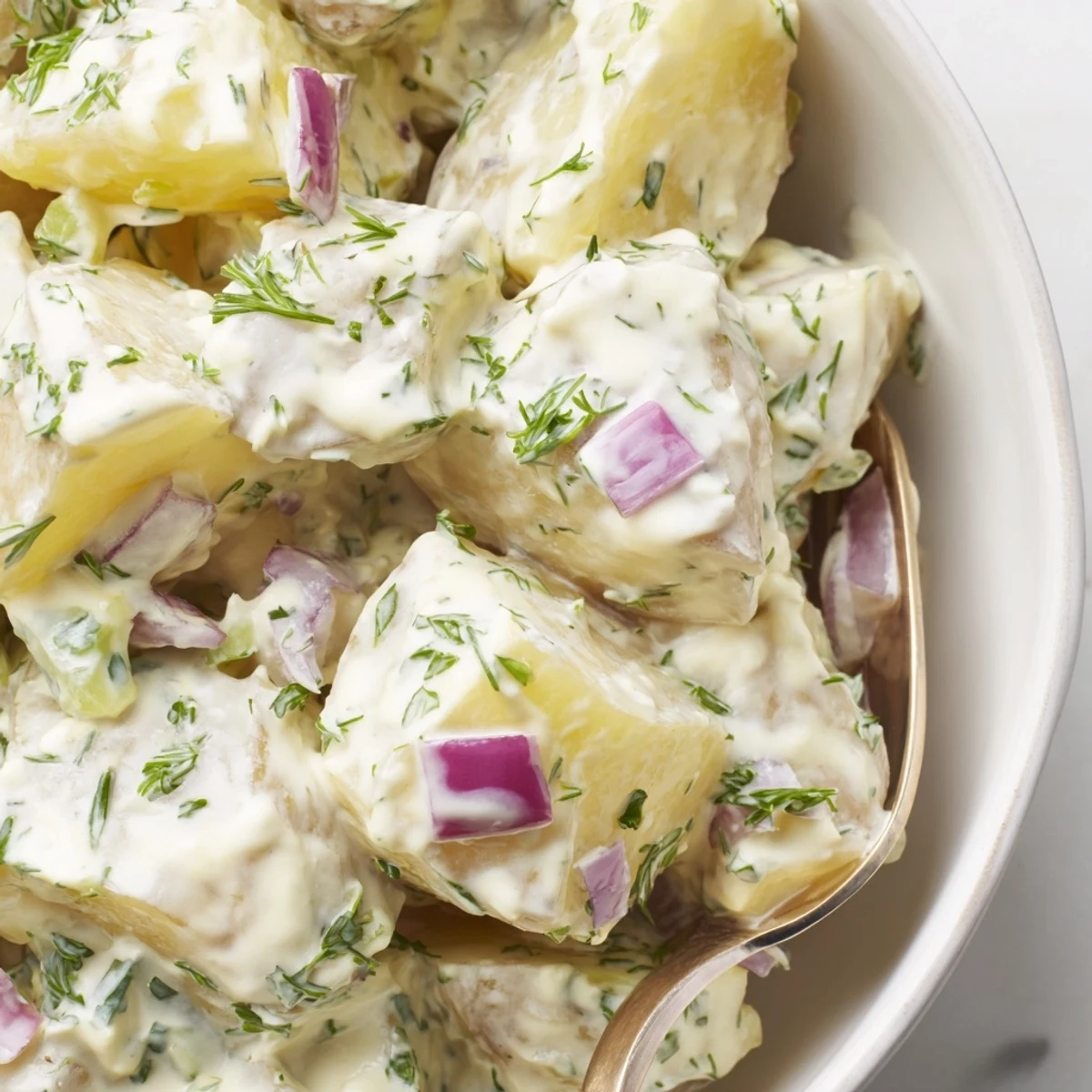
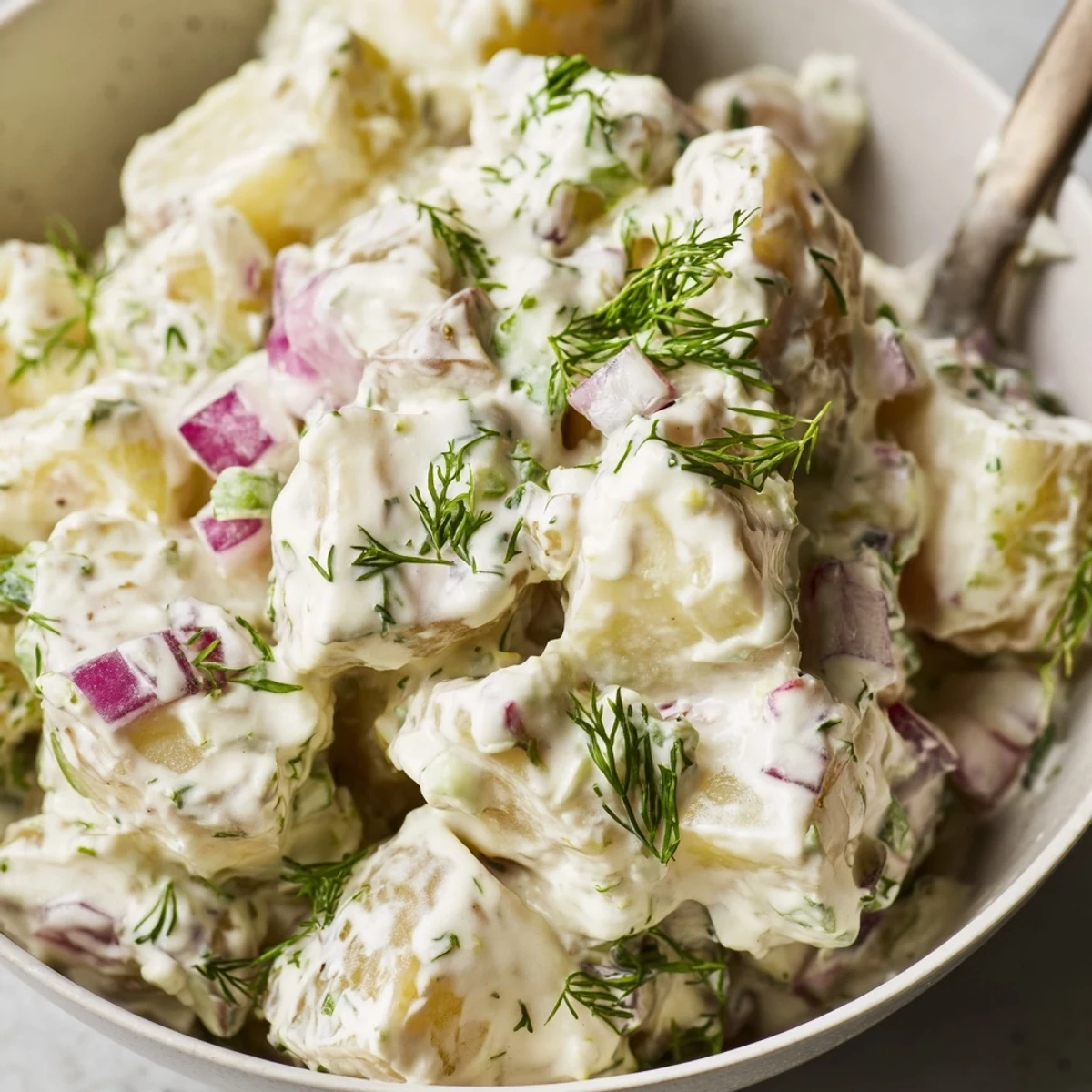
 This traditional side dish combines cubed Yukon Gold potatoes with a smooth mixture of mayonnaise, sour cream, and Dijon mustard. Fresh celery, red onion, and dill add crunch and vibrant flavor. Simply boil the potatoes until tender, coat them in the tangy dressing, and chill for at least an hour to meld the flavors. It is an excellent accompaniment for grilled meats or outdoor gatherings.
My neighbor brought over a potato salad one summer afternoon, the kind that tasted like vinegar and cream without being heavy, and I realized I'd been making the same boring version for years. The secret, she told me, was patience—letting the warm potatoes drink in the dressing before chilling. Now I make it constantly, and it's become the dish people ask for by name.
I served this at a Fourth of July potluck where someone's German potato salad had everyone debating warm versus cold, and I watched people take seconds of mine quietly, without the drama. That's when I knew it had staying power.
Ingredients
- Yukon Gold or red potatoes (1.5 lbs), cut into 1-inch cubes: These waxy varieties hold their shape when boiled instead of turning to mush, and their buttery flavor pairs perfectly with tangy dressing.
- Mayonnaise (2/3 cup): The backbone of the dressing—use good quality if you can, since there's nowhere for mediocre mayo to hide.
- Sour cream (1/4 cup): This adds tang and cuts through the richness without making the salad taste thin or vinegary.
- Dijon mustard (2 tbsp): Not spicy, just sophisticated and warm, bringing depth that plain yellow mustard can't match.
- Apple cider vinegar (2 tbsp): The gentle acidity that makes you take another bite—white vinegar tastes too sharp by comparison.
- Sugar (1 tsp), salt (1/2 tsp), and black pepper (1/4 tsp): These balance the dressing so nothing tastes like a single note.
- Celery and red onion, finely diced: The crunch and bite that keeps this from feeling one-dimensional on your tongue.
- Fresh dill (1/4 cup) and chives (2 tbsp): Dill is non-negotiable here—dried versions turn dusty and lose the magic that makes this feel summery and alive.
Instructions
- Boil the potatoes until just tender:
- Cover your cubed potatoes with cold salted water, bring to a boil, then reduce heat and simmer for 10-12 minutes until a fork slides through easily but they're not falling apart. This matters more than you'd think—overcooked potatoes turn into starchy mush that absorbs dressing like a sponge and loses its texture.
- Cool them on a baking sheet:
- Spread them out to release steam for 10 minutes, which stops them from cooking further and allows them to absorb the dressing while still warm. Warm potatoes drink in flavor; cold ones stay stubborn.
- Whisk the dressing until smooth:
- Combine mayo, sour cream, mustard, vinegar, sugar, salt, and pepper in a large bowl, whisking until there are no streaks. This takes about a minute and ensures even flavor distribution.
- Combine and toss gently:
- Add the cooled potatoes, celery, onion, dill, and chives to the dressing and fold everything together with a rubber spatula or wooden spoon, turning gently so potatoes stay intact. This is not a time to be aggressive.
- Taste and adjust, then chill:
- Taste a spoonful and add more salt or vinegar if needed—flavors seem muted when everything is room temperature, so trust your palate. Cover and refrigerate for at least an hour so flavors meld and everything gets properly cold.
- Garnish just before serving:
- Fresh dill sprigs on top brighten the presentation and remind people what makes this special.
 Save to Pinterest
 My daughter once said this potato salad tasted like summer felt, which is the kind of thing kids say that makes you realize a recipe has become something more than instructions on a page. Now I make it whenever someone needs comfort without fuss.
The Dressing Matters More Than You Think
The ratio of mayo to sour cream is what separates this from dense, boring potato salad—the sour cream adds tang and keeps it lighter, while the vinegar and mustard add complexity so it never tastes one-note. I've tried substituting Greek yogurt for lighter versions, and it works, though you lose a little richness that makes this feel indulgent.
Making It Your Own
Some people swear by adding a splash of pickle juice to the dressing for extra tang, and they're not wrong—it adds a subtle background note that makes people ask what's in it. I've also seen versions with hard-boiled eggs stirred in, or a handful of crispy bacon crumbled on top, and both turn this into different versions of great rather than betraying the original.
Storage and Make-Ahead Tips
This is one of those rare side dishes that genuinely tastes better the next day, as if the flavors continue getting to know each other in the fridge. Making it a day ahead takes pressure off your cooking timeline and means you can focus on other dishes.
- Keep it covered and refrigerated for up to three days, though the dill starts to lose its brightness after that.
- If the salad seems dry after sitting overnight, stir in a tablespoon of mayo or sour cream to refresh it.
- Don't garnish with fresh dill until you're about to serve, so it stays vibrant and green rather than turning dark.
 Save to Pinterest
 This potato salad has become my answer to every potluck invitation and summer gathering, reliable and quietly beloved. Once you make it, you'll understand why it keeps coming back to tables year after year.
Recipe Questions & Answers
- → Can I make this ahead of time?
-
Yes, it actually tastes better after chilling. You can make it up to a day in advance to let the flavors meld.
- → What potatoes work best?
-
Yukon Gold or red potatoes are ideal because they hold their shape well after boiling and have a creamy texture.
- → How do I make it vegan?
-
Substitute the mayonnaise and sour cream with plant-based alternatives to maintain the creamy texture without dairy.
- → How long should I boil the potatoes?
-
Simmer the cubes for about 10 to 12 minutes. They are done when a fork slides in easily but they are not falling apart.
- → Can I use dried herbs instead?
-
Fresh dill is recommended for the best flavor, but you can use dried dill in a smaller quantity if fresh is unavailable.