
 Save to Pinterest
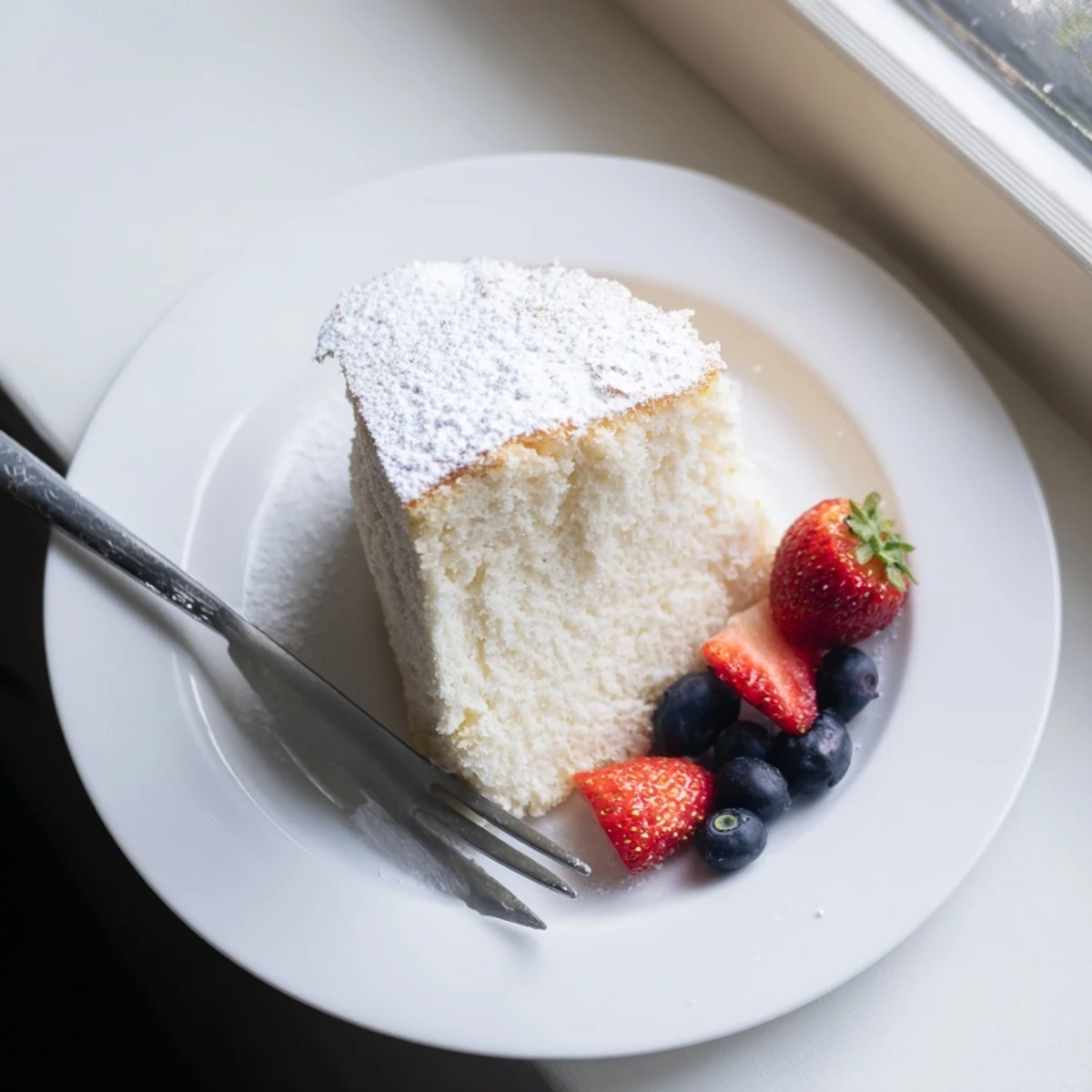
 This delicate European-style dessert combines creamy Greek yogurt with whipped egg whites to create an exceptionally light, cloud-like texture. The batter achieves its signature fluffiness through carefully folding stiff peaks into the yogurt-enriched base, resulting in a tender crumb that practically melts in your mouth.
Lemon zest adds bright, citrusy notes that complement the subtle tang of full-fat yogurt, while the addition of cornstarch ensures a soft, velvety consistency. The method requires attention when incorporating the whipped whites—gentle folding preserves the air bubbles that make this cake so remarkably airy.
Baked at a moderate temperature, the exterior develops a pale golden crust while the interior remains incredibly moist and tender. Finished with a dusting of powdered sugar and fresh berries, this elegant treat works beautifully for afternoon tea gatherings, special celebrations, or whenever you desire a dessert that feels indulgent yet refreshingly light.
The first time I made this cake, my husband walked into the kitchen just as I was folding in the egg whites. He asked why I was being so gentle, and I told him I was literally trying to capture air. The whole process felt almost meditative, like I was conducting a quiet science experiment right there at the counter.
I made this for my mothers birthday last spring when she mentioned she wanted something that would not weigh her down after dinner. Watching her take that first bite, close her eyes, and immediately ask for the recipe was one of those perfect kitchen moments I will not forget.
Ingredients
- All-purpose flour: Creates the structure while keeping things tender, and I have learned that measuring by weight makes a huge difference here.
- Cornstarch: This is the secret weapon that gives the cake its signature cloud-like softness, so do not skip it.
- Baking powder: Provides that extra lift to ensure the cake does not collapse as it cools.
- Salt: Just a pinch balances the sweetness and brings all the flavors together.
- Eggs, separated: The yolks add richness while the beaten whites create the airy structure, so take your time separating them carefully.
- Granulated sugar: Divided use is crucial here, with some for the yolks and the rest to stabilize the egg whites properly.
- Vegetable oil: Keeps the cake incredibly moist without weighing it down the way butter sometimes can.
- Full-fat Greek yogurt: Adds creaminess and a subtle tang that cuts through the sweetness beautifully.
- Vanilla extract: Pure vanilla makes all the difference in such a delicate cake.
- Lemon zest: Brightens everything up and makes the flavor pop without being overwhelming.
- Powdered sugar: For that final dusting that makes it look absolutely stunning on the table.
- Fresh berries: The tartness of raspberries or strawberries pairs perfectly with the light sweetness.
Instructions
- Prepare your oven and pan:
- Preheat to 325°F and line only the bottom of your pan with parchment. Leaving the sides ungreased helps the cake climb upward as it bakes.
- Whisk the dry ingredients:
- Combine flour, cornstarch, baking powder, and salt in a bowl, then set it aside while you work on the wet ingredients.
- Beat the egg yolks:
- Whisk yolks with half the sugar until they turn pale and creamy, then mix in the oil, yogurt, vanilla, and lemon zest until completely smooth.
- Fold in the dry ingredients:
- Gently incorporate the flour mixture until just combined, being careful not to overwork the batter at this stage.
- Beat the egg whites:
- In a completely clean bowl, whip the whites until soft peaks form, then gradually add the remaining sugar and beat until stiff and glossy.
- Combine everything:
- Fold one-third of the whites into the batter to lighten it, then gently fold in the remaining whites in two more additions, stopping as soon as no white streaks remain.
- Bake to perfection:
- Pour the batter into your prepared pan, smooth the top, and bake for 40 to 45 minutes until set and a toothpick comes out clean.
- Cool carefully:
- Let the cake rest in the pan for 10 minutes, then run a knife around the edge and invert onto a wire rack to cool completely.
- Serve with love:
- Dust generously with powdered sugar and arrange fresh berries on top right before serving for the prettiest presentation.
 Save to Pinterest
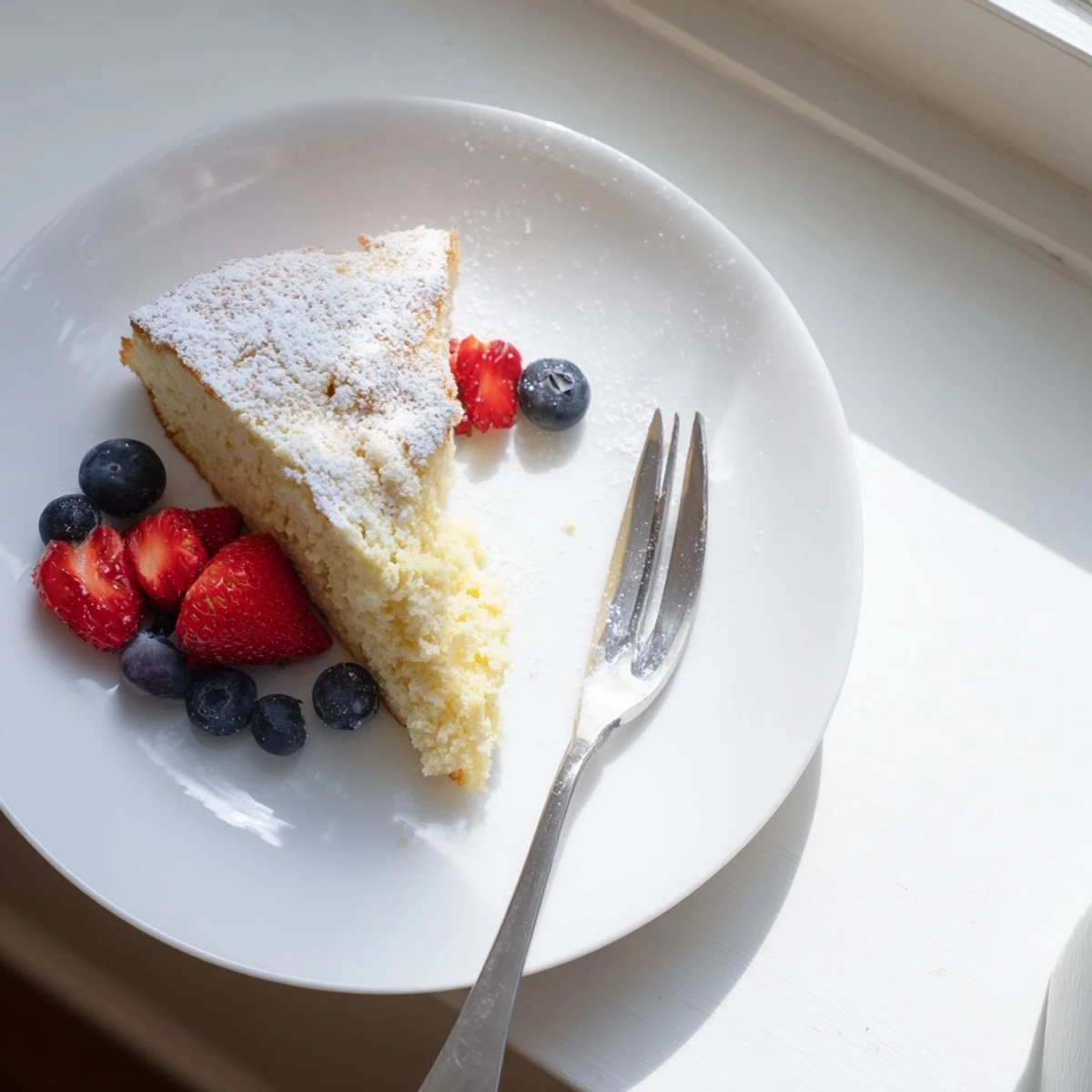
 This cake has become my go-to when friends come over for coffee. It feels special enough for company but light enough that everyone always accepts a second slice without hesitation.
Making It Ahead
I have learned that this cake is actually best the same day it is made, when that cloud-like texture is at its absolute peak. If you need to make it ahead, bake it in the morning and keep it covered at room temperature.
Getting The Right Texture
The key is folding gently but thoroughly. I use a silicone spatula and try to imagine I am folding a letter into an envelope, sliding down through the middle and bringing everything up from the bottom.
Serving Suggestions
Serve this slightly chilled for the most refreshing experience, especially on warm days. The texture becomes even more delicate and mousse-like after a few hours in the refrigerator.
- Add a dollop of whipped cream if you want extra richness.
- A drizzle of honey complements the yogurt beautifully.
- Fresh mint leaves add a lovely pop of color.
 Save to Pinterest
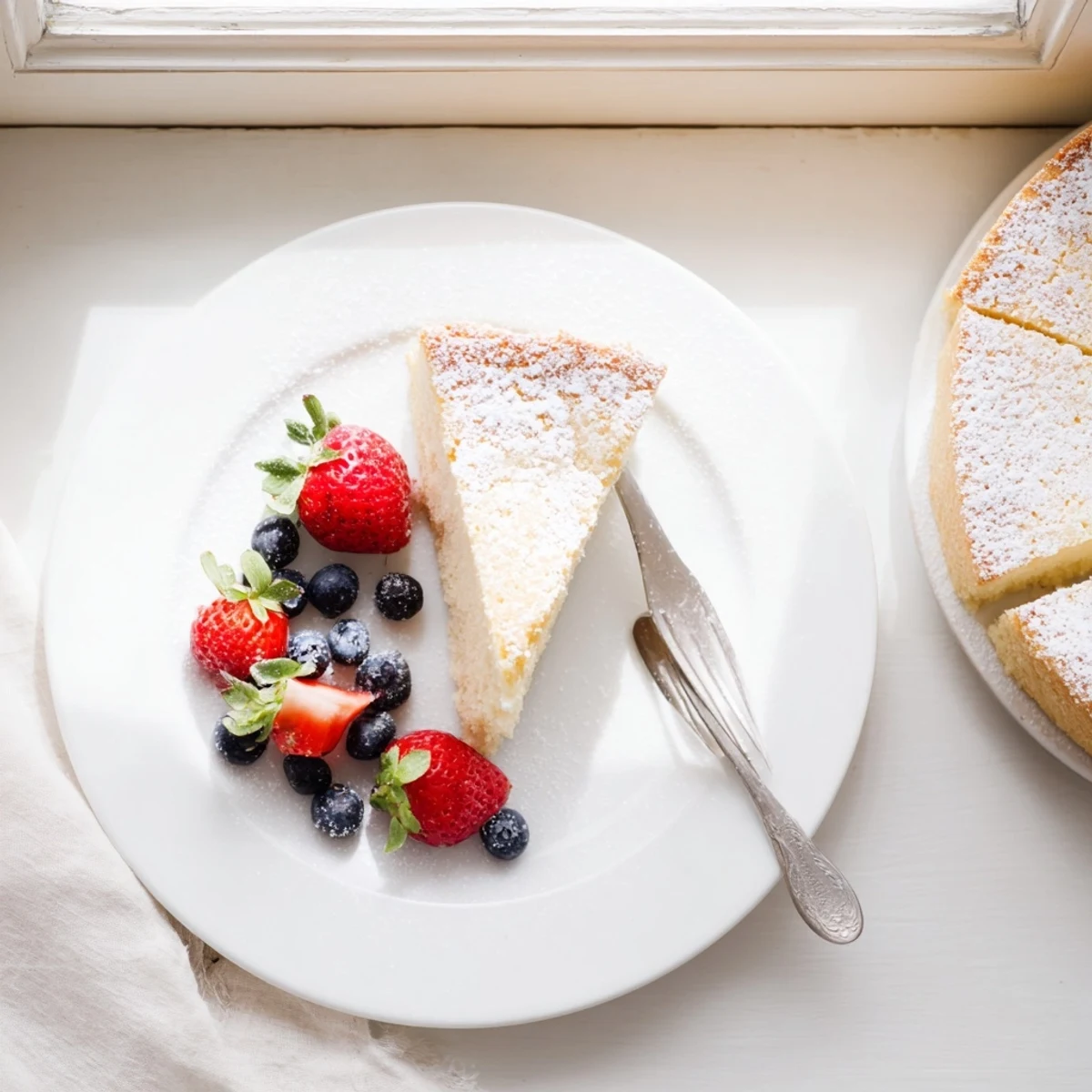
 There is something magical about slicing into this cake and watching how it practically floats off the plate. It has become one of those recipes I make just to see that delighted look on peoples faces.
Recipe Questions & Answers
- → What makes this cake so light and fluffy?
-
The exceptional lightness comes from beating egg whites to stiff peaks and gently folding them into the batter. This technique incorporates countless air bubbles, while the Greek yogurt adds moisture without weighing down the structure. The combination creates that signature cloud-like texture.
- → Can I use regular yogurt instead of Greek yogurt?
-
Greek yogurt is preferred due to its thicker consistency and higher protein content, which contributes to the cake's structure. Regular yogurt contains more water and may result in a denser texture. If substituting, consider straining regular yogurt through cheesecloth for several hours to remove excess liquid.
- → Why shouldn't I grease the sides of the pan?
-
Leaving the sides ungreased allows the batter to climb and grip the pan as it rises, which helps the cake achieve maximum height. This technique is common for sponge and angel food cakes where structure and rise are essential for creating that airy, cloud-like interior.
- → How do I know when the cake is done baking?
-
The cake is finished when the surface is set and lightly golden, and a toothpick inserted into the center emerges clean or with just a few moist crumbs. Avoid opening the oven during the first 30 minutes, as the sudden temperature drop can cause the delicate structure to collapse.
- → Can I add other flavors to this cake?
-
Absolutely. While lemon zest provides classic brightness, you can incorporate orange zest, almond extract, or even folded-in fresh berries. For chocolate lovers, gently fold melted and cooled white chocolate into the batter after combining the wet and dry ingredients.
- → Why must I fold the egg whites in stages?
-
Adding one-third of the whipped whites first lightens the dense batter, making it easier to incorporate the remaining whites without deflating them. This gradual approach preserves the air bubbles essential for achieving the desired cloud-like texture and height.