
 Save to Pinterest
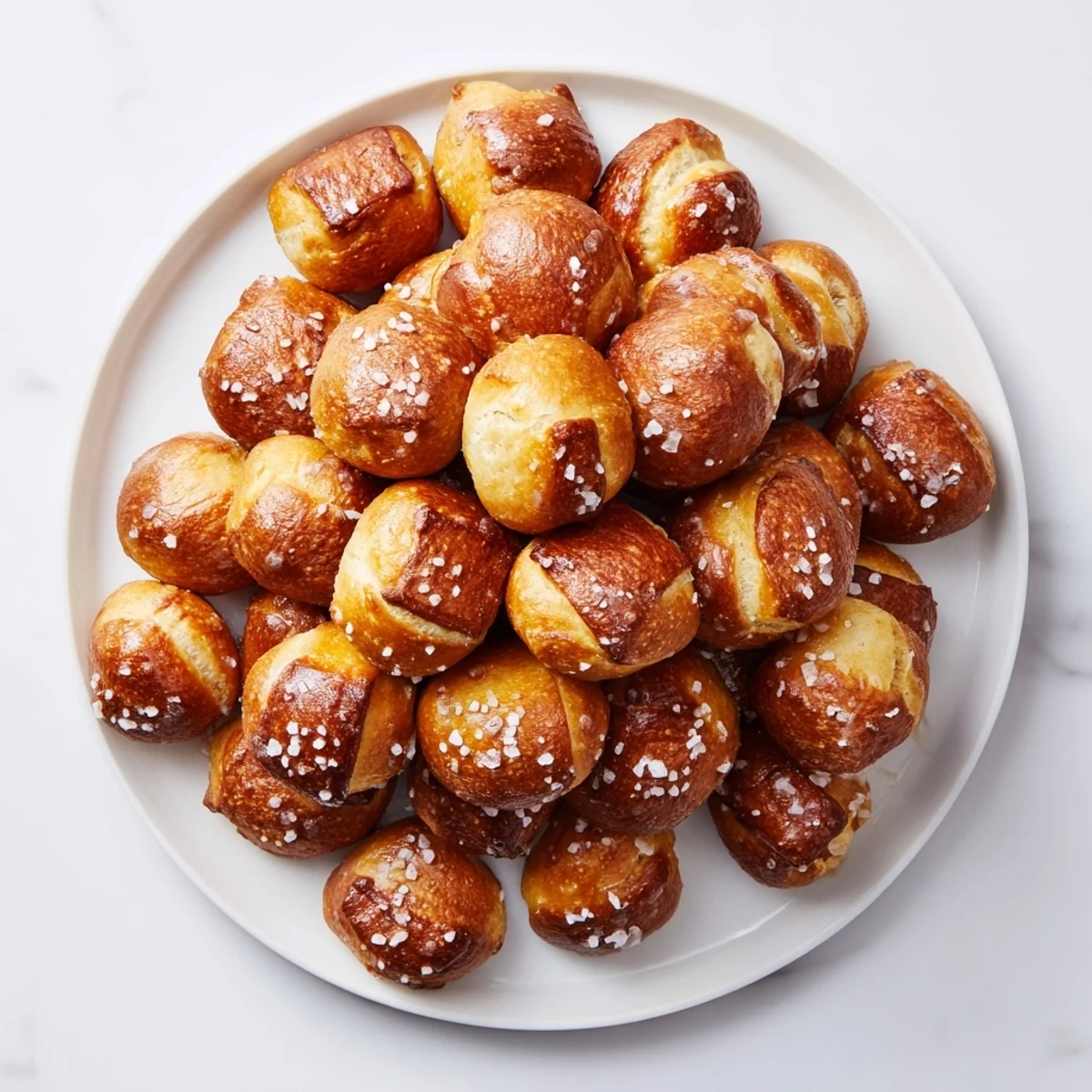
 These homemade pretzel bites deliver authentic German-American flavor with a soft interior and chewy, golden exterior. The traditional baking soda bath creates that signature pretzel taste and deep mahogany color. Perfect for game day gatherings, casual entertaining, or weekend snacking with mustard or cheese dip.
The dough comes together quickly with pantry staples and requires just one rise. Boiling the bites in baking soda solution before baking is the secret step that gives them their distinctive chewy texture and pretzel flavor. Serve them warm with coarse sea salt for classic appeal, or try the cinnamon-sugar variation for a sweet twist.
The smell of a pretzel shop near Central Park once stopped me mid-stride on a freezing January afternoon, and I stood there like a fool just breathing it in. That buttery, toasted-carbon scent haunted me for weeks until I figured out I could recreate it at home. These soft pretzel bites carry that same street-corner magic, golden and chewy with just the right snap of salt. They disappeared so fast the first batch I made that I barely got to taste one.
I made a double batch for a Super Bowl party once and watched grown adults abandon the TV just to hover near the kitchen counter. My friend Dave stood there with a paper plate, eating them faster than I could pull them off the sheet. Something about bite-sized food makes people lose all restraint.
Ingredients
- Warm water (110 degrees F): Think bathwater temperature. If its too hot you will kill the yeast and wonder why nothing rose, which I learned the hard way more than once.
- Active dry yeast: One standard packet is all you need. Check the expiration date because old yeast is the silent killer of homemade bread projects.
- Granulated sugar: Just a tablespoon to wake up the yeast. It gets eaten during rising so the pretzels themselves are not sweet.
- All-purpose flour: Bread flour works too but AP gives that tender chew I prefer. Do not pack it into the measuring cup or your dough will be dry and stubborn.
- Salt: One teaspoon in the dough is enough. You will add more on top later so do not get heavy handed here.
- Unsalted butter, melted: This adds richness and keeps the interior soft. I have swapped in olive oil and it works, but butter tastes more like a real pretzel.
- Baking soda for the bath: Two-thirds of a cup sounds like a lot. It is a lot. That alkaline concentration is what creates the dark brown crust and that faintly tangy flavor.
- Water for boiling: Ten cups is necessary to keep the temperature stable when you drop dough in. Use your biggest pot.
- Egg wash (1 egg plus 1 tbsp water): This is what makes the salt stick and gives that glossy, bakery-style finish. Do not skip it.
- Coarse sea salt: Table salt will dissolve and vanish. You want the chunky stuff that crunches between your teeth.
Instructions
- Wake up the yeast:
- Pour the warm water into a large bowl and sprinkle in the yeast and sugar. Stir gently and walk away for five minutes. When you come back it should look cloudy and smell faintly like bread is already happening.
- Build the dough:
- Add the flour, salt, and melted butter to the foamy yeast mixture. Stir with a wooden spoon until a shaggy, sticky mass forms and most of the dry flour has been absorbed.
- Knead until proud of it:
- Turn the dough onto a lightly floured counter and push it away with your palm, fold it back, and rotate. Do this for about six minutes until the dough feels smooth and springs back when you poke it gently with your finger.
- Let it rest and grow:
- Place the dough in a greased bowl, cover it tightly with plastic wrap, and set it somewhere warm for thirty minutes. It should roughly double in size and look puffy and alive when you uncover it.
- Preheat and prep:
- Crank the oven to 425 degrees F and line two baking sheets with parchment paper. Do not use wax paper by mistake because it will smoke and ruin everything.
- Start the soda bath:
- Bring ten cups of water and the baking soda to a rolling boil in your largest pot. It will foam up dramatically when the soda hits the water, so add it slowly and stand back.
- Shape the bites:
- Punch down the dough and divide it into six equal pieces. Roll each piece into an eighteen-inch rope, then cut into one-inch segments. They do not need to be perfect. Uneven ones taste just as good.
- Take the plunge:
- Drop about ten to twelve bites into the boiling soda bath at a time. Let them swim for twenty to thirty seconds, then scoop them out with a slotted spoon and arrange on the parchment, leaving a little space between each one.
- Wash and salt:
- Brush each bite generously with egg wash, making sure to hit the sides. Sprinkle coarse salt over the top while they are still wet so it adheres properly.
- Bake to golden glory:
- Slide the sheets into the oven and bake for twelve to fifteen minutes. You are looking for a deep golden brown with darker edges. The kitchen will smell incredible around the ten-minute mark.
- Cool just slightly and serve:
- Let them rest for about five minutes because the interior holds serious heat. Serve warm with mustard, cheese sauce, or just eat them plain while standing over the pan.
 Save to Pinterest
 One rainy Saturday I handed a warm bowl of these to my neighbor who had just finished mowing her lawn in a downpour. She stood in my doorway, dripping wet, eating one after another without saying a word. Sometimes food does not need conversation.
The Cinnamon Sugar Plot Twist
Skip the salt entirely and brush the baked bites with melted butter the moment they come out of the oven. Toss them in a bag with half a cup of sugar and two teaspoons of cinnamon, shake vigorously, and you have something that rivals any mall pretzel stand.
Storage and Reheating
These are best the day they are made, full stop. If you have leftovers, store them in a paper bag at room temperature overnight. To bring them back to life, pop them in a 350 degree F oven for about five minutes until the outside crisps up again and the center softens. Microwaving works in a pinch but makes them chewy rather than crusty.
Dip Ideas Worth Trying
Spicy brown mustard is the classic and for good reason, but do not sleep on warm beer cheese or a quick honey mustard made from equal parts honey and Dijon. Once I reduced some apple cider down to a syrup and drizzled it over the cinnamon sugar version and nearly fell over.
- Warm nacho cheese sauce is a crowd pleaser that requires zero effort.
- A smear of cream cheese with everything bagel seasoning turns each bite into something unexpectedly addictive.
- Always serve dips on the side so people can choose their own adventure.
 Save to Pinterest
 There is something deeply satisfying about making pretzels from scratch, the way the dough transforms in that bubbling soda bath. Share them while they are warm and watch how fast an empty plate tells you everything you need to know.
Recipe Questions & Answers
- → What makes pretzel bites chewy?
-
The baking soda bath is essential for creating that characteristic chewy texture. Boiling the dough bites in a baking soda solution gelatinizes the surface, resulting in the signature pretzel chew and deep golden color during baking.
- → Can I make the dough ahead of time?
-
Yes, you can prepare the dough and refrigerate it after the first rise for up to 24 hours. Let it come to room temperature before rolling and cutting into bites. This can actually enhance the flavor development.
- → What dips work best with pretzel bites?
-
Classic choices include spicy brown mustard, honey mustard, or warm beer cheese sauce. Ranch dressing, queso, or even marinara for dipping work well. For sweet cinnamon-sugar bites, vanilla glaze or fruit compote are delicious options.
- → Why do my pretzels look pale after baking?
-
Pale pretzels usually mean the baking soda bath wasn't boiling vigorously enough or wasn't long enough. Ensure the water is at a rolling boil and boil each batch for at least 20-30 seconds for proper coloration and flavor development.
- → Can I freeze pretzel bites?
-
Yes, freeze baked and cooled pretzel bites in a freezer bag for up to 3 months. Reheat in a 350°F oven for 5-7 minutes to refresh. Alternatively, freeze unbaked bites after the boiling step, then bake directly from frozen, adding a few minutes to baking time.
- → What's the purpose of the egg wash?
-
The egg wash helps the coarse salt adhere to the surface and promotes even browning. It creates a shiny, golden finish that makes the pretzels visually appealing while adding subtle richness to the crust.