
 Save to Pinterest
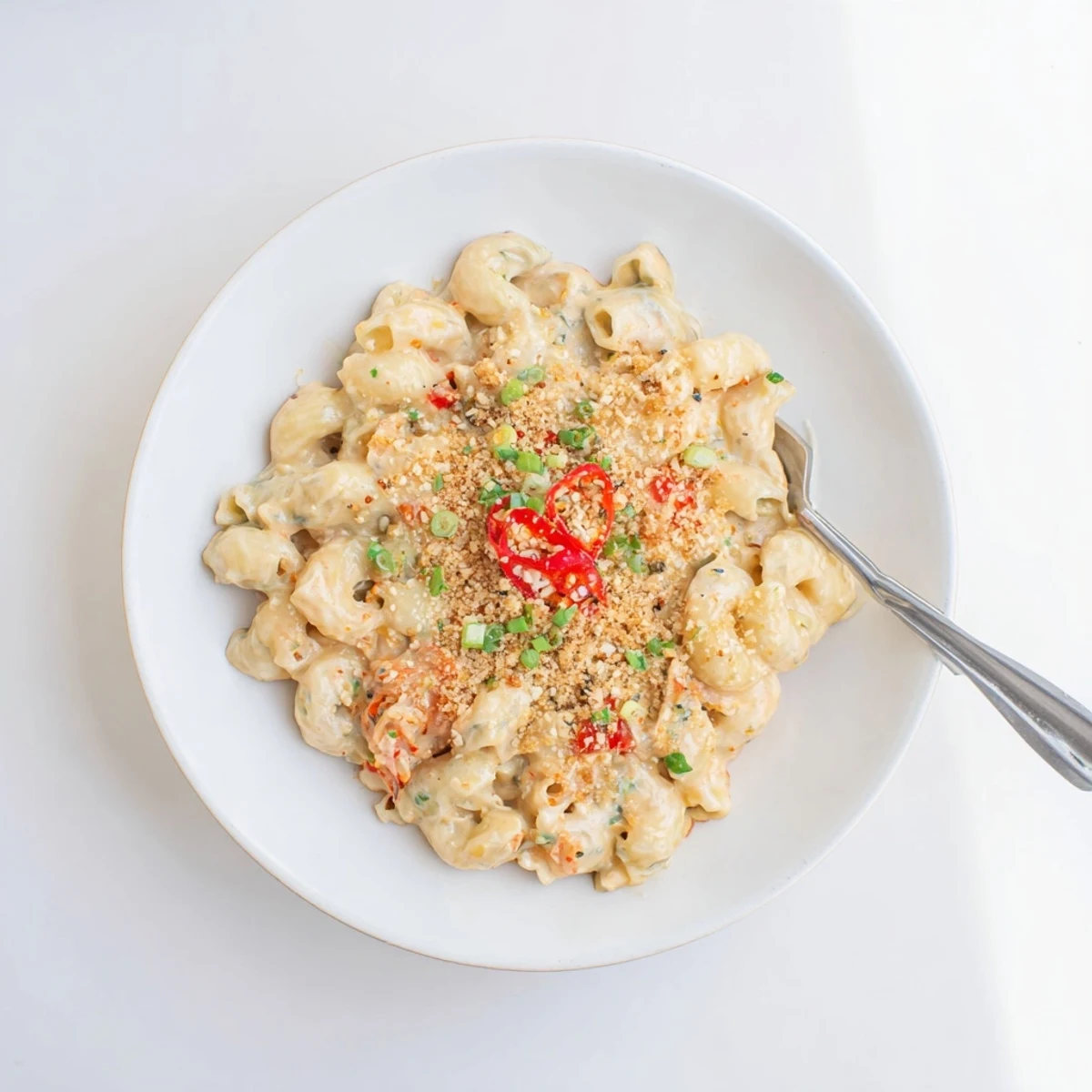
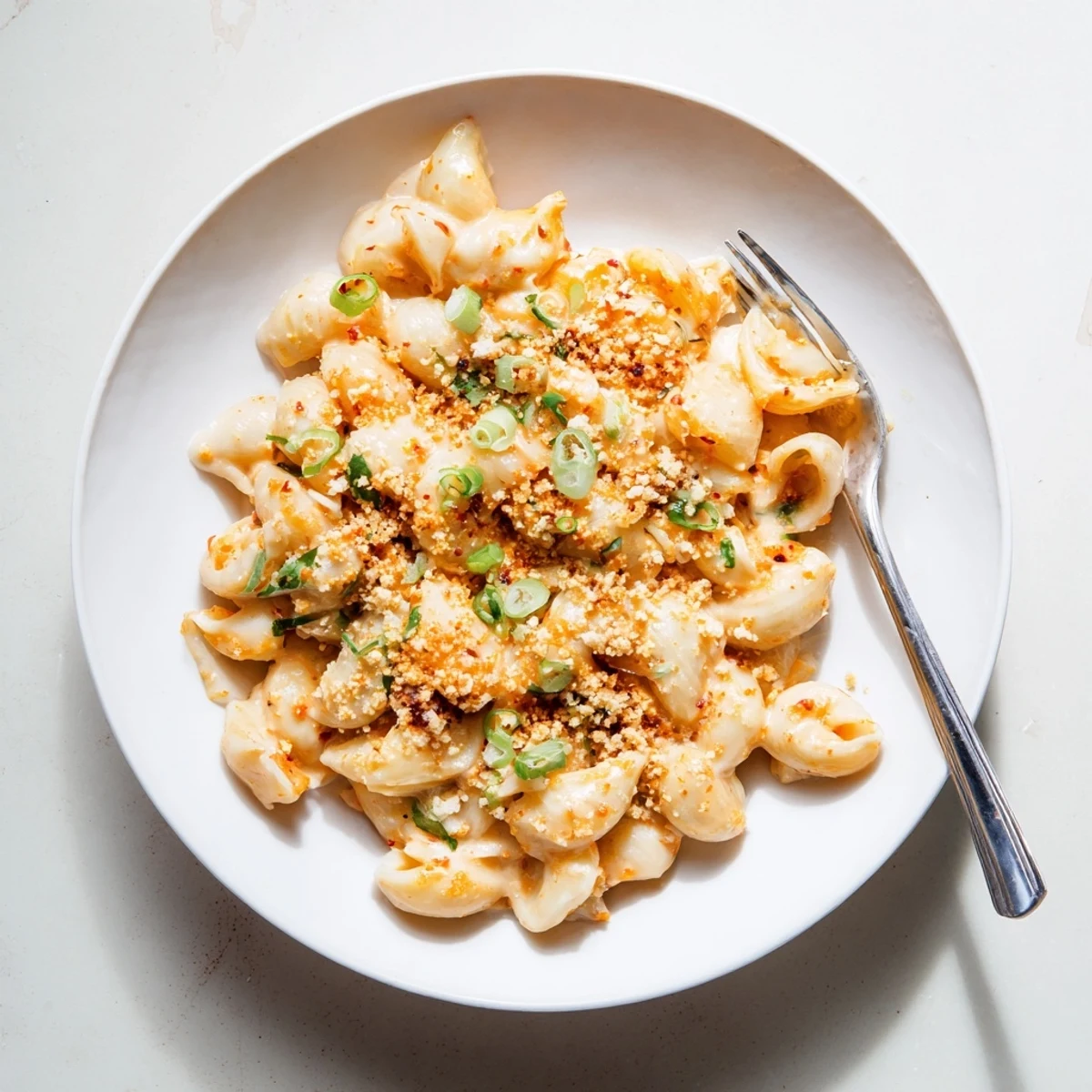
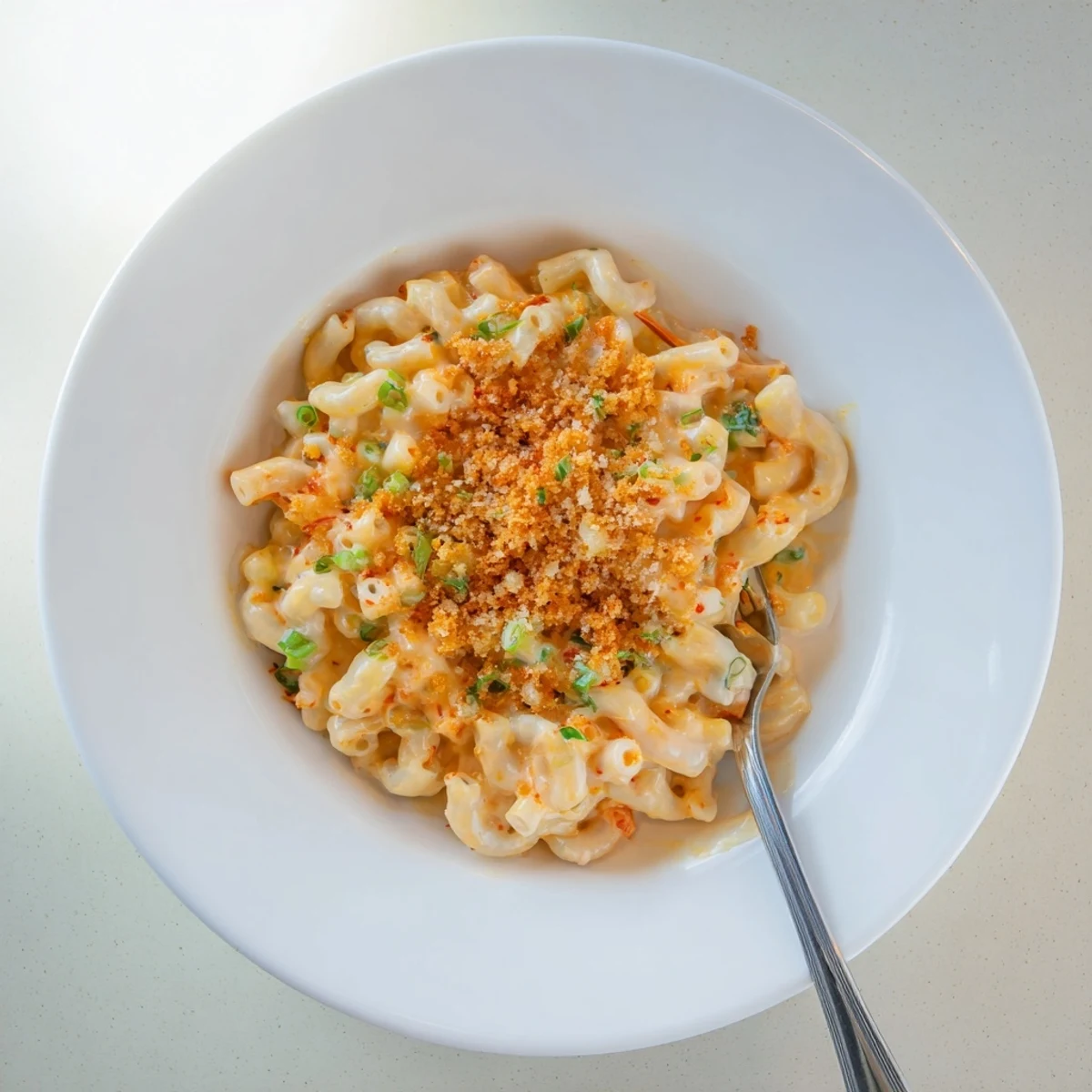
 This Korean-American fusion combines the comfort of creamy mac and cheese with the bold flavors of fermented kimchi. The dish features elbow pasta coated in a rich cheese sauce made with sharp cheddar and mozzarella, elevated with chopped kimchi, spring onions, and optional gochujang for extra heat. Topped with buttery panko breadcrumbs and sesame seeds, it bakes until golden and bubbly. Ready in just 40 minutes, this vegetarian-friendly main serves four and pairs beautifully with crisp Riesling or cold lager. The result is an irresistible balance of creamy, tangy, and spicy that transforms a classic into something unforgettable.
The first time I added kimchi to mac and cheese, my roommate looked at me like I had lost my mind. Five minutes later, she was practically licking the cheese off the baking dish. Now it is the one dish that disappears whenever I have people over, that beautiful collision of comfort food and fermented tang that somehow makes perfect sense.
I made this on a rainy Tuesday when the refrigerator was bare except for odds and ends. Sometimes the best experiments come from desperation and a jar of fermented cabbage that has been sitting in the back of the fridge since who knows when.
Ingredients
- 300 g (10.5 oz) elbow macaroni: Elbows hold cheese sauce in those cozy curves, though any short pasta works in a pinch
- 2 tbsp unsalted butter: The foundation of your roux, unsalted lets you control the seasoning
- 2 tbsp all-purpose flour: This thickens the sauce into that velvety texture we are chasing
- 500 ml (2 cups) whole milk: Whole milk makes the sauce luxurious, though you can get away with 2 percent
- 150 g (1 ½ cups) sharp cheddar cheese, shredded: Sharp cheddar brings the backbone flavor that mild cheese cannot match
- 50 g (½ cup) mozzarella cheese, shredded: Mozzarella adds the gorgeous cheese pull factor
- 1 tsp Dijon mustard: A secret weapon that amplifies cheese flavor without tasting mustardy
- ¼ tsp ground black pepper: Freshly cracked makes a real difference here
- ½ tsp salt: Adjust based on how salty your kimchi already is
- 200 g (1 cup) kimchi, chopped and well-drained: Squeeze out excess liquid or your sauce will turn pink and get too thin
- 1 tbsp kimchi juice: Just enough liquid to carry that funky fermented flavor through the whole dish
- 2 spring onions, finely sliced: Fresh onion brightness balances everything out
- 1 tbsp gochujang (Korean chili paste): Optional but recommended if you like things with a little more backbone
- 30 g (¼ cup) panko breadcrumbs: Panko creates the lightest, crispiest topping imaginable
- 1 tbsp unsalted butter, melted: Toss this with panko so those crumbs actually turn golden and toasty
- 1 tbsp sesame seeds: Totally optional but they look so pretty and add a nutty finish
Instructions
- Get your oven ready:
- Preheat to 200°C (400°F) and grease a medium baking dish with butter or oil
- Cook the pasta:
- Boil macaroni until just shy of al dente because it will finish cooking in the oven
- Build your roux:
- Melt 2 tbsp butter over medium heat, whisk in flour, and let it cook for a minute to lose that raw flour taste
- Make the cheese sauce:
- Slowly whisk in the milk and keep stirring until it thickens enough to coat the back of a spoon
- Add the cheese:
- Turn the heat down low and stir in cheddar, mozzarella, mustard, pepper, and salt until everything melts into pure velvet
- Bring it all together:
- Fold in cooked macaroni, chopped kimchi, kimchi juice, spring onions, and gochujang if you are feeling brave
- Transfer to baking dish:
- Pour everything into your prepared dish and spread it evenly
- Make the crispy topping:
- Mix panko with melted butter and sesame seeds then scatter it over the top
- Bake until golden:
- Let it go for 15 minutes until the sauce is bubbling and those crumbs are golden brown
- Let it rest:
- Give it 5 minutes to set so the sauce does not run everywhere when you scoop it
 Save to Pinterest
 My Korean aunt tried this and was skeptical until she took that first bite. Now she asks for it every time she visits, claiming it reminds her of something she ate in Seoul but can not quite place.
Making It Your Own
I have experimented with adding bacon, swapping in gouda, and even throwing in some corn kernels for sweetness. The kimchi is the non-negotiable part though, everything else is just playing house.
What To Serve With It
A crisp green salad with an acidic dressing helps cut through all that richness. Sometimes I just serve it with plain steamed broccoli and call it a balanced meal.
Storage And Reheating
This actually tastes better the next day when the flavors have had time to really get to know each other. Store it covered in the refrigerator and reheat with a splash of milk to bring the sauce back to life.
- The topping will lose its crunch in the fridge but new panko and a quick run under the broiler fixes everything
- Portion it out before reheating so you do not accidentally dry out the whole batch
- Freeze it in portions if you want to have emergency comfort food on hand
 Save to Pinterest
 This dish started as a what if experiment and ended up being the thing my friends actually request for dinner parties. Sometimes the weirdest combinations are exactly what you did not know you needed.
Recipe Questions & Answers
- → Does the kimchi make the dish too spicy?
-
Kimchi adds mild to moderate heat depending on the brand. The creamy cheese sauce balances the spice beautifully, creating a pleasant warmth rather than overwhelming heat. You can control the spice level by adjusting the amount of kimchi and omitting the optional gochujang.
- → Can I make this ahead of time?
-
Yes, assemble the dish completely through step 7, cover and refrigerate for up to 24 hours. When ready to bake, add the topping and bake for 20-25 minutes, covering with foil if the top browns too quickly.
- → What type of kimchi works best?
-
Well-fermented, mature kimchi provides the best flavor balance. Traditional napa cabbage kimchi is ideal. Drain it thoroughly to prevent excess liquid from making the dish watery.
- → Can I freeze leftovers?
-
Yes, freeze individual portions in airtight containers for up to 3 months. Thaw overnight in the refrigerator and reheat in the oven at 180°C (350°F) until heated through, adding a splash of milk if needed.
- → What can I substitute for gochujang?
-
Sriracha or red pepper flakes work as substitutes, though gochujang adds authentic Korean depth with its fermented umami notes. Use sparingly and adjust to taste.
- → How do I get the crispiest topping?
-
Broil for the last 2 minutes of baking, watching closely to prevent burning. Ensure the melted butter thoroughly coats the panko before sprinkling for maximum crunch.