
 Save to Pinterest
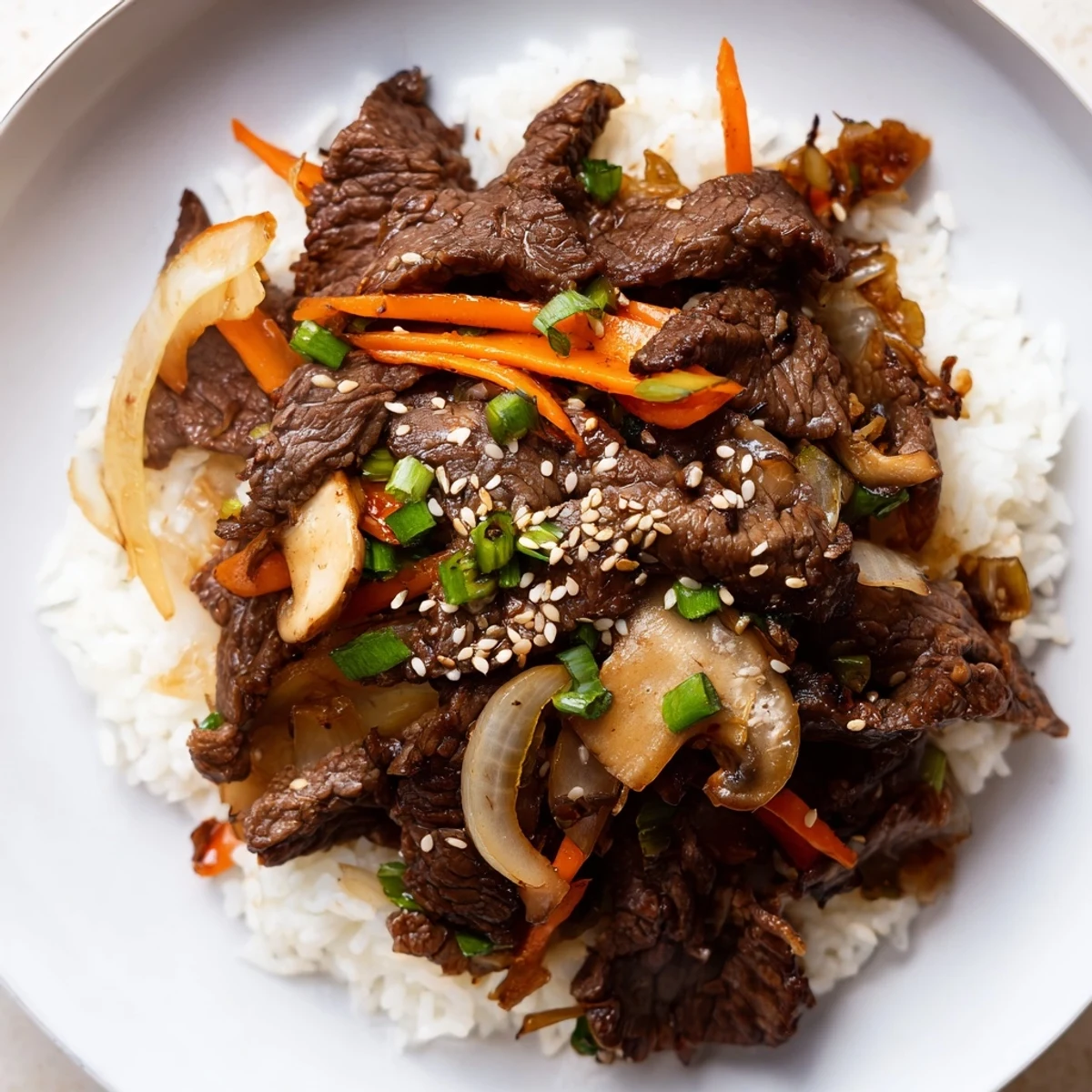
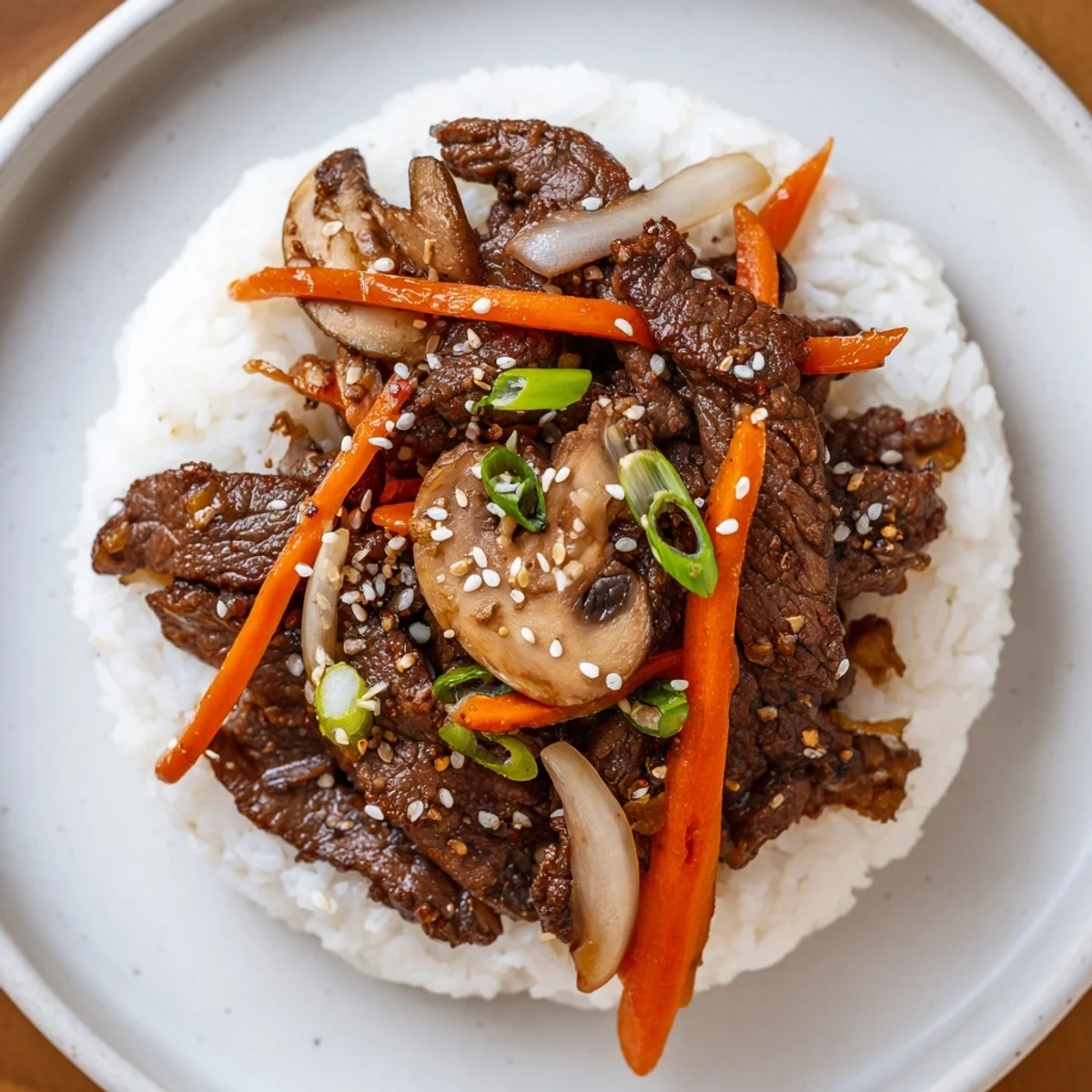
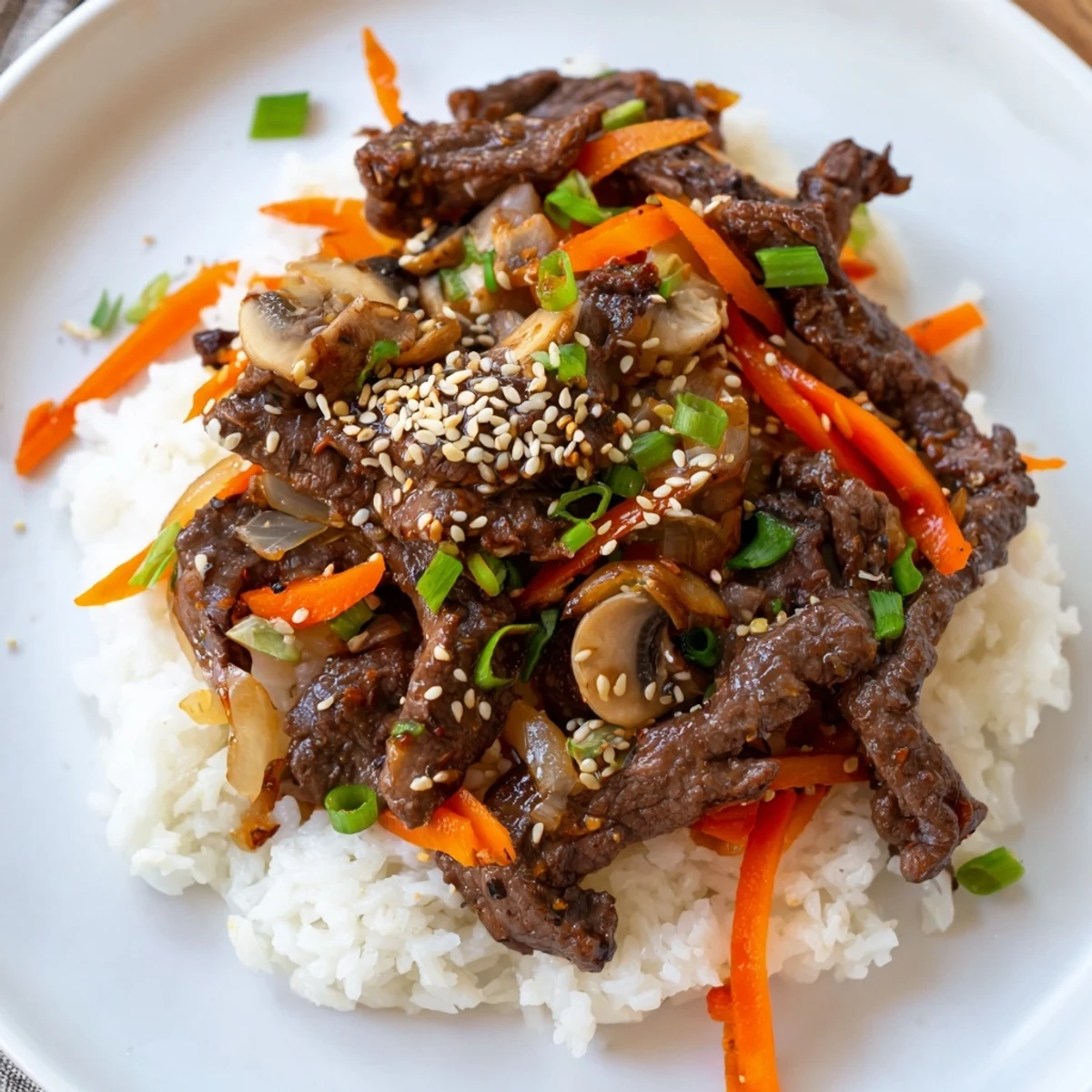
 This dish features thinly sliced beef marinated in a savory and slightly sweet Korean bulgogi sauce. The beef is quickly stir-fried with a mix of fresh onions, carrots, and mushrooms, bringing a balance of rich and fresh flavors. Toasted sesame seeds and green onions add texture and brightness. Ideal served with steamed rice or in lettuce wraps for a versatile meal with a delightful blend of savory, sweet, and umami notes.
Preparation involves marinating the beef to allow the flavors to develop fully, then stir-frying it quickly over high heat to keep the meat tender. The inclusion of grated pear or apple in the marinade tenderizes the beef naturally, enhancing juiciness and depth. This easy and flavorful dish captures the essence of Korean cooking while being approachable and quick to prepare.
My neighbor Marcus taught me this dish on a rainy Saturday when he brought over leftovers from his family dinner, insisting I taste it before I judged Korean food as too intimidating to make. The way that savory-sweet beef melted on my tongue, the sesame oil aroma filling my small kitchen—I was convinced within one bite that I had to learn it myself. What started as a casual tasting became my go-to weeknight meal, and now I make it so often my friends joke that it should be my signature dish.
I'll never forget cooking this for my coworker Sarah after she mentioned never trying Korean food, nervous she wouldn't like it. Watching her face when she took that first bite, seeing her eyes light up—she went home and texted me the next day asking for the recipe. Now she makes it for her partner every month, and somehow that makes me happier than any compliment about my own cooking could.
Ingredients
- Flank steak or sirloin, thinly sliced: The key to tender bulgogi is slicing against the grain and keeping your knife sharp; this one move makes more difference than anything else in the recipe.
- Soy sauce: This is your umami backbone, so don't skip it or swap it thoughtlessly—it needs to be real soy sauce, not the imitation stuff.
- Brown sugar: It caramelizes beautifully in the pan and balances the saltiness with just enough sweetness to feel sophisticated, not sugary.
- Sesame oil: A little goes a long way here; use the toasted kind for that nutty, unmistakable Korean flavor that instantly transports you.
- Mirin or rice wine: This adds depth and slight sweetness, though honestly the dish works without it if you're in a pinch.
- Garlic and ginger: Mince them fine so they dissolve into the marinade and perfume every bite of beef.
- Fresh pear or apple: Grating this in is a secret weapon for tenderizing the meat naturally while adding subtle sweetness that nobody can quite identify.
- Green onions: Use them in the marinade and again as garnish for brightness and a little bite at the end.
- Gochujang: This Korean chili paste brings depth and gentle heat; start with less if you're unsure and taste as you go.
- Vegetable oil: Save your good olive oil for salads; neutral oil is what you need here for high-heat cooking.
- Onion, carrot, and mushrooms: These aren't just filler—they soak up the marinade and become silky and caramelized, almost sweet by the end.
- Toasted sesame seeds: Toast your own if you can; the difference between store-bought and freshly toasted is remarkable and worth the thirty seconds.
Instructions
- Mix your marinade:
- Combine soy sauce, brown sugar, sesame oil, mirin, minced garlic, grated ginger, grated pear, chopped green onions, black pepper, and gochujang in a large bowl until the sugar dissolves. Breathe in that aroma—that's your first clue this is going to be delicious.
- Marinate the beef:
- Add your thinly sliced beef to the marinade, stirring well so every piece gets coated in that glossy mixture. Cover and let it sit for at least 15 minutes at room temperature, though overnight in the fridge will give you even richer flavor.
- Get your pan screaming hot:
- Heat vegetable oil in a large skillet or wok over high heat until it shimmers and just barely starts to smoke. This is the moment where things get exciting and a little loud.
- Sear the beef quickly:
- Add the marinated beef to the hot pan in a single layer if you can, letting it sizzle without stirring for about a minute before tossing it around for another 1–2 minutes. You want it cooked through but still tender, not gray and sad.
- Add the vegetables:
- Toss in your sliced onion, julienned carrot, and sliced mushrooms, stirring constantly for 4–5 minutes until they soften and start to caramelize at the edges. Watch how the sauce thickens and clings to everything in the pan.
- Taste and adjust:
- Take a spoonful, blow on it, and taste it honestly—add more soy sauce if it needs saltiness, a pinch of sugar if it's too salty, or a drizzle more sesame oil if it feels flat.
- Finish with flourish:
- Sprinkle toasted sesame seeds and additional sliced green onions over the top just before serving, letting them catch the heat for a few seconds.
 Save to Pinterest
 The real magic of this dish hit me one night when I realized it had become the meal I make when I want to feel like I'm taking care of myself or someone I love. There's something about that balance of savory and sweet, tender meat and crisp vegetables, that feels like comfort and sophistication at the same time.
How to Serve It Right
The traditional way is over fluffy steamed white rice, where all those beautiful juices soak in and turn the rice into something restaurant-worthy. But I've also wrapped it in crisp lettuce leaves for a lighter, fresher take that feels almost interactive and fun—your guests build their own bites. Kimchi on the side is non-negotiable for me; the funky, spicy fermented cabbage cuts through the richness perfectly and makes everything taste more authentic.
The Secret to Restaurant-Quality Results
What separates good bulgogi from the kind that makes you close your eyes and smile is patience with the marinade and confidence with your heat. Most home cooks either rush the marinating time or turn their burner down too low because they're nervous about burning things. Marinate for real—even just 30 minutes makes a difference—and crank that heat all the way up so you get a caramelized crust on the beef instead of steamed meat.
Variations and Swaps That Actually Work
Chicken breast works beautifully if beef isn't your thing, though slice it thinner and watch it more carefully so it doesn't dry out. Tofu is surprisingly good too—press it well beforehand so it can actually absorb the marinade instead of just sliding around in the pan. I've even made this with thinly sliced pork and it was revelatory, especially with the apple grated into the marinade for extra tenderness.
- Make a double batch of marinade and freeze it in portions so you can have bulgoji-ready nights whenever you want.
- Add a beaten egg to hot rice, stir it quickly, and top with your beef for something even more restaurant-feeling.
- Leftover bulgogi is stunning cold in salads or tucked into sandwiches the next day if you somehow have any left.
 Save to Pinterest
 This dish became part of my cooking identity not because it's fancy or complicated, but because it's proof that simple ingredients and a little patience turn into something genuinely delicious. I hope it becomes yours too.
Recipe Questions & Answers
- → What cut of beef works best?
-
Flank steak or sirloin sliced thinly against the grain ensures tenderness and quick cooking.
- → Can I prepare the dish ahead of time?
-
Marinate the beef for at least 15 minutes or up to 4 hours to enhance flavor before cooking.
- → What vegetables complement this dish?
-
Onions, carrots, and mushrooms add texture and freshness that balance the rich beef.
- → How to adjust spiciness?
-
Add gochujang or chili flakes according to your preferred heat level, starting with small amounts.
- → Are there alternative proteins to use?
-
Chicken or tofu can be substituted for beef while maintaining the marinade’s flavor profile.