
 Save to Pinterest
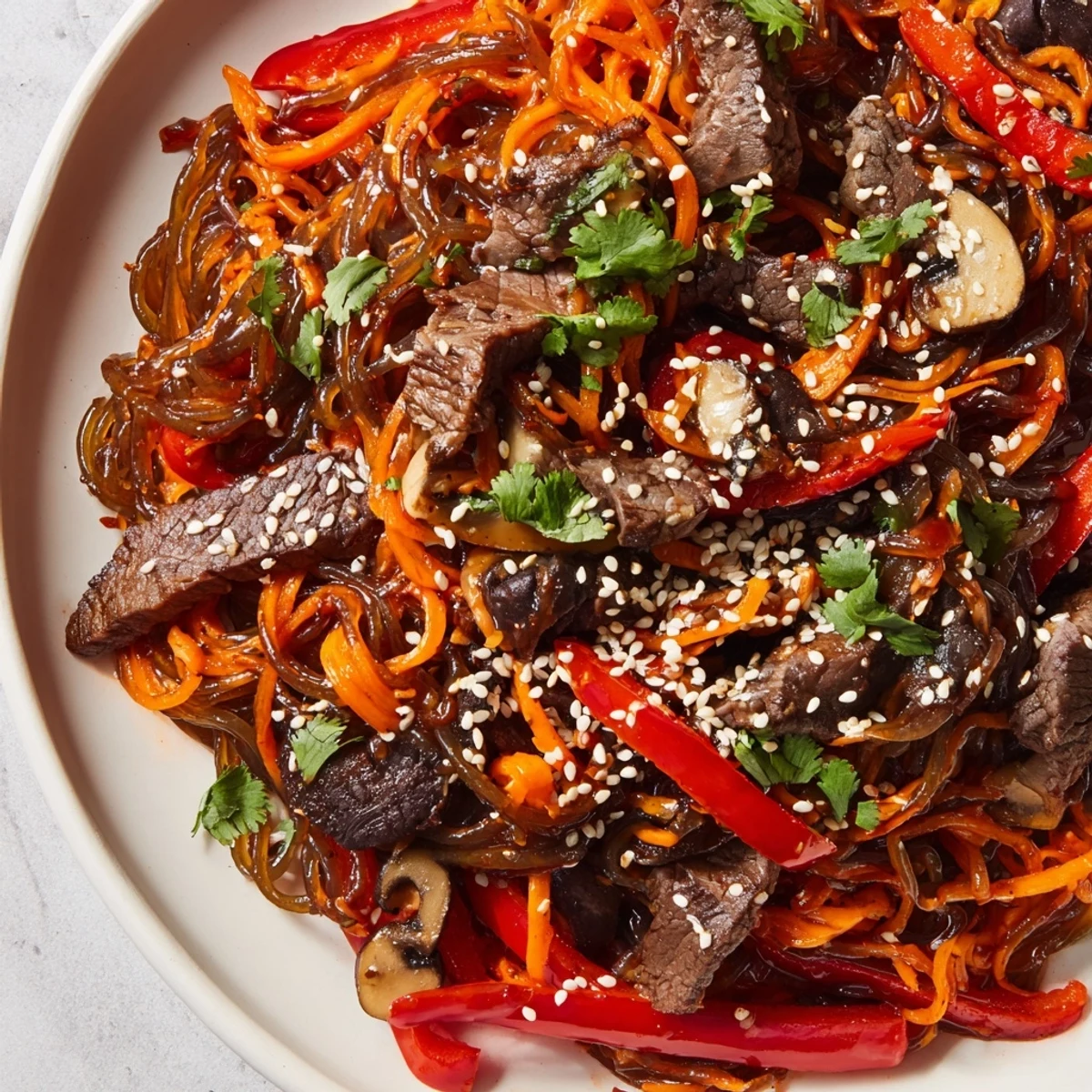
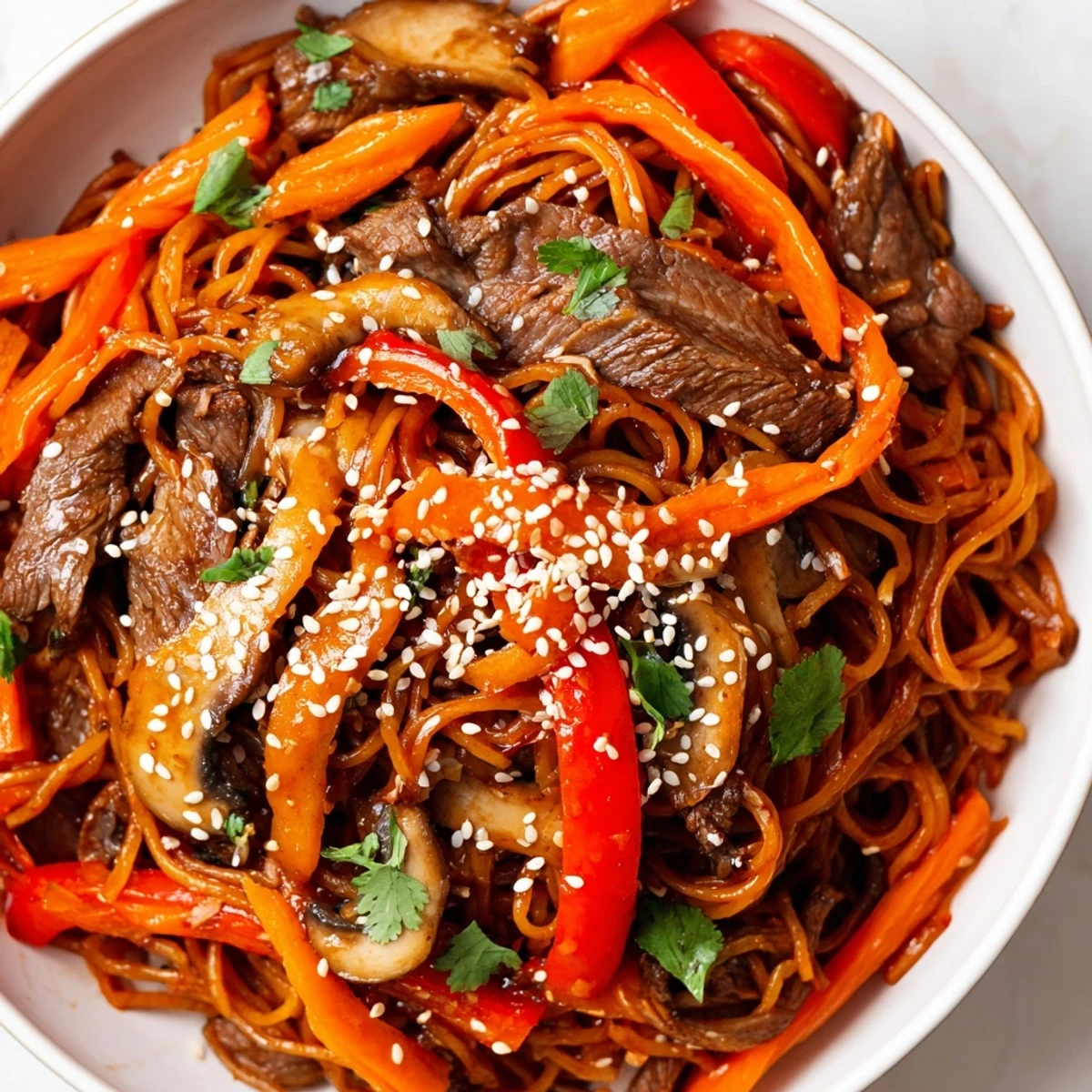
 This satisfying bowl brings together tender marinated beef, chewy sweet potato noodles, and colorful vegetables all coated in a rich Korean-inspired sauce. The balance of savory soy, sweet brown sugar, and spicy gochujang creates layers of flavor that make every bite compelling.
Perfect for busy weeknights, this dish comes together in just 40 minutes. The noodles soak up the aromatic sauce while the beef stays tender and the vegetables retain their crunch. It's dairy-free and serves four generously.
The sauce is the star—combining gochujang for depth, ginger for warmth, and rice vinegar for brightness. Adjust the heat to your preference and add your favorite vegetables for personalization.
The first time I made Korean beef noodles, I accidentally bought sweet potato noodles instead of udon. That happy mistake changed everything. Their chewy texture holds onto sauce in a way regular noodles never could. Now I keep a pack in the pantry at all times.
Last winter my friend came over exhausted from a 12-hour shift. I made these noodles while she collapsed on the couch. Something about the combination of hot food and that gochujang kick brought her back to life. We ate standing up in the kitchen.
Ingredients
- Beef sirloin or ribeye: Thinly slicing against the grain makes all the difference for tenderness. Freezing the meat for 20 minutes makes this so much easier.
- Sweet potato noodles (dangmyeon): These glass noodles are what give the dish its authentic chew. Look for them in Asian markets or the international aisle.
- Gochujang: This Korean chili paste is the heart of the dish. It brings depth, heat, and that characteristic red color.
- Vegetables: The julienned carrot and bell pepper add crunch and sweetness. Mushrooms bring umami and spinach adds fresh color.
- Sesame oil: A little goes a long way. Use the toasted variety for that nutty aroma.
Instructions
- Marinate the beef:
- Combine the sliced beef with soy sauce, sesame oil, sugar, and minced garlic. Let it sit for at least 10 minutes while you prep everything else.
- Cook the noodles:
- Boil them until just tender, then rinse under cold water to stop cooking and prevent sticking. This step is crucial for the right texture.
- Whisk the sauce:
- Mix soy sauce, brown sugar, gochujang, rice vinegar, sesame oil, water, and ginger until the sugar dissolves completely.
- Stir-fry vegetables:
- Heat your wok until hot, then cook the carrots, peppers, and mushrooms until just tender. Add spinach and onions last so they wilt but stay bright.
- Cook the beef:
- Sear the marinated beef quickly over high heat. Do not crowd the pan or it will steam instead of brown.
- Bring it together:
- Toss everything in the wok with the sauce for 2 to 3 minutes. The noodles should look glossy and every strand coated.
 Save to Pinterest
 This recipe has become my go-to when I need to feed a crowd without spending hours in the kitchen. Everyone always asks for seconds.
Making It Vegetarian
Firm tofu or seitan work beautifully as beef alternatives. Press the tofu well before slicing so it absorbs the marinade properly and develops a nice sear in the wok.
Adjusting the Heat
Gochujang brings warmth but not overwhelming spice. Start with one tablespoon if you are sensitive to heat. You can always add more but you cannot take it back.
Perfecting Your Wok Technique
High heat and quick movements are the secret to great stir-fry. Have everything prepped and within reach before you turn on the stove.
- Preheat your wok until it is smoking slightly before adding oil
- Cook in batches if your pan cannot hold everything without crowding
- Keep the ingredients moving constantly for even cooking
 Save to Pinterest
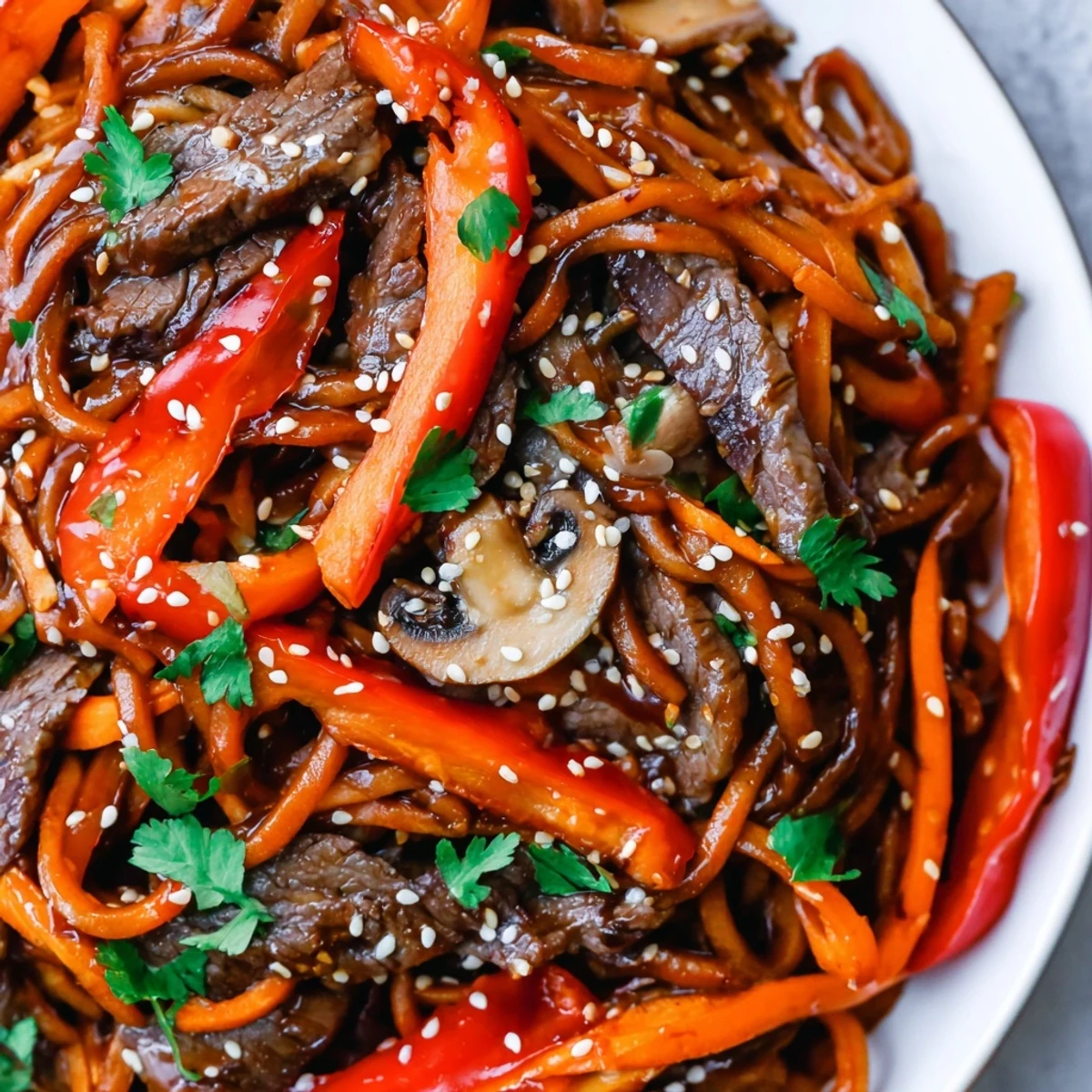
 Garnish generously and serve hot. These noodles are even better the next day if you manage to have leftovers.
Recipe Questions & Answers
- → What type of noodles work best for Korean beef noodles?
-
Sweet potato noodles (dangmyeon) are traditional and provide a perfect chewy texture. Dried udon noodles make an excellent substitute. Both absorb the savory sauce beautifully while maintaining their structure.
- → Can I make this dish spicy?
-
Absolutely. Gochujang provides mild heat—add more for intensity or include Korean chili flakes (gochugaru) for extra spice. You can also drizzle sesame chili oil over each serving.
- → How do I slice beef thinly for stir-frying?
-
Place beef in the freezer for 20-30 minutes until firm but not frozen. Use a sharp knife to slice against the grain into thin strips. Partially frozen meat cuts cleanly and evenly.
- → What vegetables can I add or substitute?
-
Zucchini, broccoli florets, snap peas, or shredded cabbage work wonderfully. Bok choy adds nice crunch. Use whatever fresh vegetables you have on hand for color and texture variation.
- → Can I make this gluten-free?
-
Yes. Replace regular soy sauce with tamari, choose gluten-free noodles, and verify your gochujang is gluten-free. Many brands now offer gluten-free versions of Korean chili paste.