
 Save to Pinterest
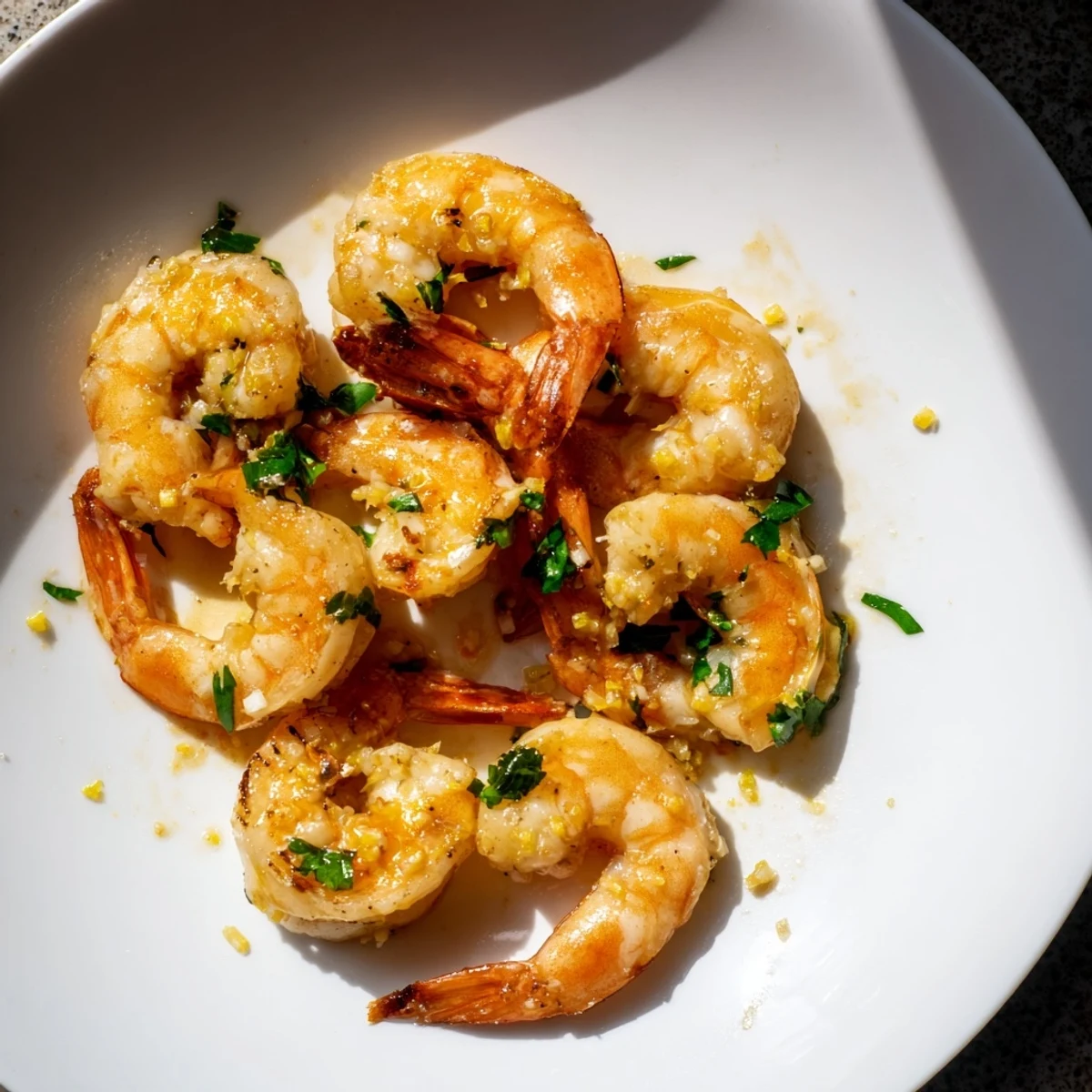
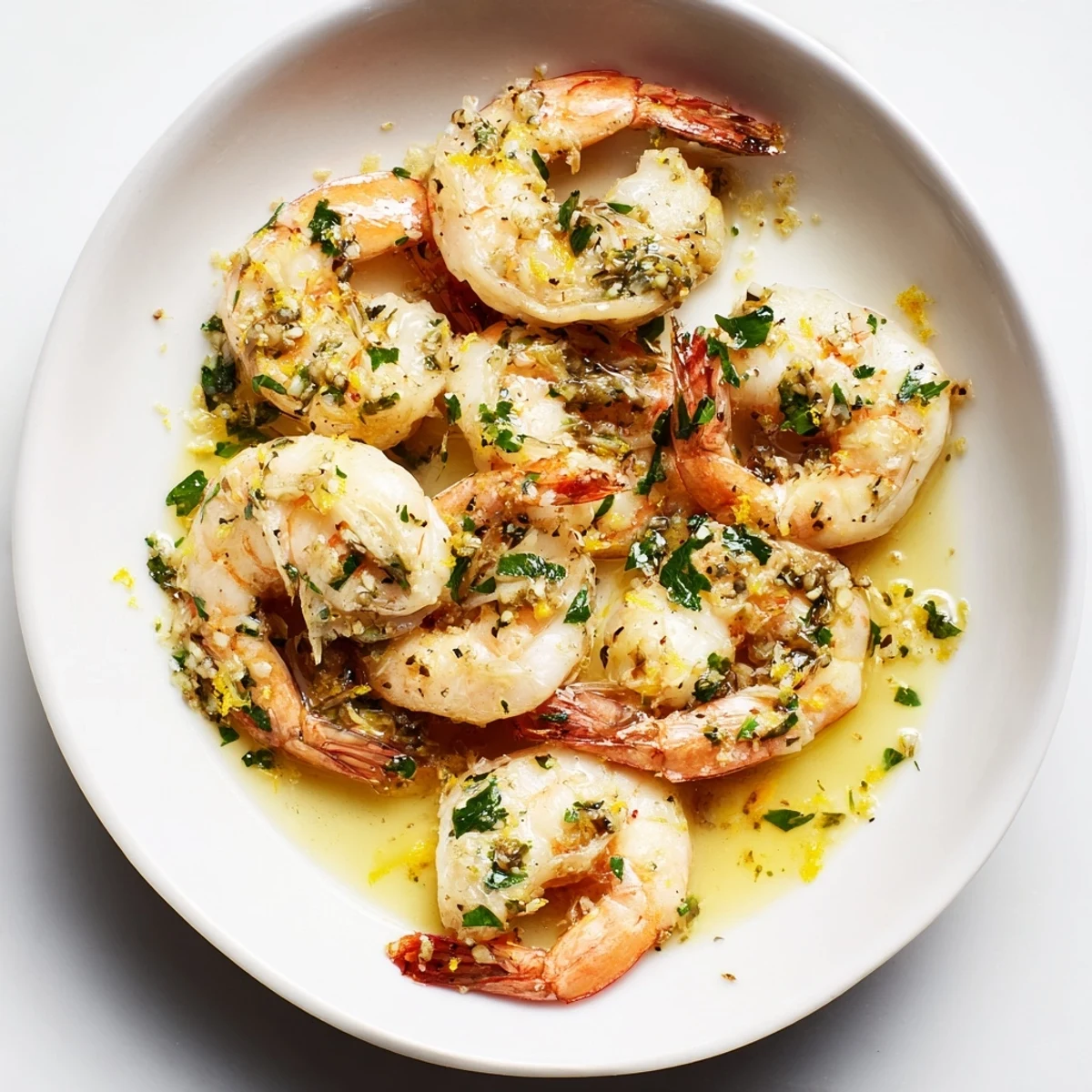
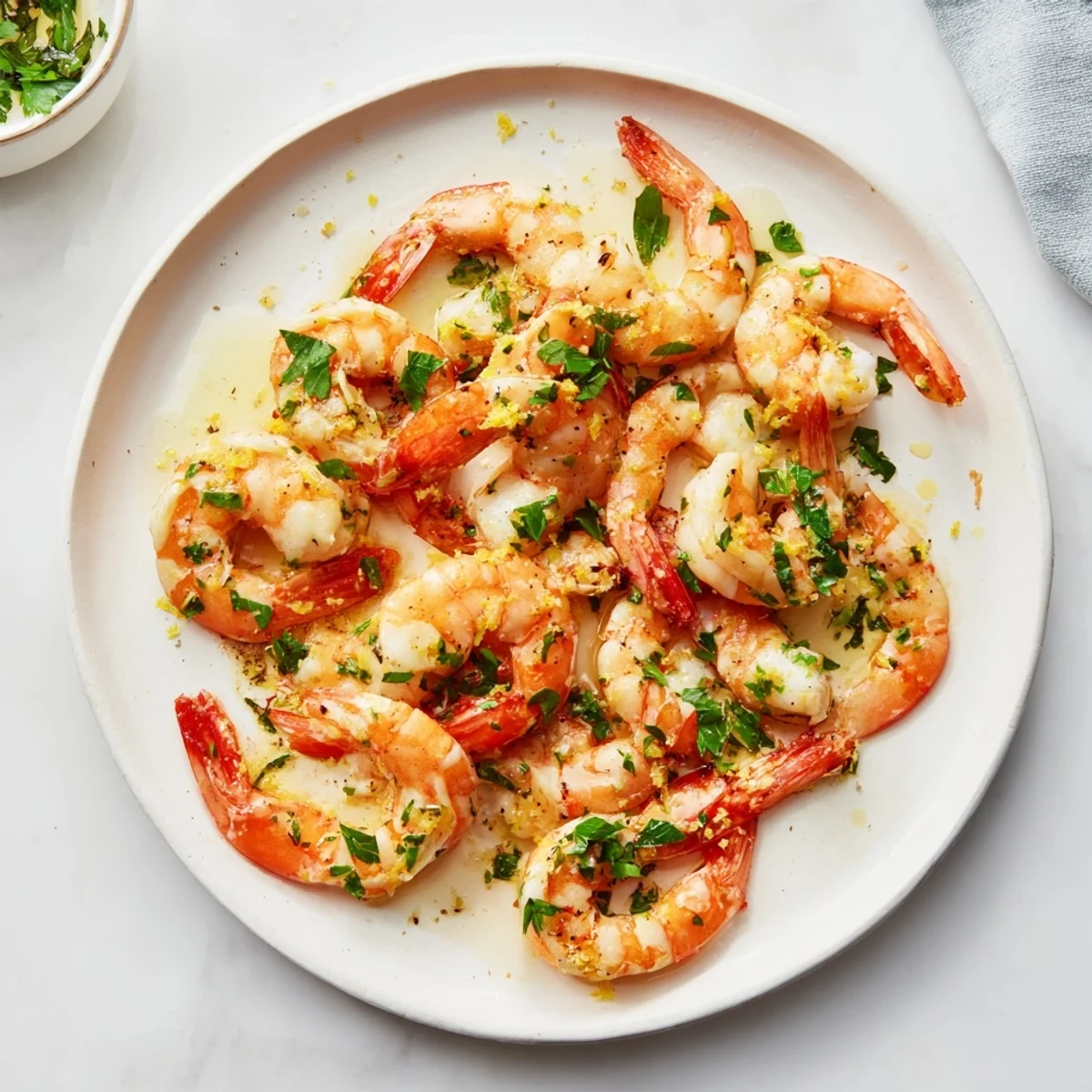
 This dish features tender shrimp lightly seasoned and sautéed in a flavorful blend of butter, garlic, and fresh lemon. The sauce balances richness with bright citrus notes, enhanced by a touch of red pepper flakes for subtle heat. Garnished with fresh parsley, it’s a versatile main that pairs beautifully with pasta, rice, or crusty bread. Preparation and cooking combine for a quick yet elegant meal perfect for any occasion.
I'll never forget the first time I made lemon garlic butter shrimp at home. It was inspired by a dinner I had at a small Italian restaurant by the coast, where the kitchen was open and I could watch the chef work their magic in what felt like mere minutes. The way the butter foamed and the shrimp turned from translucent to that perfect coral pink mesmerized me. I went home determined to recreate it, and after a few attempts, I discovered that the secret wasn't complexity—it was letting simple, quality ingredients speak for themselves. Now, this has become my go-to recipe when I want to impress without stress.
I made this for my partner on our anniversary last spring, served over pasta with a crisp white wine, and the whole meal took less time to cook than we spent setting the table. That's when I knew this recipe was truly special—not because of fancy techniques, but because it freed me up to actually enjoy the moment rather than being stuck at the stove.
Ingredients
- 1 lb (450 g) large shrimp, peeled and deveined: Look for shrimp that still have a slight curl and feel firm to the touch. Frozen shrimp work beautifully here—just thaw them completely and pat them very dry before cooking, as any excess moisture will steam them instead of giving you that gorgeous sear
- 1/2 tsp salt: Use fine sea salt or kosher salt. You're seasoning the shrimp directly, so it distributes evenly and enhances their natural sweetness
- 1/4 tsp freshly ground black pepper: Freshly ground makes all the difference—it has a brightness that pre-ground pepper simply can't match
- 3 tbsp unsalted butter: Unsalted butter lets you control the saltiness of your dish. I've learned that good butter is worth the small splurge here
- 2 tbsp olive oil: This prevents the butter from browning too quickly. Use a good quality oil, but save your expensive extra virgin for finishing
- 4 large garlic cloves, minced: The larger the clove, the fresher it tastes. Mince by hand if you have time—it's more aromatic than pre-minced
- Zest of 1 lemon: A microplane zester creates the most tender, flavorful zest. This is where so much of the dish's brightness comes from
- 2 tbsp fresh lemon juice (about 1/2 lemon): Fresh is non-negotiable. Bottled lemon juice tastes metallic by comparison
- 1/4 tsp red pepper flakes (optional): A whisper of heat that makes people say "what is that flavor?" without quite knowing
- 2 tbsp fresh parsley, chopped: Parsley does more than look pretty—it adds a fresh, grassy note that balances the richness of the butter
- Lemon wedges, for serving: People will squeeze these over their portion. They're not optional
Instructions
- Get everything ready:
- Pat your shrimp completely dry with paper towels. This is the step people skip, but it's absolutely essential. Wet shrimp won't develop that caramelized exterior—they'll just steam. Season them generously with salt and pepper on both sides, letting the seasonings nestle into the curves of each shrimp.
- Heat your pan properly:
- Place a large skillet over medium-high heat. You want it hot enough that a drop of water sizzles immediately, but not so hot that oil smokes. Add 1 tablespoon of butter with the olive oil. The combination prevents the butter from burning while giving you that rich flavor.
- Sear the shrimp with confidence:
- Once the butter foams and smells nutty, carefully place each shrimp in the pan in a single layer. Resist the urge to move them. Let them sit for 1 to 2 minutes until the underside turns a coral pink and develops a slight crust. Flip each one and cook the other side for another minute or so until they're just opaque. They should still have a slight bounce when you press them—overcooked shrimp becomes rubbery, and that's the only real mistake you can make here.
- Build your sauce:
- Transfer the cooked shrimp to a clean plate. Lower the heat to medium and add the remaining butter and minced garlic to the skillet. This is my favorite part—the whole kitchen will smell incredible within 30 seconds. Listen for a gentle sizzle and watch the garlic, stirring often. You want it golden and fragrant, not browned and bitter. This takes about 1 minute.
- Brighten with citrus:
- Add the lemon zest and lemon juice to the garlic butter. The mixture will sizzle and steam slightly. Add the red pepper flakes if you're using them. Let everything simmer together for about 1 minute so the flavors marry and the raw lemon juice softens.
- Bring it all together:
- Return the shrimp (and any juices that collected on the plate) to the skillet. Gently toss everything together so each piece of shrimp gets coated in that gorgeous sauce. Warm through for 1 to 2 minutes. Remove from heat immediately—the residual heat is enough.
- Finish and serve:
- Scatter fresh chopped parsley over the top. The green color and fresh flavor are the perfect final touch. Serve immediately with lemon wedges on the side so people can adjust the tartness to their taste.
 Save to Pinterest
 There's something magical about watching someone take their first bite of this dish. Their eyes light up as they taste the brightness of the lemon mixed with the richness of the butter, and somehow in that moment, a simple weeknight dinner feels like celebration.
What to Serve It With
This dish is incredibly versatile, which is part of why I make it so often. Over fresh pasta—especially linguine or fettuccine—it becomes an elegant dinner. The sauce clings to the noodles beautifully, and you get that satisfying carb element. Over rice, it's lighter and feels a bit more refined. Some of my favorite moments have been serving it alongside crusty bread with a bowl of the pan sauce on the side, watching guests tear off pieces of bread and soak up every precious drop. I've even spooned it over polenta, and the combination is incredible.
Making It Your Own
One of the things I love most about cooking is making a recipe truly yours. This dish is a perfect canvas for that kind of creativity. The base is so strong that variations feel natural rather than like you're straying from the original. I've added fresh basil in place of the parsley when I had it on hand, and it shifted the whole flavor profile in a wonderful direction. A dear friend adds a splash of white wine after searing the shrimp and lets it reduce before adding the garlic, which adds an extra layer of sophistication. Another friend swirls in a tablespoon of heavy cream at the very end, and honestly, it's indulgent and delicious. Don't be afraid to adapt based on what you have and what you love.
- Fresh dill works beautifully in place of parsley and pairs wonderfully with the citrus
- A pinch of smoked paprika can add subtle depth if you want something a touch more complex
- A tablespoon of capers stirred in at the end adds a briny, sophisticated note
Timing and Preparation
The 20-minute total time is genuine—I've made this dish enough times to know exactly how long each step takes. The beauty of shrimp is that they cook so quickly, which means this is actually doable on a weeknight, not just in theory but in practice. Mise en place, as chefs say, is your friend here. Chop your garlic, zest and juice your lemon, chop your parsley, and arrange it all on the counter before you start cooking. It takes an extra 5 minutes of prep but transforms the actual cooking from slightly frantic to calm and meditative. I've found that this little ritual—the quiet before the activity—makes the whole experience more enjoyable.
 Save to Pinterest
 This recipe has been my secret weapon for making people feel cared for through food. It's simple enough that it never feels like a burden, but delicious enough that it always feels like a gift.
Recipe Questions & Answers
- → What type of shrimp is best to use?
-
Large, peeled, and deveined shrimp work best for this dish to ensure even cooking and easy eating.
- → Can I adjust the spiciness?
-
Yes, red pepper flakes are optional and can be reduced or omitted for a milder flavor.
- → What sides pair well with this dish?
-
Serve alongside pasta, steamed rice, or crusty bread to soak up the flavorful butter sauce.
- → Is there a way to enrich the sauce?
-
Swirling in a tablespoon of heavy cream at the end adds richness and smoothness.
- → Can other herbs be used as garnish?
-
Yes, fresh basil or dill make excellent alternatives to parsley for garnish.