
 Save to Pinterest
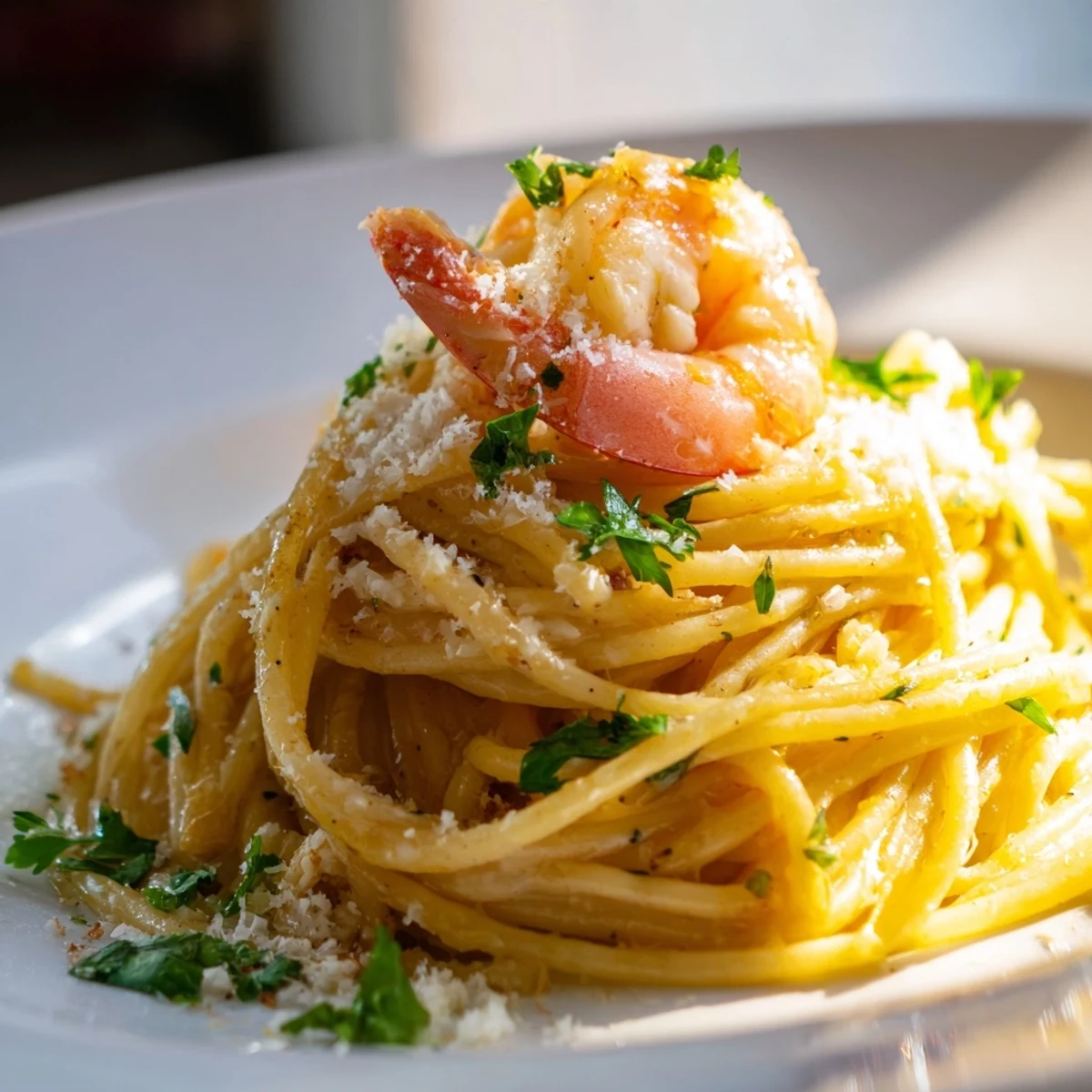
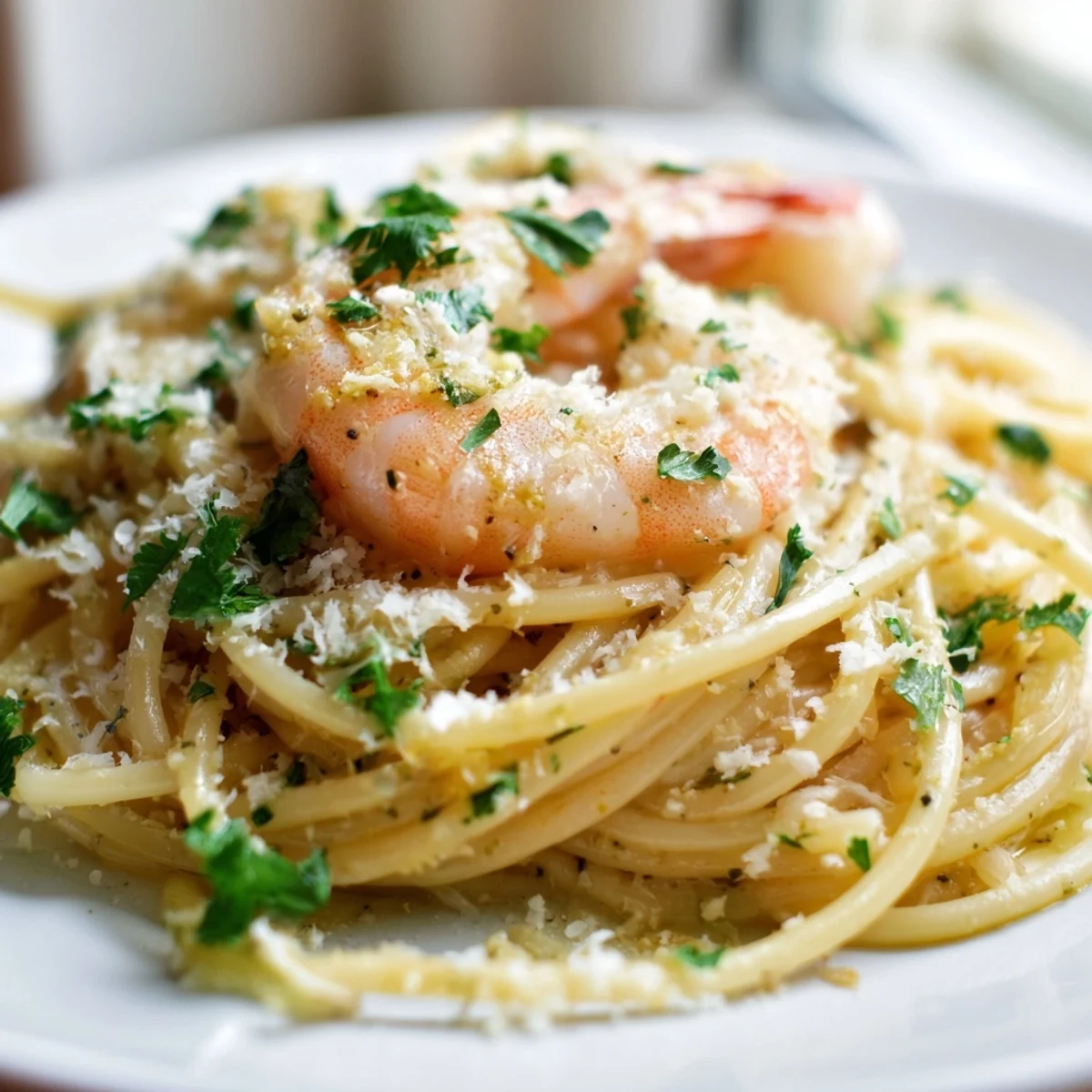
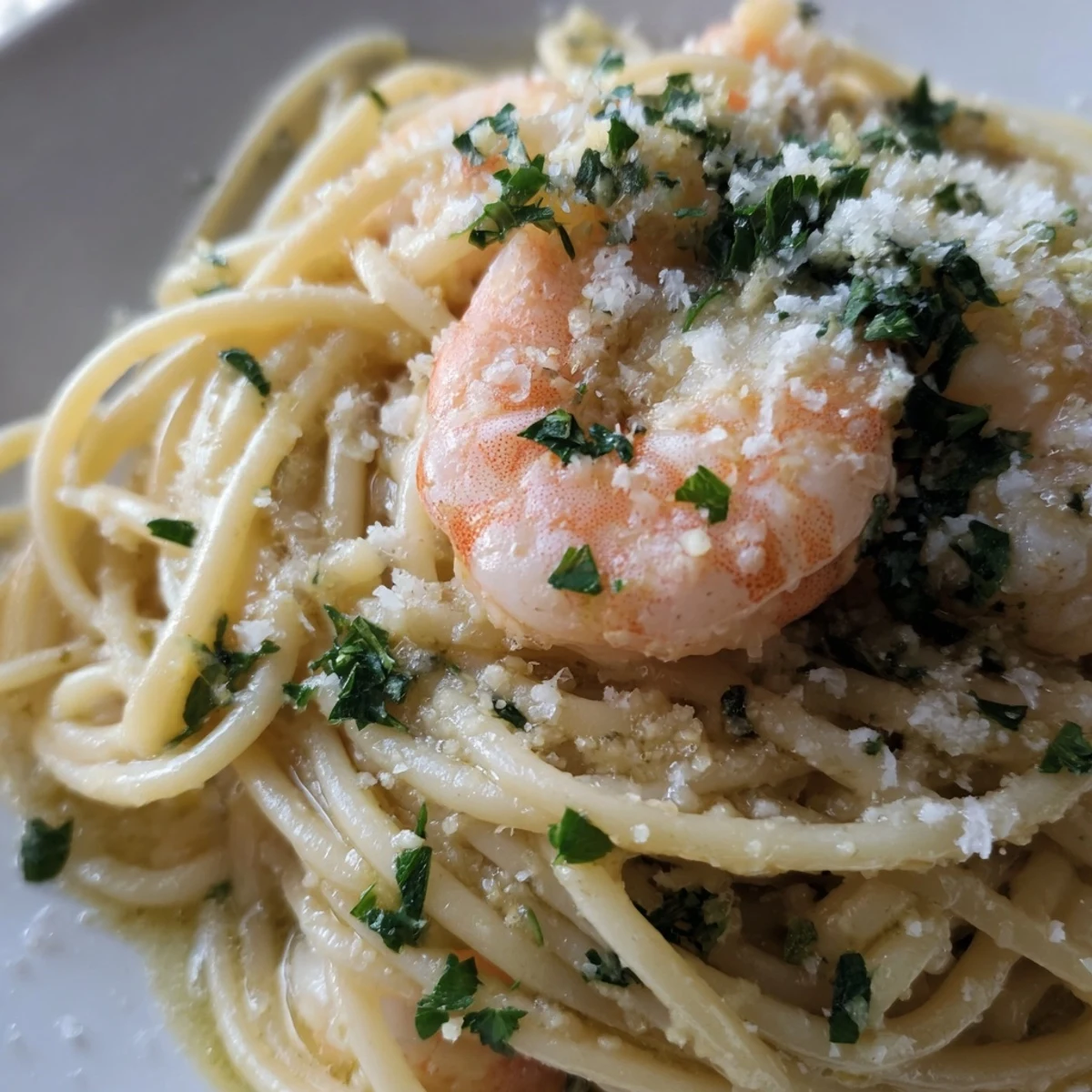
 This vibrant dish combines succulent shrimp with perfectly cooked spaghetti, tossed in a tangy lemon-garlic sauce. The sauce blends fresh lemon zest and juice with garlic, butter, and olive oil, creating a bright, silky coating. A splash of white wine or broth adds depth, while red pepper flakes offer subtle heat. Fresh parsley and optional Parmesan finish the dish with flavorful accents. Ideal for an easy, elegant weeknight dinner that balances zest and richness with minimal prep time.
My neighbor knocked on my door one Tuesday holding a bag of shrimp she couldn't use before leaving town. I had lemon, garlic, and pasta—nothing fancy, just what was already there. Thirty minutes later I was sitting on my counter eating straight from the skillet, barefoot, wondering why I'd ever bothered with complicated dinners.
I made this for my sister after she had her second kid, and she cried—not because it was emotional, but because she said it was the first thing in weeks that tasted like actual food and not something microwaved in a fog. She texted me two days later asking for the recipe, even though there barely is one. It's more about the moment the garlic hits the butter and you remember why you love cooking at all.
Ingredients
- Spaghetti or linguine: Use whatever long pasta you have, and don't skip salting the water—it's the only chance to season the pasta itself.
- Large shrimp: Buy them already peeled if you can, because life is short and nobody wants to deal with shells after a long day.
- Olive oil and butter: The combination gives you richness and flavor that either one alone just can't match.
- Garlic: Mince it yourself instead of using jarred, the difference is night and day.
- Lemon: Zest it before you juice it, and use a real lemon—bottled juice tastes like regret.
- White wine: A cheap Sauvignon Blanc works perfectly, or swap in broth if you don't have wine open.
- Crushed red pepper flakes: Just a pinch adds warmth without making it spicy.
- Fresh parsley: It brightens everything up and makes it look like you tried harder than you did.
- Parmesan cheese: Optional but highly recommended, especially if you grate it fresh.
Instructions
- Boil the pasta:
- Get your water boiling and salt it until it tastes like the ocean. Cook the pasta just until al dente, and before you drain it, scoop out half a cup of that starchy water—it's liquid gold for making the sauce cling.
- Prep the shrimp:
- Pat them completely dry with paper towels so they sear instead of steam. Season lightly with salt and pepper while the pasta cooks.
- Sear the shrimp:
- Heat your skillet until it's really hot, then add oil and butter and let them shimmer. Lay the shrimp in a single layer and resist the urge to move them—let them get golden on one side before flipping.
- Build the sauce base:
- After you pull the shrimp out, drop the heat to medium and add the rest of your butter and oil. Toss in the garlic and stir constantly for about a minute until it smells incredible but hasn't turned brown.
- Add the lemon and wine:
- Pour in the zest, juice, and wine, then let it bubble and reduce for a few minutes. The kitchen will smell so good you'll want to bottle it.
- Bring it all together:
- Toss the shrimp back in, add the drained pasta, and start mixing everything with tongs. Add splashes of pasta water until the sauce turns silky and coats every strand.
- Finish and serve:
- Kill the heat, shower it with parsley and Parmesan, and serve it right away with extra lemon wedges on the side. Don't let it sit or the pasta will drink up all the sauce.
 Save to Pinterest
 I served this to a friend who swore she hated shrimp, and she went back for seconds without saying a word. Later she admitted it was the lemon and garlic that changed her mind, but I think it was also the fact that everything tasted bright and alive instead of fishy and sad. Now she asks me to make it every time she comes over, and I never say no.
Making It Your Own
If you want it creamier, stir in a splash of heavy cream right after the lemon juice goes in. I've also added halved cherry tomatoes along with the garlic, and they burst into the sauce and make it even better. Sometimes I throw in a handful of baby spinach at the very end, just to feel like I ate a vegetable.
What to Serve With It
A simple arugula salad with lemon vinaigrette is all you need, or some crusty bread to mop up the sauce. I like pouring a cold glass of Pinot Grigio and calling it a night. If you're feeding kids, skip the red pepper flakes and they'll devour it.
Storing and Reheating
Leftovers keep in the fridge for up to two days, though the pasta will soak up most of the sauce. When you reheat it, add a splash of water or broth to bring it back to life, and do it gently in a skillet instead of the microwave if you can.
- If you're making it ahead, cook the shrimp and sauce separately and toss everything together right before serving.
- You can swap the shrimp for scallops or even chicken if that's what you have.
- Don't skip reserving the pasta water, even if you think you won't need it—you almost always do.
 Save to Pinterest
 This is the kind of dinner that reminds you cooking doesn't have to be hard to be worth it. Make it on a random Wednesday and pretend you're someone who has their life together, even if it's just for thirty minutes.
Recipe Questions & Answers
- → How do I keep the shrimp tender and juicy?
-
Cook shrimp quickly over medium-high heat just until opaque; overcooking can make them tough. Patting dry before cooking helps achieve a nice sear.
- → Can I substitute the white wine in the sauce?
-
Yes, chicken or vegetable broth can replace white wine to maintain moisture and depth without altering the flavor significantly.
- → What type of pasta works best for this dish?
-
Spaghetti or linguine hold the sauce well and complement the shrimp’s texture, but feel free to use gluten-free alternatives if needed.
- → How do I prevent the sauce from becoming watery?
-
Reserve some pasta water to adjust consistency; add gradually while tossing to create a silky, cohesive sauce without excess liquid.
- → Is Parmesan cheese necessary for finishing?
-
Parmesan adds a savory richness but can be omitted or replaced depending on dietary preferences; fresh parsley still provides a lovely herbal note.