
 Save to Pinterest
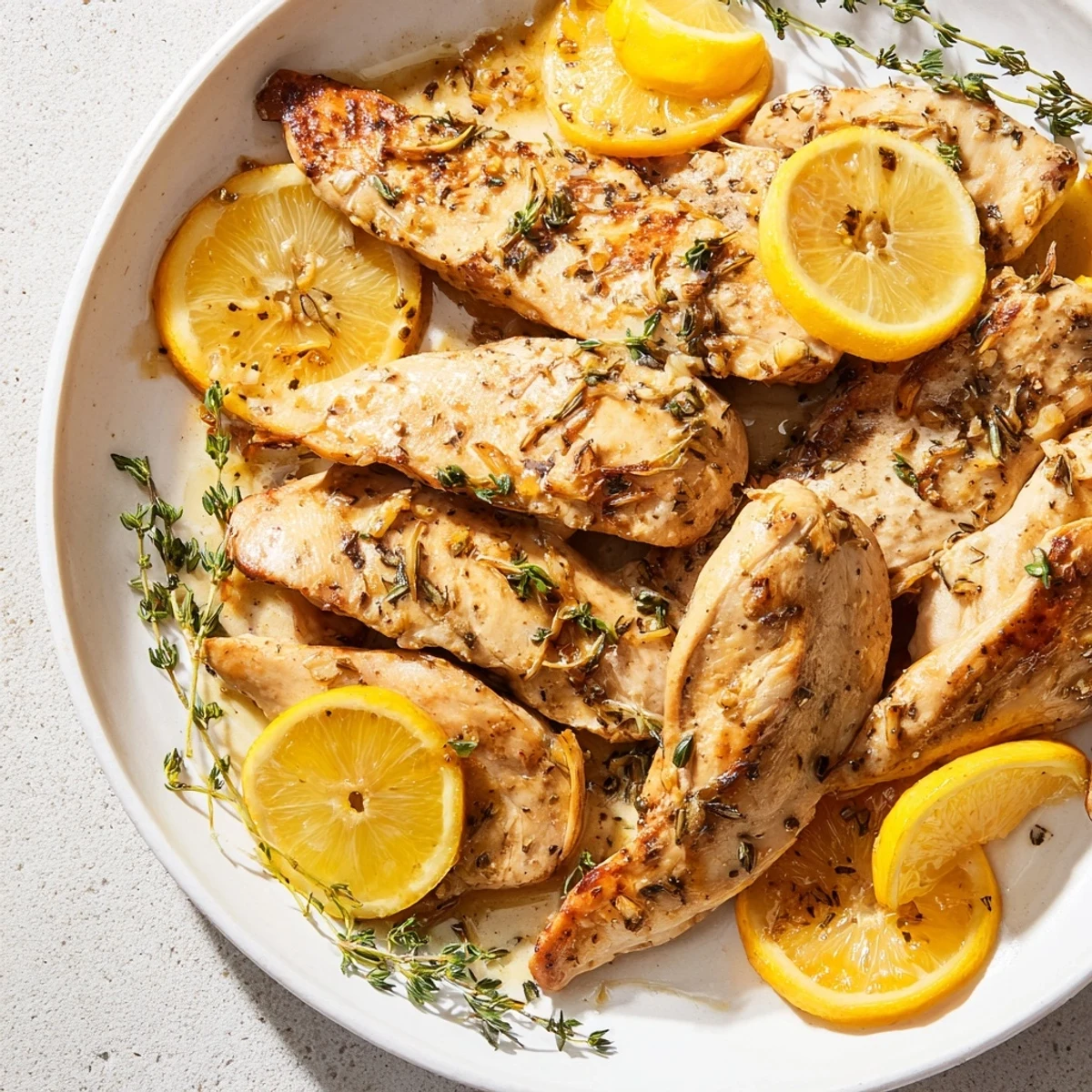
 This dish features tender chicken breasts marinated in a bright blend of lemon juice, zest, and fresh thyme, combined with garlic and olive oil. After marinating, the chicken is pan-seared to achieve a golden crust while maintaining juicy tenderness inside. The finishing touch includes fresh lemon slices and thyme sprigs as garnish, creating a light and refreshing main dish ideal for quick weeknight dinners. Ideal served alongside roasted potatoes, rice, or a fresh salad.
There's a particular Thursday evening that comes to mind—I was standing at the kitchen counter with just a lemon and some thyme from the garden, wondering what would turn ordinary chicken breasts into something that felt like a small celebration. That night, I discovered that the simplest ingredients, when they work together, don't need much else. This lemon thyme chicken became a weeknight staple that somehow tastes both effortless and intentional.
I remember cooking this for friends who showed up unexpectedly on a summer evening, and how the smell of thyme hitting hot oil made everyone pause mid-conversation. One guest asked if I'd been planning to impress them, and I laughed because it was genuinely spontaneous—just good ingredients and timing. That's when I realized this dish has a quiet magic to it.
Ingredients
- Boneless, skinless chicken breasts (4, about 150 g each): Look for breasts that are roughly the same thickness so they cook evenly; if one side is noticeably thicker, gently pound it with a meat mallet to level things out.
- Fresh thyme leaves (2 tablespoons, or 2 teaspoons dried): Fresh thyme is brighter and more aromatic, but dried works beautifully if that's what you have—just don't skip it because thyme is the whole character of this dish.
- Lemons (2 large, juiced and zested): The zest brings fragrant oil into the marinade while the juice tenderizes the chicken, so use both parts without hesitation.
- Olive oil (3 tablespoons, plus a drizzle for the pan): Quality matters here because the oil carries flavor directly into the chicken; choose something you'd actually taste on bread.
- Garlic cloves (3, minced): Mince them small so they distribute evenly through the marinade and create little pockets of flavor throughout the chicken.
- Salt and freshly ground black pepper (1 teaspoon salt, ½ teaspoon pepper): Freshly ground pepper makes a noticeable difference in brightness, so crack it yourself if you can.
- Lemon slices and fresh thyme sprigs (for garnish): These aren't decoration—they echo the flavors already in the chicken and make the plate feel intentional.
Instructions
- Whisk the marinade together:
- In a medium bowl, combine the olive oil, lemon juice, lemon zest, minced garlic, thyme, salt, and pepper. Stir everything until it looks and smells alive—you want the herbs to be distributed throughout, not sitting in clumps at the bottom.
- Marinate the chicken:
- Place the chicken breasts in a large resealable bag or shallow dish and pour the marinade over them, making sure each piece gets coated. Slip it into the refrigerator for at least 20 minutes, though 45 minutes to an hour will give you deeper flavor without drying the chicken out.
- Heat the skillet:
- Set a large skillet over medium-high heat and let it warm for a minute or so until a drop of water sizzles on contact. You want it hot enough to create a golden crust, but not so aggressive that the outside browns before the inside cooks through.
- Sear the chicken:
- Remove the chicken from the marinade and shake off the excess—you want a light coating, not drenched meat. Add a small drizzle of olive oil to the pan, then lay the chicken breasts down and let them sit undisturbed for 5 to 6 minutes until the bottoms turn a deep golden brown. Flip them over and cook the other side for another 5 to 6 minutes until cooked through (an instant-read thermometer should read 74°C or 165°F at the thickest part).
- Rest and serve:
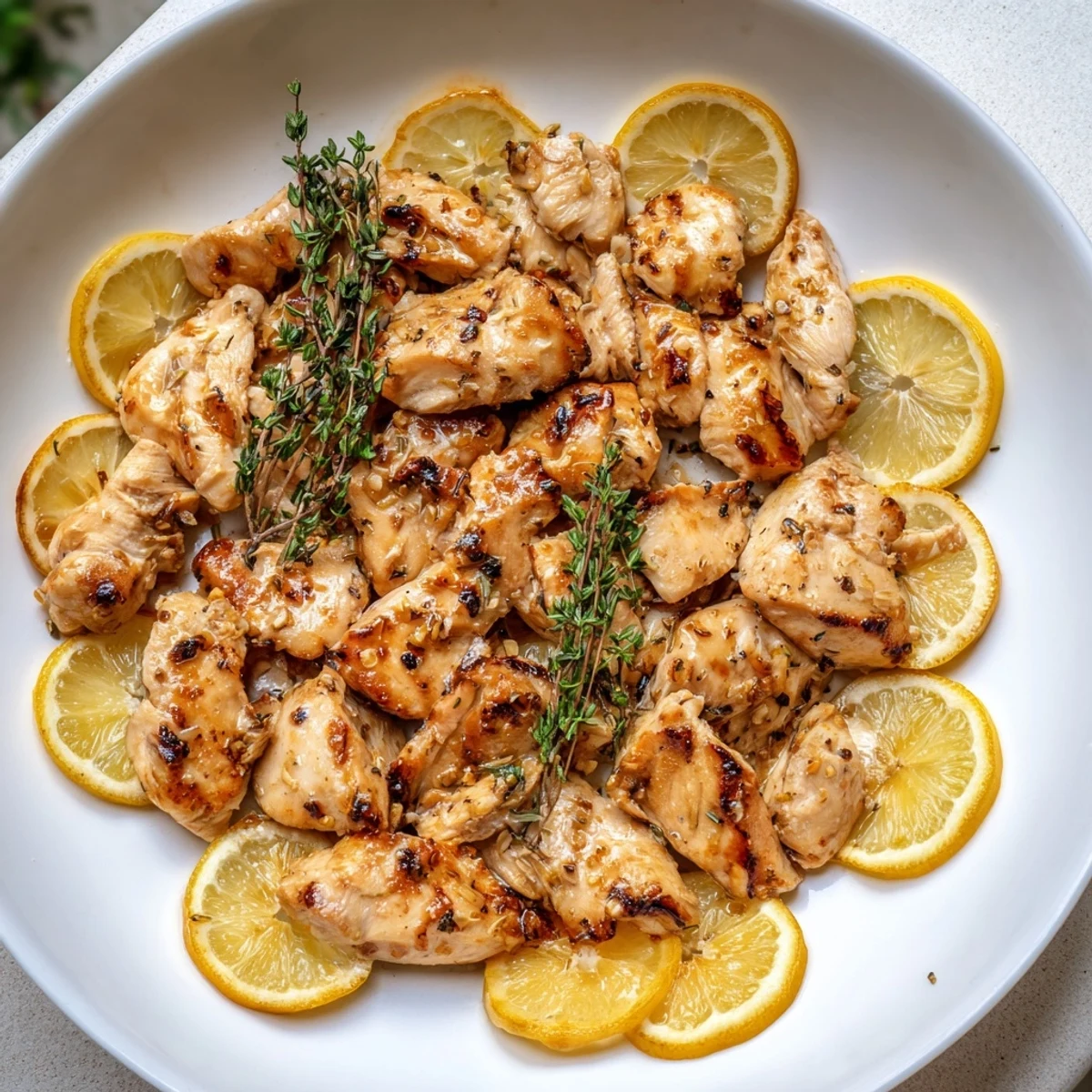
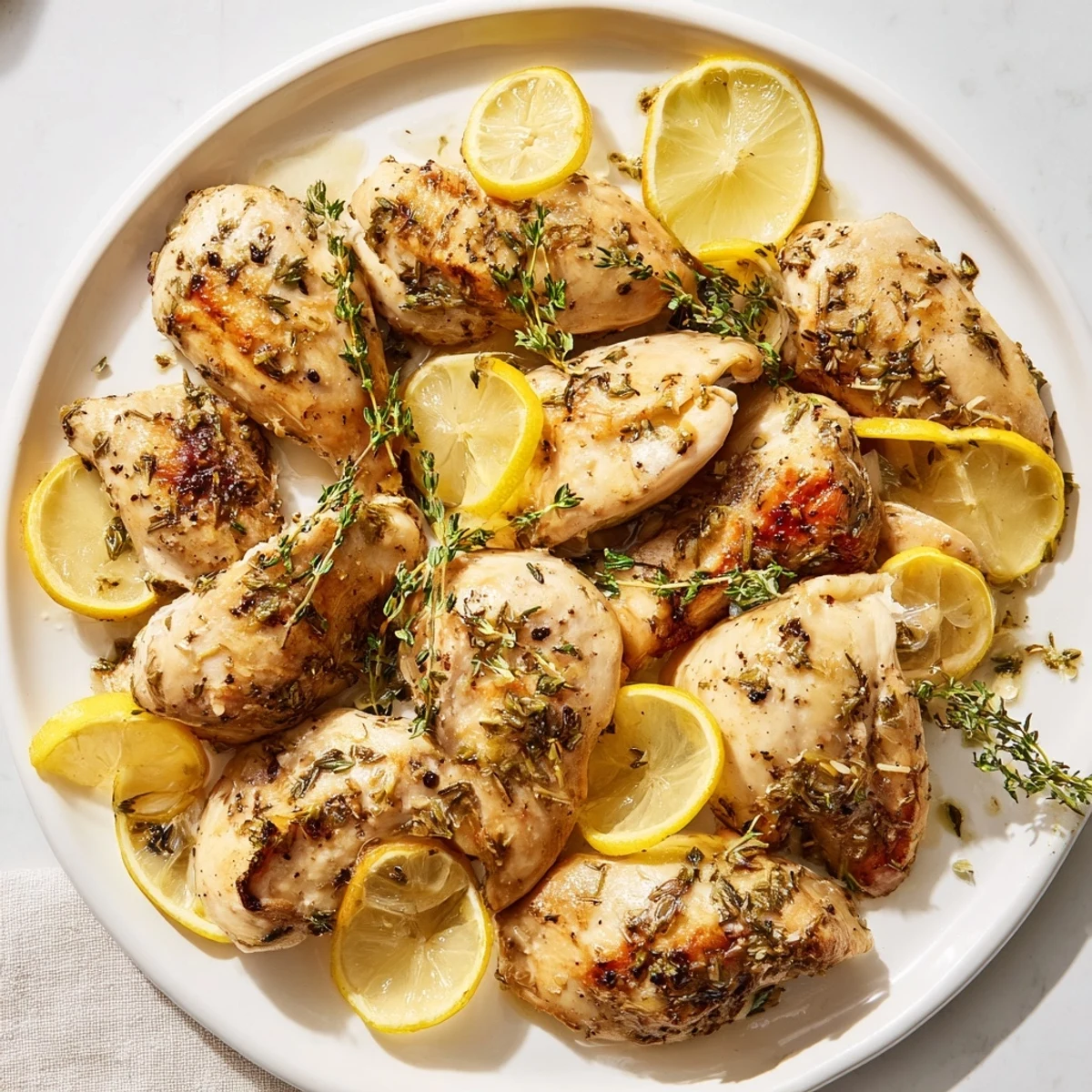
- Transfer the chicken to a plate and let it rest for 2 to 3 minutes—this keeps it juicy instead of letting all the moisture spill out when you slice it. Serve with lemon slices and a sprig of fresh thyme on top, letting the garnish do some of the flavor work.
 Save to Pinterest
 There's something about sitting down to eat this chicken and realizing you've made something that tastes far more sophisticated than the effort it required. It's one of those dishes that reminds you why cooking for yourself or for people you care about matters—it bridges the gap between simple and special.
Variations Worth Trying
Thighs are more forgiving than breasts and stay juicier, though they'll take a couple of minutes longer to cook through. Swap them in if you prefer darker meat, but watch the internal temperature carefully since the thicker shape means the center takes longer to reach safe heat. You can also add a generous splash of white wine to the pan right after searing—it mingles with the pan juices and becomes a light sauce that's hard to resist poured over rice.
What Plays Well Alongside
Roasted potatoes cut into wedges and tossed with olive oil and salt turn golden in the same time the chicken cooks, so you can build them into your timeline. A crisp green salad with a simple vinaigrette feels right next to this chicken because the acidity echoes the lemon in the marinade without competing. Rice absorbs the pan juices beautifully and turns humble grains into something memorable.
Making It Your Own
Once you feel comfortable with this basic approach, you've created a framework for dozens of variations—try rosemary instead of thyme, or lime juice in place of lemon if you're after something slightly different. The technique stays the same; only the aromatics shift. This flexibility is what makes it such a reliable dish to return to again and again.
- Fresh herbs from a garden or farmers market tend to be more aromatic than supermarket versions, so take advantage if you spot something beautiful.
- A meat mallet and two minutes spent evening out the chicken thickness prevents some pieces from drying out while others stay rare.
- Let your skillet get properly hot before the chicken touches the surface—hesitation creates steam instead of the golden crust you're after.
 Save to Pinterest
 This chicken has a way of becoming a go-to when you want something that feels fresh and light but still deeply satisfying. Keep it in your regular rotation.
Recipe Questions & Answers
- → How long should the chicken marinate?
-
Marinate the chicken breasts for at least 20 minutes; up to 2 hours allows more flavor absorption.
- → Can I use dried thyme instead of fresh?
-
Yes, 2 teaspoons of dried thyme can substitute 2 tablespoons of fresh thyme leaves effectively.
- → What is the best way to achieve a golden sear?
-
Preheat a skillet over medium-high heat, add a drizzle of olive oil, and cook the chicken without crowding until golden brown on both sides.
- → Is it possible to use chicken thighs instead?
-
Yes, chicken thighs can be used; just adjust cooking time accordingly to ensure they are cooked through.
- → How can I add more depth of flavor during cooking?
-
A splash of white wine added to the pan while cooking enhances the overall flavor profile.