
 Save to Pinterest
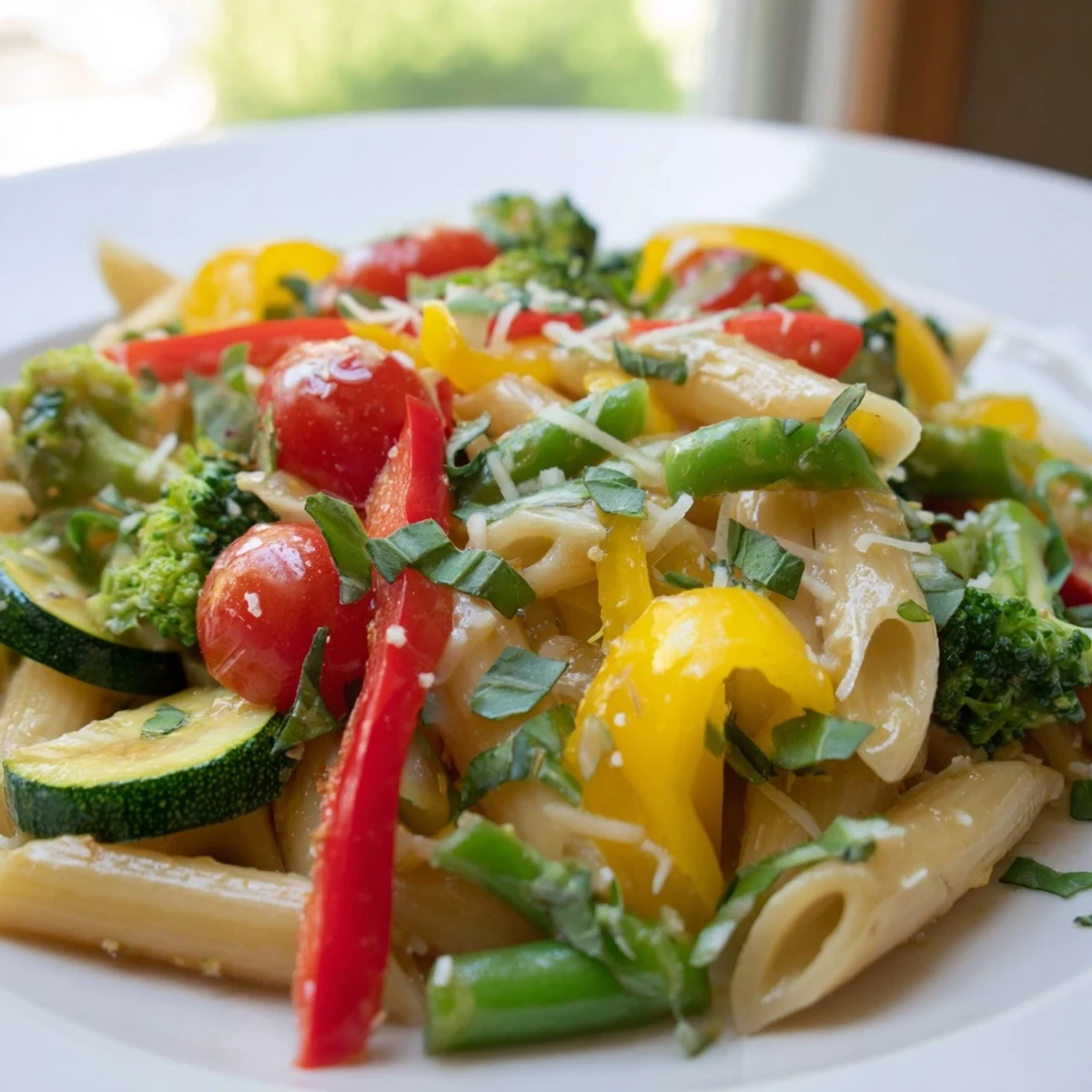
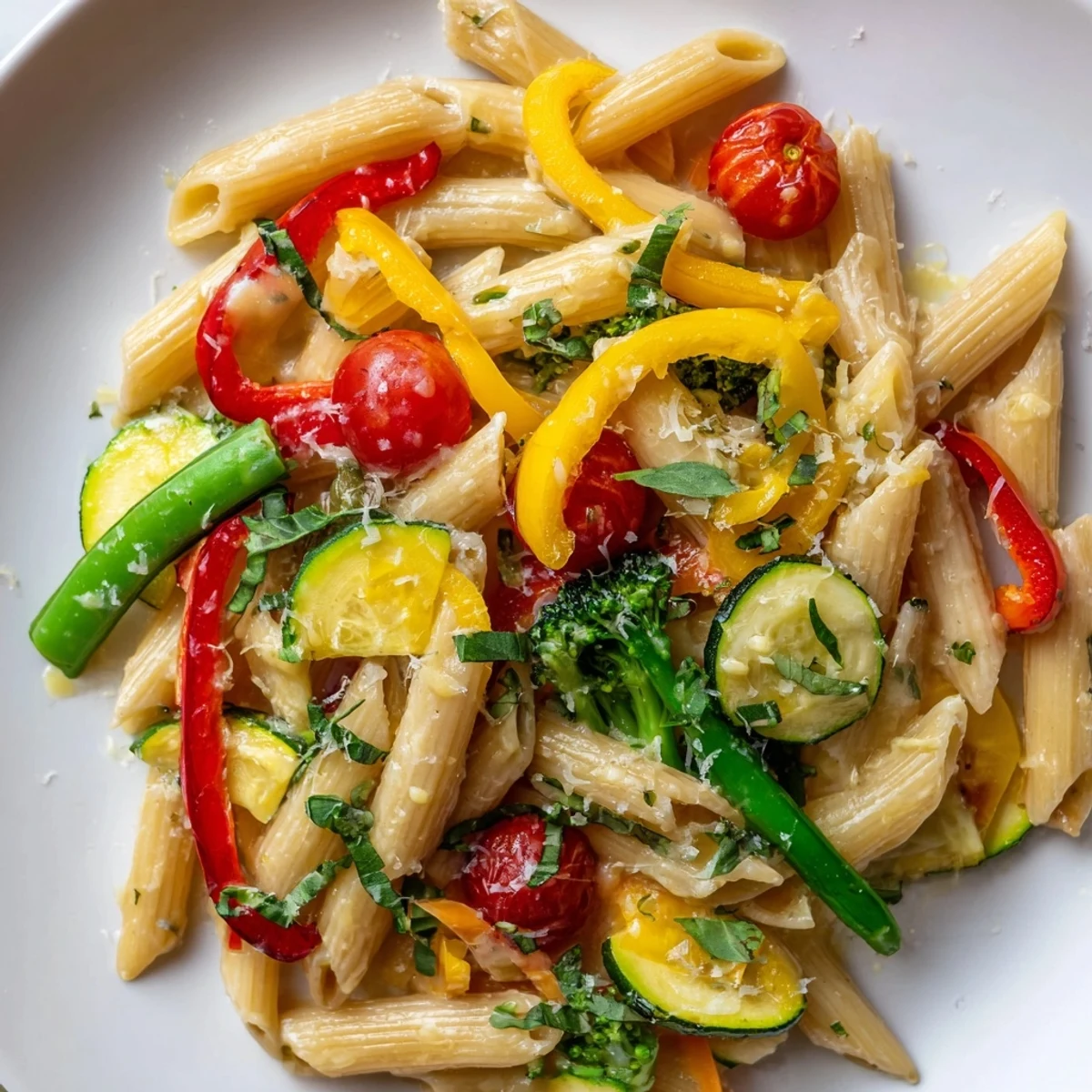
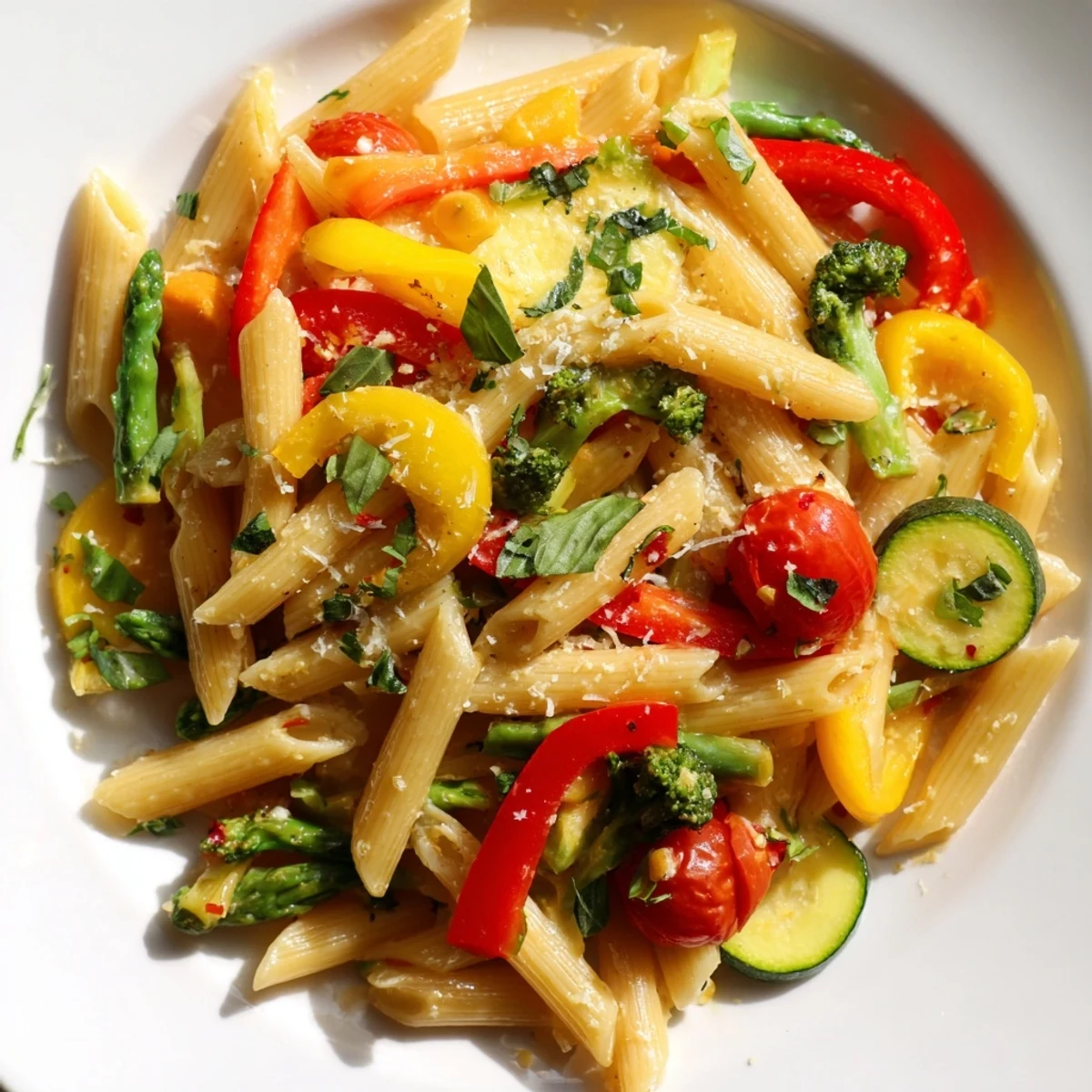
 This vibrant Italian classic brings together perfectly cooked penne or spaghetti with an array of fresh spring vegetables. The dish features crisp-tender zucchini, yellow squash, bell pepper, broccoli, cherry tomatoes, and sugar snap peas, all tossed in a fragrant garlic and olive oil sauce brightened with fresh lemon juice.
Finishing touches include grated Parmesan cheese and a generous sprinkle of fresh basil and parsley. The result is a colorful, satisfying meal that celebrates the best of seasonal produce. Ready in just 40 minutes, this versatile dish works beautifully as a vegetarian main or can be enhanced with chicken or chickpeas for extra protein.
The first time I made Pasta Primavera, I was trying to use up an overflow of vegetables from my garden box. Everything was coming in at once and I couldn't bear to let anything go to waste. That chaotic summer evening taught me that sometimes the most beautiful dishes come from simple necessity.
I made this for my sister last spring when she was recovering from surgery and needed something comforting but light. She took three bites and actually teared up, saying it reminded her of our grandmother's kitchen even though Nonna never made anything quite like this. Sometimes food just hits that emotional chord regardless of the recipe.
Ingredients
- 400 g (14 oz) penne or spaghetti: Penne catches those vegetable bits in its tubes but spaghetti works beautifully for a more traditional Italian feel
- 1 small zucchini, sliced: Use younger zucchini for tender sweetness, avoiding those massive ones from your neighbor's garden
- 1 small yellow squash, sliced: Adds a lovely color contrast and slightly different sweetness than green zucchini
- 1 red bell pepper, julienned: The sweetness here balances everything else and makes the dish look stunning
- 1 cup cherry tomatoes, halved: They burst during cooking creating little pockets of concentrated summer flavor
- 1 cup sugar snap peas, trimmed: Leave them whole if they're small for satisfying crunch
- 1 cup broccoli florets: Cut them small so they cook quickly and stay bright green
- 3 tablespoons extra virgin olive oil: This is your foundation, don't skimp on quality
- 3 cloves garlic, minced: Fresh minced only, never jarred garlic which has an odd aftertaste
- 1/2 teaspoon crushed red pepper flakes: Optional but that gentle warmth makes everything pop
- 1/2 cup vegetable broth: Homemade creates the best sauce base but quality boxed works too
- Juice of 1 lemon: Freshly squeezed makes all the brightness possible
- 1/4 cup grated Parmesan cheese: The salt and umami that brings vegetables into focus
- Salt and freshly ground black pepper: Season as you go, layering the flavors
- 2 tablespoons fresh basil leaves, chopped: Add this last so it stays fragrant and vibrant
- 2 tablespoons fresh parsley, chopped: Flat leaf gives better flavor than curly varieties
Instructions
- Get your pasta water ready:
- Bring a large pot of generously salted water to a boil, then cook pasta until al dente, reserving that precious half cup of pasta water before draining
- Build the flavor base:
- Heat olive oil in your largest skillet over medium heat, add garlic and red pepper flakes if using, letting it sizzle just until fragrant, about one minute
- Start the harder vegetables:
- Add zucchini, yellow squash, bell pepper and broccoli, sautéing for four to five minutes until they're just tender but still have some bite
- Add the quick cookers:
- Toss in cherry tomatoes and sugar snap peas, cooking another two to three minutes until tomatoes start to soften and peas turn bright green
- Create the sauce:
- Pour in vegetable broth and lemon juice, letting everything simmer together for two minutes while seasoning with salt and pepper
- Bring it all together:
- Add the drained pasta to the skillet with Parmesan and splashes of that reserved pasta water until the sauce coats each strand perfectly
- Finish with fresh herbs:
- Stir in basil and parsley, taste and adjust seasoning, then serve immediately with extra Parmesan on the table
 Save to Pinterest
 My daughter now requests this every Sunday and has started helping me chop the vegetables. She calls it rainbow pasta and gets genuinely excited about eating her colors. Watching her discover that vegetables can be exciting has been one of my favorite parenting moments.
Making It Your Own
Swap vegetables based on what looks beautiful at the market. Asparagus in spring, green beans in summer, or cubes of butternut squash in fall all work beautifully with this formula.
The Wine Question
A crisp Pinot Grigio or Sauvignon Blanc cuts through the vegetables while complementing their natural sweetness. The acid in these wines mirrors the lemon in the sauce.
Timing Is Everything
Prep all your vegetables before starting any cooking. Once that skillet heats up, everything moves quickly and you don't want to be frantically chopping while garlic threatens to burn.
- Set up a large bowl for your vegetable prep
- Keep a measuring cup near the pasta pot
- Have all ingredients measured and ready
 Save to Pinterest
 There's something profoundly satisfying about turning a handful of simple vegetables into a meal that makes people pause and smile.
Recipe Questions & Answers
- → What vegetables work best in pasta primavera?
-
Spring vegetables shine in this dish—zucchini, yellow squash, bell peppers, broccoli, cherry tomatoes, and sugar snap peas provide a mix of colors, textures, and flavors that cook quickly and maintain their vibrant appearance.
- → How do I prevent the vegetables from becoming mushy?
-
Sauté vegetables in stages based on cooking time. Start with firmer vegetables like broccoli and squash, then add quicker-cooking cherry tomatoes and snap peas toward the end. This ensures everything stays crisp-tender rather than soft.
- → Can I make pasta primavera gluten-free?
-
Simply substitute the penne or spaghetti with your favorite gluten-free pasta. The sauce and vegetables naturally contain no gluten, making this an easy adaptation for those avoiding wheat.
- → How long does pasta primavera keep in the refrigerator?
-
Stored in an airtight container, pasta primavera keeps well for 3-4 days. Reheat gently with a splash of water or broth to revive the sauce, though the vegetables will soften slightly upon reheating.
- → What protein additions work well with this dish?
-
Grilled chicken strips, sautéed shrimp, or chickpeas complement the light vegetable flavors perfectly. Add them during the final toss so they heat through without overcooking.
- → Why is pasta water reserved?
-
The starchy pasta water helps bind the sauce, creating a silky coating that clings to each strand of pasta. It's a traditional Italian technique that brings all the elements together beautifully.