
 Save to Pinterest
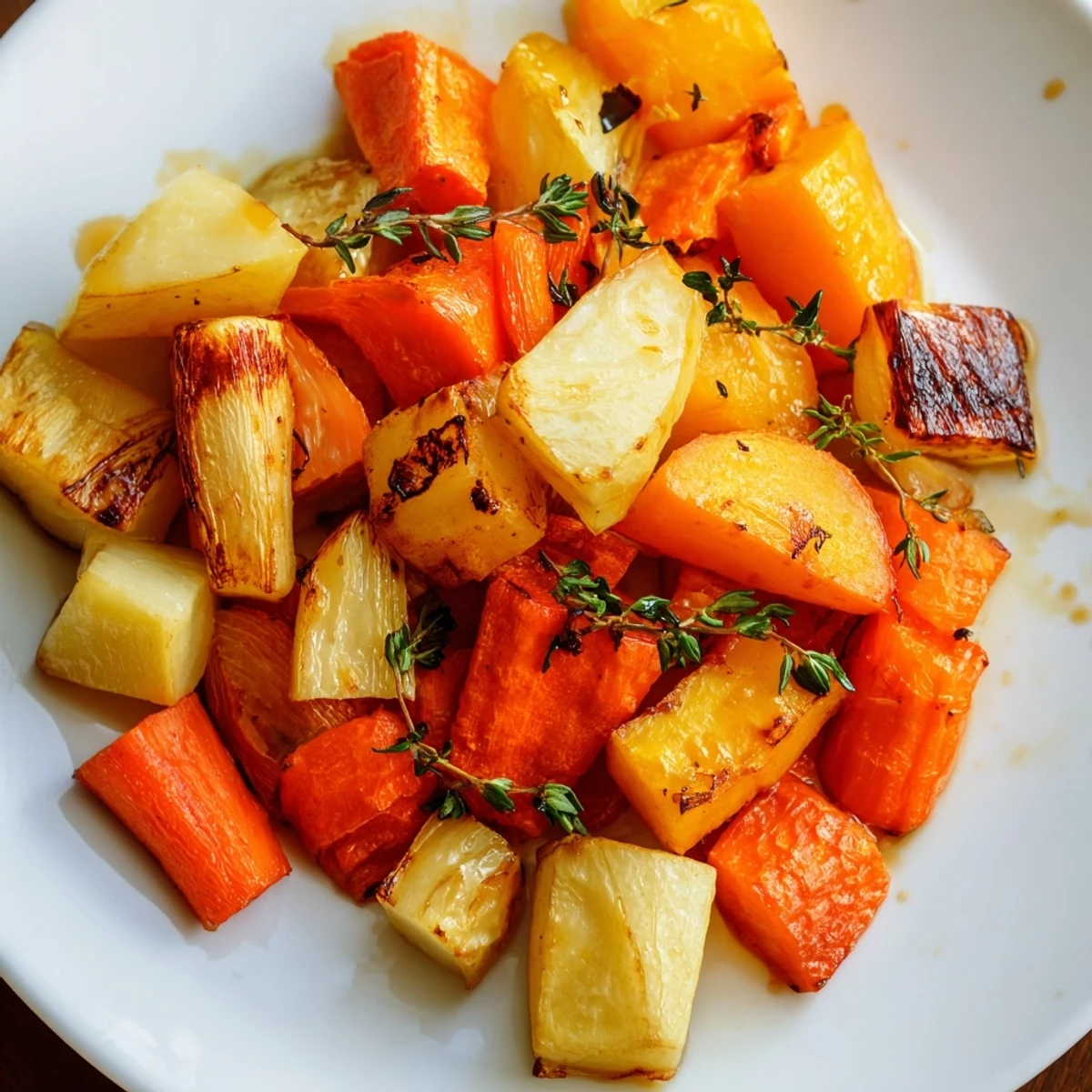
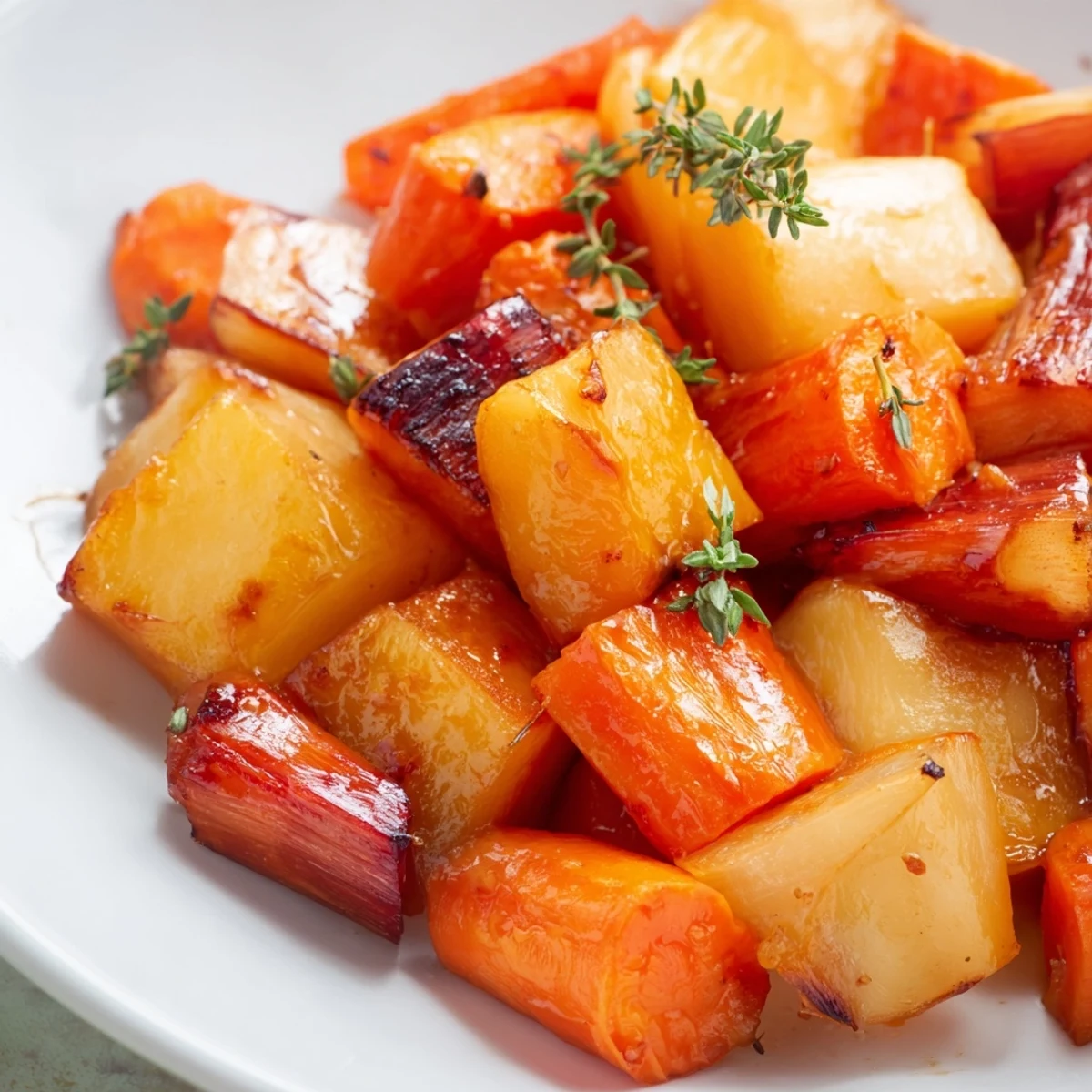
 This dish features a colorful blend of carrots, parsnips, sweet potatoes, and rutabaga, all coated in olive oil and maple syrup, then roasted to tender, golden perfection. The addition of balsamic vinegar and fresh thyme enhances the natural sweetness and earthiness of the vegetables, balancing sweet and savory flavors. Roasting at a high temperature helps caramelize the sugars, making this side dish a delightful addition to any menu, whether for family dinners or special gatherings. Simple to prepare and nutritionally balanced, it suits vegetarian and gluten-free preferences alike.
Last November, I stood in my kitchen watching the first real frost settle on the garden outside, and I realized I'd been overthinking side dishes all season. A friend had brought over a bunch of root vegetables from her farm stand, and instead of roasting them plain like I usually do, I grabbed the maple syrup from the back of the pantry on a whim. That one bottle changed everything, turning ordinary chunks of carrot and parsnip into something golden and caramelized that had everyone at the table asking for the recipe.
What really stuck with me was cooking this for my sister's potluck during the holidays last year. She'd asked me to bring something that wasn't salad, and I showed up with this dish still warm in a covered baking dish. Three people asked me to write down the ingredients before dessert was even served, and somehow it became the thing everyone remembered about that meal.
Ingredients
- Carrots: Look for medium ones that feel firm, not bendy, since they'll hold their shape and caramelize beautifully in the heat.
- Parsnips: They become creamy inside when roasted, with a subtle sweetness that plays wonderfully against the maple.
- Sweet potato: Choose ones similar in size to your other vegetables so everything finishes cooking at the same time.
- Rutabaga or turnip: This is your wildcard ingredient, adding an earthy note that keeps the dish from tasting one-dimensional.
- Olive oil: Use something you actually like tasting, because it's not being cooked down into oblivion here.
- Pure maple syrup: Don't use the pancake stuff; real maple is worth those extra dollars and actually tastes like something.
- Balsamic vinegar: A splash of this adds a subtle tang that pulls all the sweetness into balance.
- Fresh thyme: If you have it, use it; if not, dried works perfectly fine and keeps for ages in your spice cabinet.
- Salt and pepper: These aren't afterthoughts here, they're doing real work seasoning and brightening the vegetables.
Instructions
- Heat your oven and prep your pan:
- Turn the oven to 425°F and line a big baking sheet with parchment paper. This matters because it keeps the vegetables from sticking and makes cleanup actually pleasant instead of a scrubbing nightmare.
- Combine and cut your vegetables:
- Get all your root vegetables cut into roughly 1-inch pieces so they cook evenly. Uneven pieces means some burn while others stay hard, which defeats the whole purpose.
- Make your glaze:
- Whisk together the oil, maple syrup, vinegar, thyme, salt, and pepper in a small bowl. This mixture is your secret weapon, so take a second to make sure it's well combined and smooth.
- Coat everything:
- Pour your glaze over the vegetables and toss with your hands or a big spoon until every piece is coated. Don't be shy about this step; naked vegetables won't caramelize the same way.
- Spread and roast:
- Arrange the vegetables in a single layer on your baking sheet. Let them sit in the oven for 35 to 40 minutes, stirring once halfway through, until the edges are golden and you can pierce them easily with a fork.
- Finish and serve:
- Pull them from the oven while they're still warm, maybe scatter a few extra thyme leaves on top if you're feeling fancy, and serve immediately.
 Save to Pinterest
 My mom took one bite at a family dinner and said, 'This is what fall tastes like,' and that's the moment I realized it wasn't really about the recipe at all. It was about creating something warm and seasonal that made people pause and actually taste their food instead of just eating it on the way to the next thing.
Why Maple Syrup Is Your Secret Weapon
Maple syrup isn't just breakfast topping sweetness; it's deeper than that, almost smoky when it caramelizes in the oven. It coats the vegetables and helps them brown instead of steam, which is the entire difference between soggy roasted vegetables and ones that are crispy at the edges and tender inside. The tiny bit of complexity it adds makes people wonder what's in the dish, and when you tell them it's just maple, they're always surprised it could make such a difference.
Timing and Temperature Matter More Than You'd Think
Four hundred and twenty-five degrees sounds hot, but it's not hot enough to burn the maple syrup before the vegetables soften, which is the exact balance you're aiming for. If your oven runs cold, you might need to add five or ten minutes; if it runs hot, start checking at 30 minutes. The vegetables are done when the edges look almost charred and the fork slides through the center without resistance.
Variations and Mix-Ins
Once you've made this a few times, you'll start experimenting, and honestly, that's when it gets fun. Beets turn everything pink and add earthiness, small potatoes add substance, and Brussels sprouts become little crispy treasures at the edges. If you want to take it somewhere different, scatter toasted walnuts or pecans over the top right before serving, or finish with a crumble of something salty like feta or goat cheese to play against the sweetness.
- Any root vegetable works here as long as you cut them to roughly the same size so nothing gets left behind.
- Toast your nuts in a dry pan first if you're adding them, which brings out their flavor and keeps them from tasting raw.
- Save the leftovers because they're somehow even better cold the next day, either as a side or tossed into a salad.
 Save to Pinterest
 This dish has become my default side for almost any dinner because it's simple enough that I'm not stressed about it, but interesting enough that it feels intentional. It's the kind of recipe that reminds you why cooking for people matters.
Recipe Questions & Answers
- → What vegetables work best for roasting?
-
Root vegetables like carrots, parsnips, sweet potatoes, and rutabaga roast well due to their firm texture and natural sweetness, which intensifies when caramelized.
- → Can I substitute the maple syrup?
-
Yes, alternatives such as honey or agave nectar can provide similar sweetness and help with caramelization during roasting.
- → How do I ensure even roasting of vegetables?
-
Cut vegetables into uniform pieces and spread them in a single layer on the baking sheet, stirring once halfway through cooking to promote even caramelization.
- → What seasonings enhance roasted root vegetables?
-
Fresh herbs like thyme and a splash of balsamic vinegar add depth and balance to the natural sweetness of the vegetables.
- → Can I prepare this dish ahead of time?
-
Vegetables can be prepped and tossed in the glaze before roasting. Roast just before serving for best texture and flavor.