
 Save to Pinterest
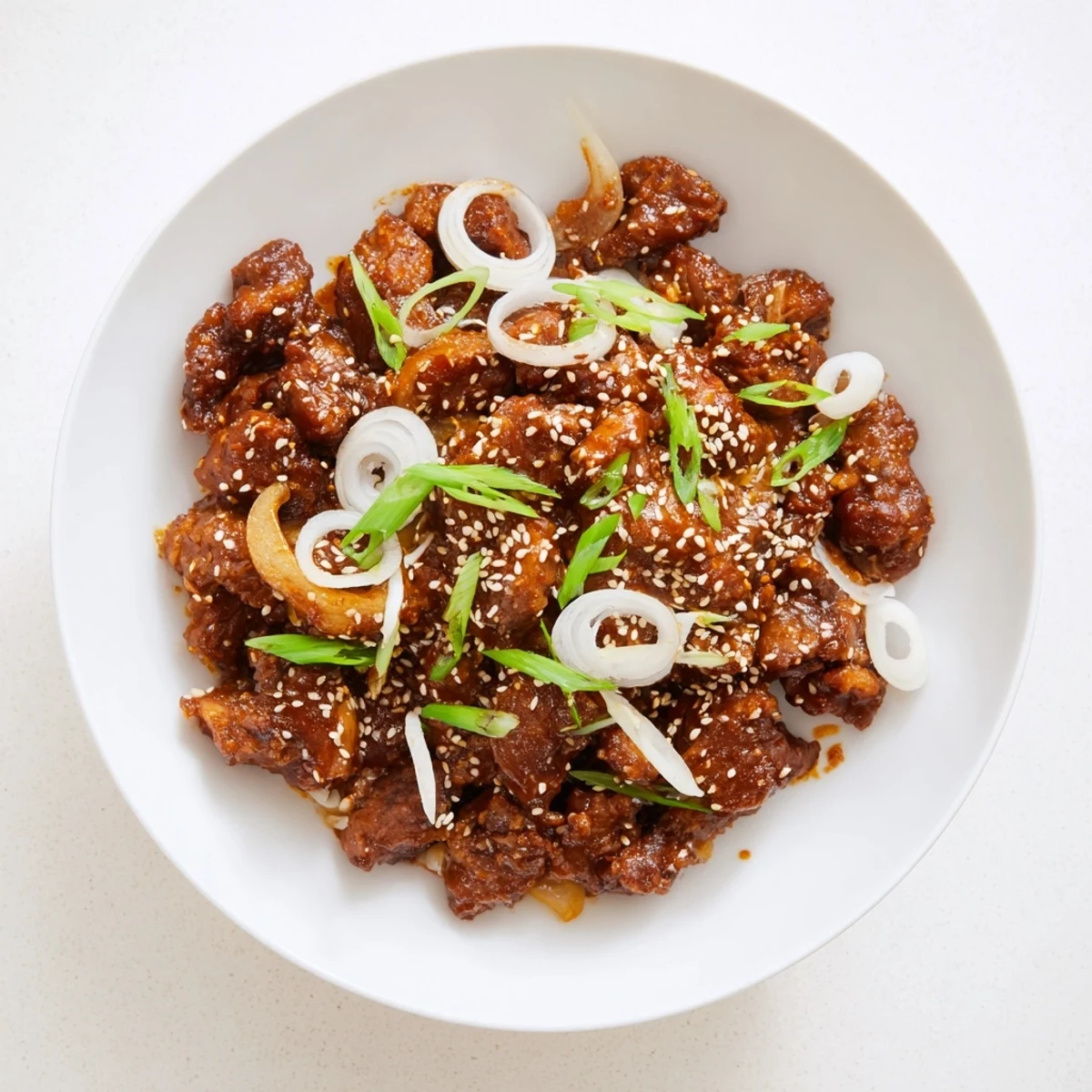
 This dish delivers incredibly tender beef after hours of slow cooking in a rich Korean-inspired sauce. The combination of soy sauce, brown sugar, sesame oil, garlic, fresh ginger, rice vinegar, and gochujang creates layers of savory-sweet-spiced flavor that permeates every bite. The beef becomes so tender it simply falls apart when shredded with forks, making it perfect for spooning over steamed rice or wrapping in fresh lettuce leaves with garnishes.
My tiny apartment smelled absolutely incredible the day I first made this Korean beef. I had been craving something different than my usual weeknight rotation, and a friend had mentioned how her mother made beef in the slow cooker with this incredible Korean-inspired sauce. The whole building probably caught whiffs of sesame and garlic wafting from my door.
Last winter when my sister came over after a terrible week at work, I served this beef over steaming white rice with pickled vegetables on the side. She took three bites, put her fork down, and just said this is exactly what I needed. We sat there for an hour picking at the beef and talking, the slow cooker bubbling away in the corner like a third guest at the table.
Ingredients
- Beef chuck roast: Chuck roast has the perfect marbling for slow cooking, breaking down into impossibly tender strands while still holding enough structure to feel satisfying in every bite
- Low-sodium soy sauce: Using low-sodium lets you control the salt level since the sauce reduces and concentrates during cooking
- Brown sugar: The molasses notes in brown sugar give the sauce a gorgeous caramel quality that white sugar just cant achieve
- Sesame oil: Toasted sesame oil is absolutely non-negotiable here, it provides that distinct nutty backbone that screams Korean flavors
- Garlic: Four cloves might feel like a lot but this is a long cook time and garlic mellows beautifully into sweet savory notes
- Fresh ginger: Fresh ginger has this bright zing that dried ginger can never replicate, grate it on the smallest holes of your box grater
- Rice vinegar: This adds just enough acid to cut through all the rich sweetness and fat
- Gochujang: Korean chili paste brings gentle heat and this incredible fermented depth that makes the sauce taste complex and restaurant-worthy
- Onion: The onion slices practically dissolve into the sauce, becoming little sweet ribbons throughout the beef
Instructions
- Prep your beef:
- Cut the chuck roast into generous two-inch chunks, keeping some fat on each piece because that fat equals flavor and tenderness
- Build the base:
- Scatter the sliced onion across the bottom of your slow cooker, then arrange the beef pieces on top in an even layer
- Whisk the sauce:
- In a medium bowl, combine the soy sauce, brown sugar, sesame oil, garlic, ginger, rice vinegar, gochujang, sesame seeds, and black pepper until the sugar has completely dissolved
- Coat everything:
- Pour that gorgeous red-orange sauce over the beef and onions, then use tongs to gently toss everything until the beef is evenly coated
- Let it cook:
- Cover and cook on low for 8 hours or high for 4 hours, until the beef shreds easily with a fork
- Thicken if desired:
- If you prefer a thicker sauce, whisk the cornstarch with cold water until smooth, then stir into the slow cooker during the last 30 minutes
- Finish and serve:
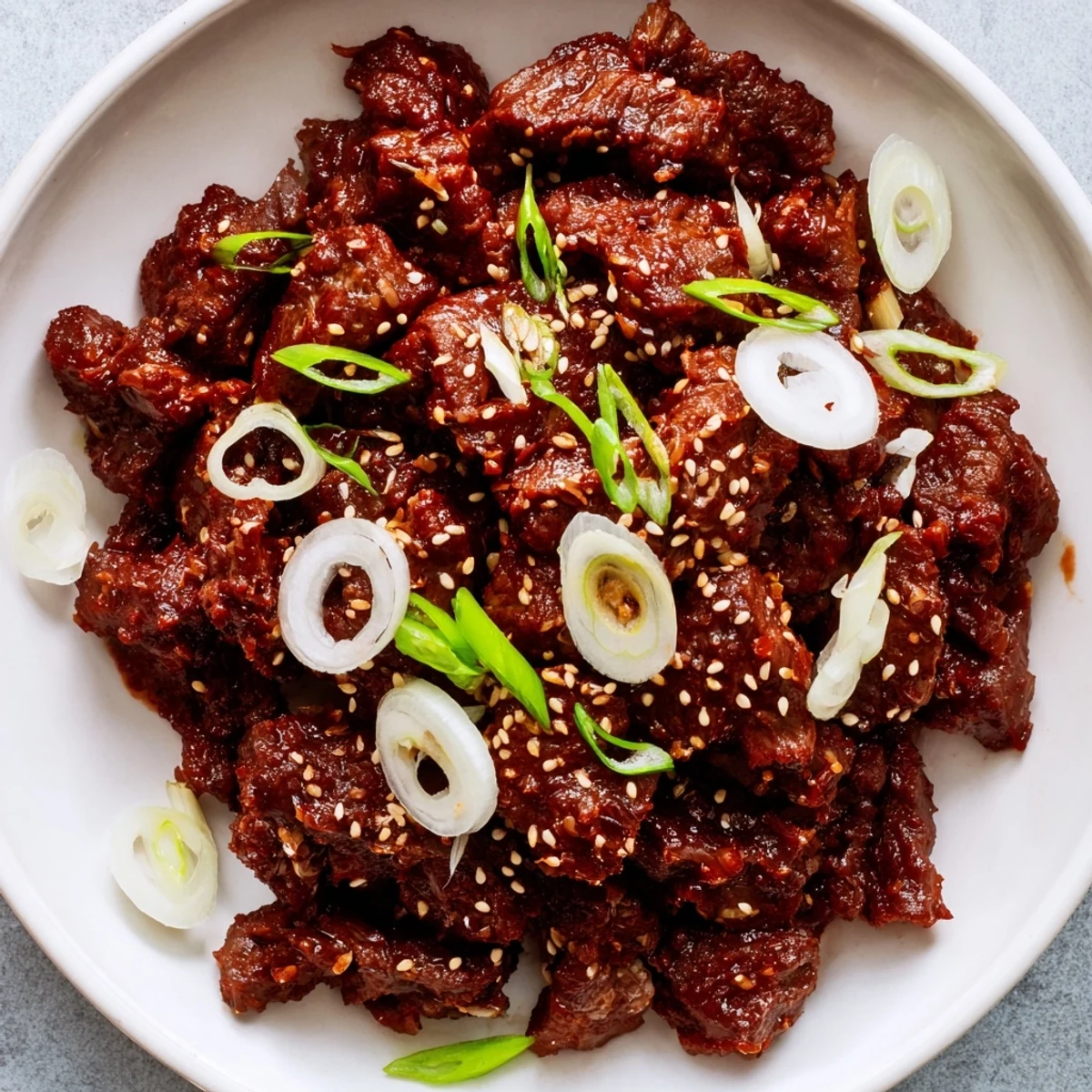
- Shred the beef right in the cooker using two forks, then serve over rice or in lettuce wraps with plenty of that sauce
 Save to Pinterest
 This recipe has become my go-to for new parents, sick friends, and anyone who needs comfort food but doesnt have the energy to cook. Theres something so profoundly nurturing about walking into someones kitchen and leaving them with a slow cooker full of beef that will feed them for days.
Make It Your Own
The beauty of this recipe is how forgiving it is to substitutions. Swap honey for brown sugar if thats what you have, or use coconut aminos instead of soy sauce for a soy-free version. I've even made it with beef short ribs when I wanted to feel fancy, and the results were incredible.
Serving Ideas
Beyond rice and lettuce wraps, try stuffing this beef into steamed bao buns with quick pickled cucumbers, or use it as a topping for loaded fries. My husband loves it in a bowl with Korean glass noodles and a fried egg on top. The leftovers make phenomenal tacos with some fresh cilantro and a squeeze of lime.
Make Ahead Strategy
This beef actually tastes better on day two, once all the flavors have had time to really meld together. Make it on Sunday and youve got lunch sorted for half the week. The sauce freezes beautifully too, so if you end up with extra, pour it into ice cube trays for future quick meals.
- Cool the beef completely before refrigerating, and store it in the sauce to keep it from drying out
- Reheat gently with a splash of water or beef broth to loosen the sauce
- The beef keeps for up to four days in the refrigerator and freezes well for up to three months
 Save to Pinterest
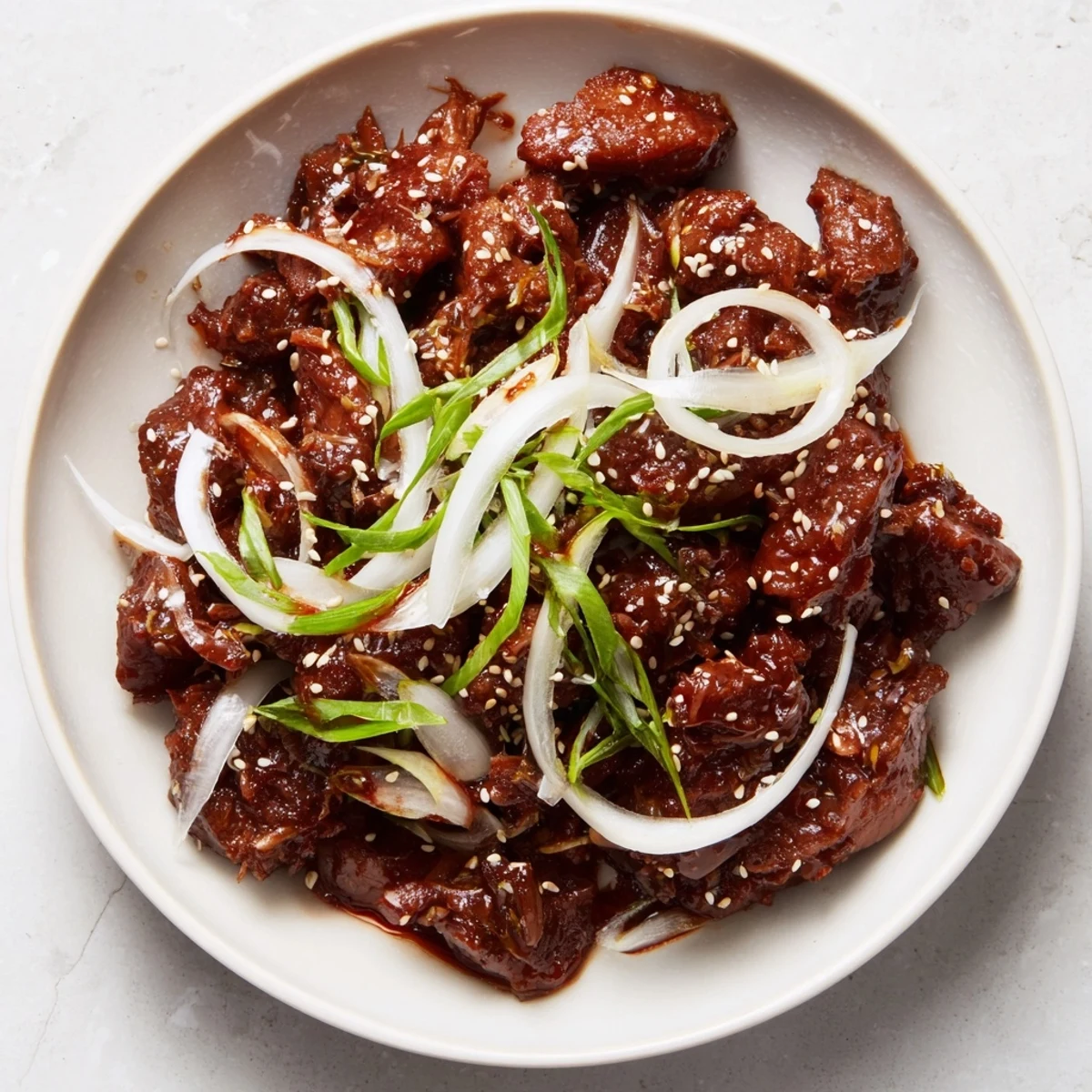
 Theres nothing quite like lifting that slow cooker lid after eight hours and seeing beef so tender its practically falling apart. The way your kitchen smells when this is cooking is pretty much the best invitation to dinner Ive ever found.
Recipe Questions & Answers
- → What cut of beef works best?
-
Chuck roast is ideal because its marbling and connective tissue break down beautifully during long cooking, creating succulent, tender meat that shreds easily.
- → Can I make this spicier?
-
Absolutely! Increase the gochujang or add red pepper flakes to boost heat. The sauce balances spicy elements well with sweetness from brown sugar.
- → What should I serve with it?
-
Steamed jasmine rice is classic, but lettuce wraps create lighter bites. Kimchi and pickled vegetables make excellent traditional sides that complement the rich flavors.
- → How long does it keep?
-
The flavors develop beautifully over time. Store refrigerated for up to 3 days—the sauce thickens and the beef becomes even more flavorful.
- → Can I thicken the sauce?
-
Mix cornstarch with water to create a slurry, then stir in during the final 30 minutes. This creates a glossy, clingy coating perfect for serving over rice.
- → Is this gluten-free?
-
Use tamari or gluten-free soy sauce to make it gluten-free. Double-check that your gochujang is certified gluten-free as well.