
 Save to Pinterest
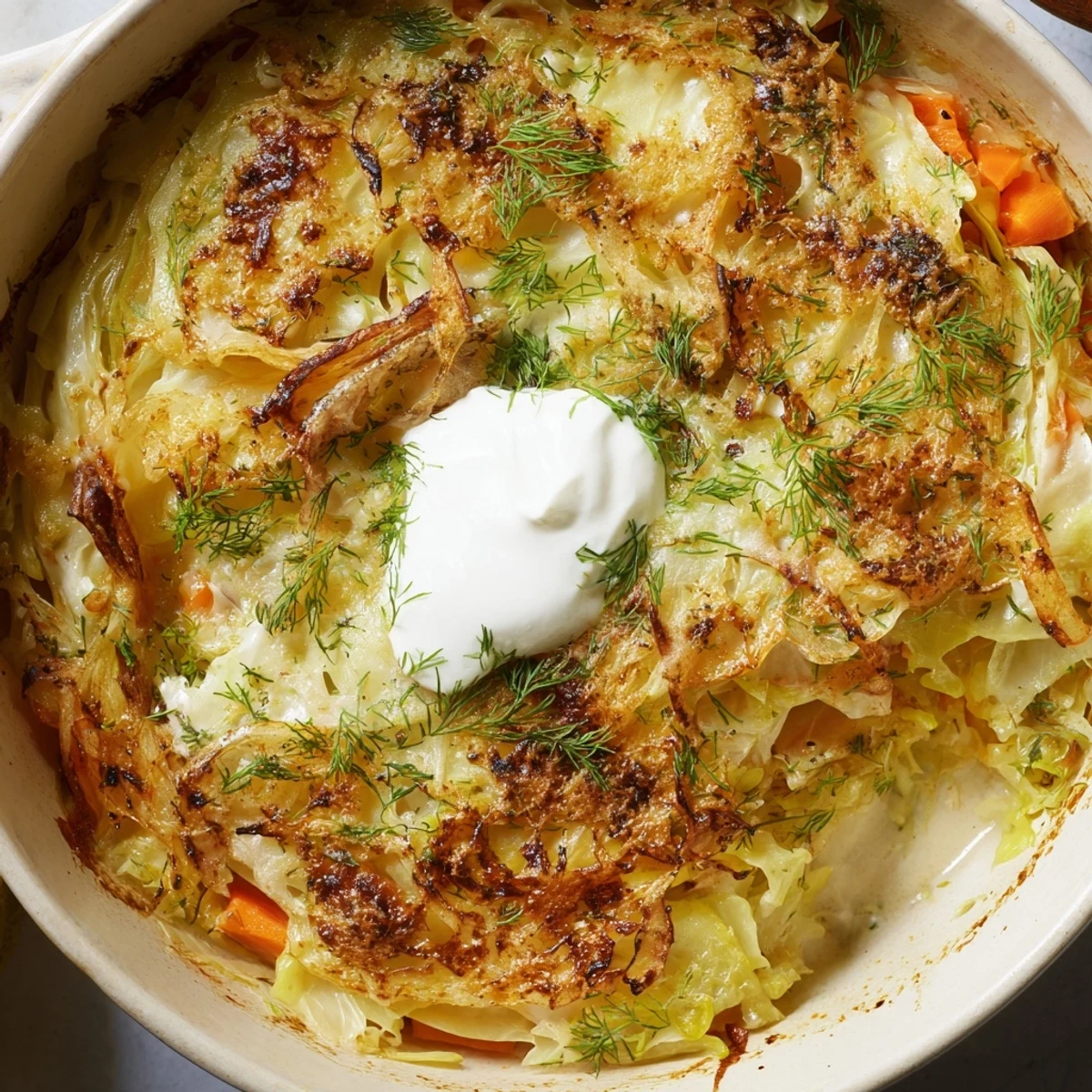
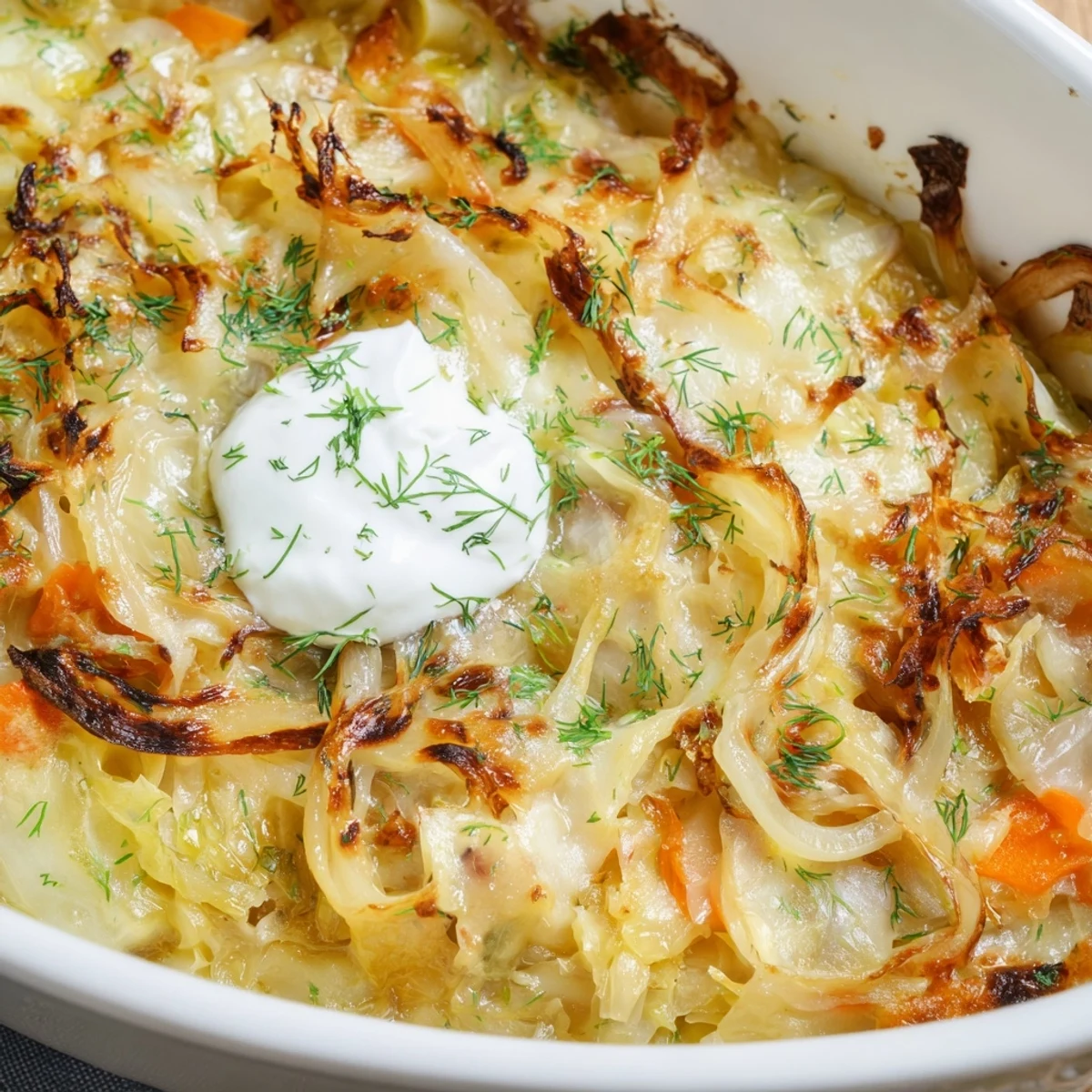
 This hearty German-inspired casserole combines tender slow-roasted cabbage with tangy sauerkraut, creating a deeply comforting and flavorful dish. The vegetables are enhanced with traditional caraway seeds, smoked paprika, and fresh dill, then slow-baked for over two hours to develop rich, caramelized flavors.
The preparation is straightforward—simply sauté onions and garlic, combine with sliced cabbage, grated carrots, and sauerkraut, then let the oven do the work. The long, slow cooking process transforms humble ingredients into something extraordinary, with the cabbage becoming meltingly tender and the flavors melding beautifully.
Serve it as a satisfying main course for vegetarians or as a robust side dish alongside smoked sausage, kielbasa, or your favorite protein. A dollop of sour cream and sprinkling of Gruyère cheese adds creamy richness, though it's equally delicious without. Perfect for cold weather meals, potlucks, or when you crave rustic, old-world comfort food.
The smell of cabbage roasting low and slow is one of those kitchen aromas that quietly takes over the entire house, warm and earthy and impossible to ignore. My neighbor actually knocked on my door once asking what I was cooking because the scent had drifted through the shared hallway of our apartment building. That batch turned into an impromptu dinner party, and this casserole has been my cold weather secret weapon ever since. It is humble, deeply satisfying, and costs almost nothing to make.
A rainy Sunday afternoon in November was when this dish really clicked for me. I had half a cabbage sitting in the crisper and a jar of sauerkraut that had been languishing in the pantry for weeks, and throwing them together felt more like desperation than inspiration. Two hours later I was standing at the counter eating straight from the casserole dish with a wooden spoon, completely unable to wait for a proper plate.
Ingredients
- 1 medium green cabbage (about 2 lbs): Core it and slice it into thick ribbons, because thinner pieces will dissolve into mush during the long roast.
- 2 cups sauerkraut: Drain and rinse it well to tame some of the sharp acidity so it blends rather than overpowers.
- 2 medium onions: Thinly sliced, they melt down and create a natural sweetness that balances the tang of the kraut.
- 2 carrots: Grated finely so they almost disappear into the casserole while adding subtle color and sweetness.
- 2 cloves garlic: Minced, because garlic and cabbage have been best friends for centuries.
- 2 tbsp olive oil: Use a generous hand here, since fat carries flavor and helps the caramelization along.
- 1 tsp caraway seeds: Optional on paper, but they give that unmistakable Eastern European character that makes this dish feel authentic.
- 1 tsp smoked paprika: It adds a gentle smokiness that tricks your brain into thinking there is sausage in the pan.
- 1/2 tsp ground black pepper and 1 tsp salt: Season boldly, because cabbage absorbs salt like a sponge and needs more than you think.
- 2 tbsp fresh dill: Chopped fresh is brighter, but dried works in a pinch and still brings that grassy, aromatic lift.
- 1 cup vegetable broth: This keeps everything moist during the long bake and adds a savory backbone to the dish.
- 1 cup sour cream: For serving, because the cool creaminess against the hot tangy cabbage is a combination worth every calorie.
- 1/2 cup grated Gruyere or Swiss cheese: A optional finishing touch that bubbles and browns on top like a savory blanket.
Instructions
- Get the oven ready:
- Preheat to 325 degrees F and grease your largest casserole dish with a bit of olive oil so nothing sticks later.
- Bloom the aromatics:
- Warm the olive oil in a large skillet over medium heat and sauté the onions and garlic until they go soft and translucent, about four minutes, filling your kitchen with that irresistible savory perfume.
- Bring it all together:
- In your biggest mixing bowl, toss the sliced cabbage, grated carrots, sautéed onion mixture, sauerkraut, caraway seeds, smoked paprika, pepper, salt, and dill until everything is evenly combined and your hands smell wonderfully like dill and caraway.
- Build the casserole:
- Pack the mixture into your prepared dish and pour the vegetable broth evenly over the top, letting it seep down through the layers.
- The long slow roast:
- Cover tightly with foil or a lid and slide it into the oven for one hour and thirty minutes, during which the cabbage will soften and sweeten while the flavors deepen into something far greater than the sum of their parts.
- Finish with a golden top:
- Uncover the dish, give everything a good stir, sprinkle on the cheese if you are using it, and return it uncovered for another thirty minutes until the edges are caramelized and the top is bubbling and irresistible.
- Rest and serve:
- Let it sit for ten minutes after coming out of the oven so the juices settle, then serve warm with a generous dollop of sour cream on top.
 Save to Pinterest
 Sharing this dish with my grandmother was a turning point, because she grew up eating cabbage prepared every which way and is famously hard to impress. She went back for seconds without saying a word, and that silence spoke louder than any compliment she has ever given me.
What to Serve Alongside
A thick slice of dark rye bread is really all you need to make this a complete meal, perfect for soaking up the tangy broth at the bottom of the dish. A cold German lager beside the plate does not hurt either, especially on a frosty evening when you want dinner to feel like a small celebration of simple things done right.
Making It Your Own
This recipe is wonderfully flexible, so feel free to fold in sliced kielbasa or smoked sausage if you are not keeping it vegetarian. Toasted breadcrumbs scattered over the top during the last ten minutes add a satisfying crunch that contrasts beautifully with the soft cabbage beneath.
Storing and Reheating
This casserole keeps well in the fridge for up to four days and actually tastes better on day two when the flavors have had time to mingle and settle. It freezes nicely too, portioned into individual containers for quick lunches that taste like you spent all day cooking.
- Let it cool completely before covering and refrigerating to prevent condensation from making it soggy.
- Reheat gently in a low oven rather than the microwave if you want to preserve that caramelized edge.
- A fresh sprinkle of dill right before serving wakes up flavors that have dimmed in the fridge.
 Save to Pinterest
 This is the kind of recipe that reminds you how magical everyday ingredients can be when you give them time and a little patience. Let the oven do the work and enjoy the way your home smells while it happens.
Recipe Questions & Answers
- → What makes this cabbage casserole traditionally German?
-
The combination of cabbage and sauerkraut with caraway seeds and smoked paprika reflects classic German flavor profiles. Sauerkraut is a staple in German cuisine, and the slow-roasting method is traditional for developing deep, rustic flavors in vegetable dishes.
- → Can I make this dish ahead of time?
-
Absolutely. This casserole actually benefits from being made a day ahead—the flavors have time to meld and intensify. Store it covered in the refrigerator and reheat gently at 325°F until warmed through. You may need to add a splash of broth if it seems dry.
- → Is slow roasting necessary, or can I cook it faster?
-
Slow roasting is key to achieving the tender, caramelized texture that makes this dish special. The long cooking time breaks down the cabbage's fibrous structure and allows the sauerkraut's tanginess to mellow and infuse throughout. Faster cooking will result in firmer, less developed flavors.
- → What proteins pair well with this casserole?
-
Smoked sausage, kielbasa, bratwurst, or pork chops are excellent matches. The tangy, savory flavors complement rich, smoked meats beautifully. For a lighter option, serve alongside roasted chicken or simply enjoy it as is with crusty rye bread.
- → How do I store and reheat leftovers?
-
Keep leftover casserole in an airtight container in the refrigerator for up to 4 days. Reheat in a 325°F oven covered with foil until hot throughout, about 20-25 minutes. The flavors often improve after sitting, making leftovers even more delicious than the first serving.
- → Can I freeze this cabbage and sauerkraut casserole?
-
Yes, freeze before baking or after fully cooling. Wrap tightly in plastic and foil, then freeze for up to 3 months. Thaw overnight in the refrigerator before reheating. Note that the texture may become slightly softer after freezing, but the flavor remains excellent.