
 Save to Pinterest
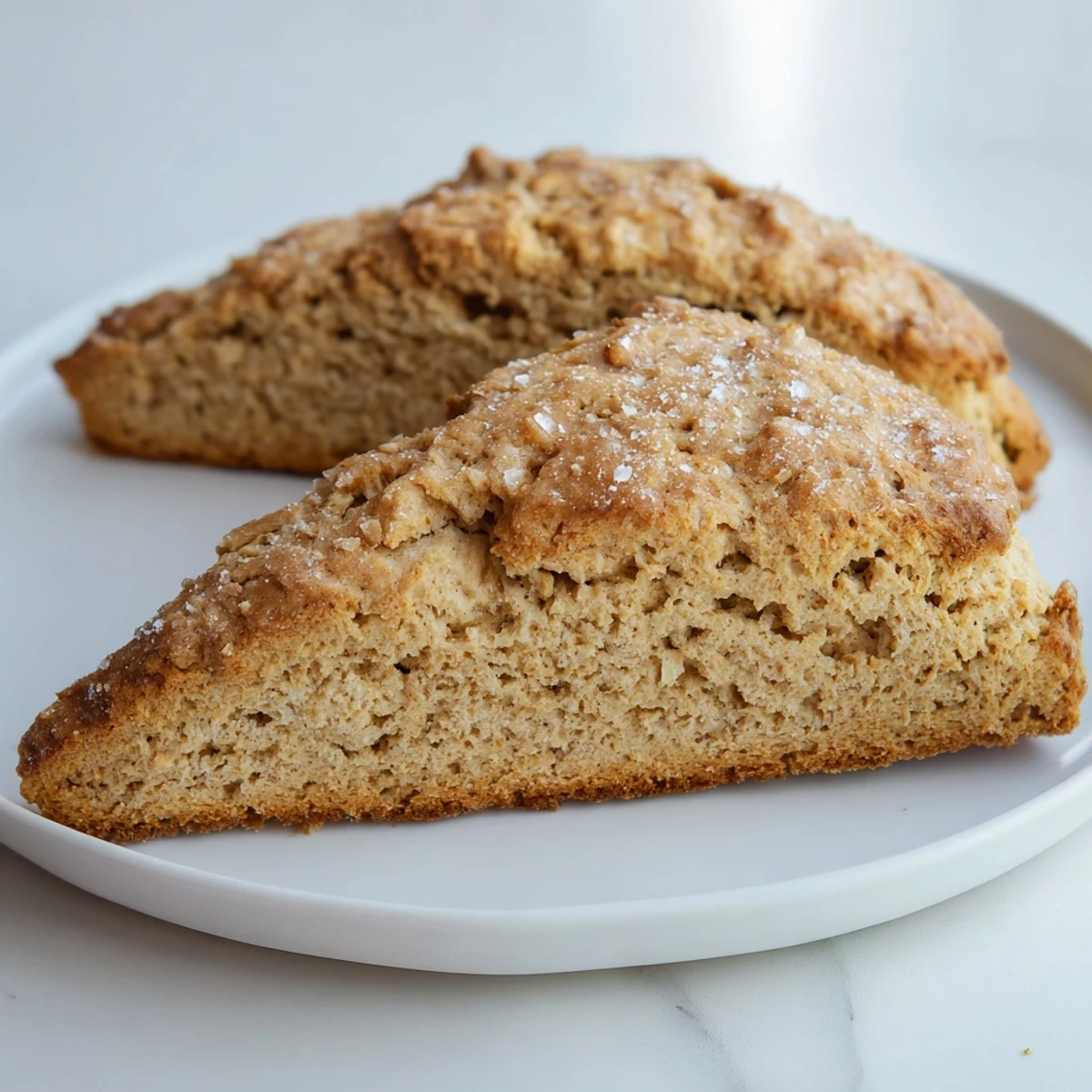
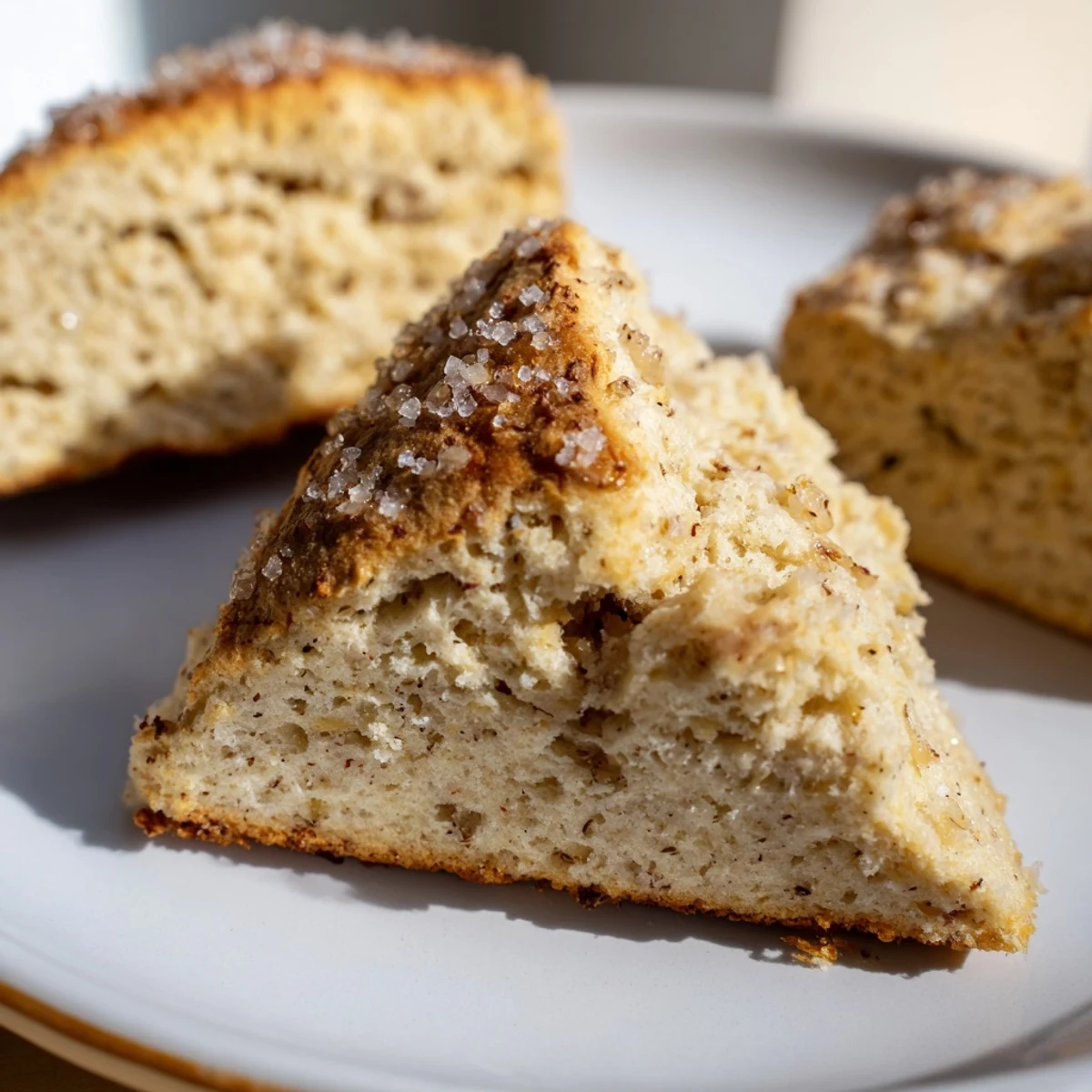
 Delight in tender scones enriched with a blend of classic chai spices and finely ground black tea, creating a warm, aromatic flavor. These spiced scones balance cinnamon, cardamom, ginger, cloves, and nutmeg with a tender crumb texture. Easy to prepare and bake, they're perfect for breakfast or afternoon tea, especially when served warm with cream or honey butter. Dairy-free and dried fruit options enhance versatility.
I first discovered chai scones on a rainy London afternoon, tucked into a cozy tea room near Covent Garden. The warm spices hit me before anything else—cinnamon, cardamom, cloves swirling with black tea in every bite. I remember thinking how clever it was to bake chai right into the scone itself instead of just serving it alongside tea. That moment sparked an obsession, and after countless kitchen experiments, I've finally cracked the perfect recipe. These scones have become my answer to almost every gathering, the kind of thing people ask for by name.
I'll never forget the first time I made these for my neighbor Margaret, who'd been battling a tough season. She came over for tea and walked into that chai-spice cloud, and I watched her face soften. She ate two scones without saying a word, just closing her eyes after each bite. Sometimes food does exactly what it's supposed to do—it says what we can't quite find words for.
Ingredients
- All-purpose flour (2 cups): The foundation that gives scones their tender crumb—don't sift it unless you're being particularly precise, but do spoon and level it into your measuring cup, because scooping directly can pack it down and make your scones tough
- Granulated sugar (1/4 cup): Just enough sweetness to let the spices shine without making these taste like dessert
- Baking powder (1 tbsp): The rising agent that gives scones their characteristic lift and tender texture—check that yours isn't expired, as that's the most common reason they don't rise
- Salt (1/2 tsp): A small amount that actually magnifies the chai spices and prevents the sweetness from feeling one-note
- Ground cinnamon, ginger, cardamom, cloves, and nutmeg: This is where the magic happens—each spice adds its own note to the profile, and together they taste like comfort in ground form; buy these whole and grind them yourself if you can, as the flavor is noticeably more vibrant
- Black tea (2 tsp finely ground): The secret ingredient that ties everything together—use a good quality loose leaf black tea or open up a couple of quality tea bags, then grind it as fine as you can with a mortar and pestle or spice grinder
- Cold unsalted butter (1/2 cup): The butter must be genuinely cold and cubed small; warm butter creates dense, greasy scones, so don't skip this step or you'll understand why mine sometimes weren't quite right
- Cold whole milk (2/3 cup): The moisture that brings everything together without making the dough wet; I learned the hard way that room temperature milk changes the texture completely
- Large egg (1): Binds the dough and adds richness to the crumb
- Vanilla extract (1 tsp): A subtle flavor that adds warmth and rounds out the spices beautifully
- Heavy cream or milk for brushing: Creates that golden, slightly shiny top that looks irresistible
- Turbinado sugar for topping: Optional but worth it—those crystals catch the light and give you a bit of crunch
Instructions
- Prepare your space:
- Preheat your oven to 400°F (200°C) and line a baking sheet with parchment paper. This takes just a few minutes but makes the difference between scones that stick and ones that slide off effortlessly.
- Build the dry foundation:
- Whisk together the flour, sugar, baking powder, salt, and all those beautiful spices—cinnamon, ginger, cardamom, cloves, nutmeg—along with your finely ground black tea. Take a moment to breathe in this mixture; that's what your kitchen is about to smell like. Make sure everything is evenly distributed so you don't get a bite that's all cloves.
- Cut in the cold butter:
- Add your cold, cubed butter to the dry mixture. Using a pastry cutter, two forks, or your fingertips, break it down until the mixture resembles coarse breadcrumbs or wet sand. This step matters tremendously—those little pockets of butter are what create the tender, flaky layers. Work quickly so the butter doesn't warm up, and don't overmix; you want texture, not a smooth paste.
- Combine the wet ingredients:
- In a separate bowl, whisk together the cold milk, egg, and vanilla extract until well combined. Keep this cold too—I learned this the hard way when I used warm milk and ended up with dense, gummy scones.
- Bring it all together gently:
- Pour the wet mixture into the dry ingredients and stir with a fork, just until everything comes together. This is the moment many people overthink, but honestly, a few streaks of flour are fine. Overmixing develops gluten, which makes scones tough instead of tender. Stop stirring as soon as you can't see dry flour.
- Shape the dough:
- Turn the dough onto a lightly floured surface and pat it gently into a circle about 1 inch (2.5 cm) thick. Resist the urge to knead or work it—treat it like it's delicate, because it is. The dough should feel slightly sticky but manageable.
- Cut and arrange:
- Using a sharp knife or bench scraper, cut your circle into 8 equal wedges, like you're slicing a pie. Place them on your prepared baking sheet, leaving about an inch between each one so steam can circulate and they bake evenly.
- Add the finishing touch:
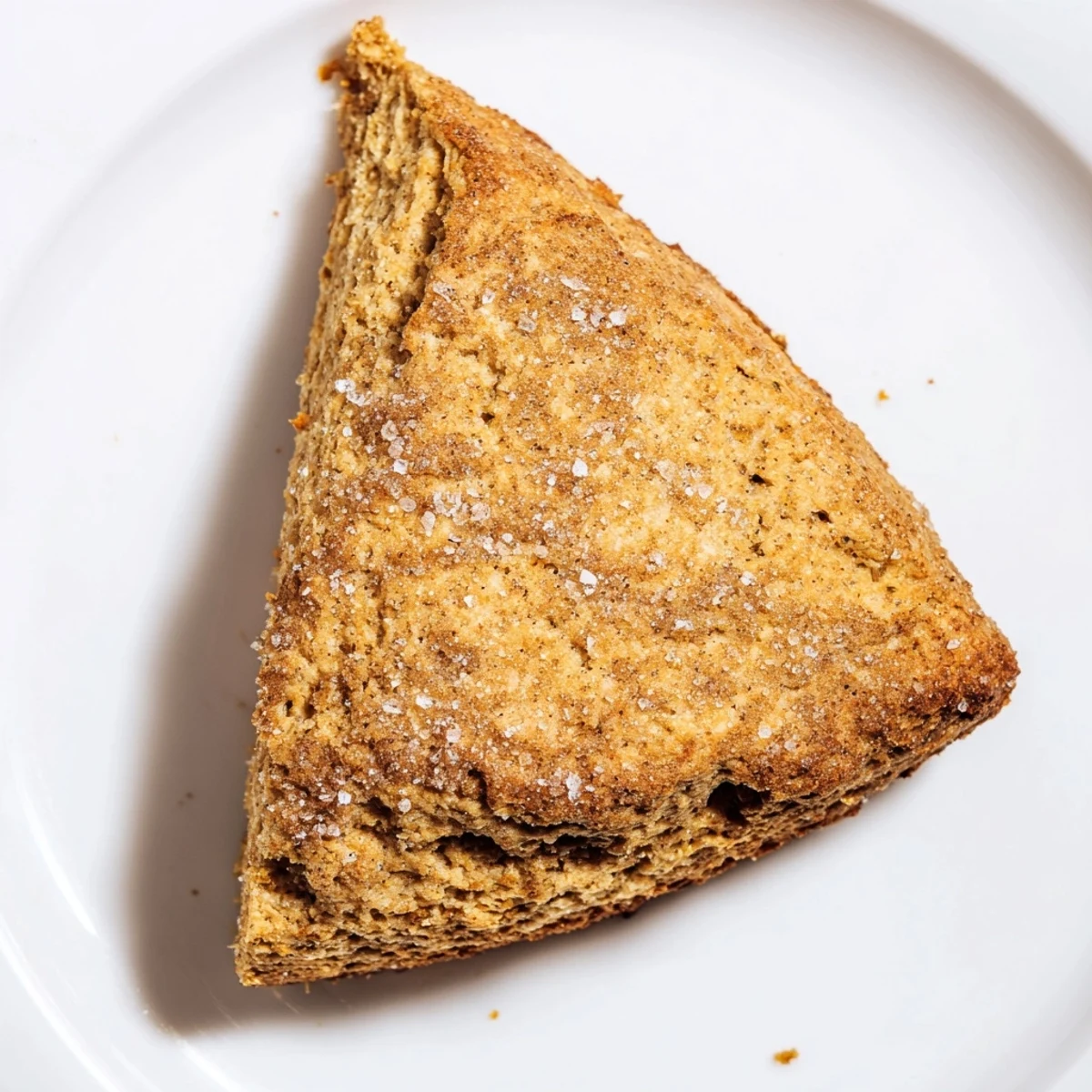
- Brush the tops with heavy cream or milk—this is what gives them that beautiful golden-brown sheen—and sprinkle with turbinado sugar if you're using it. This step transforms them from homemade to bakery-worthy.
- Bake to golden perfection:
- Slide them into your preheated oven for 16–18 minutes. You're looking for a deep golden brown on top, not pale, not dark. The bottom should sound slightly hollow when you tap it. The exact time depends on your oven, so start checking around minute 15.
- Cool just enough:
- Let them cool for a few minutes on the baking sheet before transferring to a wire rack. They're best served warm, so don't wait too long before enjoying one. That's the hardest part of the whole recipe.
 Save to Pinterest
 These scones became my kitchen ritual during a winter when everything felt uncertain. Every Saturday morning, I'd wake up and make a batch, not just for myself but for the ritual of it—the measuring, the mixing, that moment when cold butter breaks into the flour and it smells like possibility. Somehow, pulling golden scones from the oven made the world feel a little bit more right.
Flavor Variations to Explore
Once you've mastered the basic recipe, these scones are endlessly adaptable. I've experimented with swapping out the black tea for Earl Grey for a floral hint, or adding a touch of orange zest to play off the warm spices. During autumn, I'll sometimes add 1/2 cup of chopped dried apricots or raisins, which add little pockets of sweetness and chewiness that make people pause mid-bite. You could even try a pinch of saffron for something more luxurious, or reduce the spices slightly if you prefer a more subtle chai note. The beauty of this recipe is that the structure stays strong no matter what you add—the cold butter technique and proper mixing method will carry through any variation you dream up.
Serving Suggestions That Matter
These scones sing when paired with the right accompaniments, and I've learned that the pairing can change the entire experience. Clotted cream is the traditional choice and honestly the right one—something about that thick, indulgent cream against the warm spiced scone feels ceremonial. But I've also made a spiced honey butter by softening butter and stirring in honey with a tiny pinch more ground cinnamon, and it's equally wonderful. Serve them warm, ideally within an hour of baking, and pour yourself a cup of actual chai tea or a strong black tea. There's something about the ritual of it all—the warmth of the scone in your hand, the steam rising from your cup, the quiet moment before you take that first bite—that makes these worth the minimal effort.
Storage and Make-Ahead Tips
These scones are best the day you make them, but they're also forgiving enough to fit into a busier life. You can prepare the dough up to 12 hours ahead—mix everything, shape it into a circle, wrap it tightly in plastic, and refrigerate it. When you're ready to bake, cut into wedges, brush with cream, and add a couple extra minutes to the baking time since the dough will be cold. Baked scones will keep in an airtight container for two days, though by day two they're noticeably less tender. I like to freeze unbaked wedges on a baking sheet, then transfer them to a freezer bag—you can bake them directly from frozen, adding just a few minutes to the time. There's something wonderful about being able to pull warm scones from the oven on a random Tuesday when you didn't plan ahead.
- Make the dough the night before and refrigerate, then bake fresh in the morning for that just-made quality without the early wake-up
- Freeze unbaked wedges for up to a month, and bake them straight from frozen whenever the craving strikes
- Refresh day-old scones by wrapping them loosely in foil and warming them in a 300°F oven for about 8 minutes
 Save to Pinterest
 Making these scones has taught me that the best recipes aren't complicated; they're just thoughtful. There's something deeply satisfying about baking something that tastes like you've been to London and brought back a piece of that cozy tea room magic.
Recipe Questions & Answers
- → What spices are used in these scones?
-
The scones feature cinnamon, ginger, cardamom, cloves, and nutmeg for a classic chai flavor.
- → Can I make these scones dairy-free?
-
Yes, you can substitute butter and milk with plant-based alternatives for a dairy-free version.
- → What type of tea is incorporated in the scones?
-
Finely ground black tea leaves or contents from black tea bags are mixed into the dough for a delicate tea aroma.
- → How should the dough be handled to ensure tender scones?
-
Cut the cold butter into dry ingredients until crumbly and combine wet and dry gently to avoid overmixing, preserving tenderness.
- → Are there suggestions for serving these scones?
-
Warm scones pair beautifully with clotted cream, spiced honey butter, or alongside a cup of chai tea.
- → Can dried fruits be added to the scones?
-
Yes, adding raisins or chopped dried apricots offers extra flavor and texture.