
 Save to Pinterest
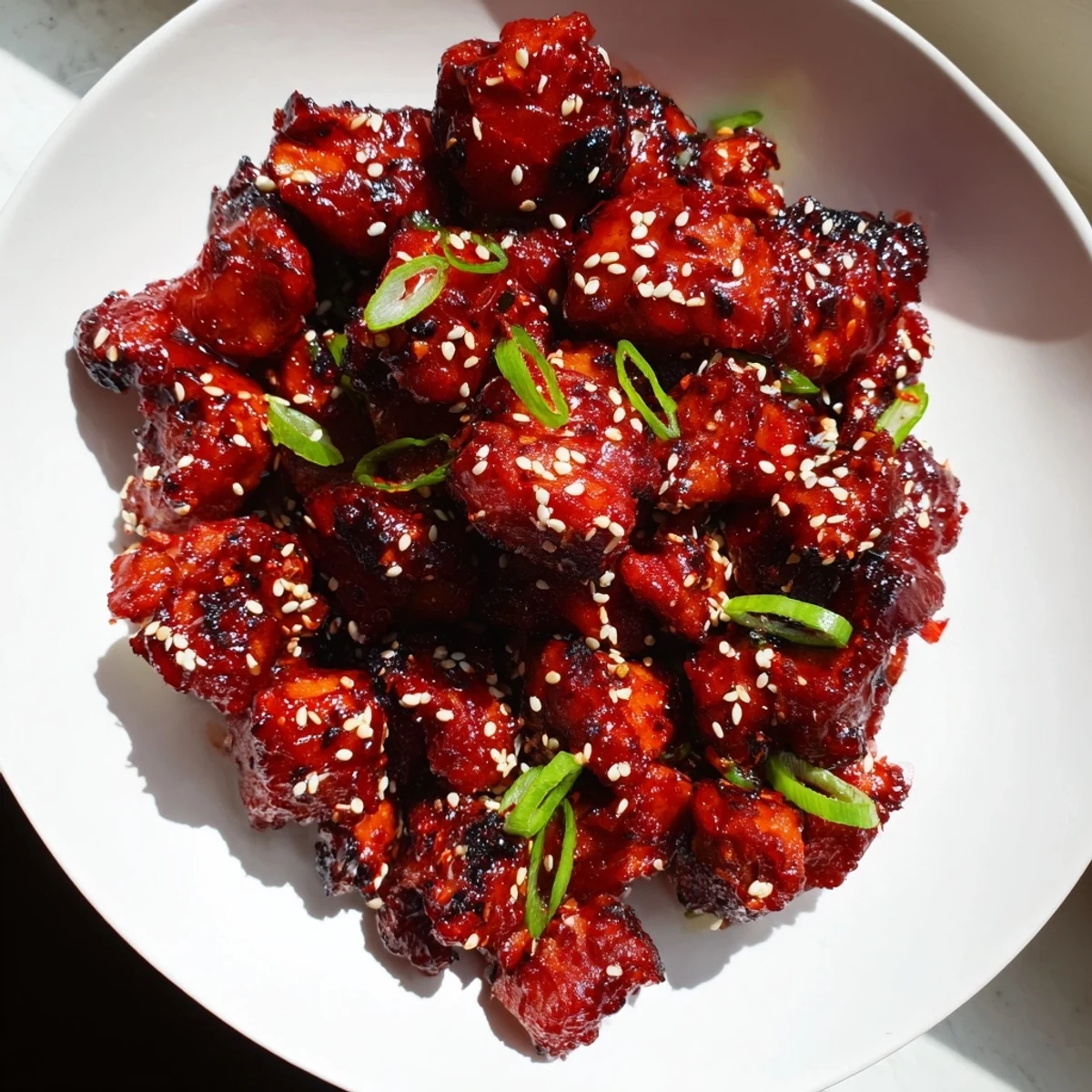
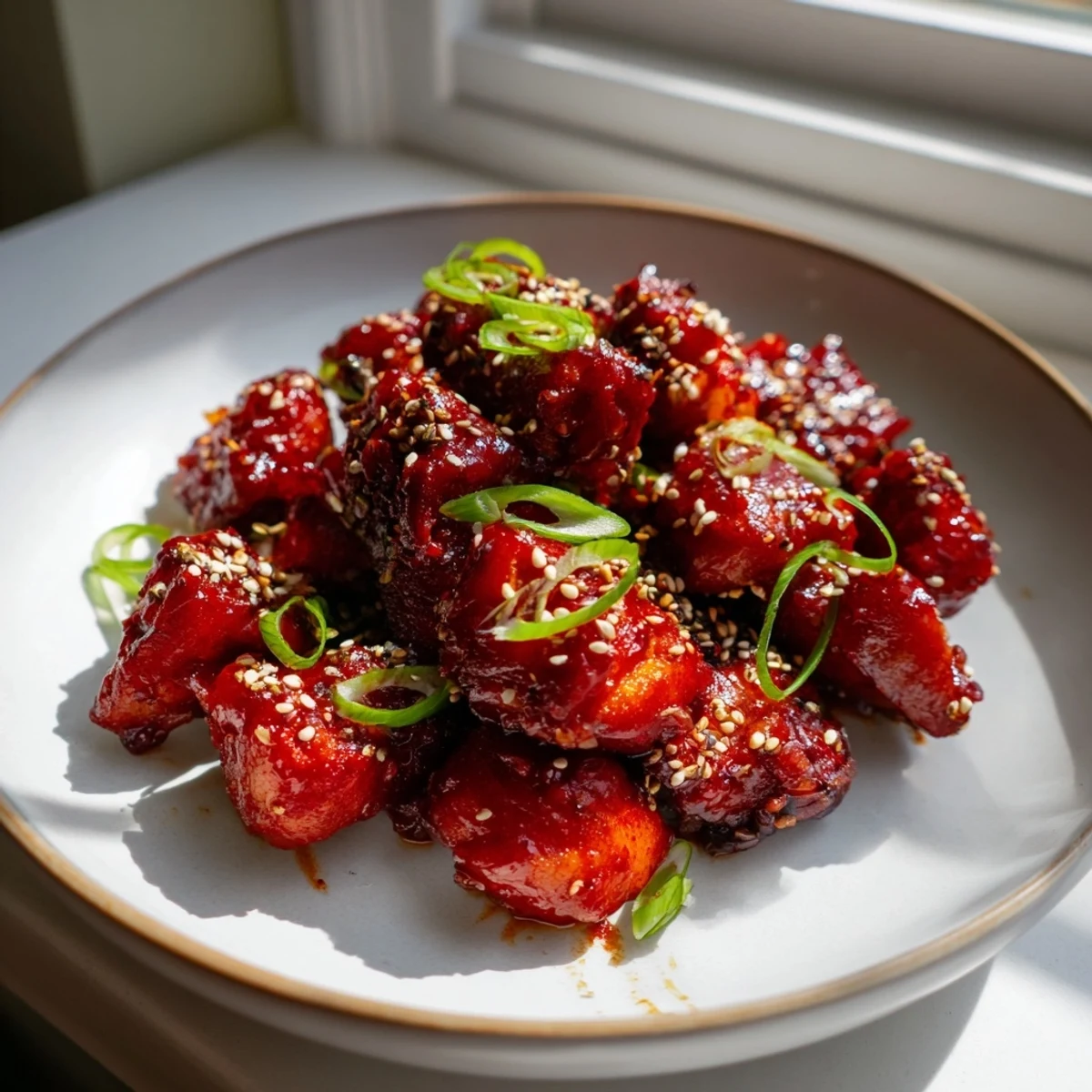
 This Korean-inspired gochujang chicken features juicy boneless thighs marinated in a bold blend of chili paste, soy sauce, honey, garlic, and ginger.
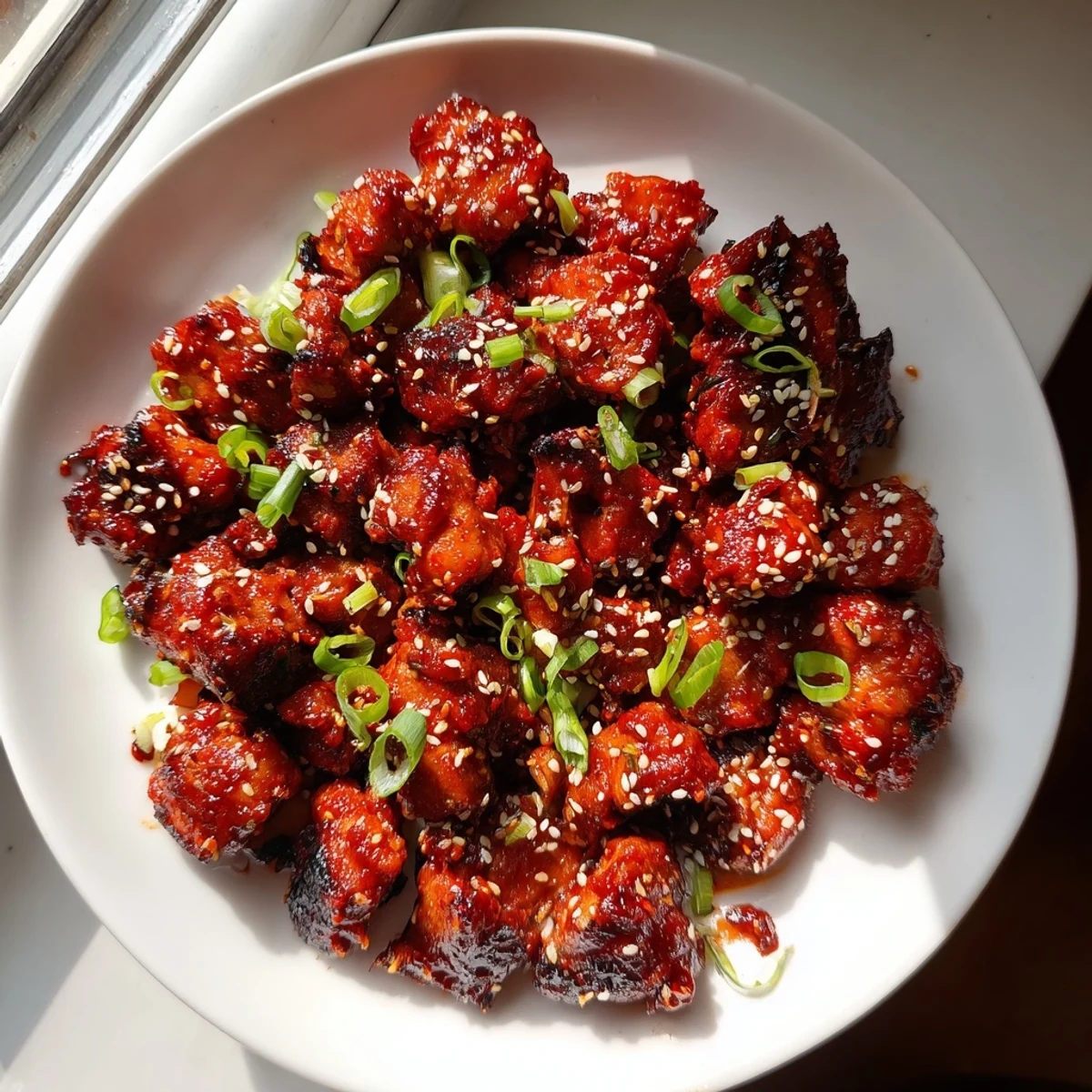
The chicken is pan-seared until caramelized and slightly charred, creating sticky, glossy pieces bursting with umami.
Ready in just 40 minutes with 15 minutes of prep, it's perfect for busy weeknights. Garnish with sesame seeds and green onions, then serve over steamed rice or in lettuce wraps.
The smell of gochujang hitting a hot pan is one of those things that makes everyone in the house appear in the kitchen doorway within seconds. My neighbor actually knocked once while I was making this, claiming she thought something was burning, but really she just wanted to know what smelled so good. That deep red paste has a way of turning ordinary chicken into something you would happily pay restaurant prices for. It is sweet, fiery, and deeply savory all at once.
I made a double batch of this for a friend's birthday dinner once, figuring people would want seconds, and every single piece vanished before the rice pot was even empty. There is something about the way the sauce reduces and clings to the edges of the chicken that makes people lose all restraint. My friend's teenager ate four helpings and asked me to teach his mom how to make it, which was both flattering and awkward.
Ingredients
- 700 g boneless, skinless chicken thighs: Thighs stay juicier than breast meat and hold up beautifully to the bold marinade without drying out.
- 3 tbsp gochujang: This is the heart of the dish, so use a brand you trust and check the label for authenticity.
- 2 tbsp soy sauce: Adds salt and depth, tying the sweetness of the honey to the heat of the paste.
- 1 tbsp rice vinegar: A little acidity keeps the marinade from feeling heavy or one dimensional.
- 2 tbsp honey: Brown sugar works too, but honey helps the chicken caramelize and get those gorgeous charred edges.
- 2 cloves garlic, minced: Fresh garlic matters here, do not reach for the jarred version for this one.
- 1 tbsp ginger, grated: Microplane it finely so it melts into the marinade instead of leaving stringy bits.
- 1 tbsp sesame oil: Toasted sesame oil gives a nutty undertone that rounds everything out.
- Half tsp freshly ground black pepper: Just enough to add a subtle warming bite behind the chili heat.
- 1 tbsp toasted sesame seeds: Sprinkle these on at the end for a gentle crunch and visual appeal.
- 2 green onions, thinly sliced: The fresh bite of raw scallion cuts through the richness perfectly.
Instructions
- Build the marinade:
- In a large bowl, whisk the gochujang, soy sauce, rice vinegar, honey, garlic, ginger, sesame oil, and pepper until smooth and uniform. You want a glossy, deep red sauce that smells pungent and slightly sweet.
- Coat the chicken:
- Add the chicken pieces and toss them thoroughly with your hands or tongs, making sure every surface is slicked with marinade. Let it sit for at least twenty minutes at room temperature, or cover and refrigerate up to two hours if you have the time.
- Cook until caramelized:
- Heat a large skillet over medium high and scrape in the chicken along with every bit of leftover marinade. Cook six to eight minutes per side until the pieces are cooked through and the sauce has thickened into a sticky glaze that clings to the edges.
- Finish and serve:
- Pull the pan off the heat, scatter sesame seeds and sliced green onions over the top, and serve immediately with steamed rice or crisp lettuce wraps.
 Save to Pinterest
 The night I first got the caramelization exactly right, I stood over the stove eating pieces directly from the pan with chopsticks while pretending I was just taste testing. Some recipes become staples because they are easy, but this one stuck because it made me feel like I had cracked a code I had been chasing for months.
What to Serve Alongside
Steamed white rice is the obvious choice, but tucking a few pieces into crisp butter lettuce leaves with a smear of ssamjang sauce turns it into something interactive and fun for a group. Kimchi on the side adds a tangy, fermented crunch that balances the sweetness of the glaze beautifully.
Making It Your Own
If you want more fire, a teaspoon of gochugaru stirred into the marinade will push the heat level up without changing the character of the dish. You can swap chicken thighs for breast meat if you prefer something leaner, just watch the cooking time carefully since breast dries out faster.
Storage and Reheating
This chicken reheats surprisingly well in a skillet with a splash of water, which helps loosen the glaze back into a sauce. It keeps in the fridge for about three days and makes excellent leftovers tucked into a bowl with rice and quick pickled vegetables.
- Let the cooked chicken cool completely before transferring to an airtight container.
- Reheat gently in a pan rather than a microwave to preserve the sticky texture of the glaze.
- The flavors actually deepen overnight, so do not be surprised if day two tastes even better.
 Save to Pinterest
 Once you have this recipe in your rotation, you will find yourself reaching for that tub of gochujang more often than you ever expected. It is the kind of dish that makes weeknight cooking feel a little less routine and a lot more exciting.
Recipe Questions & Answers
- → What does gochujang taste like?
-
Gochujang is a fermented Korean chili paste with a complex flavor profile. It delivers savory umami depth, moderate heat, and a natural sweetness all at once.
- → Can I use chicken breast instead of thighs?
-
Yes, chicken breast works as a leaner alternative. Cut it into similar bite-sized pieces and reduce the cooking time slightly to prevent drying out.
- → How long should I marinate the chicken?
-
A minimum of 20 minutes is sufficient, but marinating up to 2 hours in the refrigerator will develop deeper, more pronounced flavors throughout the meat.
- → What side dishes pair well with this chicken?
-
Serve with steamed white rice, kimchi, pickled vegetables, or sautéed greens. Lettuce wraps also make a light, refreshing accompaniment.
- → How do I make it spicier?
-
Add 1 teaspoon of gochugaru (Korean red chili flakes) to the marinade for an extra kick. You can also increase the gochujang amount by one tablespoon.
- → Is this dish gluten-free?
-
Standard soy sauce contains wheat, so use tamari or a certified gluten-free soy sauce. Also check the gochujang label for any gluten-containing ingredients.