
 Save to Pinterest
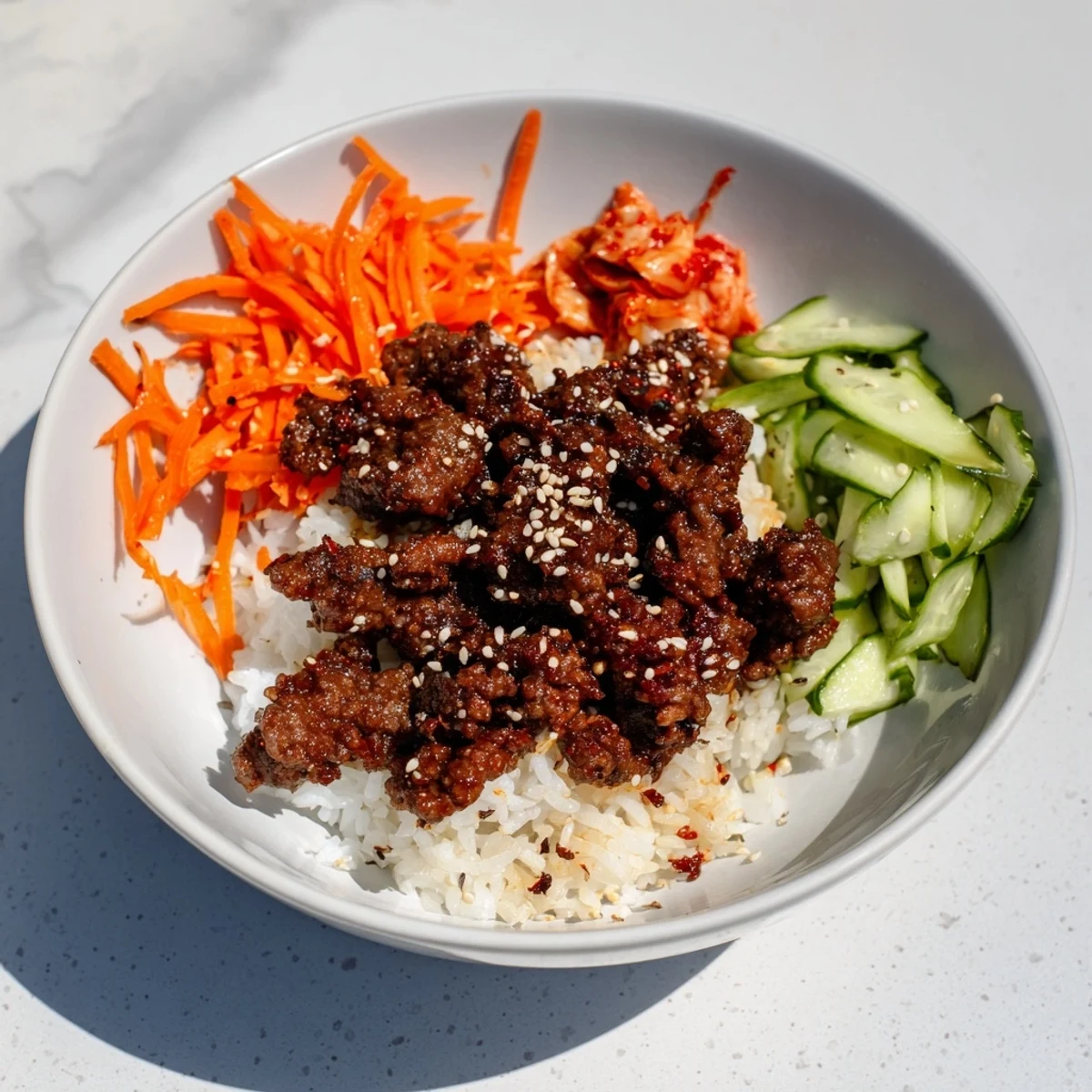
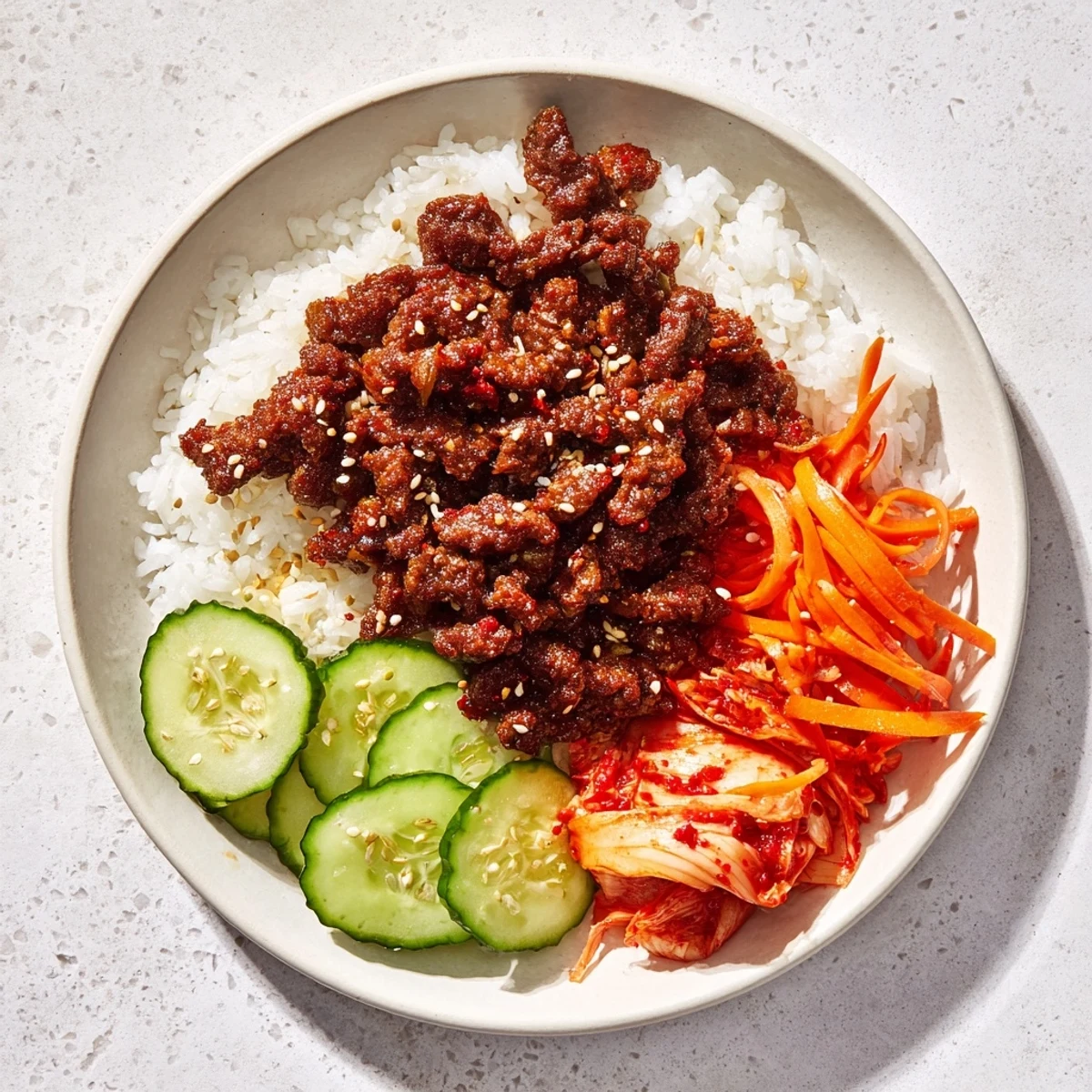
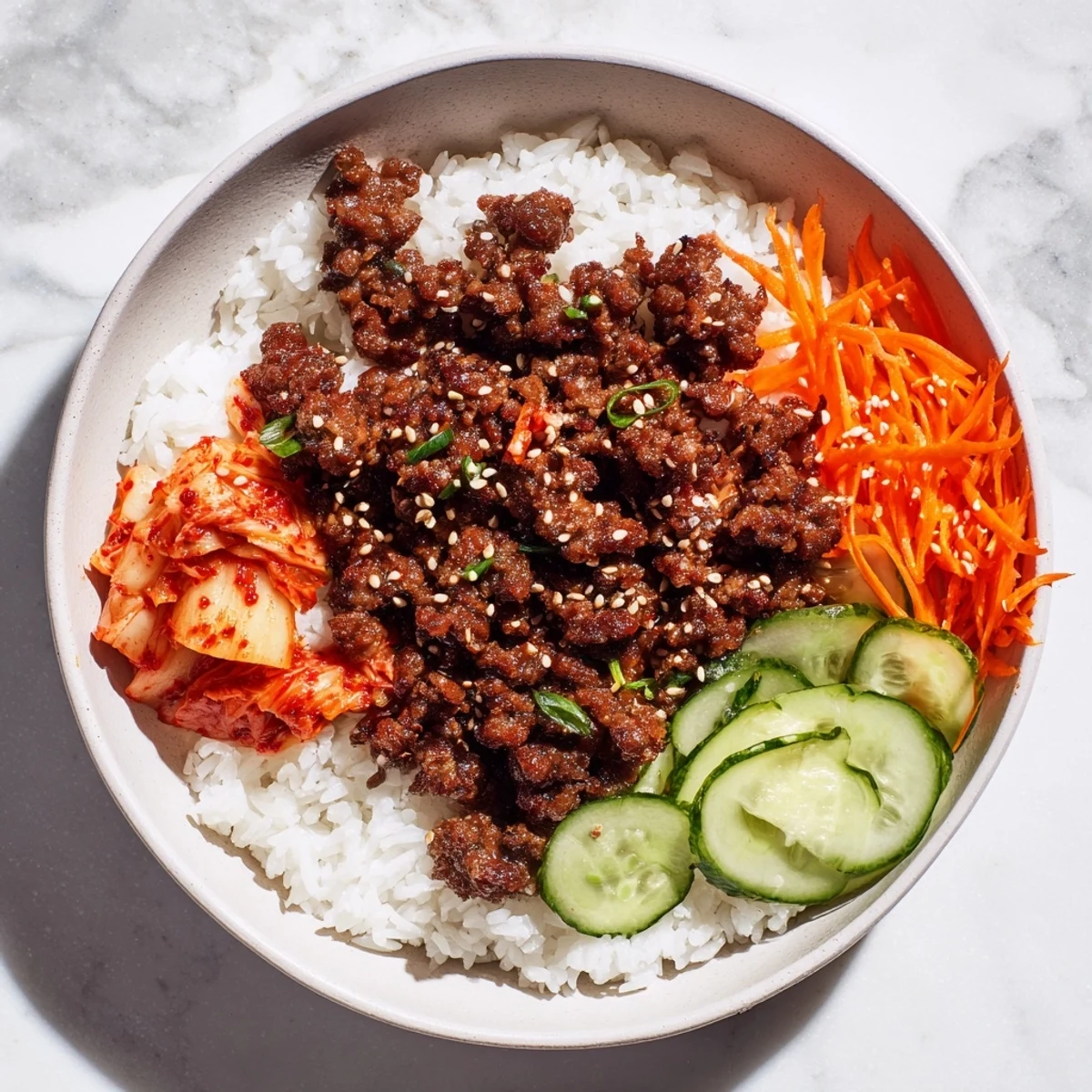
 This dish combines tender ground beef simmered in a savory-sweet spicy sauce made from gochujang, soy sauce, and sesame oil. Served over fluffy jasmine rice and topped with fresh shredded carrots, sliced cucumber, kimchi, and scallions, it offers a lively blend of textures and flavors. Garnished with toasted sesame seeds and optional cilantro, it's a quick, easy, and satisfying meal rich in Korean seasonings and vibrant ingredients.
The first time I stumbled upon this Spicy Korean Beef Bowl, I was instantly hooked by the symphony of flavors—spicy, savory, and just a touch sweet. It felt like a delicious secret waiting to be shared with friends after a long day.
I remember the first time unexpected guests showed up and I whipped this up—it vanished in minutes and earned rave reviews, instantly becoming a go-to on busy nights.
Ingredients
- Beef: I always reach for lean ground beef to keep the dish hearty but not greasy
- Gochujang: This Korean chili paste brings essential heat and depth, so don't skimp on quality
- Soy Sauce: A staple for umami that ties all the flavors together smoothly
- Sesame Oil: Just a touch adds a toasty warmth that makes the dish irresistible
- Rice: Jasmine or short-grain work best for that perfect fluffy texture
- Vegetables: Fresh, crisp carrots, cucumbers, and kimchi add brightness and crunch
Instructions
- Get Everything Ready:
- Whisk together the soy sauce, gochujang, brown sugar, sesame oil, garlic, ginger, and rice vinegar so the flavors marry nicely before cooking
- Cook the Beef:
- Heat your skillet until hot, then sear the beef, breaking it up as you go until it's beautifully browned and fragrant
- Coat the Beef:
- Pour over the sauce and stir to coat every bit, letting it thicken slightly as the smell fills your kitchen
- Assemble with Love:
- Spoon fluffy rice into bowls and top with the spicy beef then add shredded carrots, cucumber slices, kimchi, and scallions for that fresh crunch
- Garnish and Serve:
- Sprinkle toasted sesame seeds on top and add fresh cilantro or extra scallions if you want a little herb punch
 Save to Pinterest
 This dish isn't just dinner; it became a symbol of comfort on chilly evenings and a celebratory pick-me-up after tough weeks. It's magic wrapped in a bowl.
Keeping It Fresh
Leftovers keep surprisingly well—just store the beef separately from the rice and veggies if you can. Reheat gently to keep the flavors lively and the textures just right.
Serving Ideas That Clicked
Try adding a fried egg on top or swap kimchi for pickled radishes for a twist. It's your bowl to make your own, and every addition adds a new layer of fun.
A Time This Recipe Saved the Day
Once, last-minute guests arrived as I was about to call it a night. This recipe came together fast and fed everyone with plenty to go around.
- Remember to taste as you go for perfect balance
- Keep extra gochujang handy for when friends ask for more heat
- Never underestimate the power of fresh garnishes—they lift the whole bowl
 Save to Pinterest
 Thanks for cooking alongside me! I hope this spicy bowl finds a happy place in your kitchen and heart.
Recipe Questions & Answers
- → What cut of beef works best for this dish?
-
Lean ground beef is ideal as it cooks quickly and absorbs the sauce well, keeping the dish moist and flavorful.
- → Can I adjust the spice level?
-
Yes, add more gochujang or sriracha to increase heat, or reduce it for milder flavors.
- → What type of rice is preferred?
-
Jasmine or short-grain white rice works best, providing a soft, fluffy base that complements the bold beef flavors.
- → Are there good alternatives to beef?
-
Ground turkey, chicken, or tofu can be used for different proteins while maintaining delicious taste and texture.
- → How can I enhance the dish's presentation?
-
Sprinkle toasted sesame seeds and fresh cilantro or extra scallions on top for added color and aroma.