
 Save to Pinterest
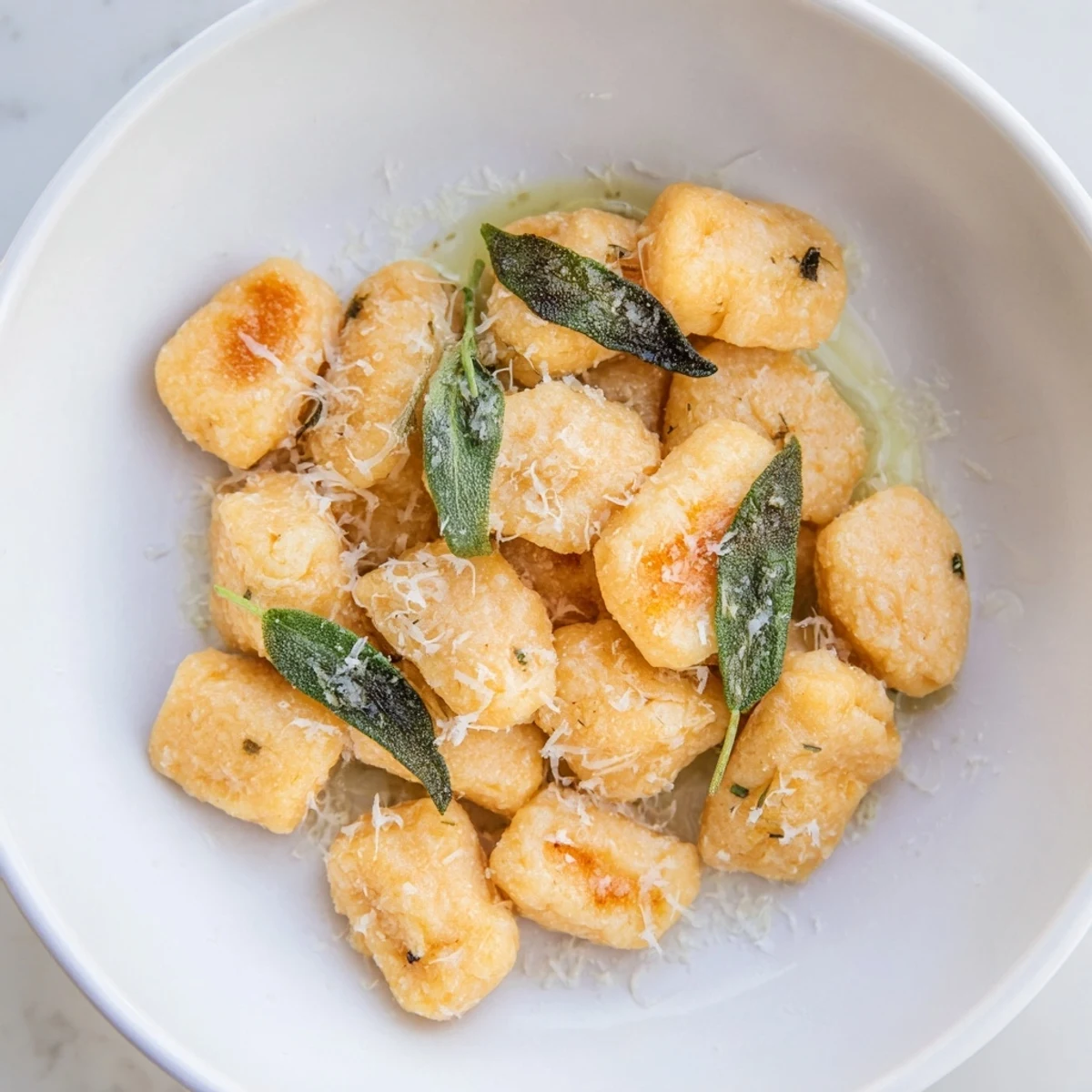
 This dish features pillowy gnocchi crafted from roasted butternut squash and creamy potato, blended with Parmesan and gentle spices. The golden gnocchi provide a subtle sweetness and tender texture, ideal for a cozy autumn meal. Finished optionally with sage-infused butter or extra Parmesan, it offers a harmonious blend of flavors and comforting warmth. Preparation involves roasting, boiling, and gentle mixing, resulting in a naturally delicious main course suited for vegetarian preferences.
The first time I made squash gnocchi, it was an accident born from stubbornness. I had roasted too much butternut squash for soup, refused to waste it, and found myself mashing it with a potato one quiet October evening. The kitchen smelled like caramelized sugar and earth, and something about that combination made me curious enough to keep going. What emerged from that experimentation was pillowy, golden dumplings that tasted like autumn distilled into a single bite.
I remember serving these to my partner on a night when everything felt overwhelming. The kitchen was warm, steam rising from the pot, and we ate standing at the counter, barely talking. Those pillowy dumplings, pale golden and dotted with crispy sage, somehow made the day feel manageable again. That's when I realized these weren't just dinner—they were a small, edible kindness you could give yourself or someone else.
Ingredients
- Butternut squash (1½ lbs): The roasting is non-negotiable here—you need those caramelized edges and concentrated sweetness. Any winter squash works, but butternut has the best flavor-to-moisture ratio.
- Russet potato (1 medium): This acts as a binder and adds structure without diluting the squash flavor. Don't skip it or swap for waxy potatoes; they won't create the fluffy texture you want.
- Parmesan cheese (½ cup): Freshly grated makes all the difference in both flavor and texture of the dough.
- All-purpose flour (1½–2 cups): Start at the lower end and add gradually—squash varieties release different amounts of moisture, so you might need less than expected.
- Egg (1 large): This binds everything together, so make sure it's beaten lightly before adding.
- Salt, pepper, nutmeg: The nutmeg is optional but truly magic if you use just a pinch—it echoes the squash's natural sweetness without announcing itself.
- Unsalted butter and fresh sage (for serving): These are the finishing touches that make this dish sing, especially when the butter browns and the sage crisps.
Instructions
- Roast the squash until it's golden and tender:
- Toss your cubed squash with just a light drizzle of oil and spread it on the baking sheet. At 400°F, you're looking for 30–40 minutes—the edges should caramelize and turn a deep amber. This is where the flavor comes from, so don't rush it or baby it with low heat.
- Cook the potato until it falls apart:
- Boil it in salted water until a fork slides through without resistance, usually 15–20 minutes. You want it genuinely tender, not just soft on the outside. Drain it really well before mashing—excess moisture is the enemy of good gnocchi.
- Rice both vegetables until they're completely smooth:
- A potato ricer is worth pulling out here because you'll get an airy, lump-free base. If you're using a masher, press hard and really work it. Spread the mixture on a tray to cool—this prevents the egg from scrambling when you add it.
- Build the dough gently:
- Combine the cooled squash-potato mixture with Parmesan, salt, pepper, nutmeg if you're using it, and the beaten egg. The magic is in restraint here—mix just until everything is incorporated, then add flour a little at a time. You're aiming for a soft, slightly sticky dough that holds together but isn't dense.
- Shape with confidence:
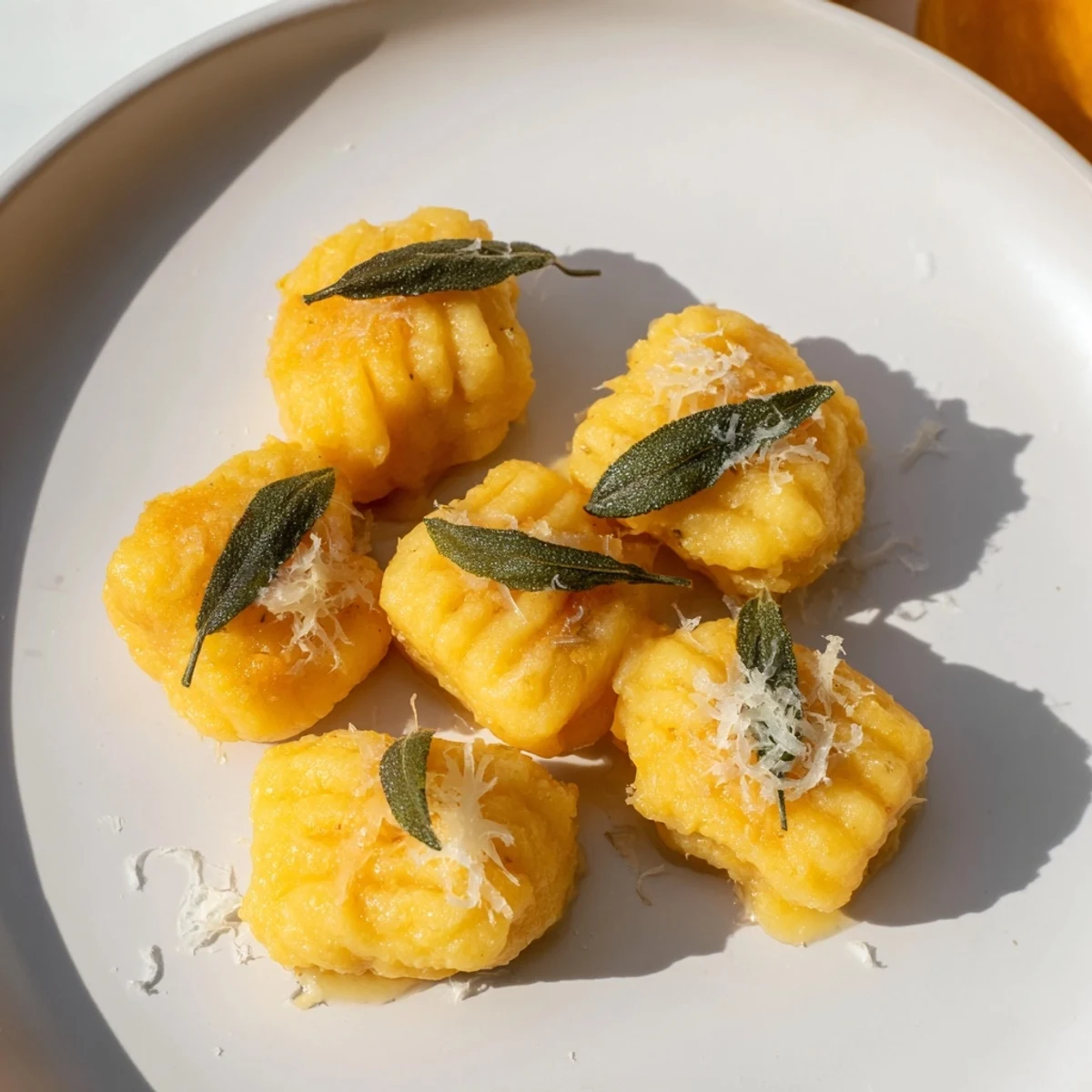
- Divide the dough into four portions and roll each into a rope about ¾ inch thick on a floured surface. Cut into 1-inch pieces, then gently roll them over the back of a fork to create those traditional ridges. This step looks intimidating but takes minutes once you start.
- Cook until they float, then a minute more:
- Drop them into gently boiling salted water in batches—crowding the pot makes them steam instead of float. They'll rise to the surface after 2–3 minutes, which is your signal they're done. Remove them with a slotted spoon and toss immediately into butter and sage if you're finishing them that way.
 Save to Pinterest
 There was a moment during my second attempt when I watched a batch of gnocchi bob to the surface, golden and perfect, and I felt something shift. These weren't fancy or complicated, but they were undeniably good. That's when homemade food clicked for me—the simple things, made with attention, become extraordinary.
Why These Matter in Fall
Squash gnocchi hit different in October and November. The sweetness connects to the season's flavor profile, and there's something grounding about sitting down to roasted vegetables transformed into something pillowy and refined. They feel both weeknight-casual and dinner-party-worthy, which is rare.
Finishing Them Right
The serving method changes everything. Butter and sage creates a rich, slightly nutty finish that lets the squash shine. A light tomato sauce brings brightness. Even olive oil and fresh thyme work beautifully. I've learned not to overcomplicate this—the gnocchi themselves are the star, so the garnish should be a supporting actor, not stealing the scene.
Make Ahead and Storage
One of my favorite discoveries is that raw gnocchi freeze brilliantly. Make them, freeze them on a tray, then transfer to a freezer bag, and you can cook them straight from frozen whenever you need them. They take an extra minute or two to cook, but the texture stays perfect. I also learned the hard way that you can make the dough ahead and refrigerate it overnight—sometimes it needs slightly less flour the next day because the flour continues to hydrate.
- Freeze raw gnocchi on a tray before bagging so they don't stick together in a clump.
- Cooked gnocchi will keep in the fridge for three days but are best eaten fresh or reheated gently in butter.
- Store the dough covered in the fridge for up to 24 hours if you need to make them later.
 Save to Pinterest
 Making gnocchi is one of those small kitchen skills that seems to expand your sense of possibility. Once you've done it once, you start imagining spinach versions, ricotta versions, other root vegetables. There's something deeply satisfying about turning a few humble ingredients into something that tastes both simple and complete.
Recipe Questions & Answers
- → What type of squash works best?
-
Butternut squash is ideal due to its sweetness and texture, but other winter squashes can be used as substitutes.
- → How can I prevent dough from sticking?
-
Use flour sparingly during mixing and dust the work surface well. Chilling the dough for 15 minutes also helps manage stickiness.
- → What gives the gnocchi their golden color?
-
Roasting the squash caramelizes the natural sugars, imparting a warm golden hue and subtle sweetness to the gnocchi.
- → Can this dish be made vegan?
-
Yes, by substituting Parmesan with plant-based cheese and replacing the egg with a flaxseed egg or similar alternative.
- → What finishing touches enhance flavor?
-
Sautéing cooked gnocchi in butter infused with fresh sage or sprinkling extra grated Parmesan adds richness and aroma.