
 Save to Pinterest
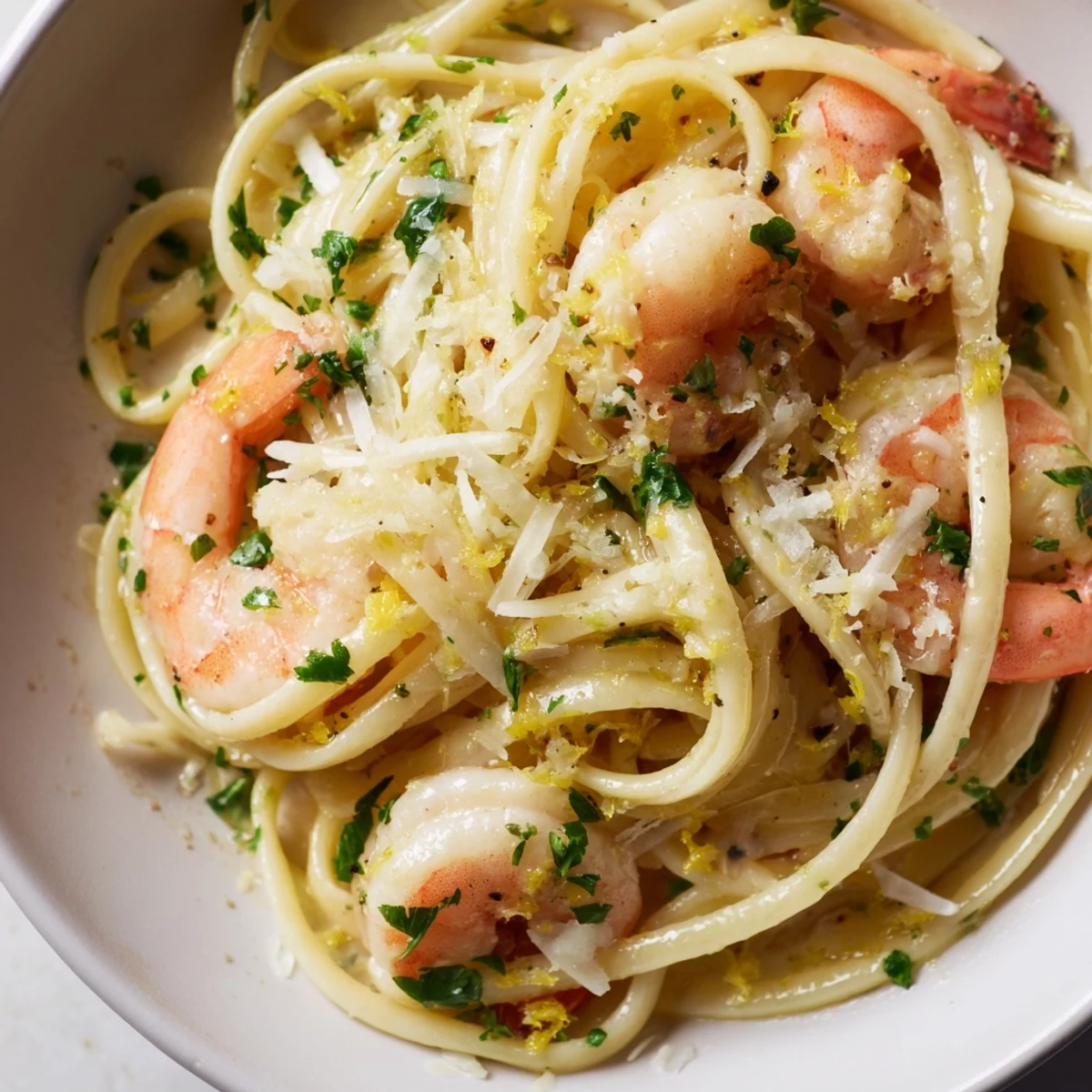
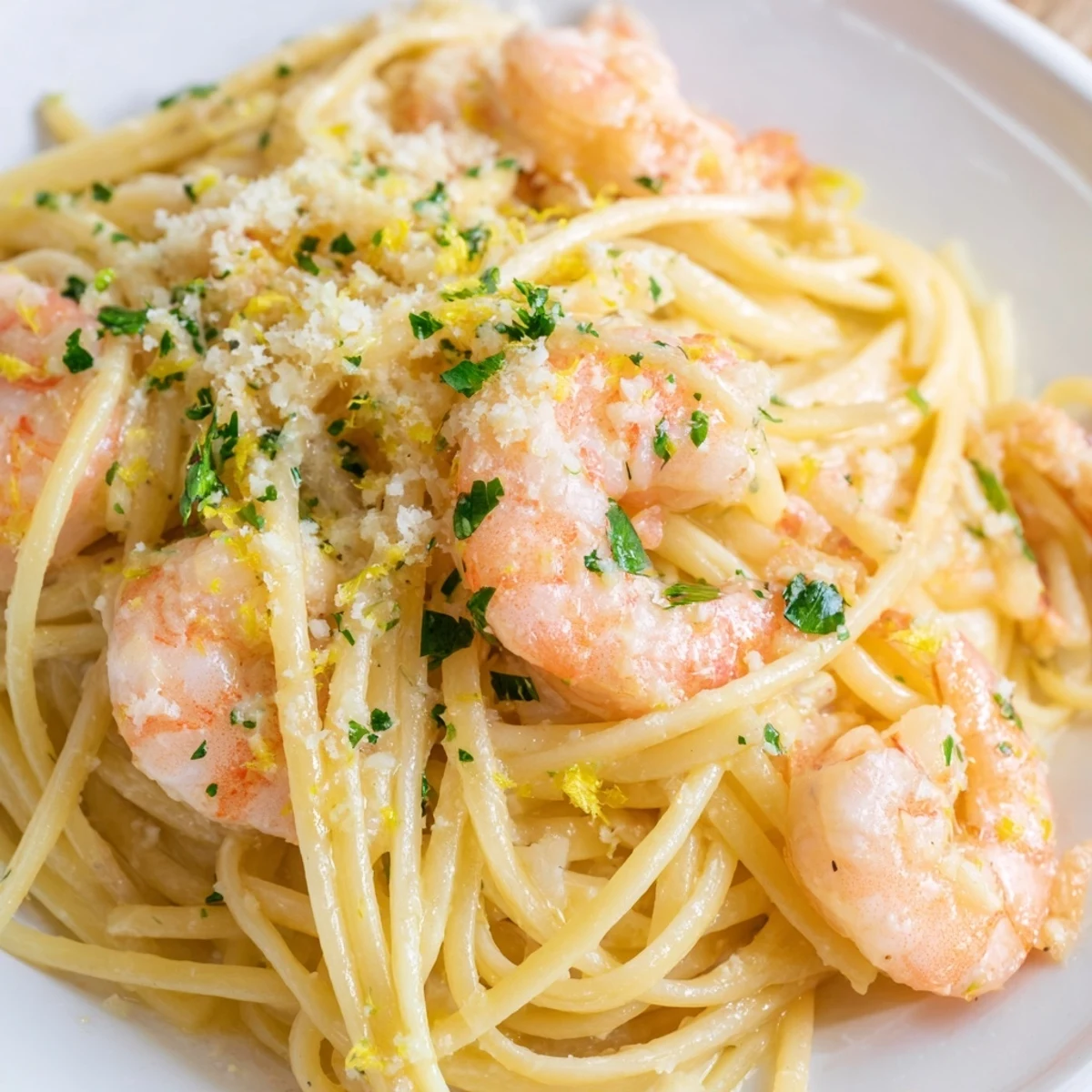
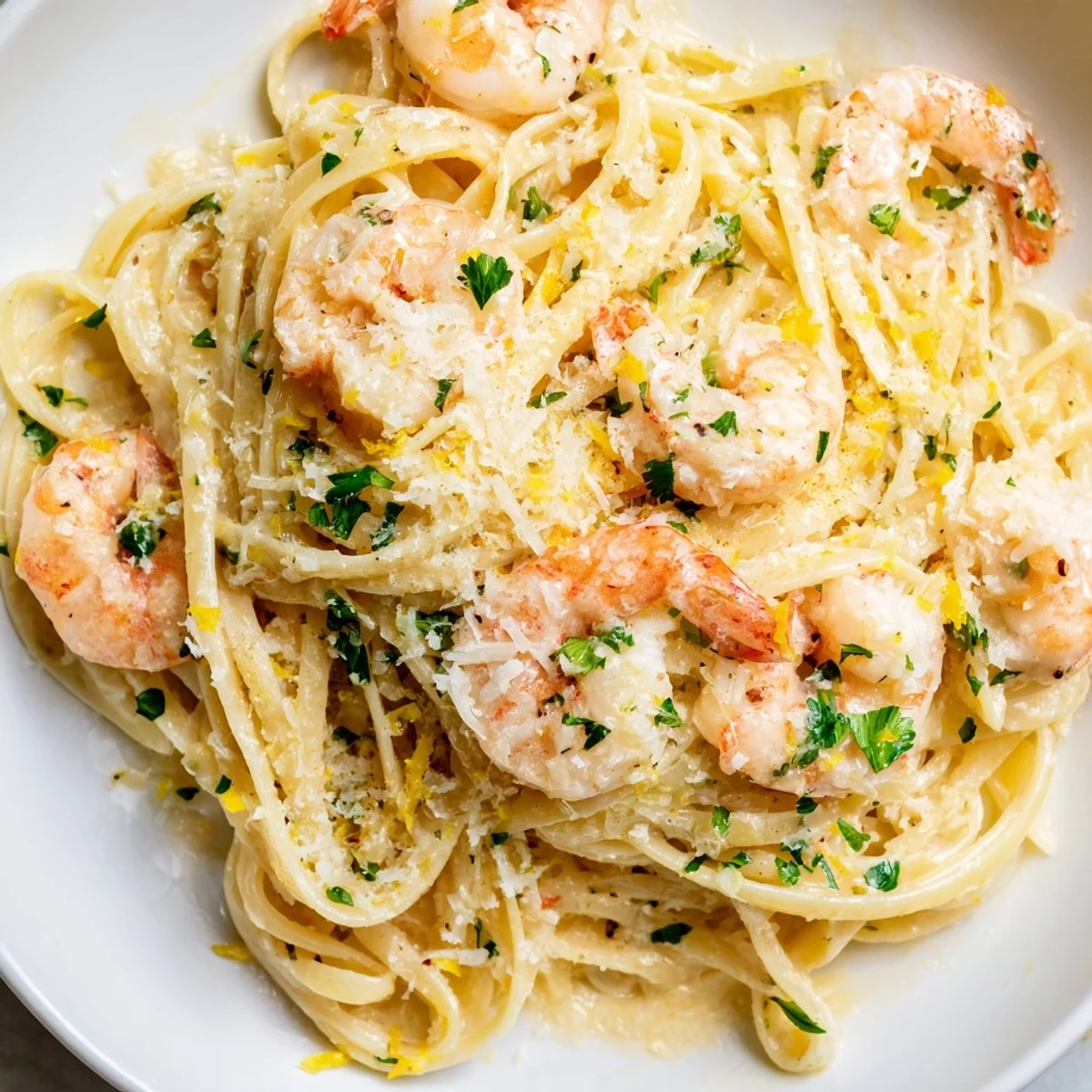
 This dish features large shrimp sautéed in a fragrant lemon garlic butter sauce, combined with tender linguine to create a silky, flavorful meal. Garlic, lemon zest, and white wine enrich the sauce, balanced by fresh parsley and a touch of crushed red pepper for subtle heat. Quick to prepare, it brings restaurant-quality elegance to your table within 30 minutes. Serve with Parmesan and lemon wedges for a bright finish.
There's something about the smell of garlic hitting hot butter that just stops you mid-conversation. I learned that on a Tuesday night when I threw together this shrimp scampi without a plan, mostly because I had linguine and shrimp in the fridge and wanted something that felt restaurant-fancy but wouldn't keep me in the kitchen all evening. Twenty minutes later, my kitchen smelled incredible, and I realized I'd stumbled onto something I'd be making again and again.
I remember making this for my partner after a long day at work, and watching their face when they took the first bite—that moment when you realize you've made something someone will actually crave. It became our go-to dish when we wanted to impress without the stress, and somehow it tastes different depending on whether you're cooking it on a quiet night or rushing through dinner before plans.
Ingredients
- Large shrimp (1 lb, peeled and deveined): The backbone of this dish; pat them completely dry before cooking so they sear instead of steam.
- Linguine (12 oz): Long pasta strands catch the sauce beautifully, but spaghetti or fettuccine work just as well if that's what you have.
- Unsalted butter (4 tbsp): This is your sauce base, so use something you'd actually taste on its own.
- Extra virgin olive oil (3 tbsp): The combination of butter and oil keeps the garlic from burning while building flavor layers.
- Garlic (5 cloves, finely minced): This isn't a suggestion—mince it fine so it dissolves into the sauce rather than sitting in chunks.
- Crushed red pepper flakes (1/2 tsp, optional): A whisper of heat that makes everything taste more alive, even if you think you don't like spicy food.
- Lemon zest and juice (1 lemon): The brightness that stops this from tasting heavy; don't skip the zest, it's where the real lemon flavor lives.
- Dry white wine or broth (1/3 cup): Wine deglazes the pan and adds depth, but broth works if you're not using wine.
- Fresh parsley (1/4 cup, chopped): Added twice—some cooks the sauce, some finishes the plate—for freshness that tastes like springtime.
- Salt and black pepper: Taste as you go; the pasta water you reserve will help you adjust seasoning without oversalting.
Instructions
- Start your pasta water:
- Bring a large pot of salted water to a rolling boil while you prep everything else. Salt it generously—the water should taste like the sea. This is the only seasoning your pasta gets.
- Prep your shrimp:
- Pat them dry with paper towels, which sounds like a small thing but it's the difference between shrimp that sears with color and shrimp that steams gray. Season lightly with salt and pepper.
- Cook the linguine:
- Drop it into the boiling water and cook until al dente, which means tender but with the tiniest resistance when you bite it. Before draining, reserve about half a cup of that starchy cooking water—it becomes your sauce's best friend.
- Sear the shrimp:
- In a large skillet over medium-high heat, melt 2 tablespoons of butter with 2 tablespoons of olive oil. Once it's shimmering and smells warm, add the shrimp in a single layer and let them sit for about a minute before flipping. They should turn pink and opaque after just 1-2 minutes per side; overscooked shrimp turns rubbery, so watch them carefully.
- Build your sauce base:
- Remove the shrimp and lower the heat to medium. Add the remaining butter and olive oil to the empty pan, then add your minced garlic and red pepper flakes. Stir constantly for about a minute, listening for the garlic to smell fragrant but sharp—pull it from the heat if it starts to smell dark or burnt.
- Deglaze and reduce:
- Pour in your white wine or broth, scraping the bottom of the pan with a wooden spoon to release all those browned bits that hold real flavor. Let it bubble gently for about two minutes while the liquid reduces and concentrates.
- Bring it together:
- Stir in the lemon juice and zest, then return the shrimp and any juices that collected on the plate back to the skillet. Toss gently for about a minute to warm everything through and let the flavors meld.
- Marry pasta and sauce:
- Add the drained linguine and half of your fresh parsley to the skillet. Toss everything together slowly, adding splashes of that reserved pasta water until the sauce clings to the pasta like silk. The starch in the water helps the sauce coat evenly rather than pooling at the bottom.
- Taste and serve:
- Before plating, taste a strand of pasta and a shrimp together. Adjust salt and pepper to your preference, then serve immediately while everything is hot, garnished with remaining parsley, Parmesan if you like, and lemon wedges for squeezing over.
 Save to Pinterest
 The first time I nailed this dish was when someone at the table said it tasted like a restaurant they'd paid way too much money at. That's when I knew this wasn't just dinner—it was a shortcut to feeling like you'd put real thought into feeding people.
Why This Recipe Works Every Time
The genius of this dish is that it respects the shrimp instead of fighting it. Shrimp are delicate and cook in minutes, so the whole recipe is designed around that reality. The sauce comes together fast and light, never drowning out the flavor of good seafood, and the pasta soaks up just enough to make it feel like a complete dish without being heavy. I've made this at least fifty times now, and the variables that matter most are freshness of shrimp, real butter, and actual lemon juice—not the shortcuts.
Building Layers of Flavor
What makes this scampi taste better than a quick dinner is how the sauce builds in stages. The garlic blooms in butter and oil, creating a base that's nutty and warm. The wine adds body and cuts richness. The lemon comes in last, bright and cutting through everything, which is why you taste the lemon as much as you taste the garlic—neither one dominates, they dance together. It's the same technique that makes restaurant food taste the way it does, and it's not complicated, just intentional.
Serving and Variations
This dish is perfect as is, but I've found ways to adapt it depending on mood and what's in the kitchen. Sometimes I add a splash of heavy cream for richness when I want something more luxurious, or I use seafood broth instead of wine if someone's not drinking alcohol. The beauty is it's flexible enough to adjust but simple enough that adjustments don't break it.
- For extra richness without much effort, add a splash of heavy cream right when the lemon juice goes in and stir gently.
- If you can't find linguine, any long pasta works—spaghetti, fettuccine, even spaghetti squash if you're in that phase.
- A glass of Sauvignon Blanc or Pinot Grigio on the side completes the whole experience in a way that just feels right.
 Save to Pinterest
 This is the kind of recipe that quietly becomes part of your rotation, the one you make when you want something that tastes like you tried without actually trying that hard. Every time you make it, you'll get a little faster and a little more confident, and that's the real magic.
Recipe Questions & Answers
- → How do I prevent the shrimp from overcooking?
-
Sauté shrimp quickly over medium-high heat until just pink and opaque, about 1-2 minutes per side, to keep them tender and juicy.
- → Can I use a different pasta instead of linguine?
-
Yes, spaghetti or fettuccine can be used as alternatives with similar cooking times and texture.
- → What can I substitute for white wine in the sauce?
-
Dry white wine can be replaced with seafood or chicken broth to maintain depth of flavor without alcohol.
- → How do I make the sauce silky and smooth?
-
Adding reserved pasta water while tossing the pasta with sauce helps create a glossy, cohesive texture.
- → What garnishes complement this dish best?
-
Freshly chopped parsley, grated Parmesan cheese, and lemon wedges enhance the flavors and presentation.