
 Save to Pinterest
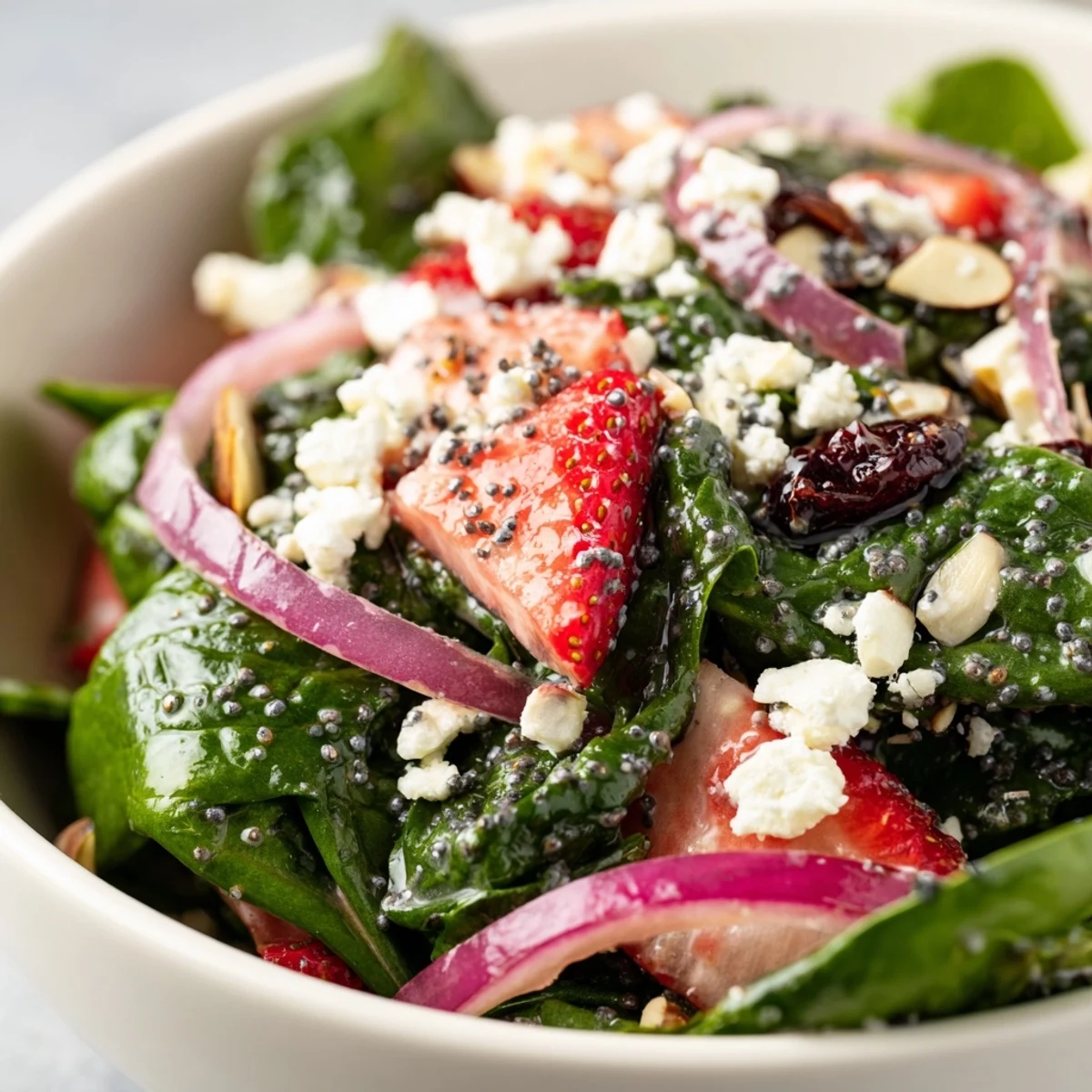
 This salad combines sweet strawberries with tender baby spinach, crumbled feta, and toasted almonds for a delightful crunch. A creamy poppy seed dressing ties all the fresh ingredients together, adding a subtly sweet and tangy finish. Easy to prepare in just 15 minutes, it suits vegetarian and gluten-free preferences and is ideal for spring or summer gatherings. Optional dried cranberries add a touch of tartness, while versatile nuts bring texture. Perfect served chilled and tossed gently before serving.
There's something about the first time you taste a really good strawberry and spinach salad that makes you wonder why you spent so many years eating sad, bland leafy greens. I was at a farmer's market on a warm April afternoon when a vendor handed me a sample of theirs—the berries were impossibly sweet, the spinach melted on my tongue, and that tangy poppy seed dressing made everything just right. I went home and immediately started experimenting, and this version became the salad I actually crave now instead of just tolerating.
I made this for a small dinner party last summer when my neighbor brought over a basket of strawberries from her garden, and I could see people's faces light up when they took their first bite—that moment when they realized salad could actually be exciting. Everyone asked for the dressing recipe, and I loved that I could actually write it down instead of being vague about it.
Ingredients
- Baby spinach: The tender leaves are key here because they don't need cooking and they hold up surprisingly well against the dressing without turning into mush.
- Fresh strawberries: Look for ones that actually smell like strawberries, and slice them just before you assemble the salad so they stay bright and juicy.
- Red onion: Just a thin sliver adds a sharp bite that keeps the sweetness from getting cloying, and it's one of those small touches that makes people ask what you did differently.
- Feta cheese: The crumbly saltiness is essential—it's what makes this feel substantial instead of just a bowl of leaves.
- Toasted sliced almonds: Toasting them yourself makes a real difference in flavor, but honestly, any nut you like will work beautifully here.
- Dried cranberries: Optional, but they add little bursts of tartness that echo the dressing in a nice way.
- Extra virgin olive oil: Don't skimp on quality here because it's one of only a few ingredients and it really matters.
- Apple cider vinegar: This gives the dressing its backbone, that subtle sweetness and complexity that makes it taste homemade instead of bottled.
- Honey or maple syrup: Just enough to round out the sharp edges of the vinegar and make the dressing taste balanced.
- Poppy seeds: These tiny seeds give the dressing texture and a subtle nuttiness that ties everything together.
- Dijon mustard: A small spoonful acts as an emulsifier and adds a quiet sophistication to the flavor profile.
Instructions
- Make the dressing first:
- In a small bowl or jar, whisk together the olive oil, apple cider vinegar, honey, poppy seeds, Dijon mustard, salt, and pepper until everything looks creamy and the seeds are distributed throughout. I like to taste it right here and adjust the honey or salt—trust your palate because dressings vary based on the acidity of your vinegar.
- Build your salad base:
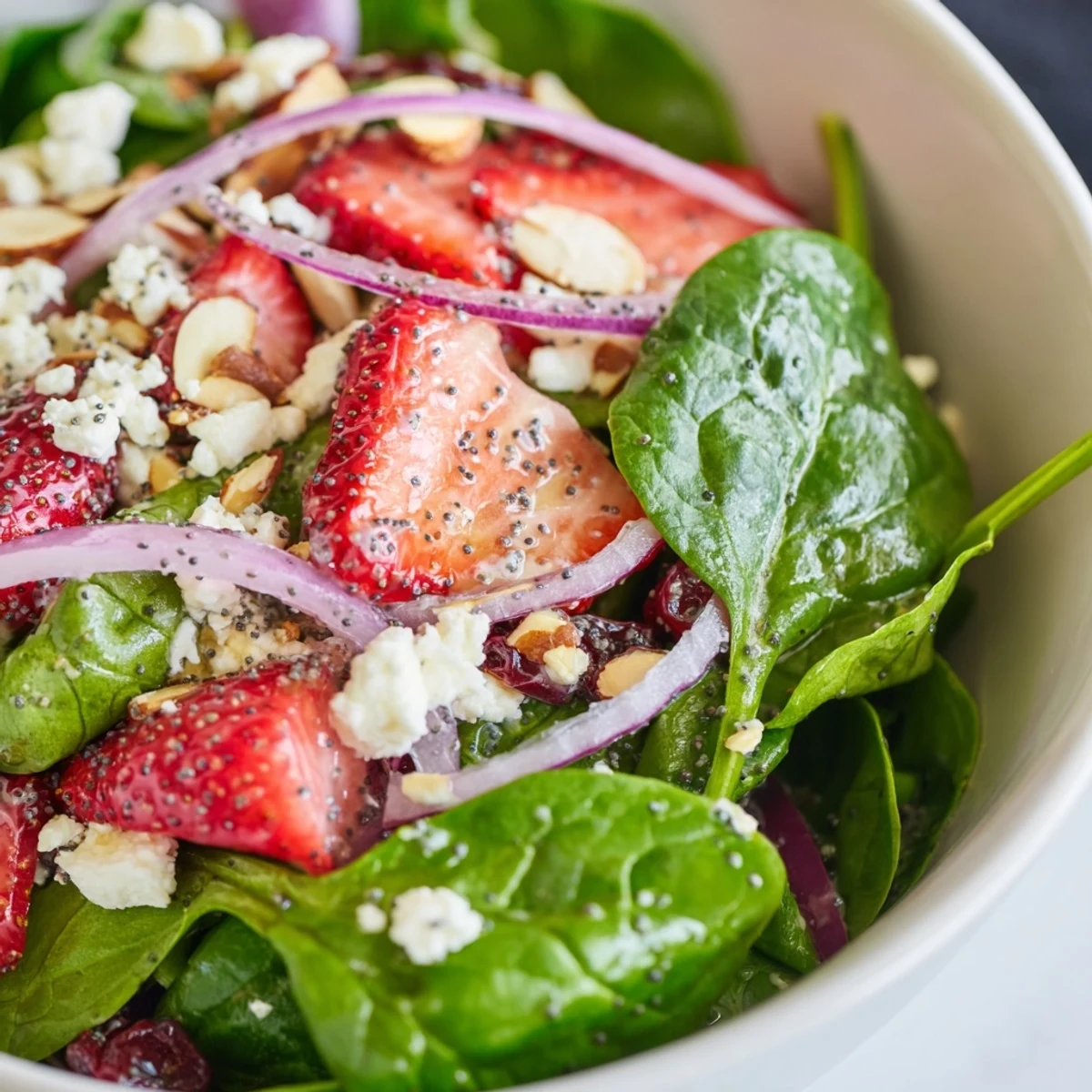
- Put the baby spinach in your largest bowl because you want room to toss things gently without everything flying all over. Layer on the strawberries, red onion, feta, almonds, and cranberries if you're using them, and take a moment to admire how pretty it all looks before you add the dressing.
- Dress and serve:
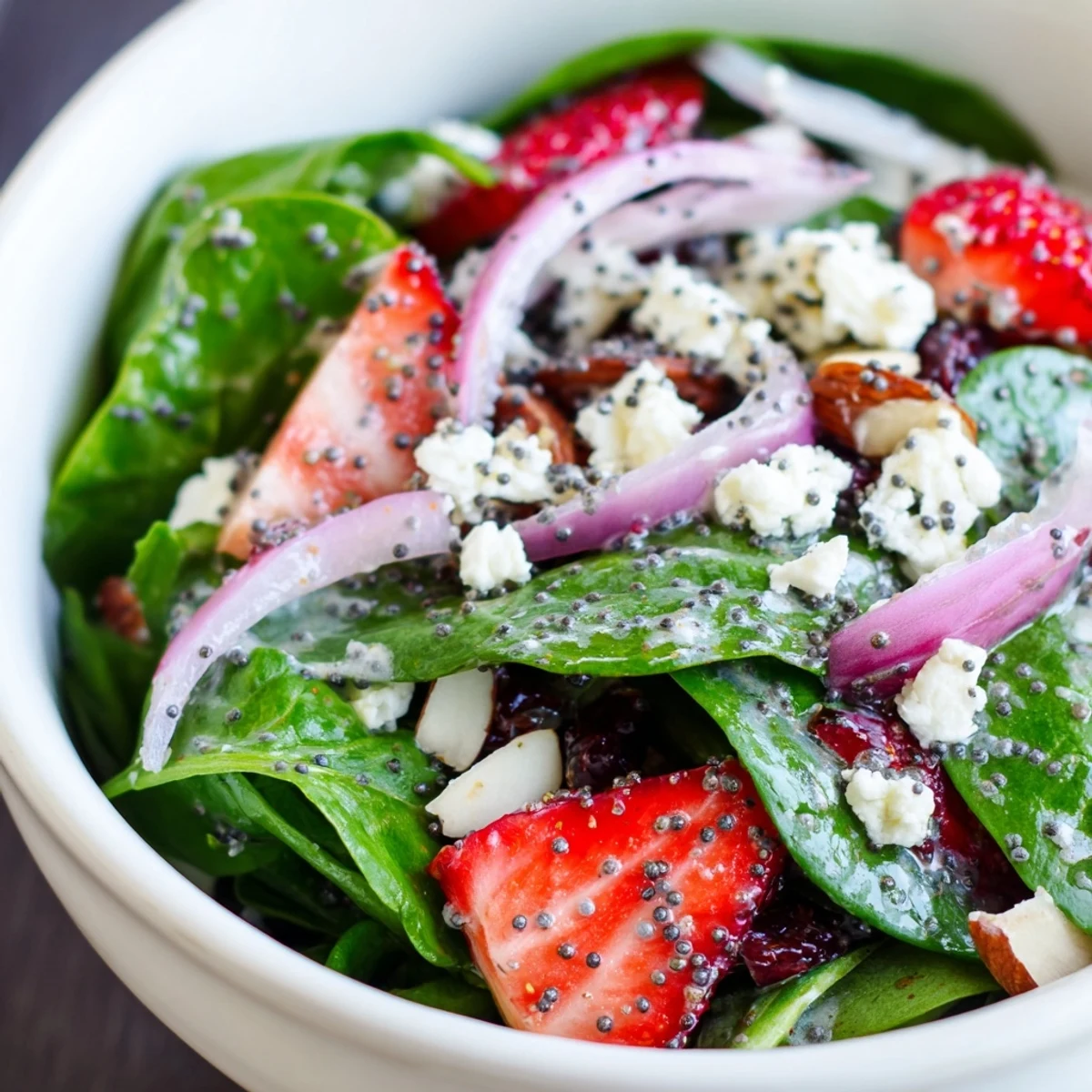
- Pour the dressing over everything just before serving and toss gently with your hands or two spoons until each leaf is coated but nothing's broken up. The whole point is that bright, crisp texture, so don't let it sit around waiting for people to eat it.
 Save to Pinterest
 My daughter came home from school one day and asked why I was making that salad again, and I realized I'd been making it at least once a week for months without even noticing. That's when I knew it had become more than just a recipe—it was something that genuinely brought people back to the table.
The Magic of Fresh Ingredients
This salad lives or dies by the quality of what you put into it, and I learned this the hard way by once making it with sad supermarket strawberries in the middle of winter. The whole thing tasted dull and kind of watery, and I realized that some dishes are really just about celebrating ingredients at their peak rather than trying to force them year-round. Now I make this salad when strawberries are actually in season and taste like strawberries, which is why it's become such a spring and summer thing in my kitchen.
Why the Poppy Seed Dressing Works
Most people expect salad dressing to taste either tangy or creamy, but this one somehow manages both at the same time because the honey and mustard create an emulsion that feels richer than the ratio of oil to vinegar would suggest. The poppy seeds aren't just decoration—they catch the light on your plate and add this delicate crunch that makes eating salad feel textured and intentional. I've had people ask if there's something else in the dressing, something they can't quite put their finger on, and it's always the poppy seeds doing their quiet work in the background.
Variations and Kitchen Flexibility
The beautiful thing about this salad is that it's flexible enough to adapt to what you have on hand while still tasting like itself. I've made it with walnuts instead of almonds, swapped the cranberries for raisins, and even added crispy bacon crumbles when I was feeling indulgent. The core of spinach, strawberries, and that dressing remains the same, which is why the recipe works as a foundation rather than a rigid set of rules.
- Try adding grilled chicken or crumbled feta mixed with herbs for a heartier meal that still feels light.
- Toast a handful of pumpkin seeds instead of nuts for a different texture and a boost of minerals.
- Make it vegan by swapping the feta for a creamy cashew cheese or just leaving it off entirely.
 Save to Pinterest
 This salad taught me that sometimes the simplest meals are the ones that end up becoming real favorites, the ones you make again and again without even thinking about it. It's proof that you don't need fancy techniques or complicated ingredients to make something that tastes truly good.
Recipe Questions & Answers
- → What can I use instead of feta cheese?
-
For a dairy-free option, you can substitute feta with plant-based cheese or omit it altogether, maintaining the salad's fresh flavors.
- → Can the nuts be swapped or omitted?
-
Yes, toasted almonds can be replaced with pecans or walnuts, or completely omitted for nut allergies without losing the salad’s core taste.
- → How should the poppy seed dressing be stored?
-
Store the dressing in a sealed jar in the refrigerator and use within a week for the best freshness and flavor.
- → Is this salad suitable for a vegan diet?
-
To make it vegan-friendly, replace feta with a plant-based cheese alternative or omit it, and ensure the dressing uses maple syrup instead of honey.
- → What dishes pair well with this salad?
-
This salad complements grilled chicken, quinoa bowls, or a crisp white wine like Sauvignon Blanc for a balanced meal.
- → Can dried cranberries be omitted?
-
Dried cranberries are optional; they add a tart sweetness but can be left out if preferred for a cleaner taste.