
 Save to Pinterest
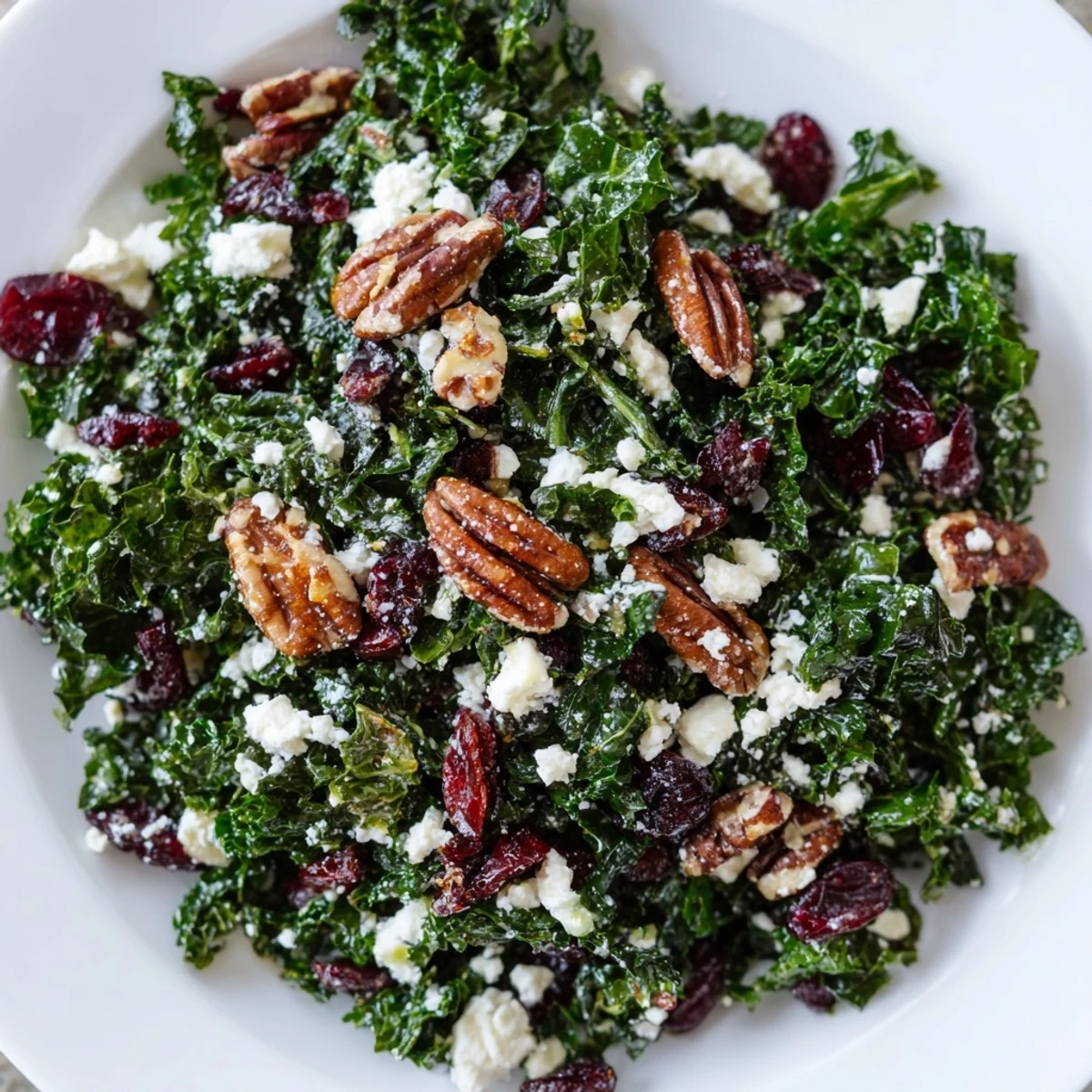
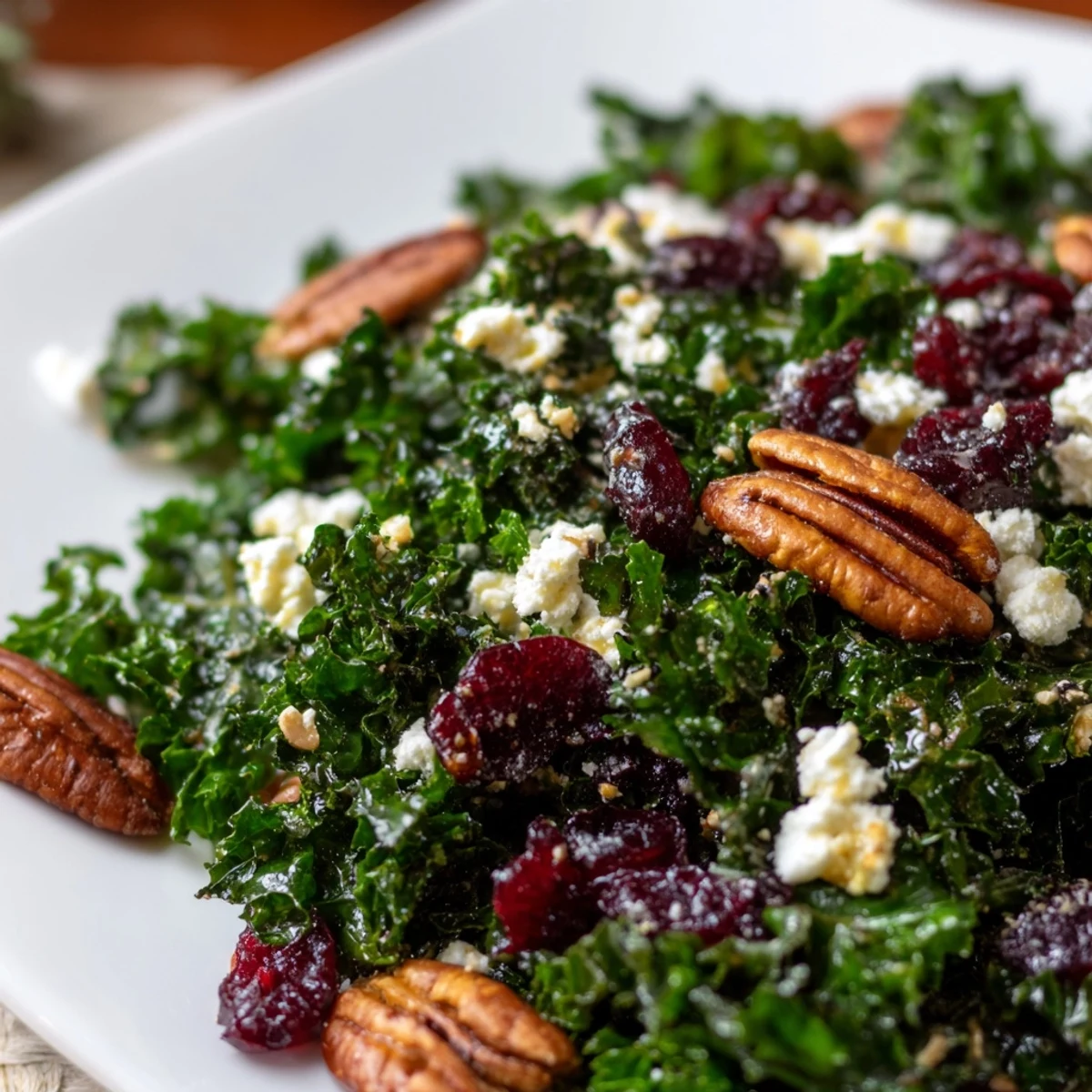
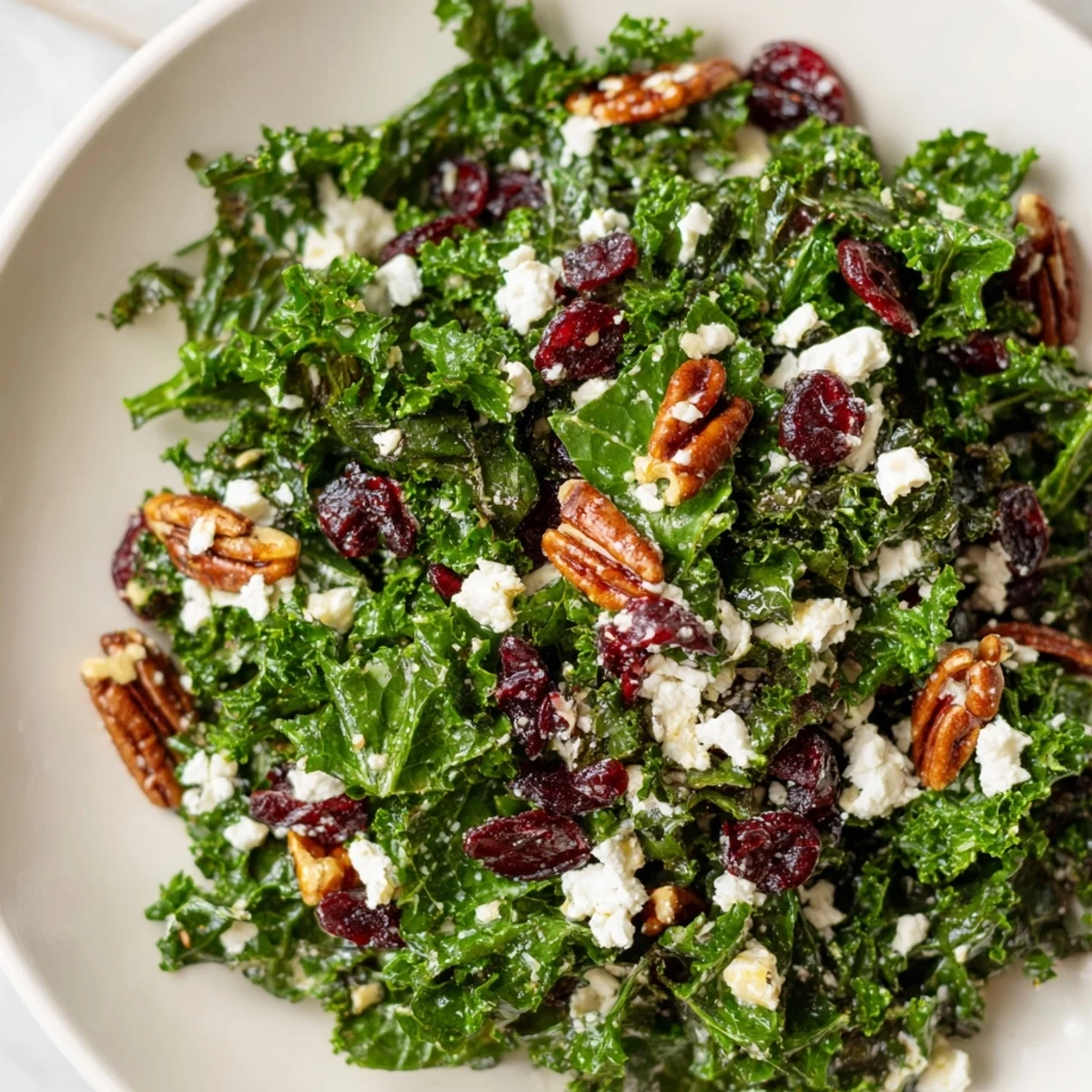
 This winter kale creation blends hearty kale leaves with toasted pecans and sweet dried cranberries, enhanced by a tangy maple-Dijon vinaigrette. The kale is gently massaged to soften its texture before being combined with sliced red onion, crisp apple, and optional crumbled feta. The salad can be enjoyed immediately or rested to deepen flavor blending, offering a nutritious, flavorful dish perfect for cold season meals or light lunches.
Winter afternoons in my kitchen smell like toasted nuts and apple slices, and this salad is always the reason why. There was this one Thursday when I had nothing but kale, some pecans I'd been hoarding, and a jar of maple syrup, and somehow it turned into the dish I now make whenever the season shifts cold. The combination feels both simple and somehow complete—like it was waiting for me to discover it.
I served this at a potluck once when I was running late, and someone asked if I'd bought it from a restaurant. The secret was that toasted pecan aroma filling the room before anyone even tasted it. That moment taught me that sometimes the smallest detail—a few minutes of toasting—changes how people perceive what you've made.
Ingredients
- Kale: Use a large bunch with the stems removed; curly kale works beautifully here and massages into tender ribbons better than you'd expect.
- Pecan halves: Buy them raw and toast them yourself—the difference between store-bought toasted and your own is honestly worth the five minutes.
- Dried cranberries: They plump up slightly as the salad sits and release their tartness into every bite.
- Red onion: Slicing it thin means you get the bite without overwhelming the other flavors.
- Apple: Slice it just before assembly so it stays crisp; I prefer varieties with a little tartness like Granny Smith.
- Feta cheese: The saltiness is essential if you're using it, so resist doubling the amount.
- Extra-virgin olive oil: This is where you notice the difference between good oil and great oil.
- Apple cider vinegar: The acidity keeps the dressing balanced against the maple sweetness.
- Pure maple syrup: Real maple, not the pancake syrup—it adds depth rather than just sugar.
- Dijon mustard: It emulsifies the dressing and adds a subtle sharpness.
- Garlic clove: One small clove is plenty; this isn't a garlic-forward dish.
- Salt and pepper: Taste as you go because the pecans and cheese bring their own saltiness.
Instructions
- Toast the pecans until fragrant:
- Heat a dry skillet over medium heat and add your pecan halves. Stir them constantly for about 3 to 4 minutes until they release that nutty aroma and turn a shade darker. You'll know they're ready when your kitchen smells like a fall evening.
- Mix the vinaigrette:
- Whisk the olive oil, apple cider vinegar, maple syrup, Dijon mustard, minced garlic, salt, and pepper together in a small bowl until everything combines smoothly. Taste it and adjust the balance—if it feels too tart, add a touch more maple syrup.
- Massage the kale gently:
- Put your chopped kale in a large bowl and drizzle about a teaspoon of the vinaigrette over it. Using your hands, rub the kale leaves for a minute or two until they darken and soften; this step changes everything about the texture and how the kale absorbs flavor.
- Combine everything:
- Add the cooled pecans, dried cranberries, red onion slices, apple, and feta to the massaged kale. This is where you see all the elements come together as one salad.
- Dress and toss gently:
- Pour the remaining vinaigrette over everything and toss until every component is coated evenly. Let the salad rest for 10 to 15 minutes if you have the time—the flavors deepen and become more integrated.
 Save to Pinterest
 There's something quietly satisfying about a salad that tastes like winter feels—cool, bright, and a little bit nutty. I've watched people who claim they don't eat salads come back for seconds of this one.
Why This Salad Stands Out in Winter
Most winter salads feel like an afterthought, something you eat because you should. This one tastes intentional and generous, like someone understood that you still want something fresh and crunchy when it's cold outside. The warm spice of the Dijon mustard, the earthy pecans, and the brightness of apple and cranberry all say winter without feeling heavy or sad.
Ways to Make It Your Own
This recipe is flexible enough to bend without breaking. I've used roasted pumpkin seeds instead of pecans, added quinoa for extra substance, and swapped in pomegranate arils when cranberries weren't in my pantry. The structure stays the same but feels fresh each time.
Small Moments That Matter
Cooking isn't always about technique or fancy ingredients. Sometimes it's about the sound of nuts popping gently in a hot pan or the smell of apple cider vinegar mingling with maple syrup. These small sensory moments are what make a recipe feel like yours instead of someone else's instructions.
- Buy good olive oil if you can—you taste it directly in the dressing, not hidden in a cooked dish.
- Chop everything close to serving time so textures stay distinct and appealing.
- Keep the massaging motion gentle and rhythmic, almost meditative, while you're preparing the kale.
 Save to Pinterest
 This salad has become my answer to the question of what to bring or what to make when I want something that feels both nourishing and a little bit special. It's honest food that happens to be very good.
Recipe Questions & Answers
- → How do you soften kale for this salad?
-
Massage chopped kale leaves gently with a small amount of vinaigrette for 1–2 minutes until they darken and become tender.
- → Can pecans be substituted?
-
Yes, walnuts or pumpkin seeds make great crunchy alternatives to pecans.
- → Is there a way to make this dish vegan?
-
Simply omit the feta or replace it with plant-based cheese to keep it vegan-friendly.
- → What’s the best way to toast pecans?
-
Toast pecans in a dry skillet over medium heat for 3–4 minutes until fragrant and lightly browned, stirring frequently.
- → Can this dish be made heartier?
-
Adding cooked quinoa or roasted sweet potatoes boosts both texture and nutrients for a more filling dish.