
 Save to Pinterest
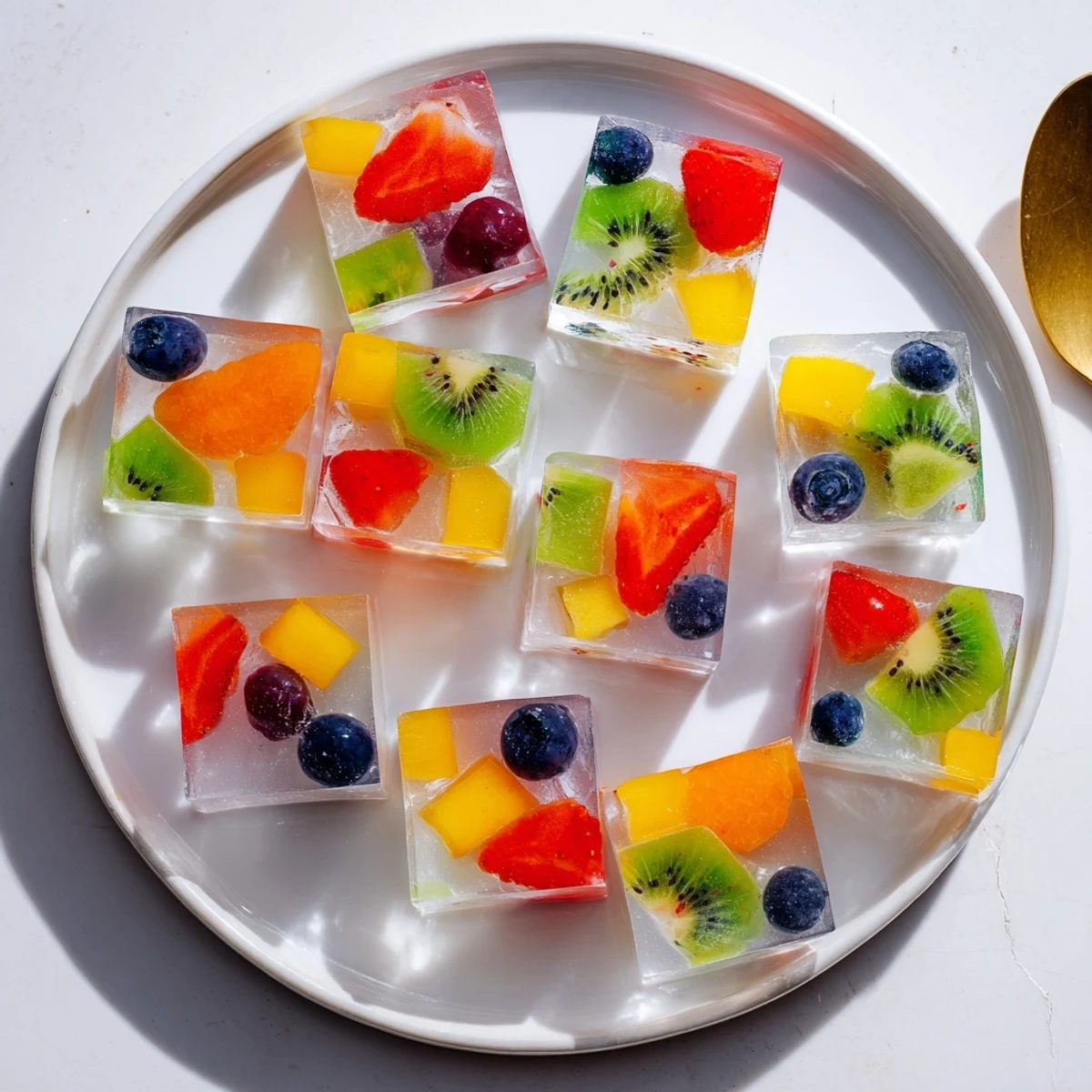
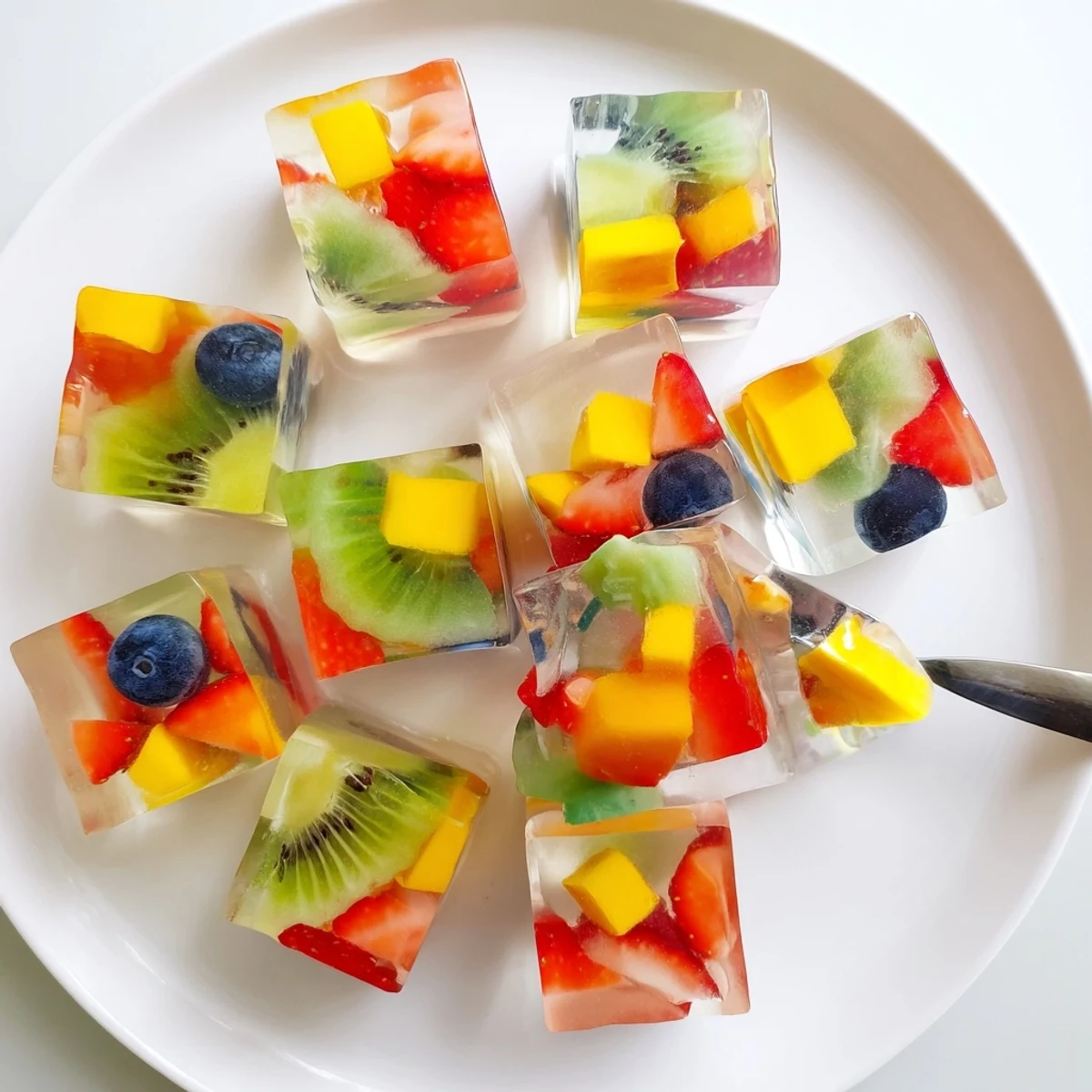
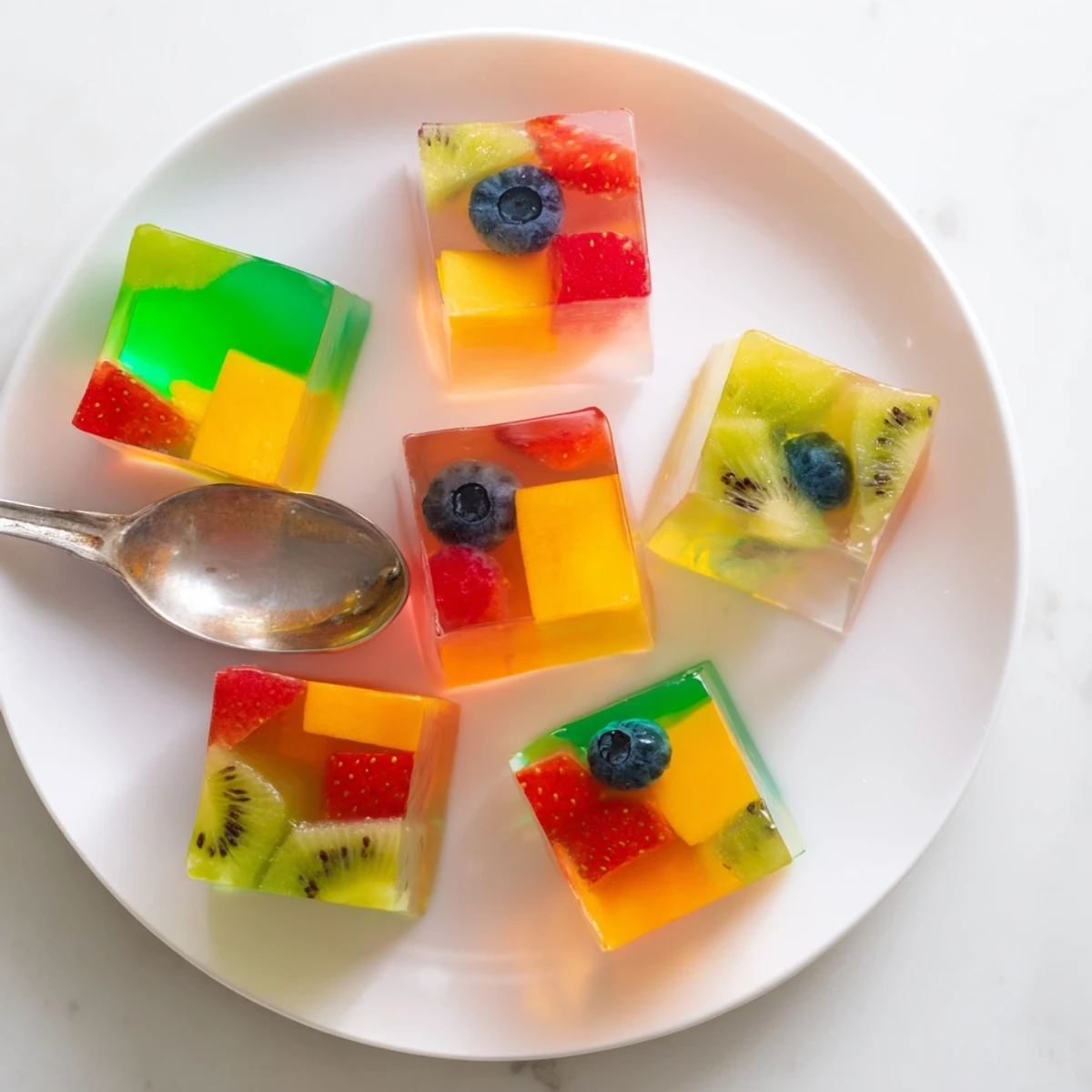
 This delicate fruit jelly offers a wonderfully light and refreshing way to enjoy seasonal fruits. The agar agar creates a smooth, gently wobbly texture that holds pieces of strawberries, kiwi, mango, pineapple, and blueberries in place. Ready in just over an hour with most of that time being hands-off chilling in the refrigerator.
The preparation comes together quickly on the stovetop, where agar agar powder dissolves into water along with sugar and fruit juice. Once slightly cooled, the mixture is poured over arranged fresh fruit pieces. After setting in the refrigerator, you'll have beautiful cubes of jewel-toned dessert that feel special yet incredibly simple to make.
The first time I encountered agar agar jelly was at a tiny Japanese dessert shop in San Francisco. I was expecting the wobble of gelatin but got this delicate, crystal-clear jewel that melted differently on my tongue. Later that week, I bought my first packet of agar agar powder and completely messed up three batches before learning its stubborn personality. Now its my go-to when I need something that looks impressive but secretly takes fifteen minutes of actual effort.
Last summer, my niece declared she hated all jelly except the red kind from a box. I made this with mango and kiwi, didnt tell her what it was, and watched her devour three servings. Later she asked if I could make the orange kind next time, referring to the fresh pineapple she had helped chop. Sometimes the best way to introduce someone to something new is to not call it new.
Ingredients
- Water: Use filtered water since the base flavor should be clean and neutral
- Agar agar powder: This seaweed derivative sets much firmer than gelatin so less is more
- Granulated sugar: Adjust up or down depending on your fruits natural sweetness
- Fruit juice: Orange juice adds brightness while mango makes it creamier
- Strawberries: These bleed pink into the jelly which looks absolutely stunning
- Kiwi: Blanch these for thirty seconds first or the enzymes prevent setting
- Mango: Use slightly firm pieces so they dont turn to mush in the jelly
- Pineapple: Fresh pineapple also needs blanching for the same enzyme reason as kiwi
- Blueberries: Whole berries float to the top creating this gorgeous layered effect
Instructions
- Prep your fruits:
- Wash everything well, dice the larger fruits into small uniform cubes, and blanch the kiwi and pineapple in boiling water for thirty seconds then drain completely.
- Dissolve the agar agar:
- Whisk the agar agar powder into cold water in a saucepan until fully dissolved before turning on any heat.
- Bring to a boil:
- Cook over medium heat while stirring constantly, let it bubble gently for two full minutes so the agar activates properly.
- Add the sweetness:
- Stir in your sugar until it disappears completely, then remove from heat and whisk in the fruit juice.
- Let it rest:
- Cool the liquid for three minutes so its not scorching hot but nowhere near setting temperature.
- Arrange the fruit:
- Distribute your fruit pieces evenly into a silicone mold or glass dish, layering colors if you want it pretty.
- Pour and cover:
- Gently ladle the agar mixture over the fruit, giving the dish a tiny shake to release any air bubbles trapped underneath.
- Chill completely:
- Let it cool to room temperature first, then refrigerate for at least forty five minutes until firm throughout.
- Serve it up:
- Unmold onto a plate or cut into squares straight from the dish and serve nice and cold.
 Save to Pinterest
 My friend serves these at brunch in small clear glass cups, each one revealing these suspended jewels of fruit when you turn it in the light. Its become such a conversation starter that people now expect them whenever there is a gathering at her house. The best part is she makes them the night before and pulls them out like she did nothing at all.
Making It Look Beautiful
Clear glass dishes show off the suspended fruit dramatically. Layer fruits by color instead of mixing them together for a striped effect that looks professional.
Adjusting The Texture
Use less agar agar for a softer set or more for a firm sliceable jelly. The liquid amount can also be increased for a more delicate wobble.
Flavor Variations
Try coconut milk instead of water for a creamier tropical version that still holds its shape perfectly. The sweetness from the fruit juice can be adjusted to taste.
- Add a splash of rose water or orange blossom water for an elegant floral twist
- Sprinkle toasted sesame seeds or shredded coconut on top before serving
- Serve with a dollop of coconut whipped cream for extra richness
 Save to Pinterest
 These keep in the fridge for days and actually taste better on day two when all the flavors have mingled together. I rarely have leftovers but when I do they disappear as breakfast the next morning.
Recipe Questions & Answers
- → Is agar agar the same as gelatin?
-
No, agar agar is a plant-based setting agent derived from seaweed, making it perfect for vegetarian and vegan diets. Unlike gelatin, which comes from animal collagen, agar agar sets at room temperature and creates a firmer, more brittle texture that holds its shape well when cut.
- → Can I use frozen fruits instead of fresh?
-
Fresh fruits work best as they maintain their texture and don't release excess water during chilling. If using frozen fruits, thaw them completely and pat dry before adding to prevent the jelly from becoming watery or failing to set properly.
- → Why do some fruits need blanching first?
-
Fresh pineapple, kiwi, and papaya contain enzymes that break down proteins and can prevent agar agar from setting properly. Briefly blanching these fruits in boiling water deactivates the enzymes, ensuring your jelly sets perfectly every time.
- → How long does the jelly keep in the refrigerator?
-
The fruit jelly will keep well for 3-4 days when stored in an airtight container in the refrigerator. The texture remains firm and the fruits stay fresh, though the appearance may become slightly cloudy as it sits.
- → Can I reduce the sugar in this jelly?
-
Yes, you can reduce the sugar to suit your taste or substitute with honey, maple syrup, or your preferred sweetener. Keep in mind that sugar helps with texture and preservation, so reducing it too much may affect the final consistency.
- → What's the best way to unmold the jelly?
-
Silicone molds work wonderfully as they flex easily for release. If using a glass dish, dip the bottom briefly in warm water for a few seconds to loosen the edges, then run a thin knife around the perimeter before inverting onto your serving plate.