 Save to Pinterest
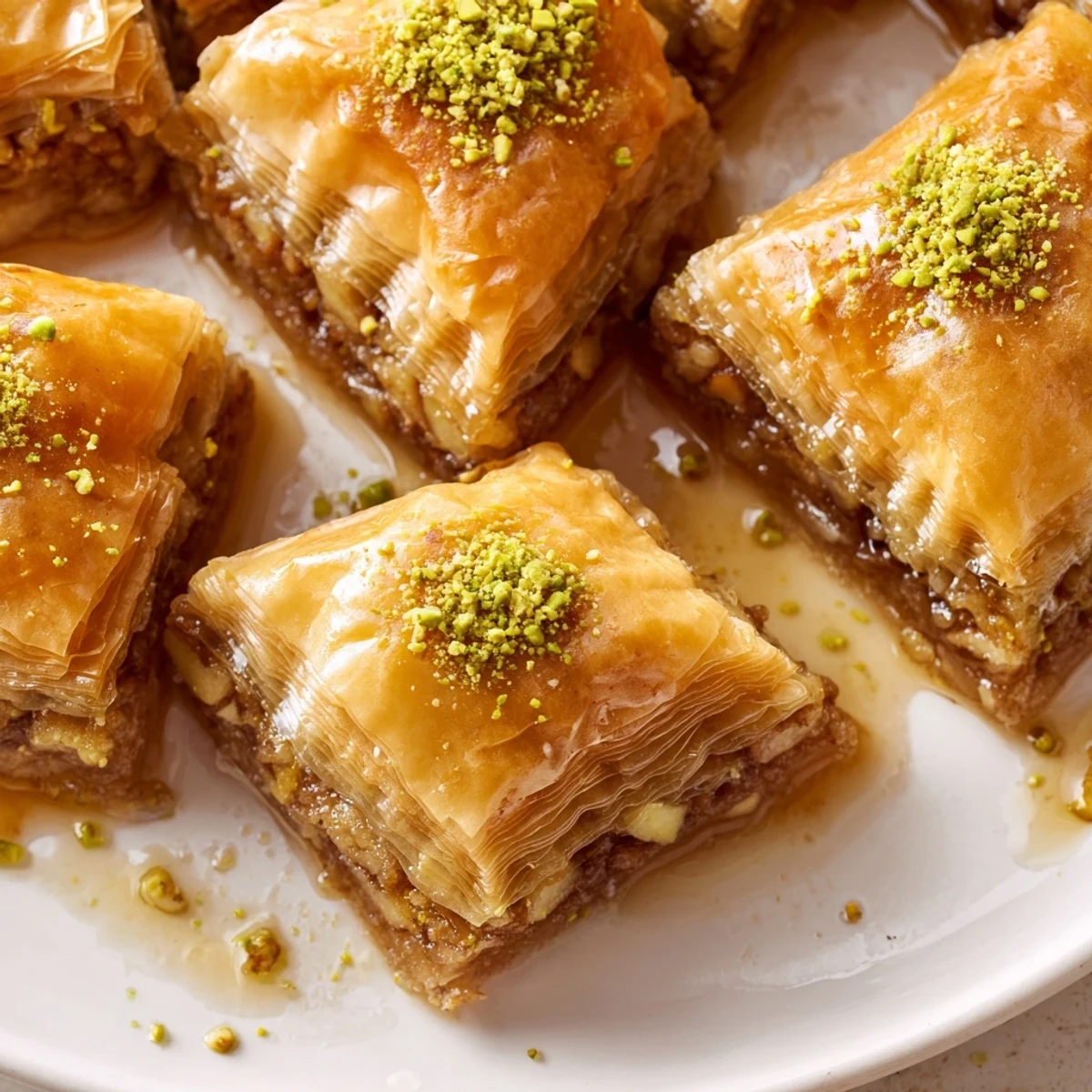
 This traditional Bosnian dessert layers delicate phyllo dough with a aromatic blend of finely chopped walnuts, almonds, and pistachios seasoned with cinnamon and cloves. Each sheet is brushed with melted butter before baking to golden perfection, then drenched in a hot syrup made from sugar, honey, lemon juice, and optional rose water. The result is a crisp, sweet treat that improves overnight as the syrup fully permeates the layers.
The afternoon sun slanted through my kitchen window as I wrestled with my first phyllo dough experience, half the sheets tearing before I learned the gentle touch needed. My grandmother watched from the doorway, laughter in her eyes, knowing this was every beginner's baklava story. Now those fragile golden layers bring me right back to that patient afternoon and the warm cinnamon scent that filled our whole house.
I brought this to a friend's potluck last winter, watched skeptically as people picked small squares, then grinned when someone immediately asked for the recipe and three more pieces. The pan came home empty, and now it's my most requested dessert for dinner parties. Something about those layers feels fancy without being pretentious.
Ingredients
- 500 g phyllo dough: Thaw completely in the refrigerator overnight, then keep covered with a damp towel while working to prevent drying and cracking
- 250 g walnuts, finely chopped: The backbone flavor here, fresher is better so taste before using
- 100 g almonds, finely chopped: Adds a subtle sweetness that balances the walnuts earthiness
- 100 g pistachios: Optional but they add beautiful color variation between layers
- 100 g sugar: Mixed into the nuts for even sweetness distribution throughout every bite
- 1 tsp ground cinnamon: The warm spice that makes this unmistakably baklava
- 1/4 tsp ground cloves: Just a hint adds depth without overpowering the delicate phyllo
- 250 g unsalted butter, melted: Brush generously but not puddling, this creates the crisp layers
- 400 g sugar: For the syrup that transforms dry pastry into something extraordinary
- 250 ml water: Creates the syrup base that will soak into every layer
- 100 ml honey: Adds floral notes that make this syrup special
- 1/2 lemon, juiced: Cuts through the sweetness and balances the rich syrup
- 1 tbsp rose water or orange blossom water: That aromatic finishing touch that feels authentic
Instructions
- Prepare your workspace:
- Preheat oven to 180°C (350°F) and butter your 23x33 cm pan generously. Have everything ready before you open that phyllo package.
- Mix the filling:
- Combine walnuts, almonds, pistachios, sugar, cinnamon, and cloves in a bowl. The aroma will already start making your kitchen wonderful.
- Layer the foundation:
- Lay down 6-8 sheets of phyllo, brushing each with melted butter. Don't worry about tears, they'll disappear in the layers.
- Add first nut layer:
- Sprinkle exactly one third of your nut mixture evenly across the phyllo. Go all the way to the edges.
- Build the middle:
- Layer 4-5 more buttered sheets, then another third of nuts. Repeat once more for the final nut layer.
- Finish with phyllo:
- Top with remaining sheets, buttering each one including the very top layer thoroughly for maximum golden crispness.
- Cut before baking:
- Use your sharpest knife to cut diamonds or squares all the way through. This is crucial for proper syrup absorption later.
- Bake to golden:
- Bake 35-40 minutes until deep golden brown and crisp. The smell will be absolutely intoxicating.
- Make the syrup:
- While baklava bakes, combine sugar, water, and lemon juice. Boil 8-10 minutes until slightly thickened. Remove from heat and stir in honey and rose water.
- The magic moment:
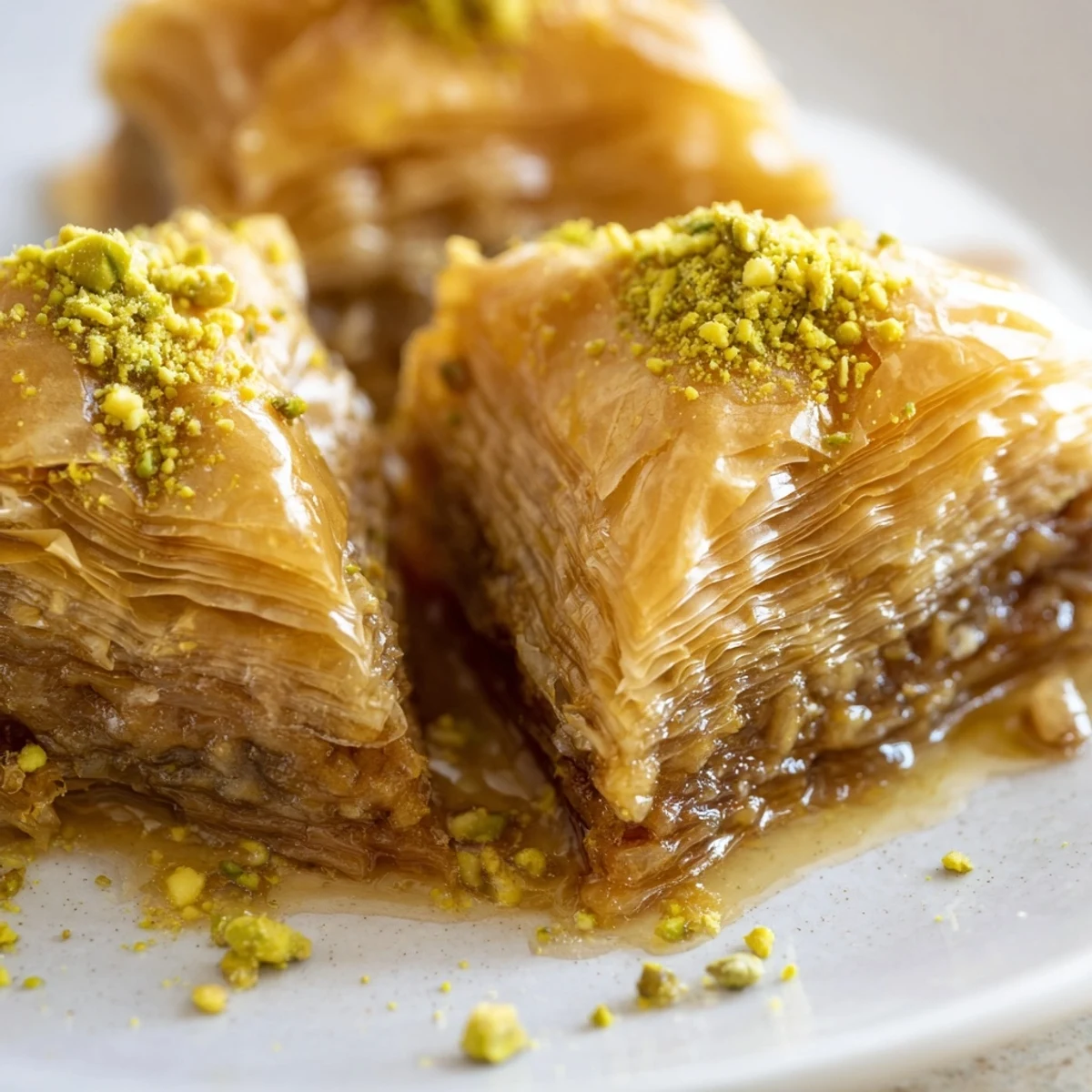
- Pour hot syrup evenly over hot baklava the moment it comes from the oven. You'll hear it sizzling as it absorbs.
 Save to Pinterest
 My sister called me at midnight once, voice bright with kitchen triumph, having finally nailed baklava after three attempts. She said cutting those first perfect diamonds felt like winning some kind of culinary prize. Now she makes it every Eid and sends me photos of her beautiful golden pans.
Making It Your Own
The nut ratios are completely flexible based on what you love or have on hand. I've made all-walnut versions during winter when other nuts felt out of place, and they were just as beloved. Some families add a pinch of cardamom or skip the cloves entirely depending on their spice preferences.
The Patience Factor
Baklava rewards the patient cook like almost nothing else. That day of rest isn't optional, it's when the alchemy happens and crisp layers become something transcendent. I've learned to make it the morning before serving, and the improvement is undeniable.
Serving And Storing
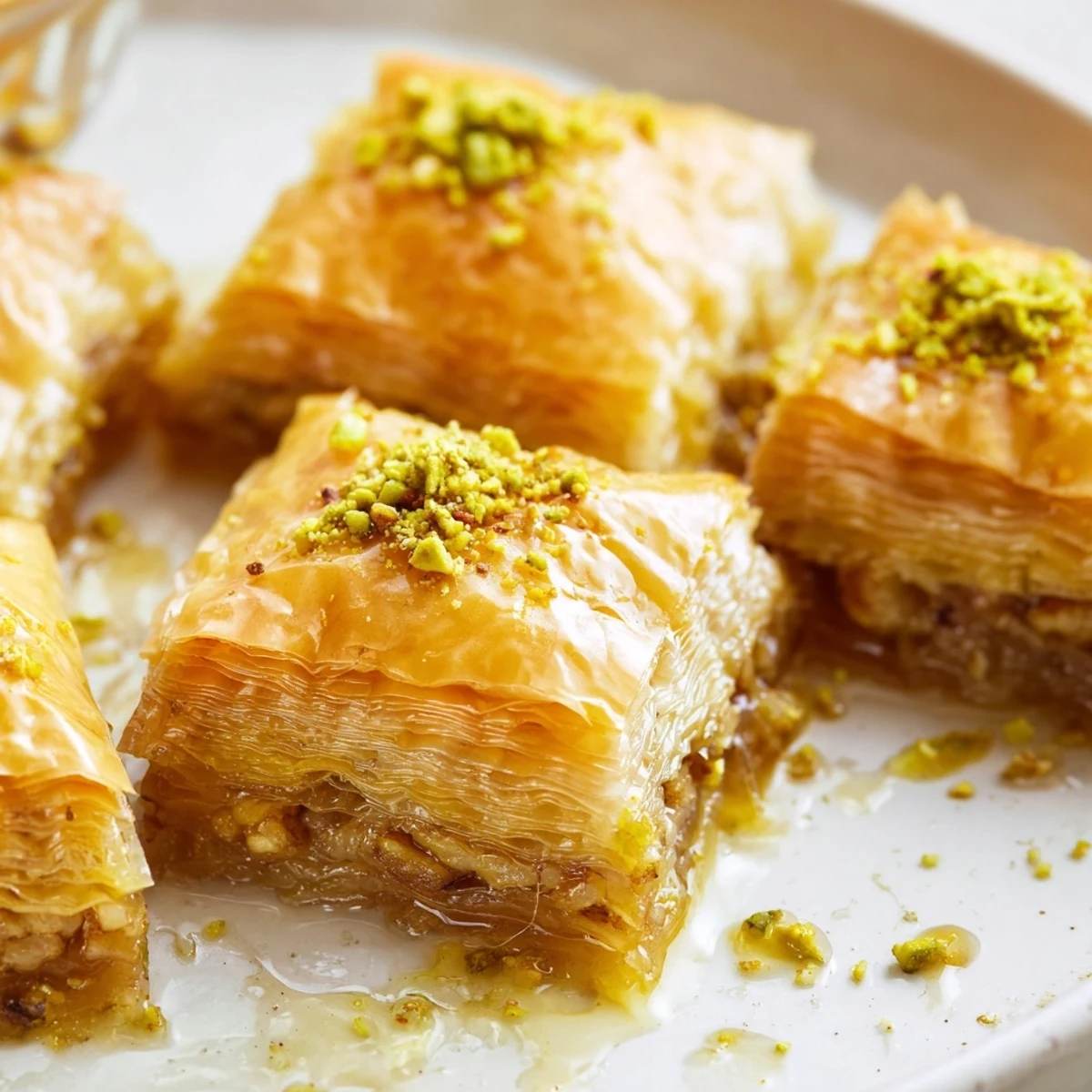
Small diamonds go further than you'd expect because each bite is so rich. Room temperature is perfect, never refrigerate or you'll lose that signature crispness. An airtight container keeps it wonderful for a full week, though it rarely lasts that long in my house.
- Serve with tiny cups of strong Bosnian coffee or black tea
- Place pieces on decorative paper for easy grabbing at parties
- Extra syrup on the side lets guests control sweetness
 Save to Pinterest
 Every time I pull that golden pan from the oven, I'm transported back to that first kitchen lesson and the wisdom that some desserts are worth every delicate, buttery step. May your kitchen smell of cinnamon and honey.
Recipe Questions & Answers
- → How long should baklava cool before serving?
-
Allow the baklava to cool completely at room temperature after pouring the hot syrup over it. This takes approximately 2-3 hours. For the best flavor and texture, let it sit overnight so the syrup fully absorbs into every layer.
- → Can I substitute the nuts in the filling?
-
Yes, you can adjust the nut combination based on preference or availability. Walnuts form the traditional base, but you can increase the almonds, add hazelnuts, or omit pistachios entirely. Keep the total quantity of chopped nuts at 450 grams for proper layer coverage.
- → What's the purpose of lemon juice in the syrup?
-
The lemon juice adds a subtle brightness that balances the sweetness of the sugar and honey. It also helps prevent the sugar from recrystallizing, ensuring the syrup stays smooth and glossy as it coats the baked layers.
- → Should I cut the baklava before or after baking?
-
Cut the baklava into diamonds or squares using a sharp knife before baking. This prevents the crisp phyllo layers from shattering when cut later. The cuts will also help the hot syrup penetrate evenly throughout all layers.
- → How do I store leftover baklava?
-
Store in an airtight container at room temperature for up to one week. The layers will remain crisp and the syrup will keep them moist. Avoid refrigeration, which can make the phyllo dough soggy. Separate layers with parchment paper if stacking to prevent sticking.
- → Is rose water necessary for this recipe?
-
Rose water or orange blossom water is optional but adds an authentic floral note common in Balkan desserts. If unavailable, the baklava will still be delicious without it. You can also substitute with a teaspoon of vanilla extract for a different aromatic profile.