
 Save to Pinterest
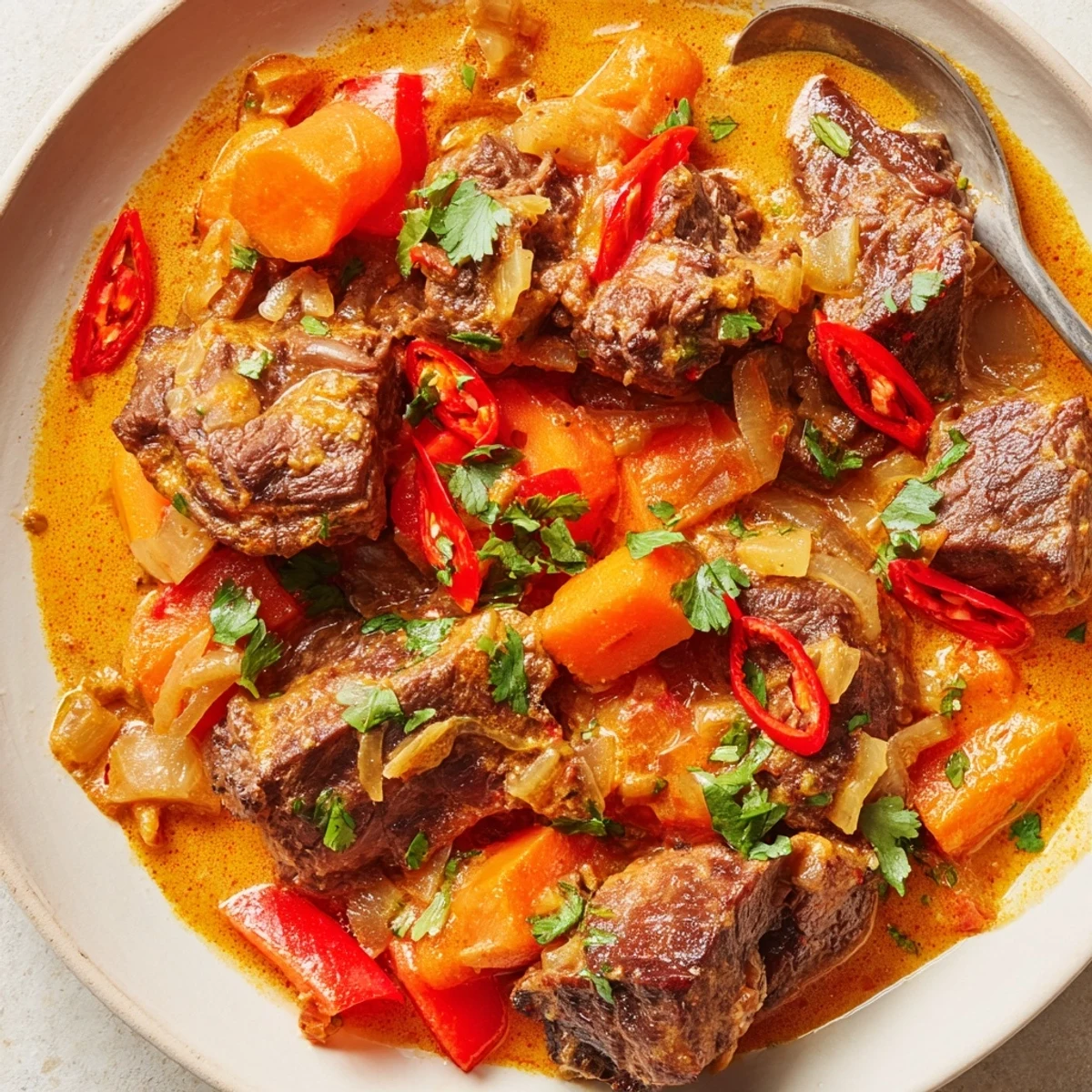
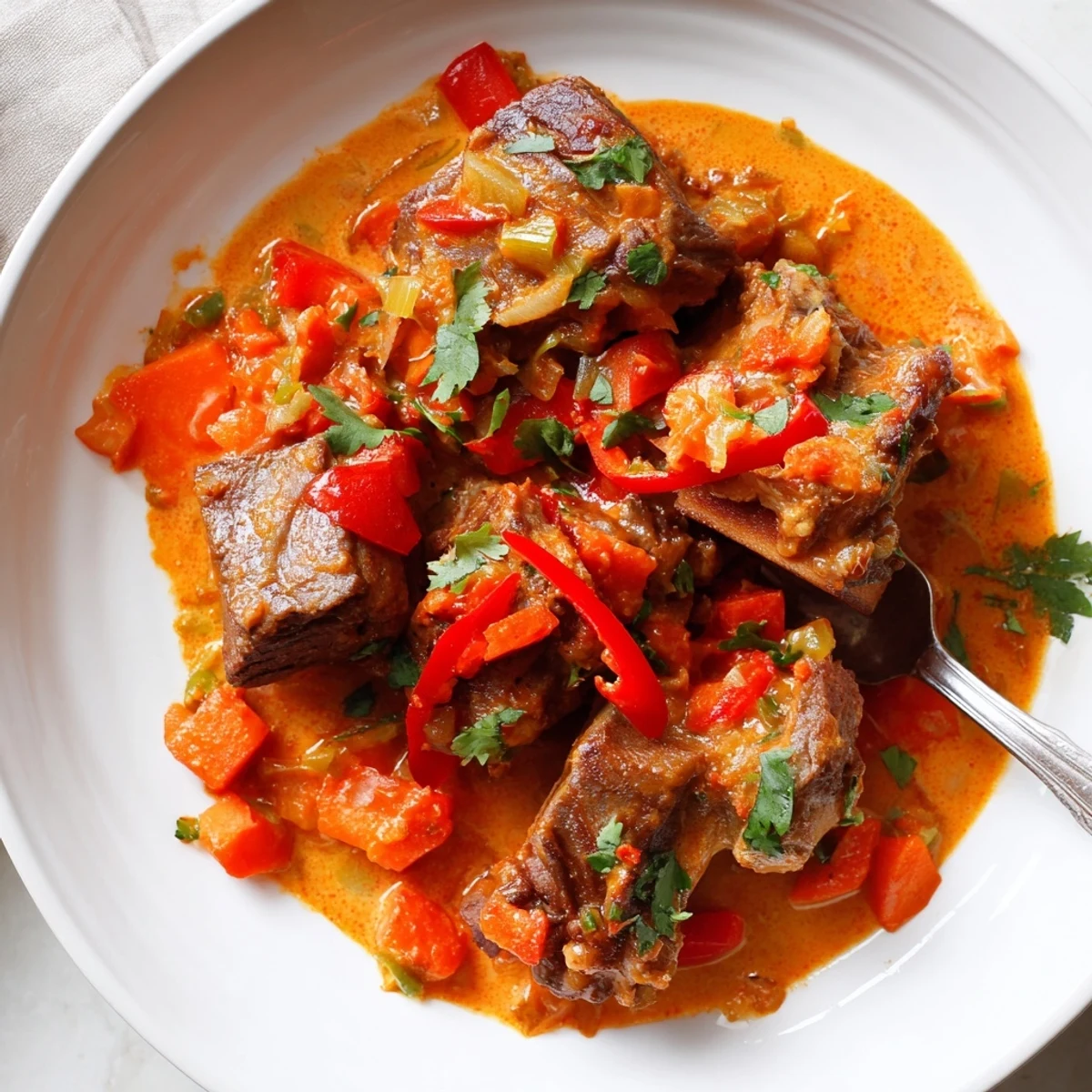
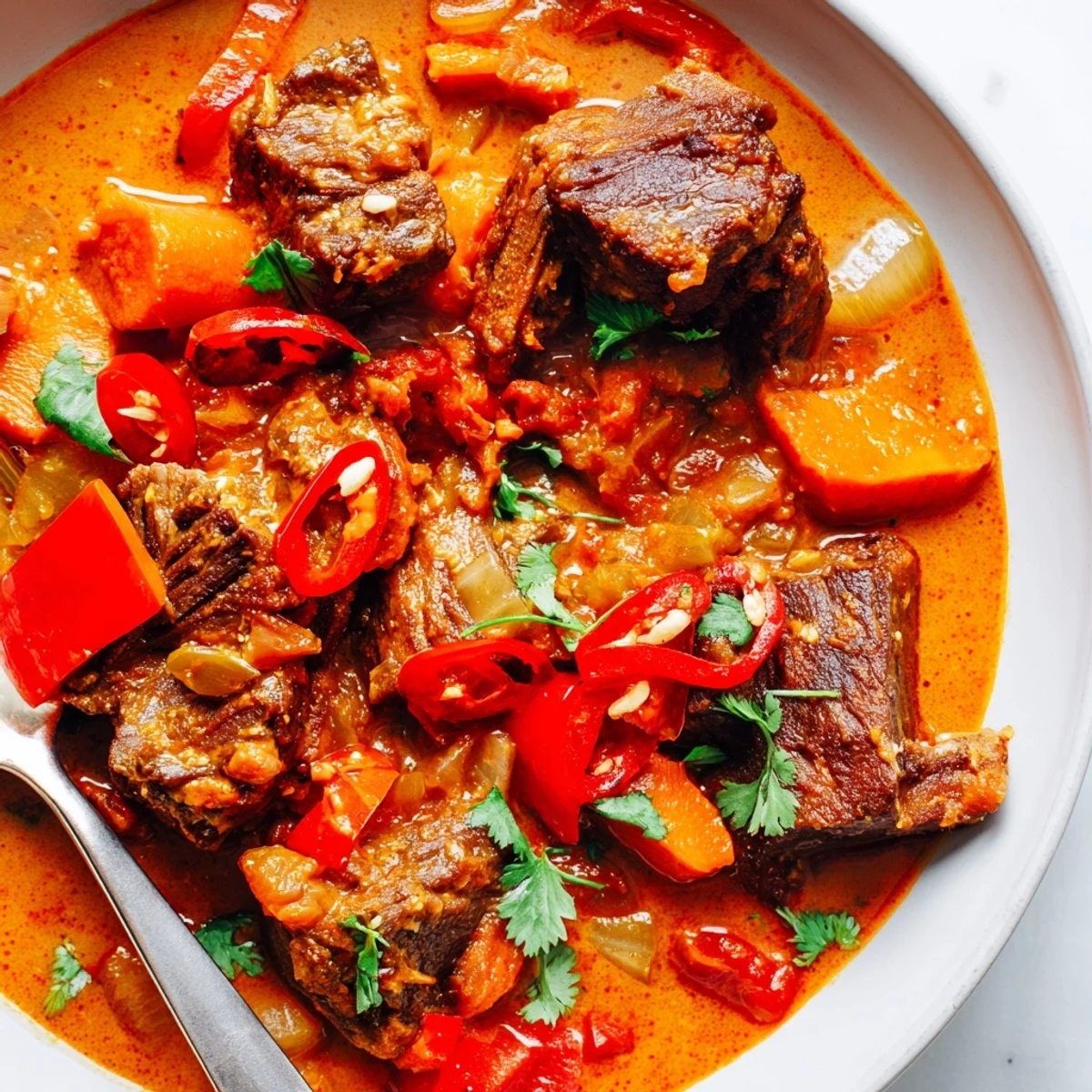
 Succulent beef ribs fall off the bone after hours of gentle simmering in a fragrant broth infused with lemongrass, ginger, turmeric, and coriander. The coconut milk creates a luscious, velvety sauce that balances the warmth of Southeast Asian spices with the richness of classic Italian-inspired ragu. Perfect served over steamed jasmine rice, the tender meat absorbs the complex layers of flavor from fish sauce, palm sugar, and aromatic vegetables.
The first time I made this Cambodian Rib Ragu, my tiny apartment smelled so incredible that my neighbor actually knocked on my door to ask what I was cooking. I had been experimenting with fusion recipes for months, trying to merge my love for Italian comfort food with the bold Southeast Asian flavors I grew up around. When that braised beef finally fell off the bone after hours of simmering, I knew I had stumbled onto something magical.
Last winter I served this ragu at a dinner party for six friends who swore they did not like spicy food. By the end of the meal, everyone was asking for the recipe and fighting over the last spoonful of sauce. The gentle heat from the chili flakes and the warmth from the ginger created this addictive flavor that had people going back for seconds despite their initial hesitation.
Ingredients
- Beef Short Ribs: Bone in ribs provide incredible depth of flavor and natural gelatin that creates a rich silky sauce. Look for well marbled pieces with good fat content.
- Lemongrass: The white bottom portion contains all the citrusy essential oils. Bruise it before mincing to release maximum fragrance into the coconut milk base.
- Coconut Milk: Full fat coconut milk creates that luxurious velvety texture. Shake the can well before opening to incorporate the cream that rises to the top.
- Fish Sauce: This is the umami secret weapon that cannot be substituted. It adds an incredible savory depth that makes guests wonder what your special ingredient is.
- Palm Sugar: Palm sugar has a complex caramel flavor that balances the tamarind and fish sauce. Brown sugar works in a pinch but the taste profile will be slightly different.
- Fresh Ginger: Use a spoon to scrape off the skin rather than a knife to preserve more of the flavorful flesh. Grate it finely so it dissolves into the sauce.
Instructions
- Get Your Beef Ready:
- Pat those ribs completely dry with paper towels so they sear properly instead of steaming. Season generously with salt and fresh cracked pepper on all sides.
- Build Your Flavor Base:
- Heat oil in your Dutch oven until it shimmers. Sear ribs in batches without crowding the pot. Listen for that satisfying sizzle and watch for a deep golden brown crust on each side.
- Soften Your Aromatics:
- Turn down the heat to medium. Toss in onions, garlic, ginger, lemongrass, carrots, celery, and bell pepper. Let them cook until they smell amazing and start to caramelize slightly.
- Wake Up Your Spices:
- Sprinkle in turmeric, coriander, chili flakes, and bay leaves. Stir constantly for about one minute until fragrant. This toasting step releases essential oils that make the sauce sing.
- Add Your Tomato Base:
- Throw in chopped tomato and cook until it breaks down and creates a rustic foundation. This acid helps balance the rich coconut milk and sweet palm sugar.
- Bring Everything Together:
- Return those beautifully seared ribs to the pot. Pour in fish sauce, soy sauce, and palm sugar. Let the sugar dissolve before adding your liquids.
- Create Your Braising Liquid:
- Pour in coconut milk and beef stock. The liquid should almost cover the ribs but not completely submerge them. Bring everything to a gentle bubble.
- The Patient Simmer:
- Cover tightly and reduce heat to low. Let it simmer gently for 2 to 2.5 hours. Check occasionally and skim any excess fat that rises to the surface.
- Final Seasoning:
- Taste your sauce and adjust with more salt, pepper, or fish sauce. The flavors should be bold and balanced between rich, salty, and slightly sweet.
- Ready to Serve:
- Fish out those bay leaves and discard them. Let the ragu rest for 10 minutes before serving to allow the sauce to thicken slightly. Garnish generously with fresh herbs.
 Save to Pinterest
 This recipe became a Sunday tradition in my house during colder months. There is something meditative about preparing the ingredients in the morning and letting the house fill with incredible aromatics all day long. My partner now expects this ragu on rainy weekends and has stopped asking what is for dinner on those days.
Serving Suggestions
Serve this ragu over steamed jasmine rice for the most authentic experience. The fluffy rice soaks up that incredible coconut spiced sauce perfectly. I also love it with crusty bread for dipping into the rich braising liquid.
Make It Ahead
This ragu actually tastes better made a day or two ahead. The flavors have time to marry and develop complexity that fresh cooking cannot achieve. Simply cool completely and refrigerate in an airtight container. Reheat gently on the stove with a splash of water or stock to loosen the sauce.
Freezing Instructions
This recipe freezes beautifully for up to three months. Portion into freezer safe containers leaving some space for expansion. Thaw overnight in the refrigerator before reheating. The texture remains surprisingly close to freshly made.
- Label containers with the date so you use the oldest batches first
- Consider freezing in portion sizes for easy weeknight dinners
- Add fresh herbs only after reheating for the brightest flavor
 Save to Pinterest
 Hope this Cambodian Rib Ragu brings as much warmth to your table as it has to mine. There is something profoundly satisfying about a dish that transforms simple ingredients into something extraordinary.
Recipe Questions & Answers
- → How long does it take for the ribs to become tender?
-
The beef ribs typically need 2 to 2½ hours of gentle simmering to reach fall-off-the-bone tenderness. The low, slow cooking allows the connective tissue to break down completely.
- → Can I make this in a slow cooker?
-
Yes. Sear the ribs first, then transfer everything to your slow cooker. Cook on low for 6-8 hours or on high for 4-5 hours until the meat is tender.
- → What cuts of beef work best?
-
Beef short ribs with the bone-in are ideal because they provide rich flavor and gelatin that thickens the sauce. You can also use beef chuck or brisket cut into large pieces.
- → Can I freeze the leftovers?
-
Absolutely. The ragu freezes beautifully for up to 3 months. The flavors actually develop further after being frozen and reheated. Thaw overnight in the refrigerator before reheating gently.
- → What should I serve with this?
-
Steamed jasmine rice is the traditional choice, soaking up the fragrant sauce. Crusty bread, roasted potatoes, or broad rice noodles also work wonderfully as accompaniments.
- → How can I make the sauce thicker?
-
Uncover the pot during the last 30 minutes of cooking to allow excess liquid to evaporate. You can also remove the ribs once tender and simmer the sauce alone until it reaches your desired consistency.