
 Save to Pinterest
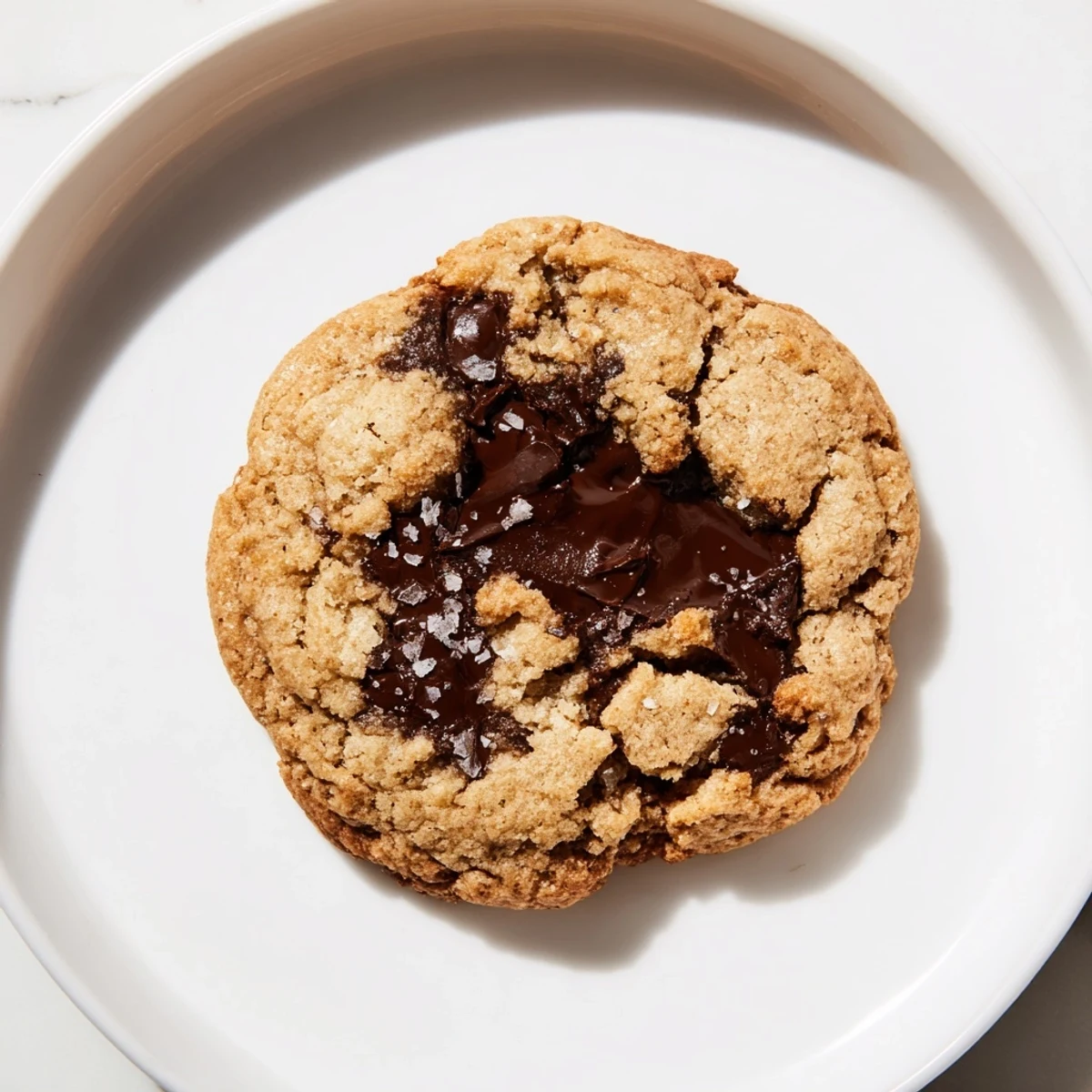
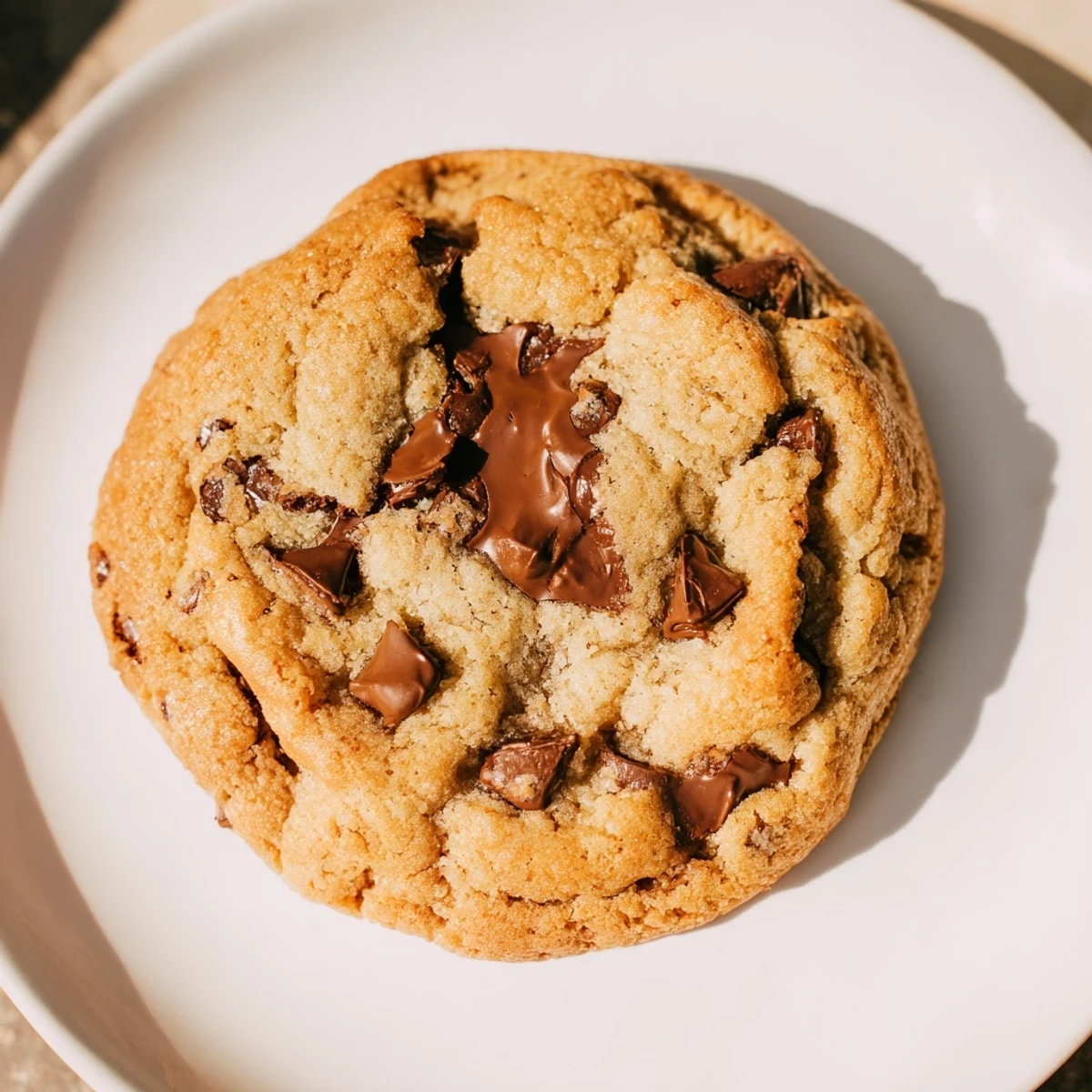
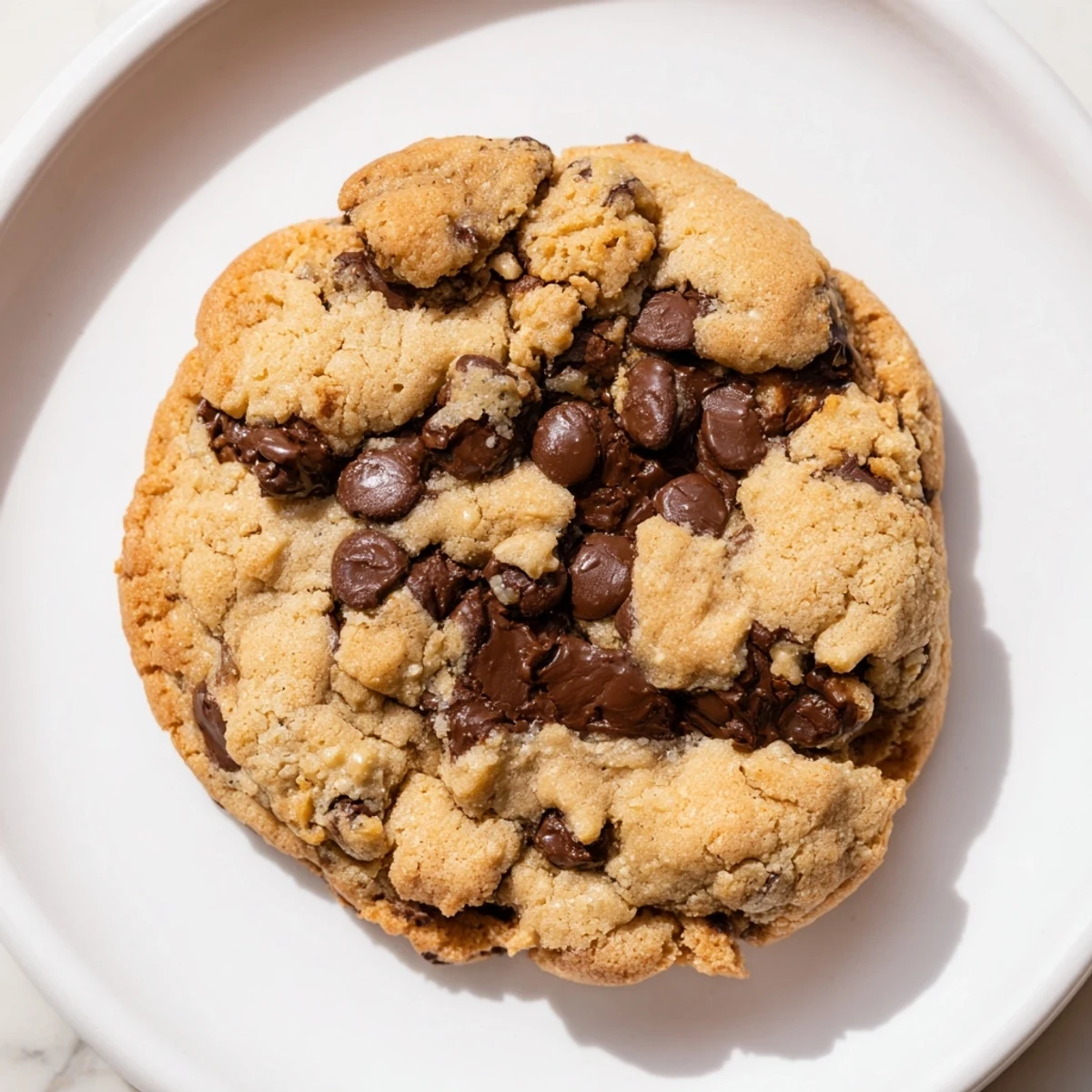
 These classic chocolate chip cookies offer a delightful balance of textures with crisp edges and gooey centers. Softened butter and a blend of granulated and brown sugars create a rich, creamy dough. The gradual mixing of dry ingredients and folding in semisweet chocolate chips ensures a tender bite with evenly distributed chocolate. Baking at 350°F yields golden edges, while cooling briefly on sheets helps maintain soft interiors. Variations include different chocolate types or adding nuts for texture. Perfect paired with milk or coffee, they’re an easy and comforting treat for any occasion.
There's something about the smell of butter and brown sugar hitting a warm oven that makes everything feel possible. I learned that from my neighbor Sarah, who'd bake these cookies on Sunday afternoons and leave a plate on my doorstep without saying a word—just a quiet gesture that meant she was thinking of me. The first time I tried making them myself, I was convinced I'd mess it up, but the moment that golden edge appeared through the oven window, I knew I'd found something I'd make forever.
My daughter once asked why her friends' moms always seemed to have cookies ready, and I promised her we'd figure it out together. The afternoon we made these, she got flour in her hair, laughed at the mess, and declared them better than any store-bought version. Now whenever she needs a pick-me-up or wants to bring something to share, these are her go-to.
Ingredients
- All-purpose flour (2 1/4 cups): This is your structure—it keeps the cookies from spreading into one giant puddle, so measure it by spooning into your measuring cup rather than scooping straight from the bag.
- Baking soda (1 teaspoon): The secret to spread and rise; it reacts with the brown sugar to help edges crisp and centers stay tender.
- Salt (1/2 teaspoon): Don't skip this—it makes the chocolate taste deeper and reminds your palate there's more going on than pure sweetness.
- Unsalted butter (1 cup, softened): Room temperature is non-negotiable; cold butter won't cream properly and you'll end up with dense, crumbly cookies instead of that beautiful tender crumb.
- Granulated sugar (3/4 cup) and brown sugar (3/4 cup): The brown sugar brings moisture and chewiness, while granulated sugar helps with spread and crispy edges—use both for the perfect balance.
- Eggs (2 large): They bind everything together and add lift; room temperature eggs incorporate more smoothly into your butter mixture.
- Vanilla extract (2 teaspoons): Pure vanilla makes a noticeable difference; it's where half the flavor comes from, so don't reach for imitation.
- Semisweet chocolate chips (2 cups): These are the whole point, so choose a brand you actually enjoy eating on its own—that quality matters.
Instructions
- Set your stage:
- Preheat your oven to 350°F and line two baking sheets with parchment paper. This step seems small, but cold sheets and unlined pans are the difference between cookies that bake evenly and ones that spread unevenly or stick.
- Mix your dry team:
- Whisk together flour, baking soda, and salt in a medium bowl. When you do this, you're distributing the baking soda evenly so every cookie has the same gentle lift.
- Cream your butter and sugars:
- Beat the softened butter with both sugars for about 2 minutes until the mixture is light, pale, and fluffy. This aerates the dough and is where you're building flavor and texture—don't rush it.
- Add your eggs one at a time:
- After each egg, beat well so it's fully incorporated before adding the next. This patience pays off in a more cohesive, tender dough.
- Stir in the vanilla:
- Just a quick stir; vanilla is delicate and you want to preserve its flavor.
- Bring wet and dry together:
- Add your dry mixture to the butter mixture gradually, mixing just until you don't see streaks of flour anymore. Overmixing develops gluten and makes cookies tough instead of tender.
- Fold in the chocolate chips:
- Use a spatula and fold gently—you want them distributed throughout, but you're not trying to break them apart or overwork the dough.
- Portion your dough:
- Drop tablespoon-sized portions onto your prepared sheets, leaving about 2 inches between each one so they have room to spread without touching.
- Bake until golden:
- Bake for 10 to 12 minutes, watching for golden edges while the centers still look slightly soft. They'll continue to cook on the hot sheet after you pull them out, so resist the urge to bake them dark.
- Cool strategically:
- Leave them on the baking sheet for 5 minutes—this lets them set just enough to move without falling apart. Then transfer to a wire rack so they don't keep cooking from the residual heat.
 Save to Pinterest
 I once overbaked a batch trying to make them look as perfect as the pictures in magazines, and they turned into hockey pucks that no amount of milk could rescue. It taught me that homemade cookies are supposed to be a little imperfect, a little softer, a little more real—and that's exactly why people prefer them.
The Science of Chew
The reason these cookies stay chewy instead of crispy all the way through is the brown sugar, which contains molasses and holds onto moisture longer than granulated sugar alone. The baking soda also plays a role—it neutralizes acids in the dough and promotes browning on the edges while the centers stay tender. Understanding this means you can adjust: want them crispier? Use more granulated sugar and bake a minute longer. Want them chewier? Slightly underbake and store them in an airtight container with a slice of bread, which transfers its moisture to the cookies.
Variations That Actually Work
Once you master this base recipe, the fun begins—but not all swaps are created equal. Dark chocolate chips make the cookies more sophisticated and less sweet; milk chocolate chips bring out a nostalgic, almost vanilla-forward taste. Chopped nuts add a textural contrast that some people live for, though I've found that toasting them first makes a bigger difference than you'd expect.
Storage and Second-Day Magic
Cookies taste great fresh from the cooling rack, but they actually taste even better the next day after the flavors have settled and melded together. Store them in an airtight container at room temperature for up to five days, or freeze the baked cookies for up to three months if you want to have them on hand for unexpected moments. There's also something special about warming a day-old cookie in the microwave for 15 seconds and eating it while it's soft and warm—almost better than fresh.
- If your cookies are getting stale before you eat them all, store them in an airtight container with a piece of bread to keep them chewy.
- You can freeze the unbaked dough in portions and bake straight from the freezer, adding about a minute to the baking time.
- Let cookies cool completely before stacking or storing, or the steam will make them soggy where they touch.
 Save to Pinterest
 These cookies have a way of turning an ordinary Tuesday into something worth remembering. Bake them when you need a small reminder that good things don't have to be complicated.
Recipe Questions & Answers
- → What makes these cookies chewy?
-
The combination of brown sugar with granulated sugar and the precise baking time helps maintain moisture, creating a chewy texture with crisp edges.
- → Can I substitute different types of chocolate?
-
Yes, you can replace semisweet chips with milk, dark, or white chocolate chips to suit your taste preferences.
- → How do I achieve softer centers?
-
Slightly underbake the cookies by reducing the baking time by a minute or two and cool them on the baking sheets before transferring to a rack.
- → What is the best way to mix the dough?
-
Beat softened butter with sugars until creamy, then add eggs and vanilla before gradually incorporating dry ingredients to avoid overmixing.
- → Can nuts be added for extra texture?
-
Yes, chopped nuts can be folded into the dough along with the chocolate chips for added crunch and flavor.