
 Save to Pinterest
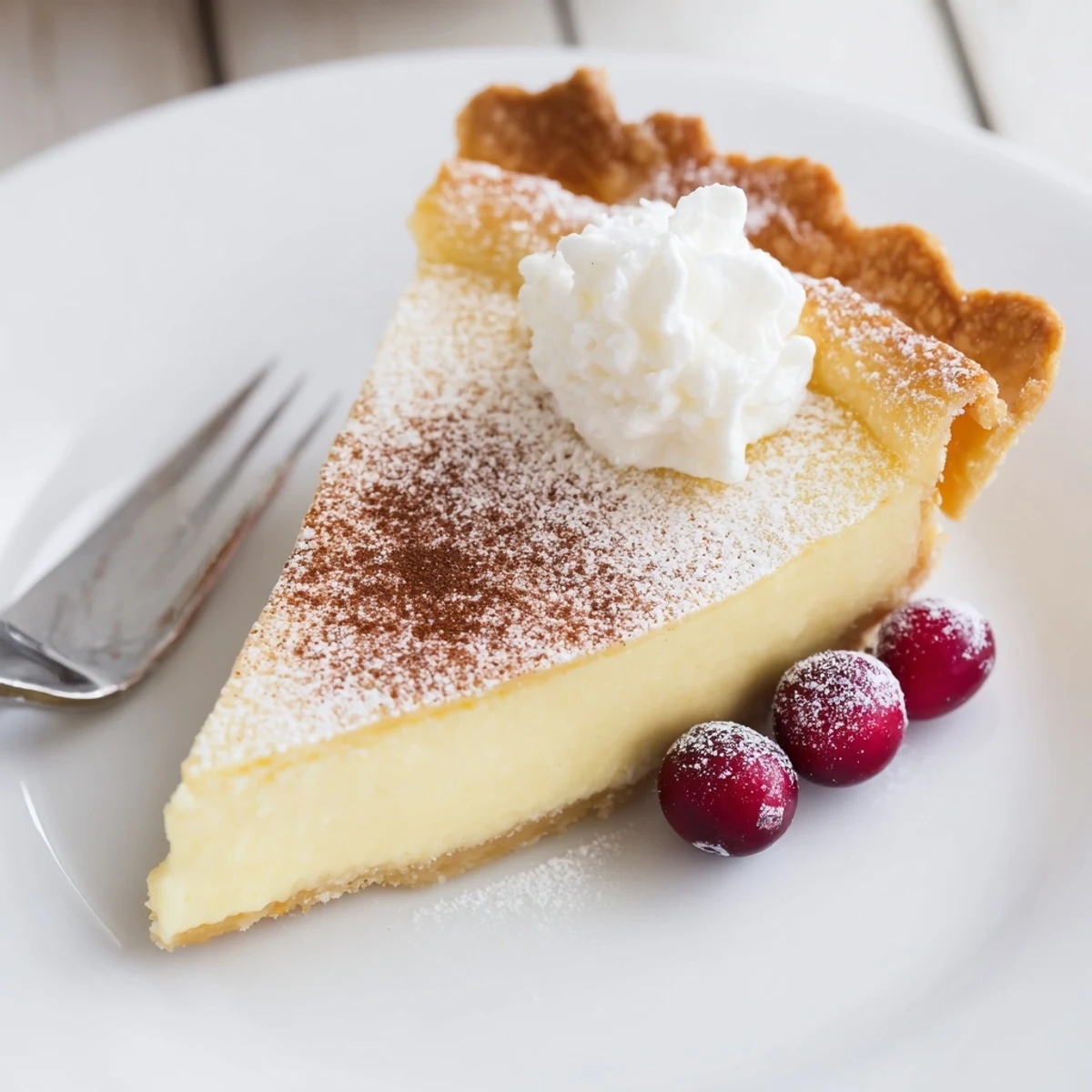
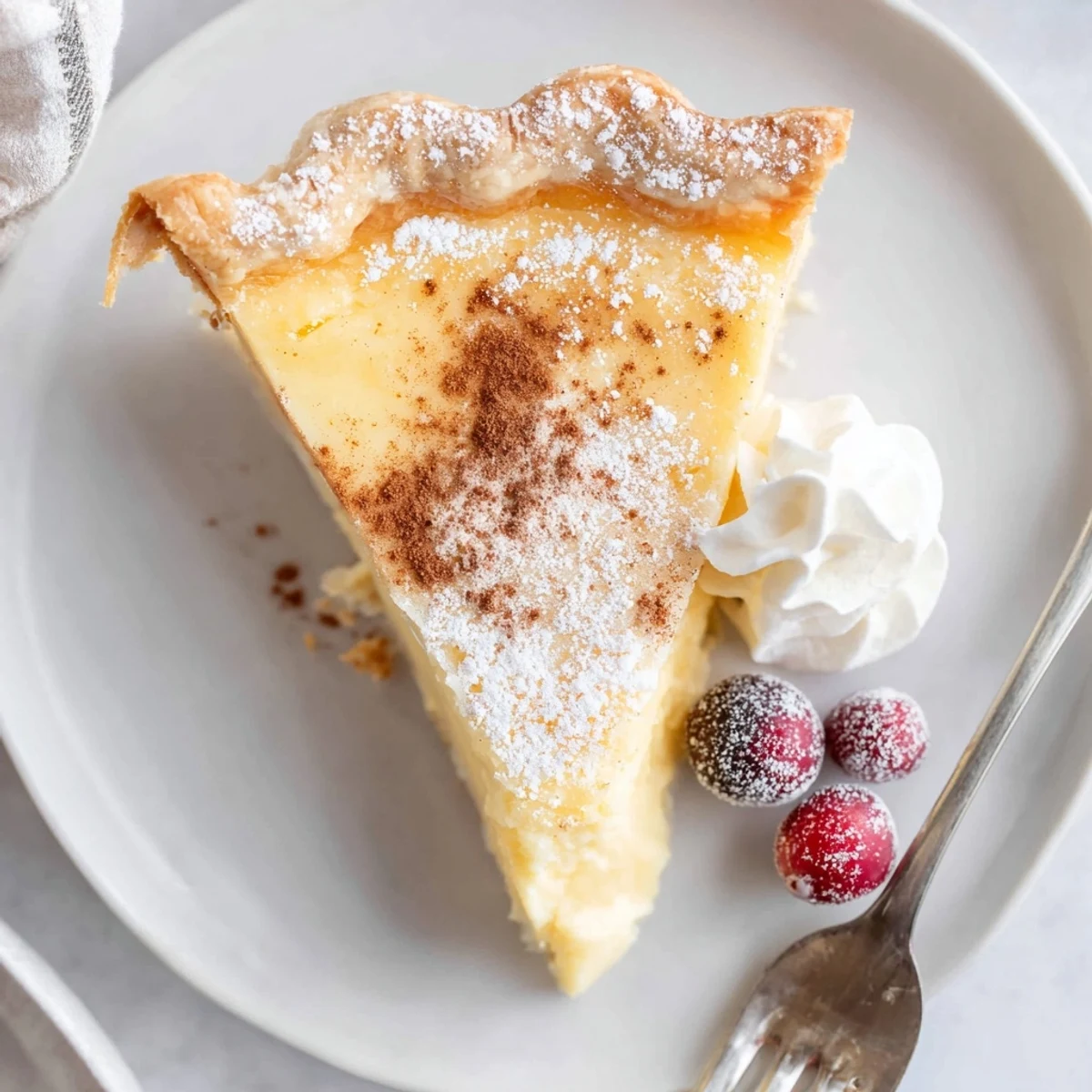
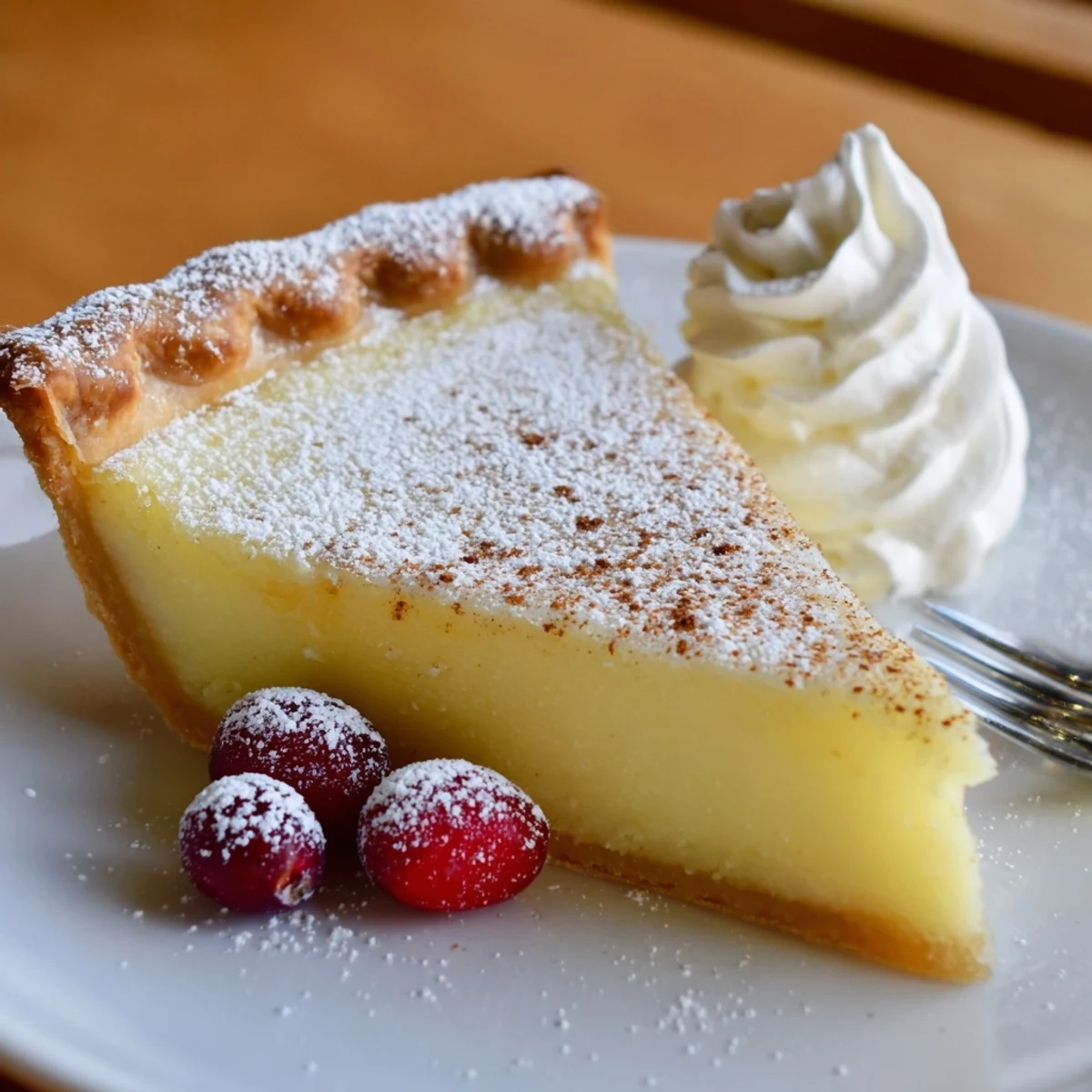
 This custard pie blends whole milk, cream, eggs, sugar, a touch of cornstarch, cinnamon and vanilla for a silky filling. Warm the milk, temper the egg mixture, strain for smoothness, then bake 45–50 minutes until the center is just set. Cool on a rack and chill at least 2 hours to firm. Dust with cinnamon or powdered sugar and garnish as desired for serving.
The aroma of cinnamon and vanilla curling through my kitchen has a way of making everything feel a little softer around the edges. This custard pie wasn’t born from tradition in my family, but from a serendipitous December afternoon spent searching for something creamy and comforting as snow quietly piled against the windowpanes. It’s amazing how just the anticipation of cutting the first slice makes even the quietest Christmas Eve feel special. There’s something about this pie that makes the whole house lean in with eager curiosity.
One year, our living room was buzzing with cousins debating board games and the pie was still cooling, windows fogged and laughter bouncing around. I snuck a spoon in for a tiny taste, half-worried I’d ruin the finish, but it was worth it: pure velvet on my tongue and warmth from the cinnamon blooming in my mouth, chasing away the December chill.
Ingredients
- Pie crust: A good flaky crust gives the custard support and a buttery contrast, and I’ve learned pricking the bottom with a fork helps keep it from puffing strangely.
- Whole milk: Using whole milk brings just enough richness without making things heavy; skimping on fat doesn’t work as well here.
- Heavy cream: This is what creates the ultra-rich, smooth custard body—don’t swap for half-and-half unless necessary.
- Eggs: Room temperature eggs blend best and ensure a gentle set; cracking cold eggs once left me with tiny lumps I never quite whisked out.
- Granulated sugar: Sweetens, of course, but also gives the custard its signature glossy shine.
- Cornstarch: A touch of cornstarch ensures a clean slice and set, which I learned after a few too many sticky center disasters.
- Vanilla extract: Real vanilla makes the filling sing; I once tried imitation and regretted it—go for the good stuff if you can.
- Ground cinnamon: Adds cozy warmth, both in the custard and as a final whisper across the top.
- Fine sea salt: Yes, just a pinch wakes up all the other flavors and balances the sweetness beautifully.
- Powdered sugar (optional): Dusting on top looks wintery and festive, especially if you’re trying to impress guests.
Instructions
- Prepare Your Crust:
- Gently fit your pie crust into a 9-inch pan, letting it rest while the oven preheats to 350°F—feel the cool dough against your fingers as you flute the edges, and don’t forget a few fork pricks in the base.
- Warm the Cream and Milk:
- Pour milk and cream into a saucepan and warm until wisps of steam curl upward—stop before it simmers or bubbles.
- Whisk the Eggs and Sugar:
- Take a big mixing bowl and whisk together eggs, sugar, cornstarch, vanilla, cinnamon, and salt until the mixture is glossy and pale, the grains mostly dissolved.
- Temper and Combine:
- While whisking the eggs, slowly pour in the hot milk mixture; listen for that gentle slosh, keeping your arm moving to avoid scrambled eggs.
- Strain for Velvet:
- Run the custard through a fine-mesh sieve over another bowl; this catches any tiny bits and yields that restaurant-smooth finish.
- Fill the Crust:
- Gently pour the custard into your waiting shell, marveling at the flecks of cinnamon swirling across the surface.
- Bake with Care:
- Slide into the oven and bake 45-50 minutes; you want set edges and a gently wobbly center, like a soft pillow.
- Check the Crust:
- If the edges start to brown too boldly, tent them with foil so the filling can catch up without burning the border.
- Cool and Finish:
- Place the pie on a rack and let cool until the center sets more—resist sneaking a knife in, even if it’s tempting.
- Garnish and Chill:
- Sprinkle the pie with cinnamon and a dusting of powdered sugar once cool, then chill for at least two hours before serving glorious slices.
 Save to Pinterest
 During one especially hectic holiday, I ended up sharing unevenly sliced pie with friends huddled around my kitchen counter, plates balanced on knees, crumbs everywhere. That mess didn’t matter; there was laughter, powdered sugar on someone’s sweater, and a warm, spiced custard pie that somehow anchored the whole night.
Holiday Serving Inspiration
This pie looks lovely with a crown of sugared cranberries or a generous drift of whipped cream, especially against the candlelight of a wintry evening. I sometimes grate the tiniest bit of fresh nutmeg over the top just before serving for an extra layer of aroma—guests notice, even if they don’t know what it is. Don’t hesitate to try festive garnishes: it transforms a simple treat into an occasion.
Storing and Enjoying Leftovers
Covered and chilled, slices keep beautifully for up to three days, though in my house, leftovers are rare. I love sneaking a sliver with coffee for breakfast; the flavors deepen overnight, and the cinnamon feels extra cozy on cold mornings.
Easy Twists for Next Time
If you’re feeling adventurous, try stirring a spoonful of bourbon or brandy into the custard—it adds a grown-up holiday kick. Switching to a chocolate crust or adding a swirl of caramel can tilt the flavor in surprising ways during the second (or third) bake. Sometimes, I just reach for a hint of citrus zest for brightness.
- Let the pie come nearly to room temp before slicing for clean edges.
- Use real vanilla for depth—you really can taste the difference.
- Check your pie at 40 minutes; oven hotspots can sneak up on you.
 Save to Pinterest
 Give this pie a spot at your next celebration and see how it quietly becomes everyone's favorite. There’s true comfort in sharing something so simple, warm, and perfectly sweet.
Recipe Questions & Answers
- → How can I tell when the custard is done?
-
The center should be slightly wobbly while the edges are set; a gentle jiggle is the best indicator. The custard will continue to firm as it cools and chills.
- → Can I use lower-fat milk instead of whole milk or cream?
-
Lower-fat milk will reduce richness and give a thinner mouthfeel. If using lower-fat options, consider keeping some cream or reducing the milk slightly to preserve a creamy texture.
- → How do I prevent the crust from browning too quickly?
-
Tent the crust edges with foil partway through baking. You can also bake on a lower rack or partially blind-bake the crust before adding the filling to maintain a crisp base.
- → Any tips for achieving a silky smooth custard?
-
Warm the milk until steaming, then add it slowly to the egg mixture while whisking to temper. Strain the mixture through a fine-mesh sieve to remove lumps and air for an extra-smooth finish.
- → Is it okay to add alcohol for extra flavor?
-
A splash of bourbon or brandy folded into the custard adds warmth and depth. Keep the amount modest so it doesn't thin the custard; add just before straining and baking.
- → How should leftovers be stored and served?
-
Cover and refrigerate leftovers for up to 3 days. The custard is best served chilled or at room temperature; warm gently in a low oven if preferred, but avoid high heat to prevent curdling.