
 Save to Pinterest
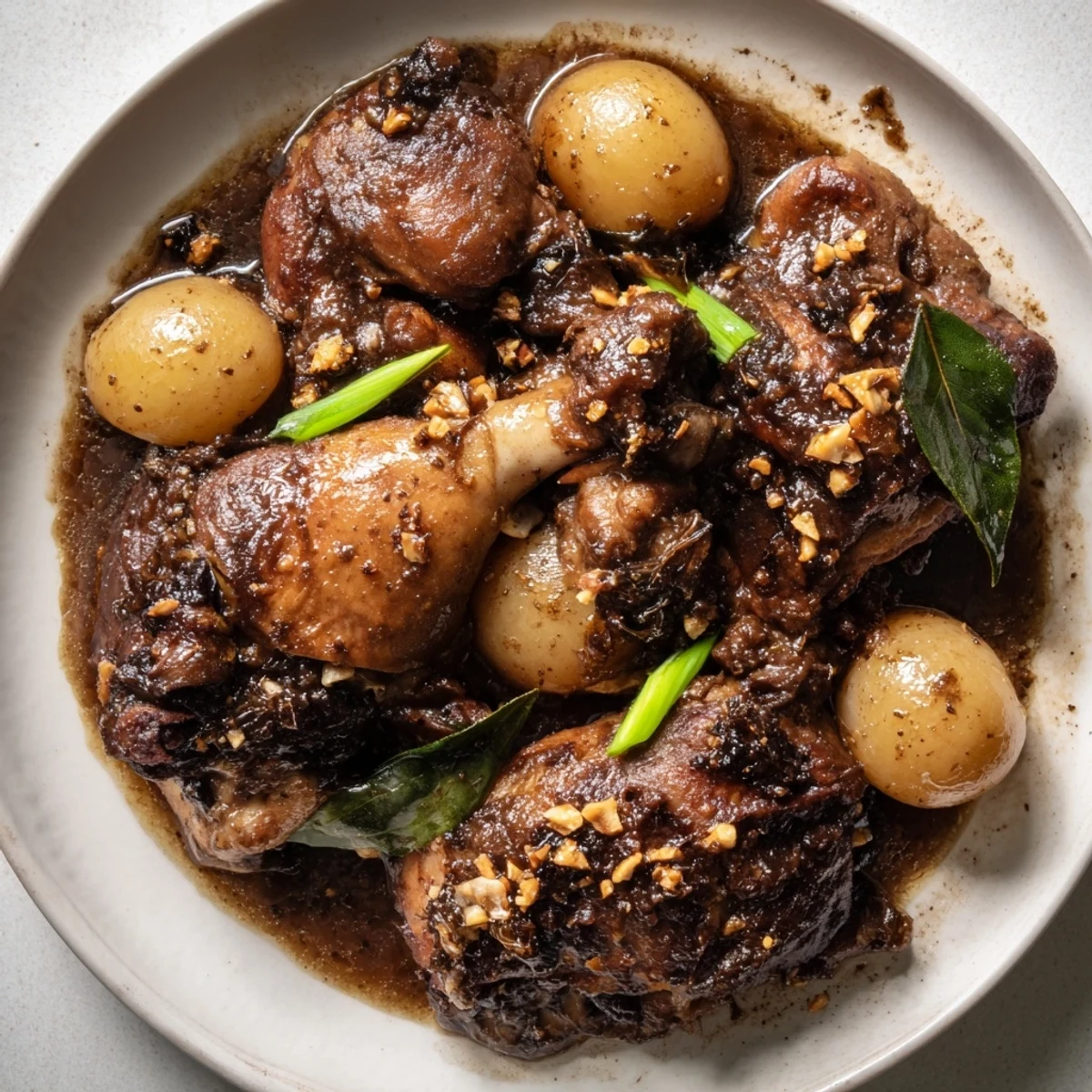
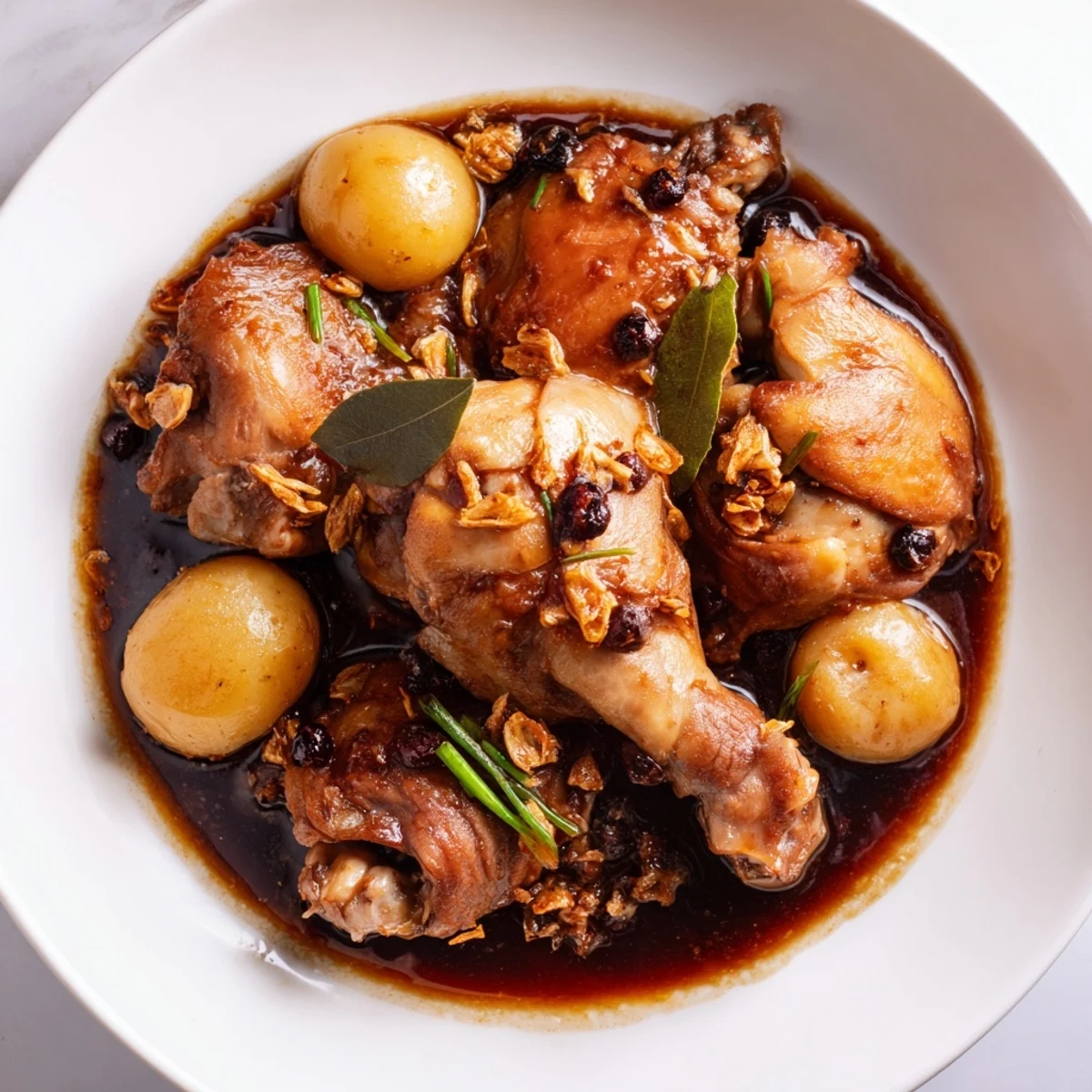
 Filipino Chicken Adobo delivers tender, juicy chicken pieces braised slowly in a rich, aromatic sauce. The balance of soy sauce and cane vinegar creates that signature savory-tangy flavor profile, while crushed garlic and bay leaves add depth. Brown sugar offers optional sweetness, rounding out the complex taste.
The dish comes together with just 15 minutes of prep and 45 minutes of gentle simmering, developing deeply infused flavors. The sauce thickens beautifully, coating each piece of chicken perfectly for serving over fluffy jasmine rice.
The vinegar hit the pan first, that sharp tang rising up and making my eyes water just a little. My roommate poked her head into the kitchen, convinced something had burned, but I waved her off with a laugh. Chicken adobo has this way of announcing itself before you even see it bubbling away in the pot. That first night I made it, the entire apartment smelled like garlic and comfort, and three people somehow appeared with forks in hand.
I brought a batch to a potluck once, nervous that the dark, glistening chicken might look unassuming next to colorful dishes. Within minutes, people were hovering around the serving spoon, asking what made the sauce so impossible to stop eating. Someone actually went back for fourths, claiming they just wanted to test if the flavor had changed. Now it is the most requested dish at every gathering.
Ingredients
- 1.2 kg bone-in chicken thighs and drumsticks: Bone-in pieces stay juicier during the long braise and release their natural gelatin into the sauce, giving it that velvety body you want
- 1/2 cup soy sauce: Use a good quality brand here since it is the main seasoning, and remember that darker soy sauce gives the final dish that rich mahogany color
- 1/2 cup cane vinegar: Cane vinegar has a milder sweetness that balances beautifully, though white vinegar works if that is what you have in the pantry
- 6 cloves garlic, crushed: Do not be shy with the garlic, it mellows into the sauce and becomes almost sweet as it cooks down
- 2 bay leaves: These add an earthy, floral background note that you will miss if you skip it
- 1 tsp whole black peppercorns: Whole peppercorns infuse gentle warmth throughout the cooking process rather than hitting you with harsh heat
- 1 tbsp brown sugar: Just enough to round out the sharp edges of the vinegar and bring everything into harmony
- 2 tbsp vegetable oil: For getting that golden sear on the chicken before it goes into the braise
- 1 medium onion, sliced: Optional but recommended, it almost melts into the sauce and adds natural sweetness
Instructions
- Let the chicken get to know the flavors:
- Toss everything except the oil, onion, and water into a large bowl, making sure each piece of chicken gets coated in that dark, fragrant mixture. Let it sit for at least 30 minutes, though the chicken really absorbs the marinade if you can wait overnight.
- Give the chicken some color:
- Pat the chicken pieces completely dry with paper towels, then heat the oil in a deep skillet over medium-high heat. Place the chicken skin side down and listen for that satisfying sizzle, letting it develop a golden brown crust before flipping, about 2 to 3 minutes per side.
- Build the foundation:
- Toss in the sliced onions if you are using them, letting them soften for just 2 minutes until they smell sweet and fragrant.
- Bring it all together:
- Pour in the reserved marinade and the water, then drop in the potatoes if you want that extra heartiness. Let everything come to a gentle simmer.
- Let the magic happen:
- Lower the heat, cover the pot, and walk away for 25 to 30 minutes. Check on it occasionally to give it a stir, but mostly let the chicken become tender and the sauce develop its character.
- Concentrate the flavor:
- Remove the lid and let it bubble away for another 10 to 15 minutes, watching as the sauce reduces into that glossy, finger-licking consistency that coats the back of a spoon.
- Finish and serve:
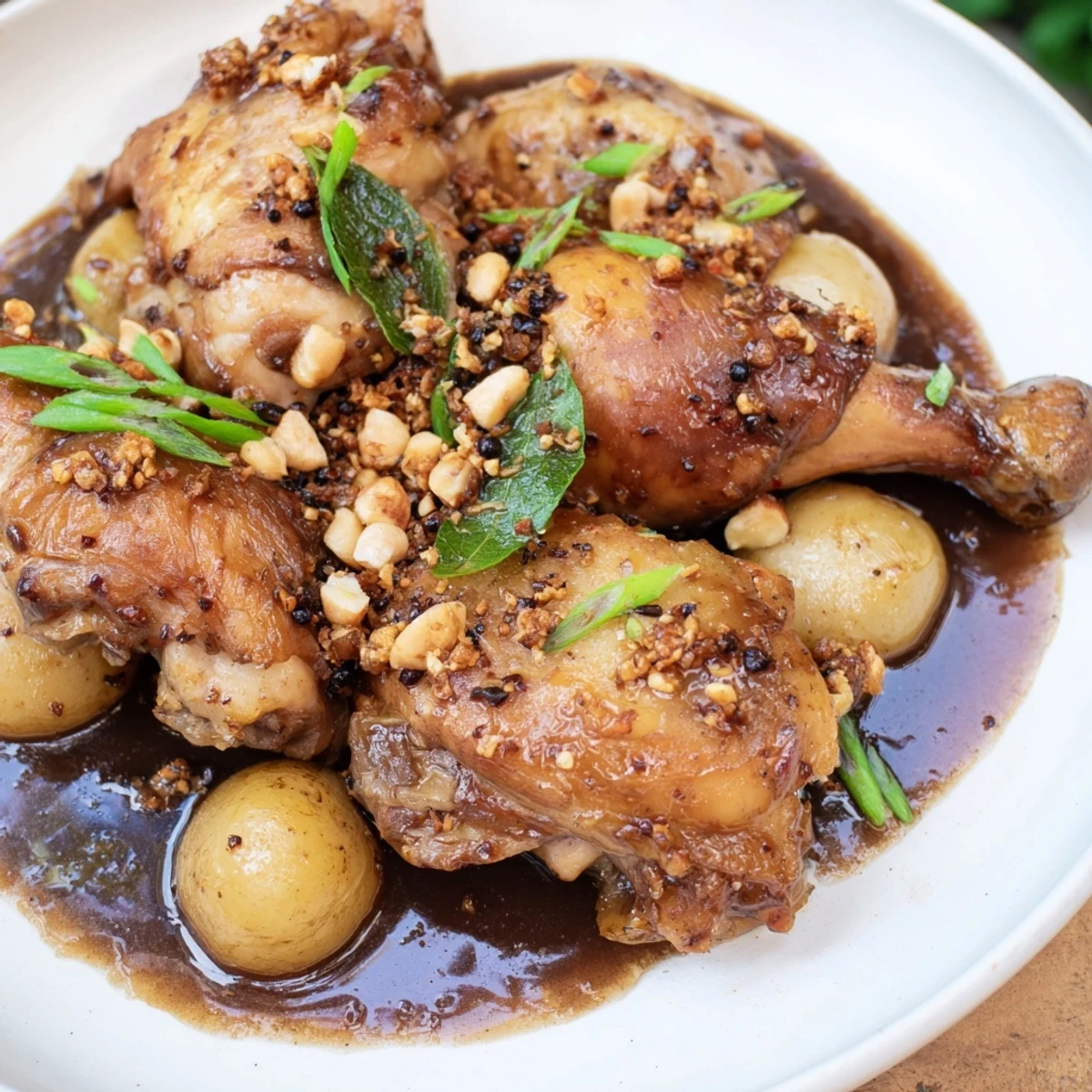
- Taste the sauce and adjust if needed, then fish out those bay leaves. Mound it over steaming rice and scatter some chopped scallions or crispy garlic on top if you are feeling fancy.
 Save to Pinterest
 My grandmother would hover over the pot, dipping a spoon into the sauce and closing her eyes as she tasted, adjusting the balance with practiced intuition. She taught me that adobo changes every time you make it, responding to humidity, the brand of vinegar, even your mood that day. Some days it is more tangy, others more savory, and that is exactly how it should be.
The Secret to Perfect Adobo Rice
Steaming jasmine rice is the traditional pairing, but here is something I learned by accident. Spoon some of that cooking liquid over the rice while it fluffs in the pot, letting the grains absorb all that savory goodness before you even serve. The rice becomes glossy and flavorful on its own, no extra sauce needed.
Choosing Your Protein
Chicken thighs stay the most succulent, but pork shoulder adds a richness that makes the sauce almost velvety. The best version I ever had combined both, the pork melting into tender strands while the chicken remained intact in that beautiful braising liquid. Pork belly works too, rendering down and infusing the sauce with incredible depth.
Making It Your Own
Adobo is incredibly forgiving, inviting you to play with the ratios until you find your personal sweet spot. Some families go heavy on the vinegar, others prefer a sweeter profile with more sugar, and both are completely authentic.
- Add a splash of coconut milk in the last 10 minutes for Adobo sa Gata, a rich variation from the Bicol region
- Throw in some hard-boiled eggs during the final simmer so they soak up that incredible sauce
- Crisp up the chicken under the broiler for 2 minutes after braising if you miss the crispy skin
 Save to Pinterest
 There is something profoundly satisfying about a dish that gets better with time and care, feeding you well today and even better tomorrow. Adobo is not just food, it is a lesson in patience and reward.
Recipe Questions & Answers
- → What makes Filipino adobo different from other marinades?
-
Filipino adobo stands out for its unique combination of soy sauce and vinegar as the primary flavor base. This creates a distinctive savory-tangy profile that's both bold and balanced. The vinegar tenderizes the meat while adding brightness, while soy sauce provides deep umami richness.
- → How long should I marinate the chicken?
-
Marinate for at least 30 minutes to infuse basic flavors. For deeper, more complex taste, marinate overnight in the refrigerator. The longer marinating time allows the vinegar and garlic to penetrate the meat thoroughly, resulting in more flavorful chicken throughout.
- → Can I use other cuts of meat?
-
Absolutely. Pork shoulder or pork belly work wonderfully and add richness. You can also use a mix of pork and chicken, which is very traditional. Bone-in cuts yield more flavorful sauce, while boneless pieces cook faster. Adjust cooking time accordingly.
- → What type of vinegar works best?
-
Cane vinegar is traditional and provides the most authentic flavor. White vinegar makes a good substitute and is widely available. Apple cider vinegar adds a slight fruity sweetness. Avoid balsamic or wine vinegars as their strong flavors will overpower the dish.
- → How do I get the sauce to thicken properly?
-
The key is the final uncovered simmering stage. Once the chicken is cooked through, remove the lid and continue simmering for 10-15 minutes. This allows excess liquid to evaporate and the sauce to reduce naturally. The starch from potatoes also helps thicken the sauce if you include them.
- → Why does adobo taste better the next day?
-
Like many braised dishes, adobo benefits from resting time. The flavors continue to develop and meld as the dish cools and refrigerates. The meat absorbs more of the sauce, becoming even more tender and flavorful. Reheating gently allows the sauce to become glossy and coating again.