
 Save to Pinterest
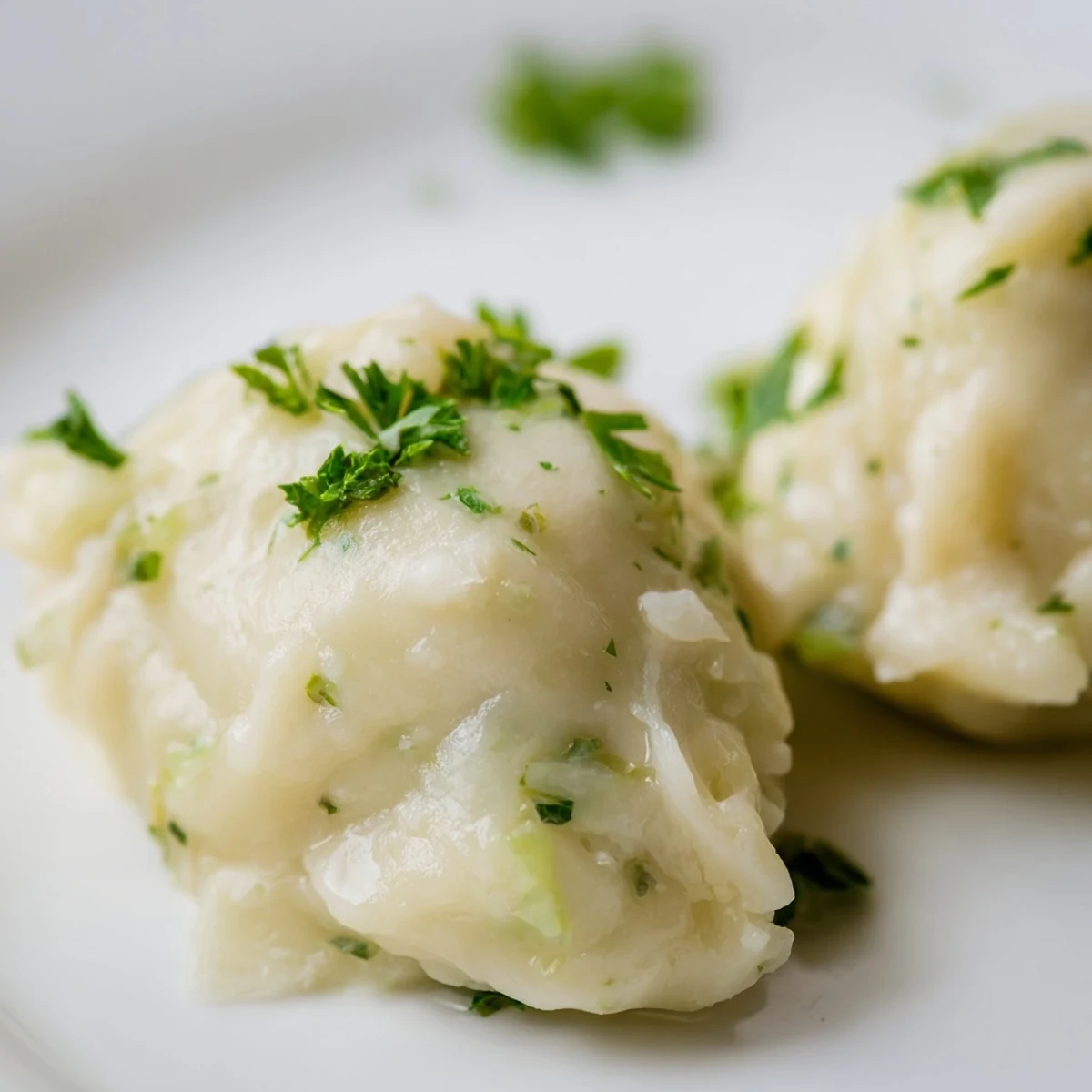
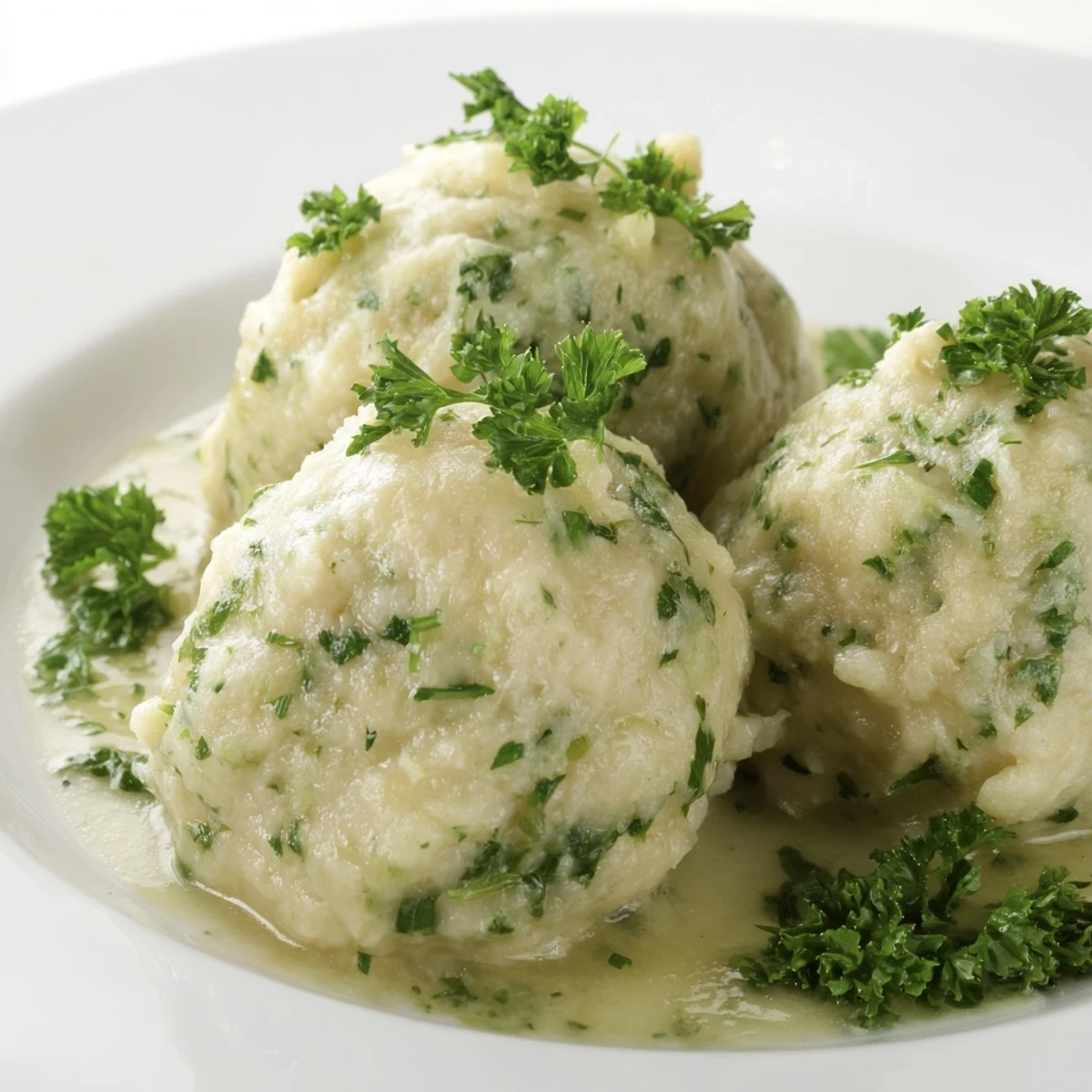
 These German cabbage dumplings feature tender shredded cabbage sautéed with onions, combined with soaked bread, eggs, and aromatic spices like nutmeg and parsley. The mixture is shaped into rounds and gently simmered in vegetable broth until firm and fluffy throughout.
Perfect as a comforting main dish or served alongside mushroom sauce and melted butter, these vegetarian dumplings deliver authentic German flavors with a satisfying, pillowy texture that makes them ideal for hearty family meals.
The steam rising from my grandmother's kitchen always meant one thing: cabbage dumplings were bobbing gently in a pot of simmering broth. She'd taught me the trick of damp hands while shaping them, her own hands moving instinctively after decades of practice. I'd stand on my tiptoes to watch, captivated by how something so humble could transform into something so comforting.
Last winter, during that particularly gray stretch of February, I made a double batch for friends who'd gathered at my apartment feeling worn down by life. We stood around the stove, watching the dumplings rise and fall in the gentle simmer, and something about that simple process—warm bread, softened cabbage, the smell of nutmeg—seemed to lift everyone's spirits before we even took a single bite.
Ingredients
- 1 small head green cabbage: Finely shredded becomes sweet and tender when slowly sautéed, forming the heart of these dumplings
- 1 medium onion: Diced small and cooked until translucent provides a savory foundation
- 2 tbsp unsalted butter: Creates a rich base for cooking down the cabbage mixture
- 2 large eggs: Essential for binding the dumpling mixture together while keeping it light
- 120 ml whole milk: Soaks into the bread cubes, creating that tender interior texture
- 200 g day-old white bread: Stale bread with crusts removed absorbs the milk without becoming gummy
- 60 g all-purpose flour: Just enough to help hold the dumplings together during simmering
- 1/2 tsp ground nutmeg: The secret warmth that makes these taste distinctly German
- 1/2 tsp ground black pepper: Adds a gentle heat that balances the sweet cabbage
- 1 tsp salt: Enhances all the flavors without overwhelming the subtle taste
- 2 tbsp fresh parsley: Finely chopped adds bright freshness and color to the finished dish
- 1.5 liters vegetable broth: A gentle simmering liquid that becomes part of the dish's flavor
Instructions
- Sauté the cabbage mixture:
- Melt butter in a large skillet over medium heat, cook onion 2-3 minutes until translucent, add shredded cabbage with a pinch of salt and cook 10-12 minutes until softened, then let cool slightly.
- Prepare the bread base:
- Combine bread cubes with milk in a large bowl, let soak 5-10 minutes until soft, then mash gently with a fork until mostly smooth.
- Form the dumpling dough:
- Add eggs, flour, nutmeg, pepper, salt, parsley and cooled cabbage to the soaked bread, mix well until uniform and slightly sticky.
- Shape the dumplings:
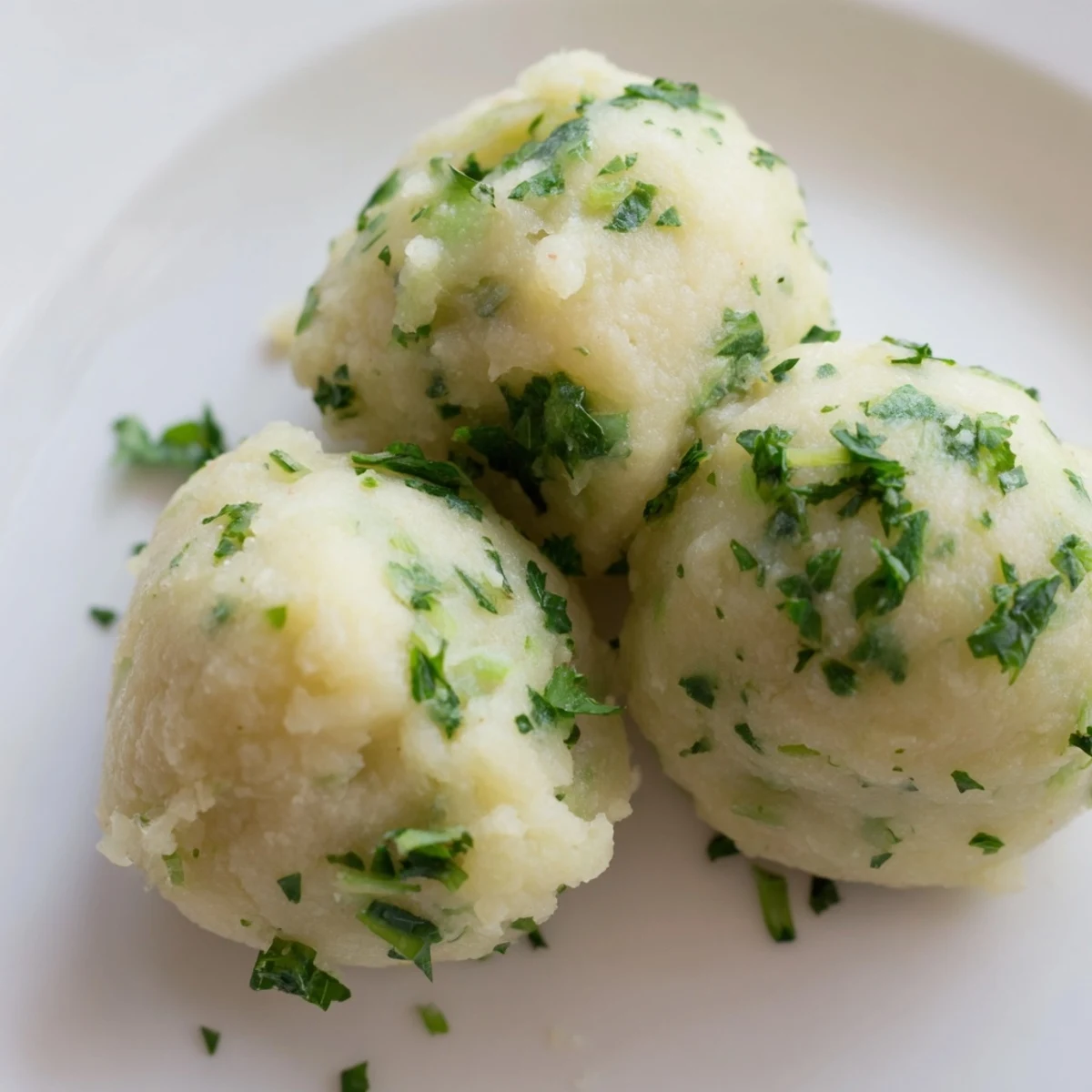
- With damp hands, shape the mixture into 8 round dumplings, keeping them roughly the same size for even cooking.
- Simmer gently:
- Bring vegetable broth to a gentle simmer in a large pot, carefully add dumplings and simmer 18-20 minutes until firm and cooked through.
- Serve warm:
- Remove dumplings with a slotted spoon, serve hot in bowls with some of the broth, garnished with extra parsley if desired.
 Save to Pinterest
 My friend Sarah, who grew up in Munich, took one bite and said these tasted exactly like what her grandmother made on Sundays. She hadn't had them in years, and watching her close her eyes and remember made me realize how food can carry entire histories across oceans and generations.
Making Them Your Own
I've discovered that adding a handful of grated gruyère or emmental cheese to the dough creates a wonderful variation that feels both traditional and new. The cheese melts into little pockets throughout the dumpling, adding a savory depth that pairs beautifully with the sweet cabbage.
What To Serve With Them
While these dumplings are satisfying on their own, a simple cucumber salad with vinegar and dill cuts through their richness perfectly. A light green salad with warm bacon dressing also works beautifully, or serve them alongside a bowl of hearty lentil soup for a more substantial meal.
Storage And Reheating
Cooked dumplings keep remarkably well in the refrigerator for 2-3 days, stored in a covered container with some of their cooking broth to prevent drying out. To reheat, gently warm them in simmering broth or steam them until heated through.
- Freeze uncooked dumplings on a baking sheet, then transfer to a freezer bag for up to 2 months
- Never microwave them—they'll become tough and rubbery
- Leftover dumplings are delicious sliced and pan-fried in butter until golden
 Save to Pinterest
 There's something deeply satisfying about watching simple ingredients transform into something so nourishing and complete. These dumplings have become my go-to comfort food, the dish I make when nothing else will do.
Recipe Questions & Answers
- → How do I know when the dumplings are cooked through?
-
The dumplings are ready when they feel firm to the touch and float slightly in the simmering broth. This typically takes 18–20 minutes of gentle simmering.
- → Can I make these dumplings ahead of time?
-
Yes, you can prepare the shaped dumplings and refrigerate them for a few hours before cooking. Alternatively, cook them completely and reheat gently in hot broth or steam them briefly before serving.
- → What bread works best for this dish?
-
Day-old white bread with crusts removed is ideal. The slight dryness helps absorb the milk and eggs without becoming too mushy, creating the perfect tender texture.
- → How should I serve these dumplings?
-
They pair beautifully with creamy mushroom sauce or melted butter. You can also serve them in the cooking broth for a soup-style presentation, or as a side dish with roasted meats and vegetables.
- → Can I freeze leftover dumplings?
-
Cooked dumplings freeze well for up to 3 months. Place them in an airtight container with parchment paper between layers. Thaw in the refrigerator overnight and reheat gently in simmering broth.