
 Save to Pinterest
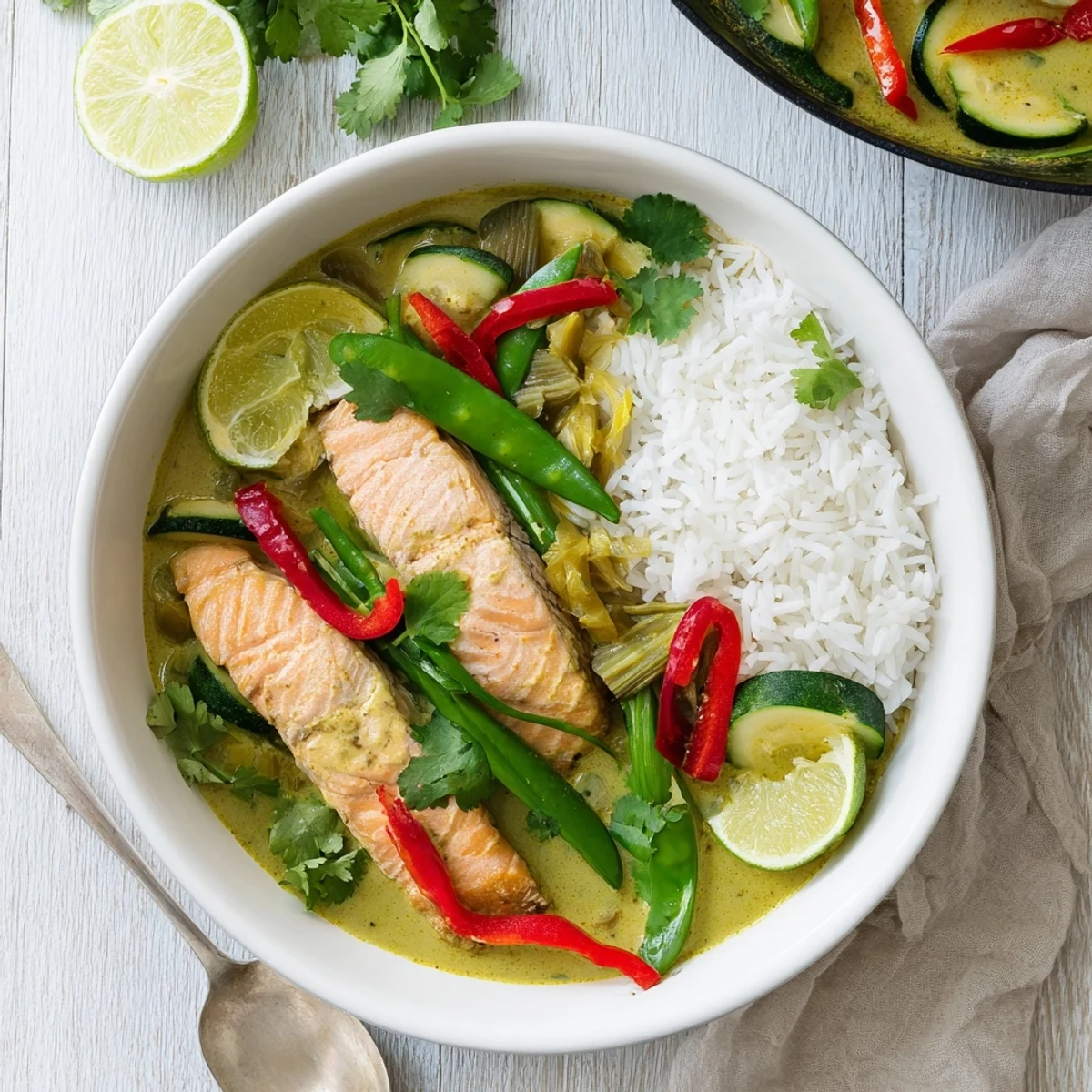
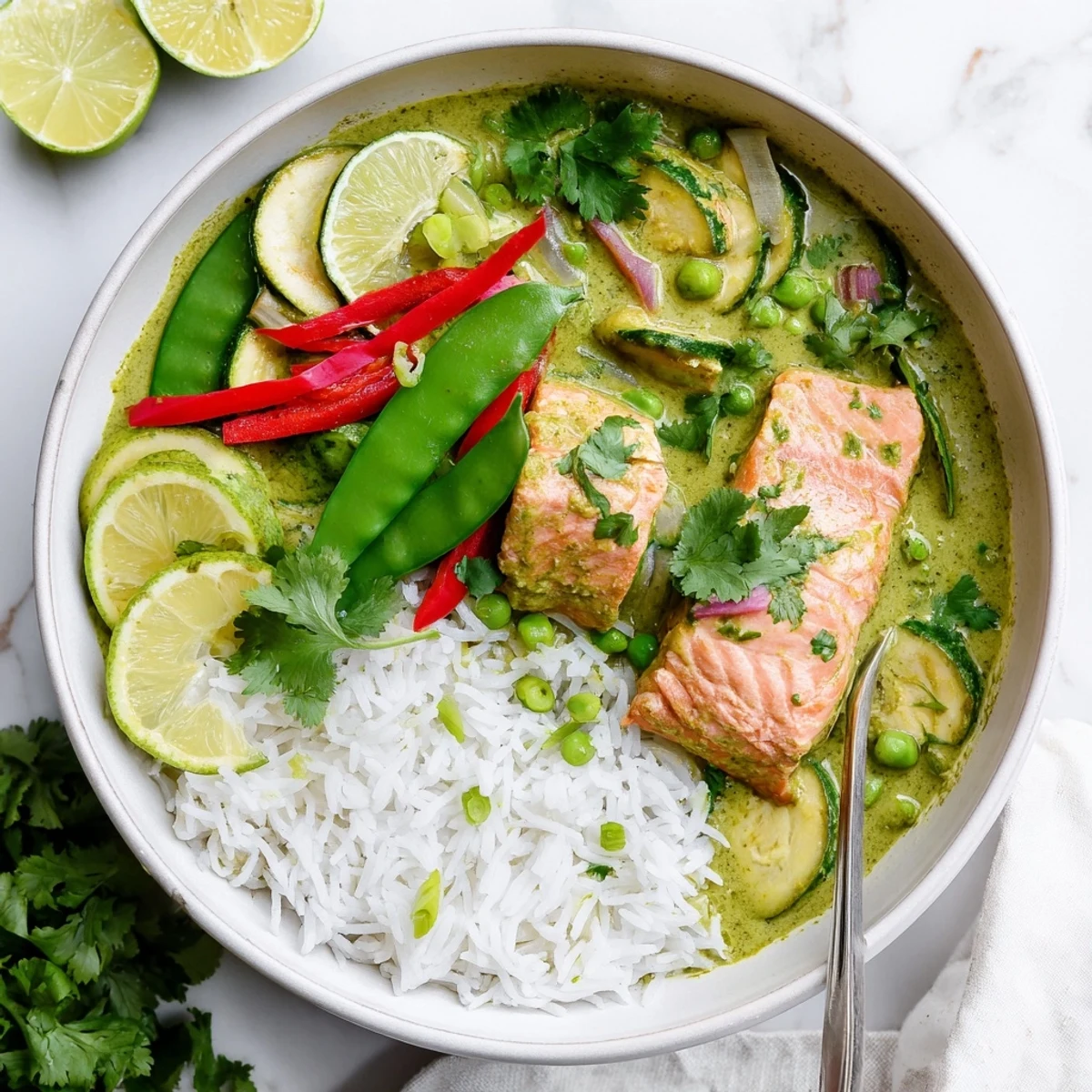
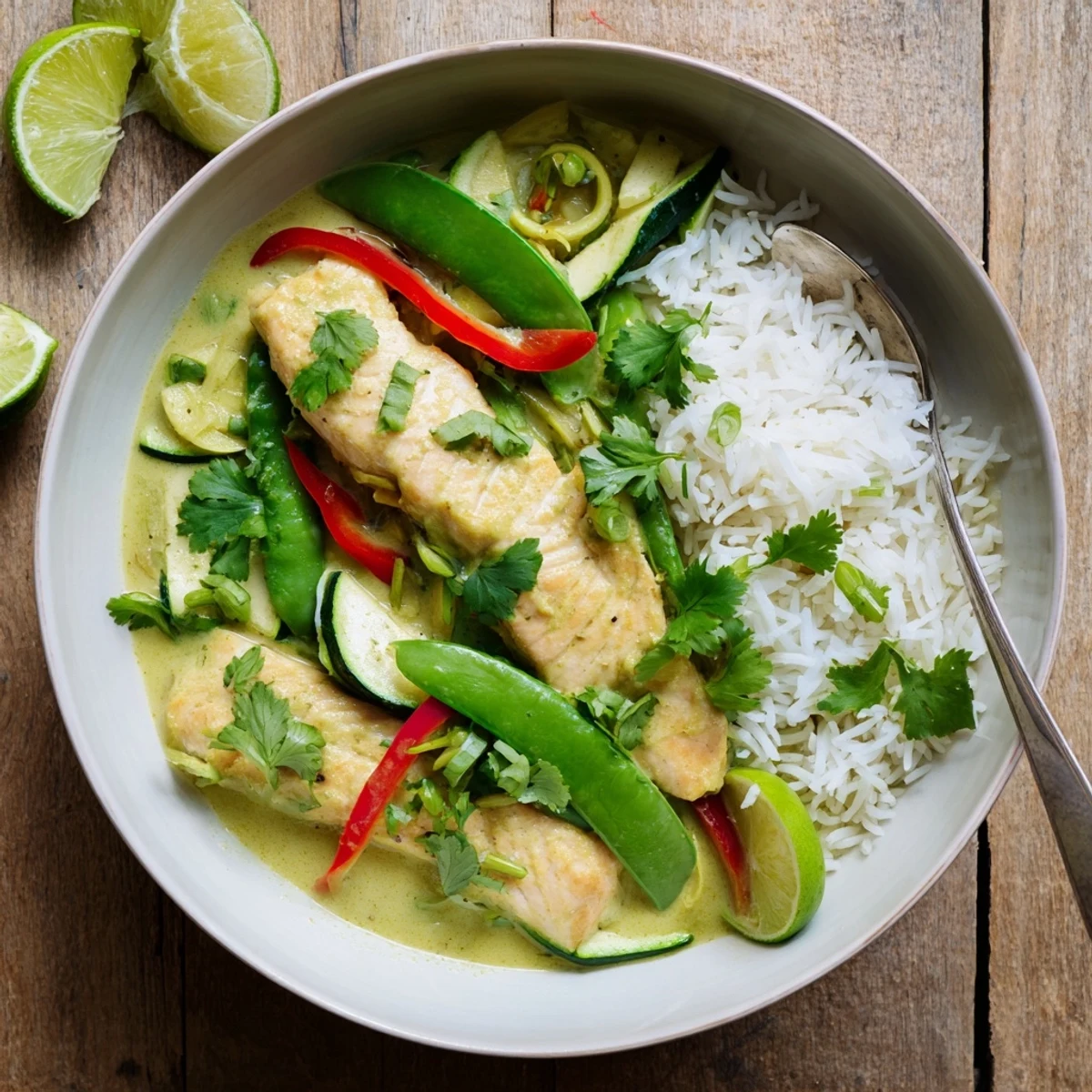
 This aromatic dish features tender salmon fillets gently simmered in a rich, fragrant green curry sauce made with coconut milk, Thai curry paste, and fresh aromatics like garlic, ginger, and lemongrass. The salmon absorbs the vibrant flavors while staying moist and flaky. Colorful vegetables including zucchini, red bell pepper, and sugar snap peas add crunch and sweetness. A finish of fresh lime juice brightens the creamy curry, while garnishes of cilantro, sliced chili, and lime wedges add restaurant-quality presentation. Serve over fluffy jasmine rice for a complete satisfying meal that brings authentic Thai flavors to your table in under 40 minutes.
The steam curling up from my wok that first Tuesday evening stopped me in my tracks. Something about the way lemongrass and coconut milk mingled together felt like discovering a secret language between ingredients. I'd been making curry for years, but this particular combination of salmon and green paste opened up an entirely new world in my kitchen. Now it's the recipe I turn to when I need dinner to feel like an occasion without actually being one.
My sister showed up unannounced last month during a rainstorm, exhausted from a week that had clearly been too much. I pulled salmon from the freezer and vegetables from the crisper drawer, not thinking much beyond getting something hot on the table. But when she took that first bite, shoulders dropped, eyes closed, and suddenly we weren't just eating dinner anymore. We were having a moment that only certain dishes can create.
Ingredients
- Salmon fillets: Two pieces about 150 grams each work beautifully, skinless and boneless so they can slip right into that sauce without any fuss
- Zucchini and bell pepper: These vegetables hold up perfectly in the simmering coconut milk, absorbing all those aromatic spices while staying pleasantly tender
- Sugar snap peas: They add this incredible fresh crunch that cuts through the richness, plus they cook in literally minutes
- Thai green curry paste: This is your flavor foundation, and honestly, worth seeking out an authentic brand from an Asian market if you can
- Coconut milk: One full can creates that luscious, creamy sauce body that makes everything else come together
- Fish sauce: Just a tablespoon provides that essential umami depth, the secret ingredient that makes people wonder what's so special
- Fresh lime: The juice brightens everything right at the end, cutting through the coconut richness and waking up all the spices
Instructions
- Prep your salmon and vegetables:
- Pat the salmon fillets completely dry with paper towels and give them a light sprinkle of salt, then slice your zucchini, bell pepper, and trim those snap peas so everything is ready to go
- Build your aromatic base:
- Heat the oil in your largest skillet over medium heat, cook the sliced onion for about 2 minutes until it starts softening, then stir in the garlic, ginger, and curry paste until the kitchen fills with that incredible fragrance
- Add vegetables and create the sauce:
- Toss in the zucchini, bell pepper, and snap peas, stir fry for 2 minutes, then pour in the coconut milk along with fish sauce, brown sugar, and that lemongrass stalk if you found one
- Gently simmer the salmon:
- Nestle those salmon fillets right into the sauce, cover the pan, and let everything cook together for 8 to 10 minutes until the salmon flakes easily when you test it with a fork
- Finish with bright lime:
- Pull out the lemongrass stalk, squeeze fresh lime juice over everything, give it a gentle stir so you don't break up the salmon, and serve immediately over steaming jasmine rice
 Save to Pinterest
 This recipe has become my go-to for dinner parties because people assume I spent hours at the stove. The way the salmon flakes into that sauce, each bite carrying coconut and spice and just enough heat, makes people pause mid conversation. There's something about serving curry that feels like giving someone a small, edible vacation.
Making It Your Own
I've played around with different proteins when salmon wasn't available or when I was cooking for friends who don't eat fish. Firm white fish works beautifully, holding together nicely in the sauce. For a completely plant-based version, extra firm tofu cubes pressed first to remove excess moisture become these spongy little flavor bombs that soak up the curry in the most satisfying way.
The Heat Factor
Green curry paste varies wildly between brands, and I learned this the hard way by accidentally serving something too spicy for my mild spice-averse father. Start with what the recipe calls for, taste after the sauce simmers for a few minutes, and only then decide if you want to add more. You can always increase heat but you can't take it back, and this dish should feel warm and inviting rather than challenging.
Rice Makes It Complete
Jasmine rice is the traditional choice here, and its naturally floral aroma complements the curry perfectly. I put my rice on before starting anything else since it needs about 20 minutes, giving me time to prep all the vegetables without feeling rushed. The rice also acts as this gentle foundation, tempering the spice and making every last bit of sauce something you'll want to scoop up.
- Leftover sauce keeps beautifully in the refrigerator for up to three days, actually developing deeper flavor overnight
- If making ahead, cook the salmon fresh and add it to reheated sauce to prevent overcooking
- Fresh basil leaves make a gorgeous alternative garnish if cilantro isn't your thing
 Save to Pinterest
 This green curry salmon has transformed countless ordinary weeknights into something that feels deliberate and cared for. Sometimes the simplest recipes end up meaning the most.
Recipe Questions & Answers
- → How do I know when the salmon is cooked through?
-
The salmon is done when it flakes easily with a fork and turns opaque throughout. The internal temperature should reach 145°F (63°C). Avoid overcooking as the salmon will become dry.
- → Can I make this curry less spicy?
-
Yes, reduce the amount of green curry paste to 1 tablespoon or choose a mild brand. You can also add more coconut milk or brown sugar to balance the heat. Serve with extra jasmine rice to mellow the spiciness.
- → What vegetables work best in this curry?
-
Zucchini, bell pepper, and sugar snap peas are ideal as they hold their texture during simmering. You can also add eggplant, green beans, bamboo shoots, or baby corn. Avoid delicate vegetables that might disintegrate.
- → Can I use frozen salmon fillets?
-
Yes, thaw frozen salmon completely in the refrigerator before cooking. Pat them very dry with paper towels to remove excess moisture, which helps the fish sear properly and absorb the curry flavors.
- → How long does this curry keep in the refrigerator?
-
Store in an airtight container for up to 3 days. Reheat gently over low heat, adding a splash of coconut milk or water if the sauce has thickened. The salmon may break apart slightly when reheated.
- → Is there a vegetarian alternative to fish sauce?
-
Yes, substitute fish sauce with soy sauce or a vegetarian fish sauce alternative. You can also use a combination of soy sauce and a pinch of salt to achieve similar umami depth.