
 Save to Pinterest
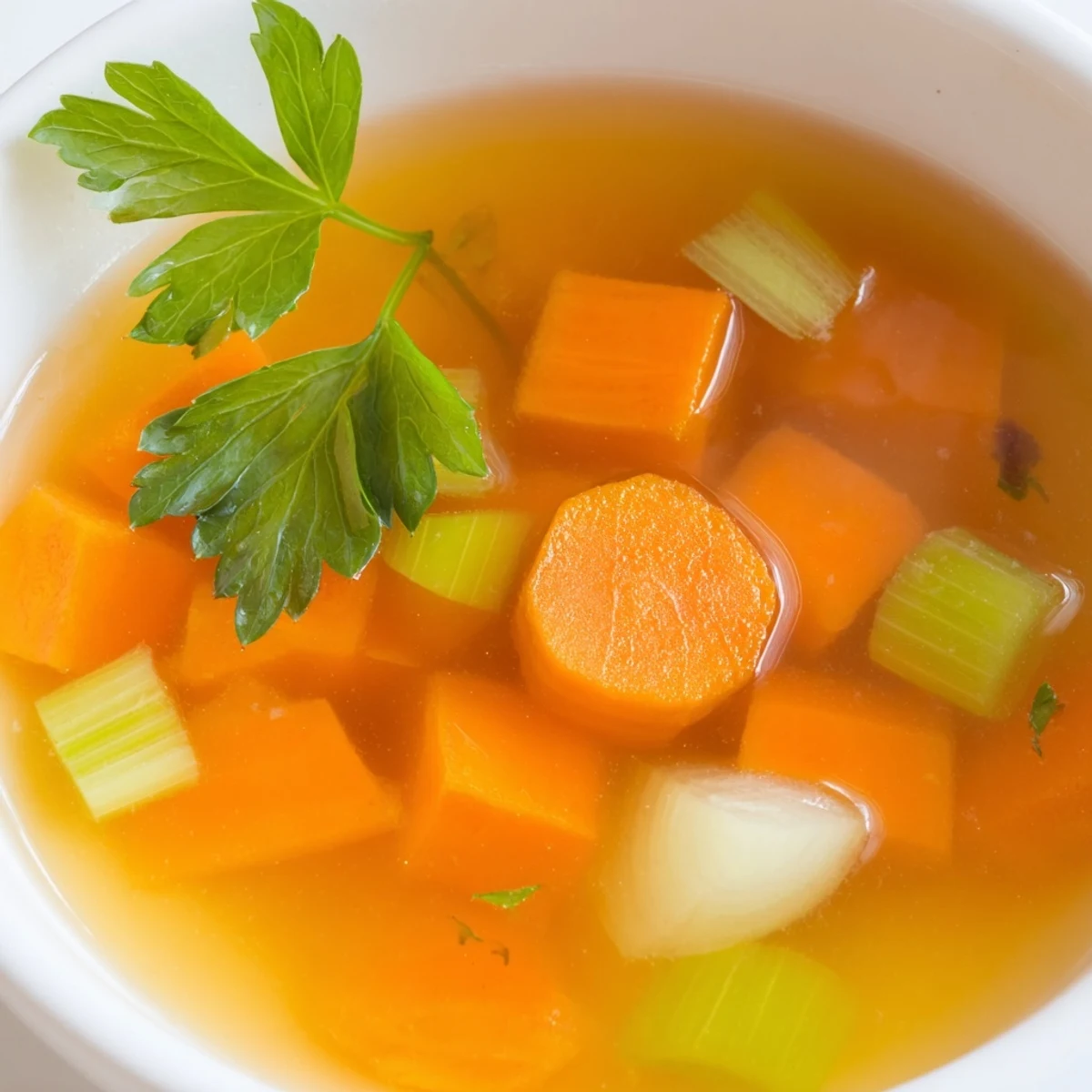
 This fragrant broth is crafted by simmering fresh carrots, celery, onion, leek, and optional parsnip with aromatic herbs like parsley, thyme, and dill. The slow simmer enhances flavors and creates a rich, nourishing base ideal for soups, risottos, or drinking warm. Simple seasoning with salt and peppercorns rounds out the taste. For deeper notes, roasting vegetables beforehand is recommended. Enjoy this vegan, gluten-free, and low-fat broth fresh or stored chilled for versatile kitchen use.
The first time I made broth from scratch, I was surprised by how little I knew about it. I'd always bought it from a box, never questioning why the kitchen smelled so flat, so one-dimensional. Then a friend left a pot simmering on my stove while she worked in my garden, and when I finally walked back inside, the whole house had transformed—warm, alive, complex. I realized I'd been missing something essential.
I made this broth on a rainy Wednesday afternoon, half listening to my neighbor talk through the kitchen window while I chopped vegetables. By the time the aroma started filling the house, she'd invited herself in, we were sharing tea, and the broth became an afterthought—just this gentle, simmering presence that made everything feel more intentional.
Ingredients
- Carrots: Two large ones give natural sweetness and body without overpowering the broth with carrot flavor alone.
- Celery stalks: These are the backbone—they create that savory depth that makes you come back for another sip.
- Onion: Quartered and unpeeled (keep that papery skin on) adds color and a subtle sweetness that develops slowly.
- Leek: The white and light green parts bring an onion-adjacent gentleness that's softer than regular onion.
- Parsnip: Optional, but if you have one, add it—the earthy sweetness changes everything in the best way.
- Garlic: Smashed cloves release their essence completely, giving warmth without making the broth taste aggressive.
- Fresh parsley: A small bunch adds brightness and a grassy note that lingers.
- Fresh thyme: Two sprigs is the right amount—enough to announce itself, not enough to dominate.
- Bay leaves: These two little leaves do more work than you'd expect, adding a subtle earthiness.
- Fresh dill or rosemary: Choose based on mood—dill if you want something delicate, rosemary if you're feeling bold.
- Black peppercorns: Ten whole ones release slowly, giving a gentle pepper warmth rather than a bite.
- Salt: Start with one teaspoon, but you'll taste and adjust—this is never final until it's in your mouth.
- Cold water: Two and a half liters is the foundation that everything else floats in.
Instructions
- Gather and Prepare:
- Wash your vegetables under cold water, then peel and chop everything into roughly two-inch pieces. There's no need for perfect uniformity here—different sizes actually help extract flavor at different rates.
- Build the Base:
- Dump all the vegetables, herbs, and peppercorns into your stockpot. This is where you get to smell everything together and make sure your kitchen feels alive before the heat even goes on.
- Add Water and Bring to Heat:
- Pour in the cold water, add your salt, then set the pot over medium-high heat. You're looking for a gentle boil, not a rolling one—this is a slow conversation, not a shout.
- Simmer Low and Slow:
- Once it reaches a gentle boil, reduce the heat to low, partially cover the pot, and let it bubble quietly for a full hour. You'll see foam rising to the surface in the first few minutes—skim that off with a spoon, but don't obsess over it.
- Cool and Taste:
- After an hour, turn off the heat and let everything settle for five minutes. The flavors have already gone into the water where they belong.
- Strain and Finish:
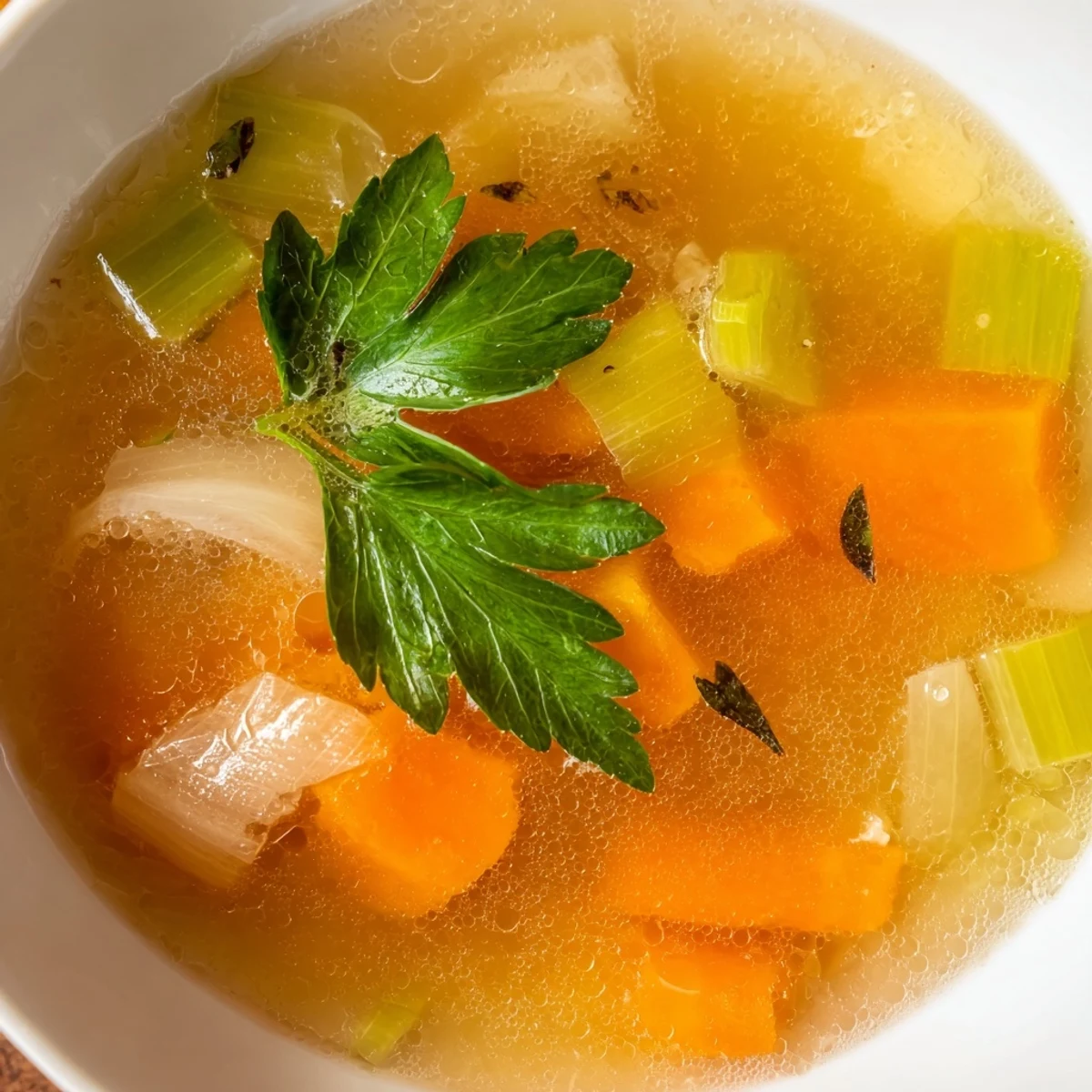
- Pour everything through a fine-mesh sieve into a clean pot or bowl, letting the liquid drain without pushing the solids through. Taste the finished broth and adjust salt if needed—it should taste clean and bright, not underseasoned.
 Save to Pinterest
 The night I strained this broth for the first time and poured a cup to drink warm, just by itself, I understood why people get sentimental about bone broth and stock. It wasn't fancy, but it tasted like care, like intention. My partner came home to find me sitting with a mug like it was the answer to something I hadn't even asked.
The Roast-First Method
If you want broth that tastes deeper and more caramelized, roast your vegetables first. Spread them on a sheet pan, toss with a tiny bit of oil if you have it, and roast at 400°F for about 30 minutes until the edges are golden and the kitchen smells like someone's been cooking all day. Then follow the rest of the recipe normally. The extra step takes thirty minutes but adds a richness that makes people wonder what your secret is.
Flavor Variations to Keep in Your Back Pocket
This basic broth is a canvas, which is half the joy of making it. A handful of mushroom stems (even from store-bought mushrooms you've used elsewhere) adds an earthy, umami depth that lingers. A piece of fennel brings an unexpected warmth, almost licorice-adjacent but subtle. A tomato or two creates something slightly more robust, better suited to heavier soups. I've even added a piece of kombu seaweed when I had it, just to see, and it made the broth taste oceanic and grounding.
Storage and Second Acts
Broth is the gift that keeps giving. In the refrigerator, it's good for five days—you'll see a layer of fat form on top if you used vegetables with any richness, which actually protects the broth underneath from oxidizing. Freeze it in ice cube trays so you have small portions ready when inspiration strikes, or in larger containers if you know you'll use a whole batch soon. I've thawed broth from months ago and been shocked at how it tastes exactly like the afternoon I made it.
- Cool it completely before storing to avoid raising the temperature of your fridge.
- Use it as the base for soups, the liquid for cooking grains, or the foundation for sauces that need body and elegance.
- Frozen broth is your kitchen's best insurance policy—never make a boring soup again.
 Save to Pinterest
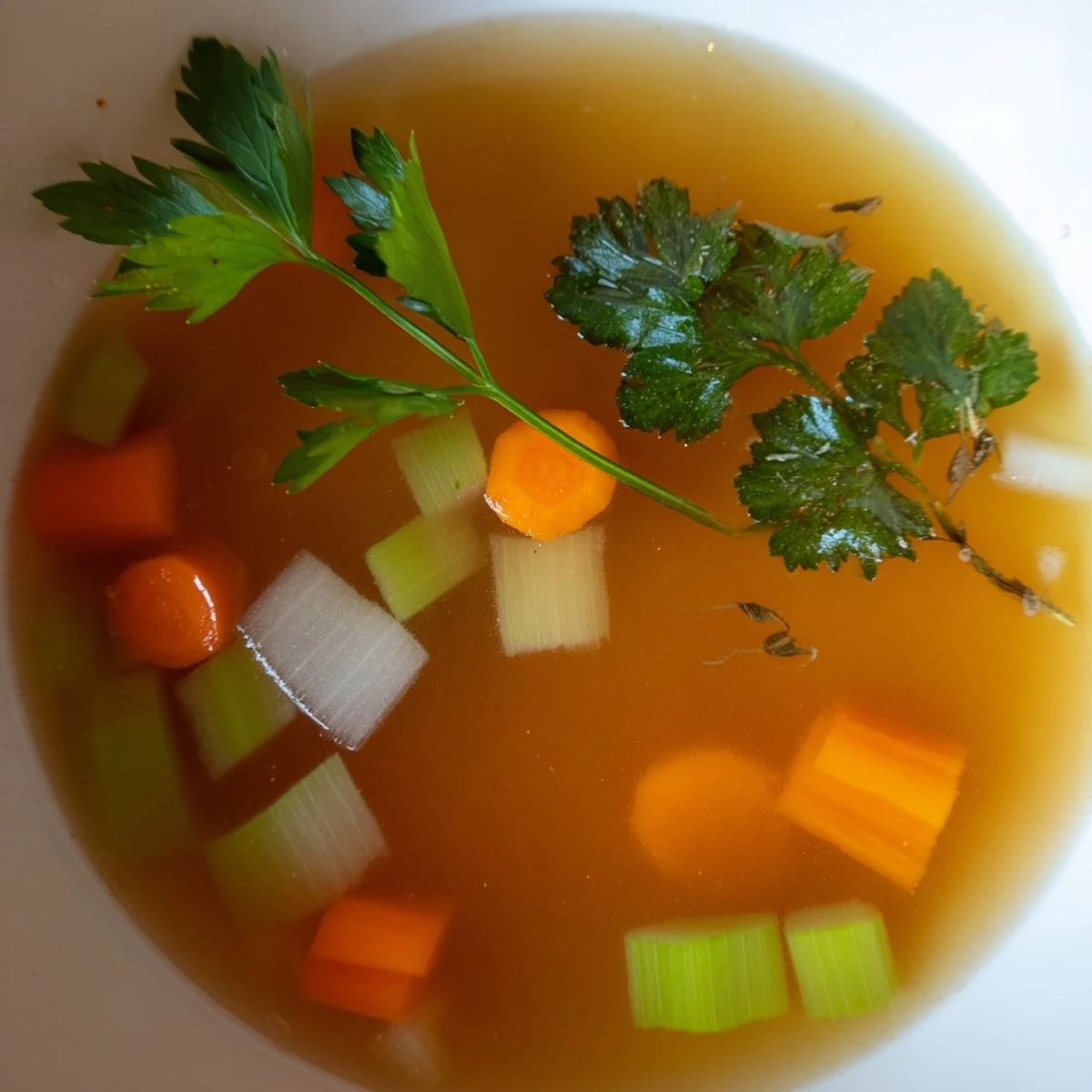
 Making broth has become my favorite form of quiet meditation, a way of saying I'm invested in the meals I'm about to make. It's one of those small kitchen acts that feels like taking care of yourself.
Recipe Questions & Answers
- → What vegetables are best for this broth?
-
Carrots, celery, onion, leek, and optionally parsnip provide a balanced, flavorful base with natural sweetness and depth.
- → Can I customize the herbs used?
-
Yes, parsley, thyme, and dill create aromatic layers, while adding rosemary or bay leaves can add robust flavors.
- → How long should the broth simmer?
-
Simmer gently for 1 hour to extract maximum flavor and maintain a clear, fragrant broth.
- → Is roasting the vegetables before simmering necessary?
-
Not required, but roasting at 400°F for 30 minutes deepens flavor and adds a subtle caramelized note.
- → How should I store the broth?
-
Store in the refrigerator up to 5 days or freeze for up to 3 months to maintain freshness and flavor.