
 Save to Pinterest
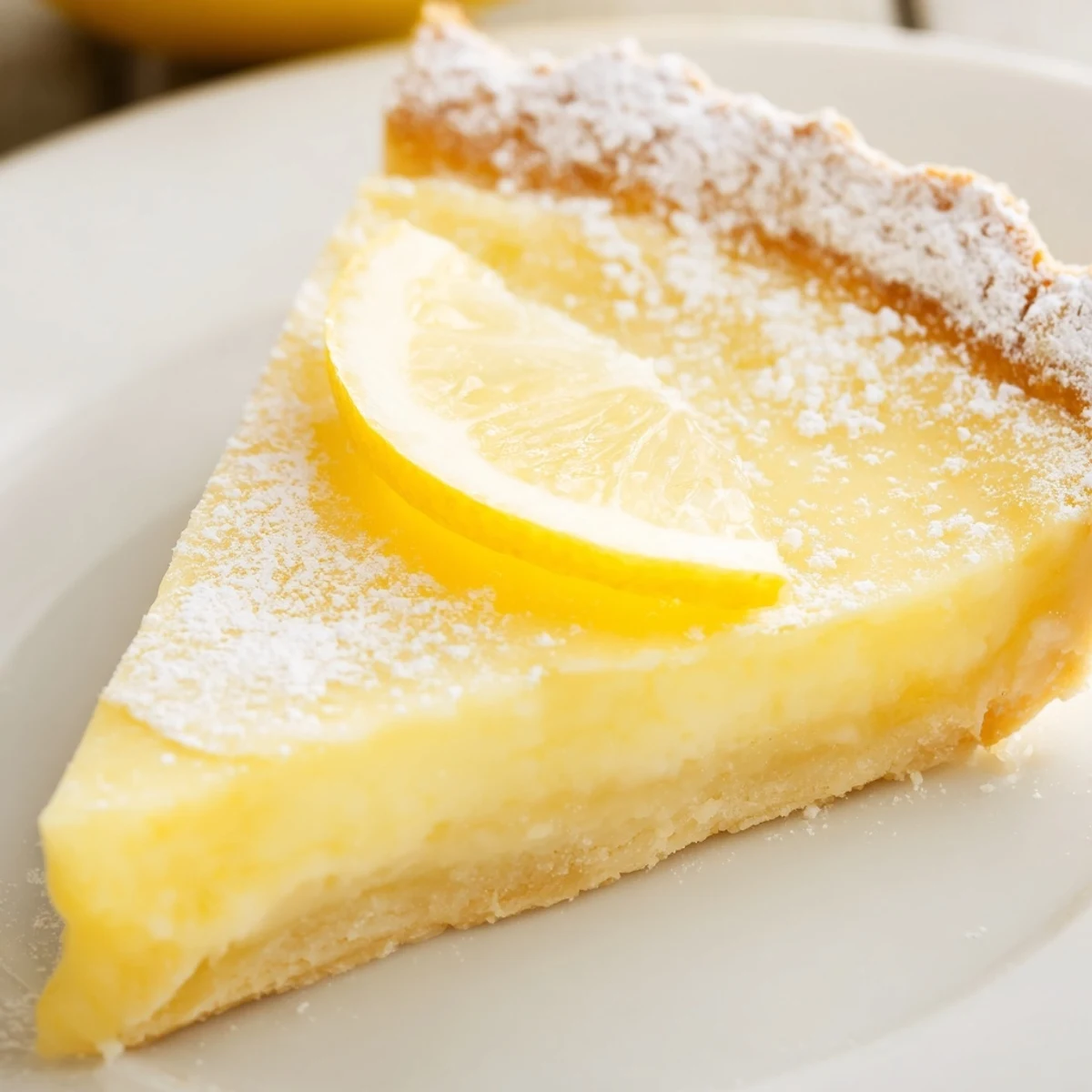
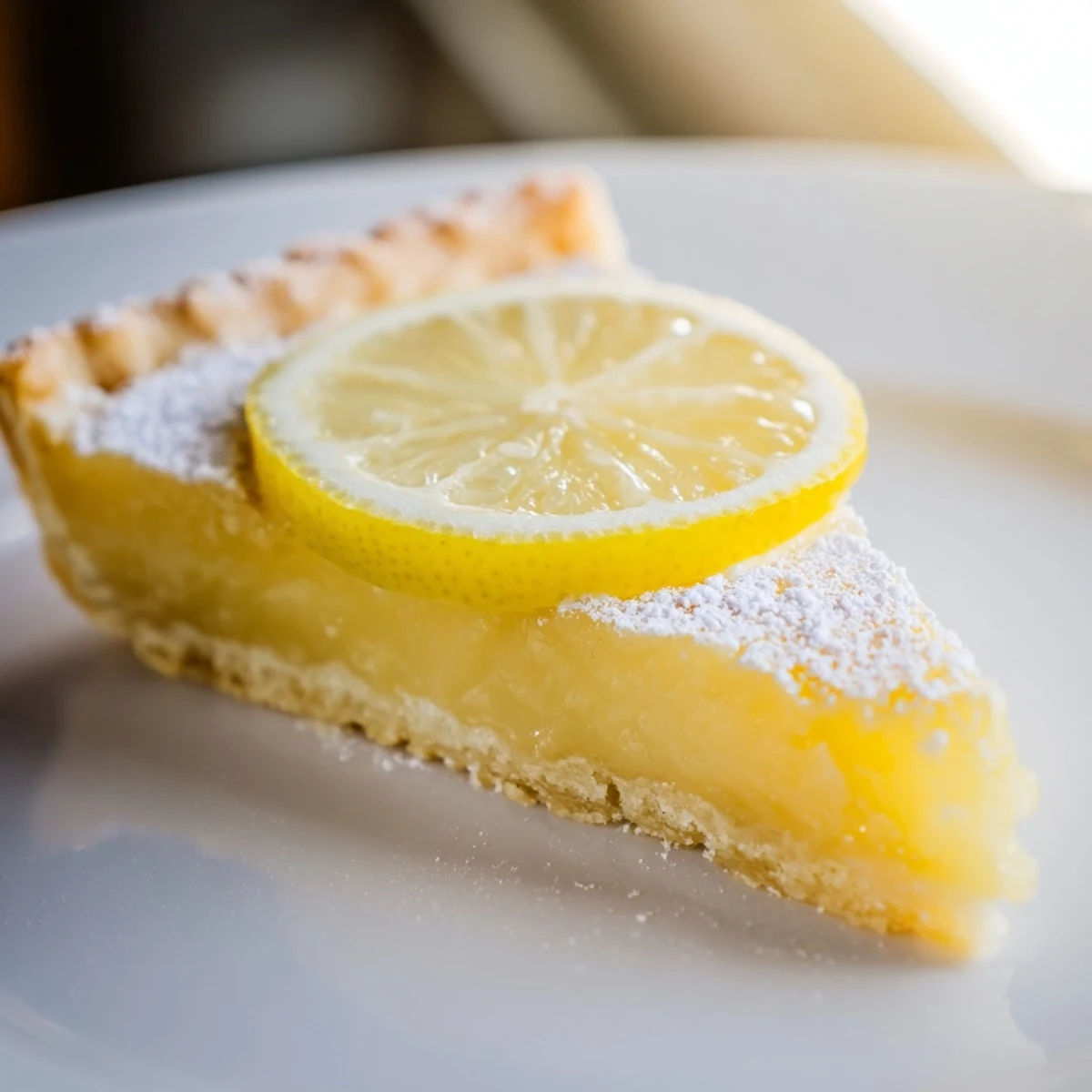
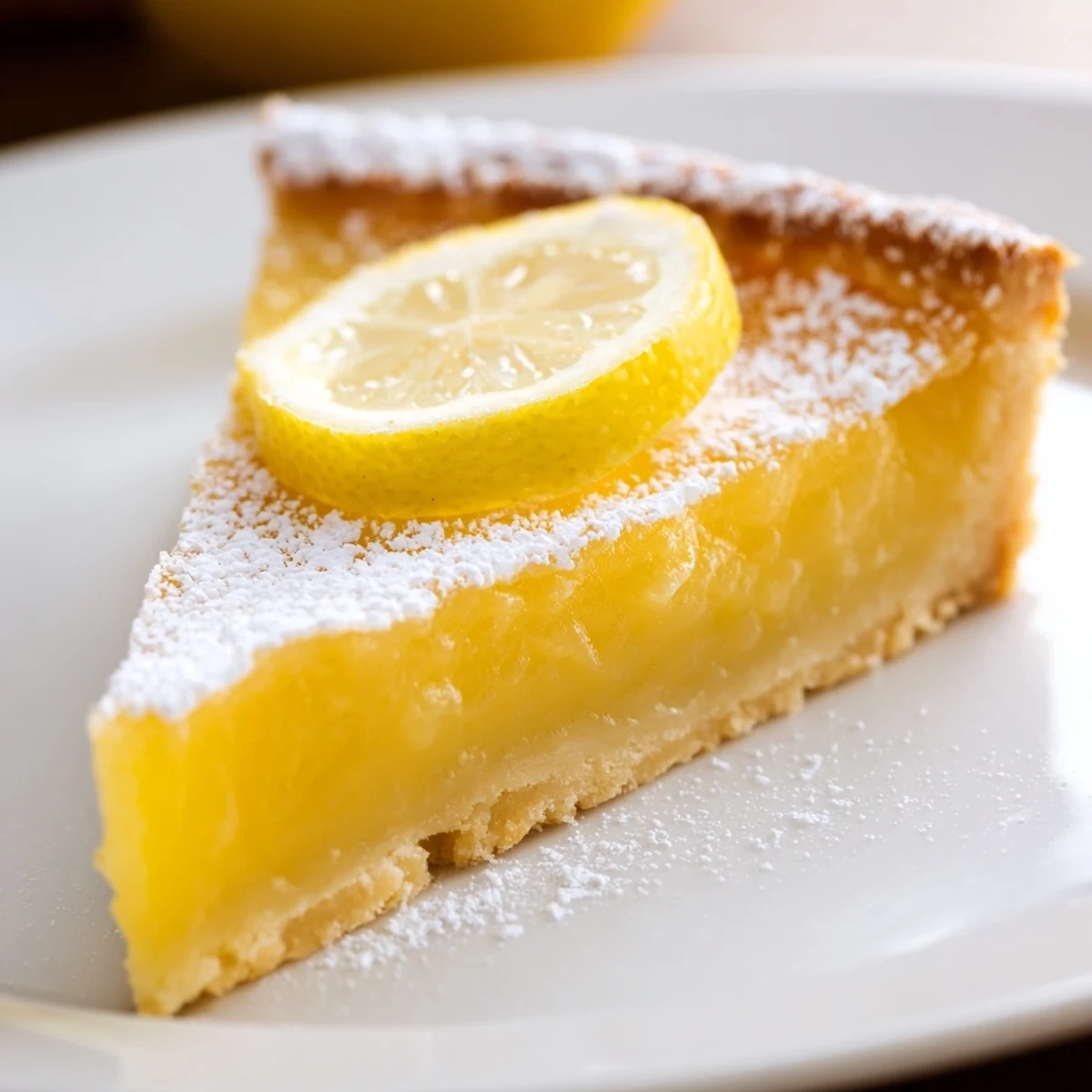
 This classic French dessert features a crisp, buttery pastry crust filled with a smooth, tangy lemon custard. The rich zest and juice of fresh lemons combine with eggs and cream for a silky filling that sets perfectly after a gentle bake. Blind baking the crust ensures a flaky, golden base that holds the luscious filling without sogginess. After chilling the tart, dust with powdered sugar or garnish with fresh lemon slices or berries for a bright finish. Ideal for an elegant afternoon treat or a refreshing finale to any meal.
There's something about the way a lemon tart catches the afternoon light that stops people mid-conversation. I learned this years ago when my friend Sarah brought one to a garden party, and I watched grown adults abandon their small talk to hover around the dessert table. The pastry was impossibly buttery, the filling bright enough to taste like sunshine itself, and I realized that day that some desserts aren't just about sweetness—they're about a moment of pure clarity on the plate.
I made this tart for the first time on a Thursday morning when I had no particular reason to, just wanted to see if I could. My kitchen filled with the smell of butter and lemon as the pastry baked golden, and by the time it came out of the oven, I'd already decided this would become the dessert I'd make for people who mattered. It's one of those recipes that feels like you've done something genuinely special, even if the steps are straightforward.
Ingredients
- All-purpose flour (1 1/4 cups/160 g): The foundation of your pastry—keep it cool and handle it gently so you get those delicate, shattering layers.
- Cold unsalted butter (1/2 cup/115 g, cubed): Temperature is everything here; if it gets warm, your pastry becomes tough instead of tender.
- Powdered sugar (1/4 cup/30 g): Adds a subtle sweetness and helps create a more tender crumb.
- Salt (1/4 tsp): Just enough to make the butter sing without being noticeable.
- Egg yolk (1 large): Binds everything together while adding richness.
- Ice-cold water (2–3 tbsp): The secret is restraint—add just enough to make dough come together.
- Eggs (4 large): The custard's structure; they should be at room temperature for smooth whisking.
- Granulated sugar (1 cup/200 g): Sweetens the filling and helps suspend the eggs into that silky texture.
- Lemon zest (from 2 lemons): Use a microplane for the finest texture and brightest flavor—the oils in the zest are where the magic lives.
- Fresh lemon juice (2/3 cup/160 ml, about 3–4 lemons): Bottled juice won't give you that spark of freshness; squeeze it yourself and taste as you go.
- Heavy cream (1/2 cup/120 ml): Makes the filling luxurious and stops it from being too sharp.
Instructions
- Combine your dry ingredients:
- Mix flour, powdered sugar, and salt in a bowl, then add your cold butter cubes and rub with your fingertips until it looks like coarse breadcrumbs. Work quickly—you want pockets of butter to stay separate so they create layers as the pastry bakes.
- Bring the dough together:
- Add your egg yolk and 2 tablespoons of ice-cold water, stirring gently with a fork until the dough just holds together. If it's still crumbly, add another tablespoon of water, one drop at a time.
- Rest the pastry:
- Flatten your dough into a disc, wrap it tightly in plastic, and let it chill for at least 30 minutes—this resting time helps gluten relax so your pastry won't shrink in the oven.
- Heat your oven:
- Get it to 350°F (175°C) while you prep your tart pan.
- Line the pan:
- Roll out your chilled dough on a lightly floured surface until it's thin enough to drape over your 9-inch tart pan, then press it gently into the corners and trim the excess with a knife. Prick the base all over with a fork to prevent puffing.
- Blind bake the shell:
- Line your pastry with parchment paper and fill it with baking beans or rice to weigh it down, then bake for 15 minutes. Remove the weights and paper, then bake for another 10 minutes until the pastry is pale golden and feels dry to the touch.
- Make your lemon custard:
- Whisk your eggs and sugar together until completely smooth, then stir in the lemon zest, fresh juice, and heavy cream, whisking until everything is combined and glossy.
- Fill and bake:
- Pour your lemon filling into the still-warm pastry shell and bake for 20–25 minutes, until the filling is just barely set but still has a gentle wobble in the very center when you move the pan. It will continue to set as it cools.
- Cool and chill:
- Let the tart cool to room temperature on a wire rack, then refrigerate for at least 2 hours before you slice into it.
 Save to Pinterest
 The real pleasure of this tart came when I served it at a dinner party and watched someone take their first bite, close their eyes, and just pause for a moment. That's when I understood that the butter and the lemon juice and the eggs weren't really ingredients—they were a conversation between brightness and richness that happened to taste incredible.
Why This Tart Feels Like More Than Dessert
A lemon tart is one of those desserts that doesn't pretend to be something it isn't. There's no chocolate to compete for attention, no cream piled high to hide the pastry. It's all confidence—the pastry is there to hold everything together, and the filling is there to remind you that sometimes the simplest flavors are the most memorable. When you make this, you're not making something trendy or complicated; you're making something that tastes like skill and care, which is a lot more impressive than it sounds.
Sourcing Lemons and Making Them Count
The quality of your lemons matters more than you'd think, especially since they're doing all the heavy lifting in this dessert. If you can find lemons that feel heavy for their size and have thin, unblemished skin, those tend to be the juiciest ones. I always zest my lemons before I juice them—the zest comes off more easily on intact fruit, and you get the fullest flavor from both parts. A microplane zester makes the difference between confetti-like flakes and actual texture that contributes to the filling.
The Pastry Moment That Changes Everything
If there's one part of this recipe worth getting right, it's understanding why pastry behaves the way it does. Cold butter creates steam pockets in the oven, which is what makes pastry flaky instead of dense. If you skip the chilling step or work with warm hands, the butter softens and gets absorbed into the flour instead of creating those precious pockets. I learned this the hard way by overbaking my first attempt and ending up with something closer to a cookie crust, but understanding the why behind each step means you'll know how to fix problems if they come up. Keep everything as cold as possible, work quickly, and don't overthink it.
- A stand mixer with a paddle attachment can combine the pastry ingredients in about 30 seconds if you're worried about overworking the dough.
- If your kitchen is very warm, chill your mixing bowl and even your flour before you start.
- You can make the pastry up to 2 days ahead and keep it wrapped in the refrigerator.
 Save to Pinterest
 Make this tart when you want to feel like you've done something worth doing, and serve it cold with a cup of tea or a glass of something crisp. It's the kind of dessert that makes people ask for the recipe, and that's always a good sign.
Recipe Questions & Answers
- → How do I achieve a crisp pastry crust?
-
Blind bake the dough with baking beans to prevent bubbling and ensure a golden, flaky crust before adding the lemon filling.
- → Can I substitute heavy cream in the filling?
-
Yes, coconut cream can be used for a dairy-free alternative while maintaining a creamy texture.
- → What is the best way to zest lemons?
-
Use a fine grater or zester to carefully remove only the yellow part of the skin, avoiding the bitter white pith underneath.
- → How long should the tart chill before serving?
-
Chill the tart for at least 2 hours to allow the lemon custard to fully set and develop flavors.
- → What wine pairs well with this lemon tart?
-
A chilled glass of Sauternes or Moscato complements the tart’s bright lemon flavors with a sweet, smooth finish.
- → Can the pastry dough be made ahead of time?
-
Yes, prepare the dough and chill it for up to 24 hours before rolling out and baking.