
 Save to Pinterest
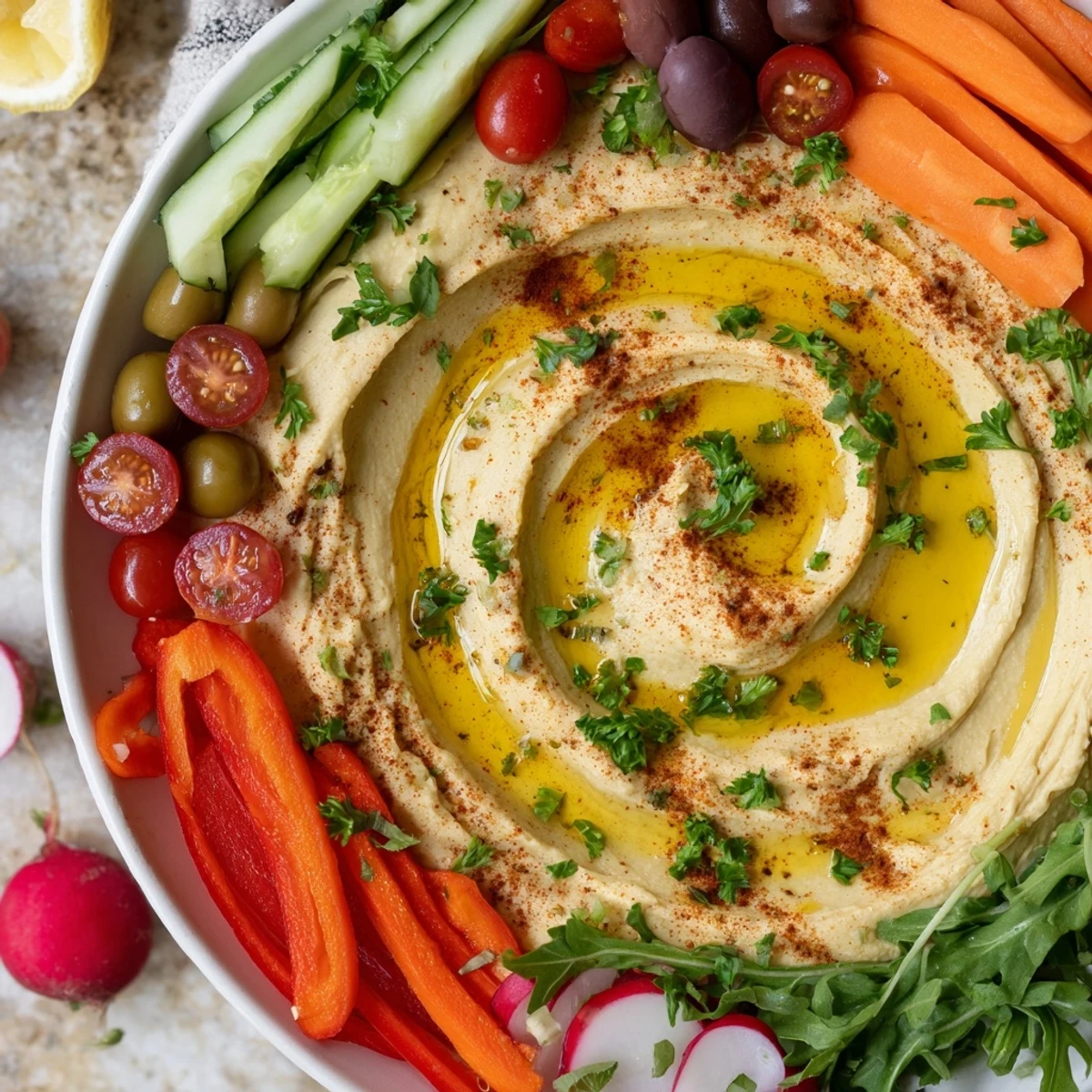
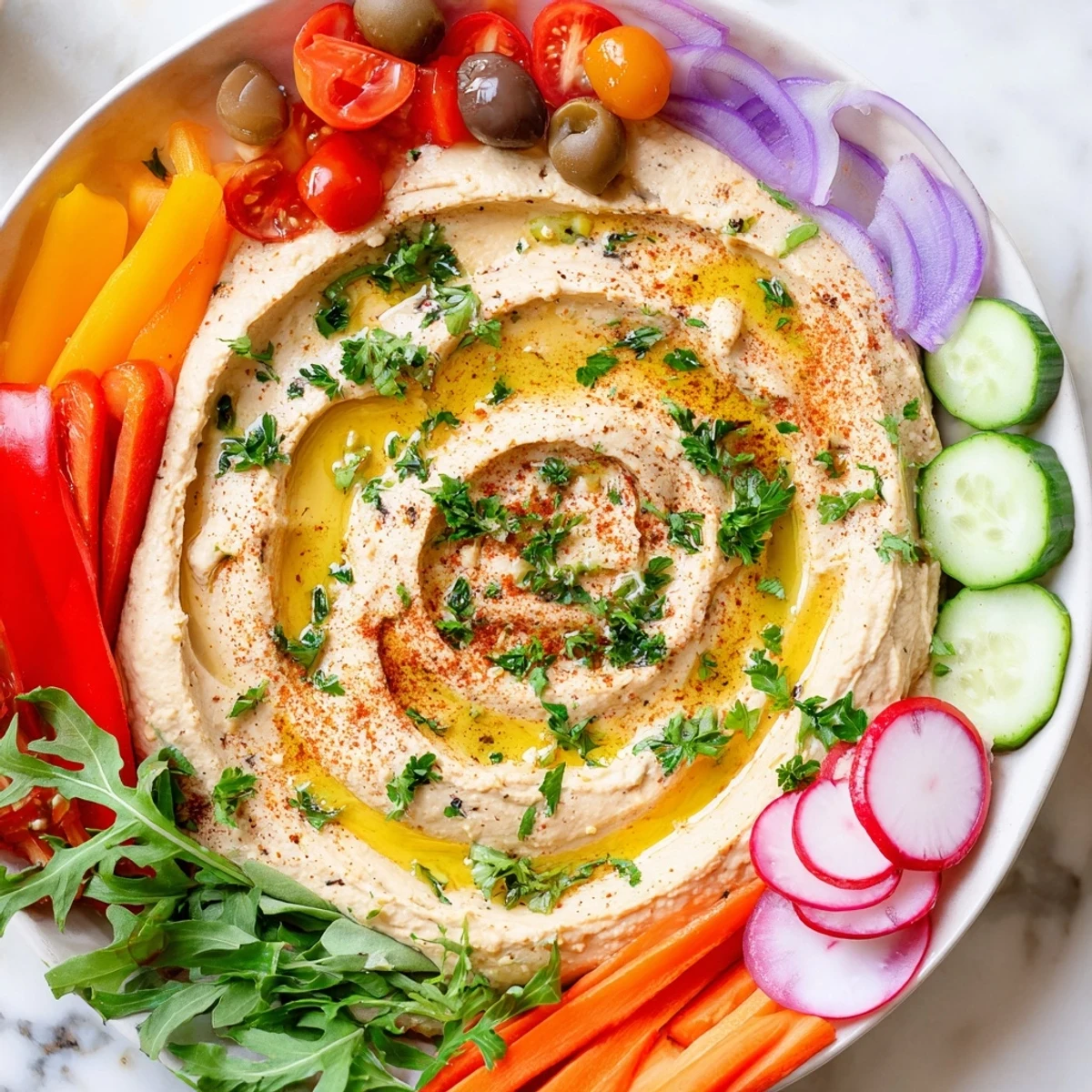
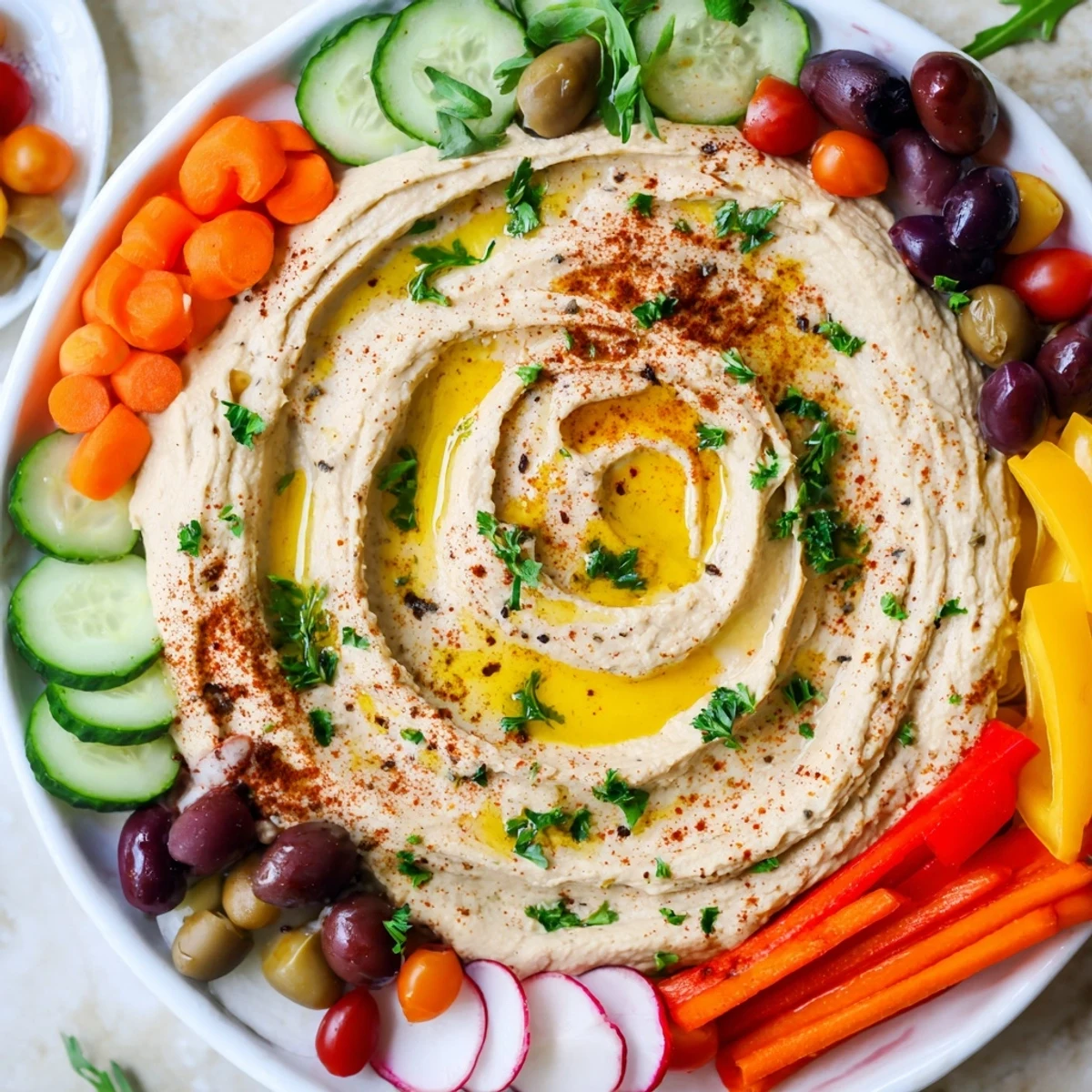
 This vibrant Mediterranean platter centers around velvety-smooth homemade hummus, enriched with tahini, garlic, and a hint of cumin. The creamy spread gets swirled onto a serving board and drizzled with olive oil, smoked paprika, and fresh parsley for an irresistible presentation.
Surrounding the hummus is a colorful array of crisp vegetables—cherry tomatoes, cucumber slices, carrot sticks, bell pepper strips, and radishes—providing satisfying crunch and fresh flavors. Kalamata olives, marinated artichoke hearts, and optional crumbled feta add briny, tangy notes that transport you straight to the Mediterranean coast.
The entire platter comes together in just 20 minutes with no cooking required. Simply blend the hummus until silky-smooth, arrange your vegetables and accompaniments, and serve. It's an ideal make-ahead option for gatherings—prepare everything in advance and assemble just before guests arrive. Pair with warm pita wedges and your favorite crisp white wine for the ultimate sharing experience.
My friend Lena taught me how to make hummus during a sweltering July afternoon in her tiny Brooklyn apartment, with windows thrown open to catch any breeze and a fan whirring in the corner. We'd just returned from the farmers market with bags bursting with vegetables, and she insisted that hummus was the perfect anchor for everything. The smell of garlic hitting the tahini in her food processor is something I can still conjure up instantly—it transforms from sharp to mellow and impossibly creamy in seconds.
Last summer, I brought this platter to a rooftop potluck and watched it disappear in under fifteen minutes. What struck me was how people naturally gravitated toward the arrangement—someone reached for a carrot stick, another grabbed a pita wedge, and suddenly everyone was crowded around the platter, dipping and talking. Theres something about the abundance of colors and textures that makes people linger.
Ingredients
- Chickpeas: Ive learned that draining and rinsing thoroughly removes that metallic canned taste and gives you a smoother final texture
- Tahini: Give your jar a serious stir before measuring, as the solids settle to the bottom and you want that creamy consistency throughout
- Extra virgin olive oil: The good stuff really matters here since youre tasting it raw in the hummus and drizzling it over the top
- Freshly squeezed lemon juice: Bottled juice simply doesnt have the bright acidic punch that cuts through the tahini richness
- Garlic: One small clove is plenty unless you absolutely love garlic—raw garlic gets potent fast once it sits
- Ground cumin: This earthy note is what makes hummus taste like hummus instead of just bean dip
- Cold water: The secret trick that transforms grainy hummus into something impossibly smooth and airy
- Cherry tomatoes: Choose ones that feel heavy for their size and avoid any with wrinkled skin
- Cucumber: English cucumbers work beautifully here since they have thinner skin and fewer seeds
- Carrot sticks: Cut them on the diagonal for longer, more elegant pieces that are easier to dip
- Red bell pepper: The sweetness balances the savory hummus perfectly and adds that gorgeous pop of color
- Radishes: Their slight peppery bite cuts through the creamy tahini in the best way
- Baby spinach or arugula: These sturdy greens hold up better than delicate lettuce and people love scooping them up with hummus
- Kalamata olives: Their briny richness adds a salty counterpoint to all the fresh vegetables
- Marinated artichoke hearts: The oil from the jar is incredible drizzled over the platter at the end
- Feta cheese: Sprinkle this in small clusters so guests who avoid dairy can easily navigate around it
- Pita bread: Warming the pita for thirty seconds in a dry skillet makes all the difference in texture
- Smoked paprika or sumac: This final dusting adds an earthy smokiness or tangy brightness that wakes up the whole platter
- Fresh parsley: Chop it right before serving so it doesnt wilt or turn dark
Instructions
- Blend your base:
- Drop the chickpeas, tahini, olive oil, lemon juice, garlic, cumin, and salt into your food processor and let it run for a full minute. Scrape down the sides and drizzle in the cold water while its running, watching the texture transform from thick to wonderfully creamy. Taste and add more salt or lemon if it needs a little something—hummus should be bright and balanced.
- Create your canvas:
- Spoon the hummus onto a large platter and use the back of a spoon to make generous swooshes and valleys in the surface. These little dips are perfect for catching olive oil and spices, plus they look stunning. Drizzle with good olive oil and shower with smoked paprika or sumac and most of the parsley.
- Arrange the rainbow:
- Working your way around the hummus, cluster the vegetables in little groups rather than mixing them together. I like to put red bell peppers opposite the cherry tomatoes for visual balance, and tuck the radishes near the olives since their flavors play well together. Let some vegetables overlap slightly—it should look abundant and generous.
- Add the Mediterranean touches:
- Scatter the Kalamata olives in one section and the artichoke hearts in another, keeping them somewhat contained so people can choose what they want. If youre using feta, crumble it into small piles across the platter rather than sprinkling it everywhere. Tuck the remaining fresh parsley into any bare spots.
- Finish with bread:
- Arrange the pita wedges around the perimeter of the platter or on a separate board if you prefer. Serve immediately and watch how quickly people gather round.
 Save to Pinterest
 My sister called me last month absolutely breathless because shed made this platter for her book club and the conversation barely touched the books. Sometimes the best gatherings happen around food that invites participation, where everyone reaches and dips and passes things around. Thats the real gift of this platter—it breaks the ice without you trying.
Make It Your Own
Once you master the basic hummus, the variations are endless. Roasted red peppers blended into the base create a stunning orange dip, while fresh herbs like cilantro or dill transform it completely. Sometimes I add a tablespoon of zaatar directly into the hummus for an herbaceous, tangy version.
The Art of Arrangement
I used to overthink the platter arrangement until I realized the key is simply grouping by color and texture. Think of it as painting with vegetables—cluster the bright reds together, let the greens cascade, and dont be afraid to leave the hummus partially exposed. The most beautiful platters feel abundant rather than perfectly manicured.
Vegetable Prep Secrets
Cut your vegetables into pieces that are substantial enough to hold up to dipping but not so large they feel unwieldy. A carrot stick should be about the length of your thumb and thickness of your pinky finger. Cherry tomatoes are perfect whole or halved depending on their size, but avoid cutting them too small or theyll become soggy.
- Soak your sliced radishes in ice water for 15 minutes to make them extra crisp and remove any bitterness
- Cut vegetables at an angle whenever possible—it increases surface area for dipping and looks more elegant
- Save any delicate vegetables like fresh herbs for the final arrangement so they dont wilt under the weight of heartier veggies
 Save to Pinterest
 Theres something profoundly satisfying about setting down a platter this generous and watching faces light up. Food this simple and beautiful has a way of bringing people together effortlessly.
Recipe Questions & Answers
- → Can I make the hummus ahead of time?
-
Absolutely. Homemade hummus actually tastes better after the flavors have time to meld. Prepare it up to 3 days in advance and store in an airtight container in the refrigerator. When ready to serve, bring to room temperature and give it a quick stir—you may need to add a splash of water or olive oil to restore the creamy texture.
- → What vegetables work best for this platter?
-
The beauty of this platter is its versatility. Classic Mediterranean options like cucumber, cherry tomatoes, bell peppers, and carrots are always crowd-pleasers. You can also add radishes for crunch, baby spinach or arugula for peppery greens, or seasonal vegetables like blanched green beans, steamed broccoli florets, or raw zucchini rounds. Choose vegetables that hold their shape when dipped and offer a variety of colors.
- → How do I make the hummus extra creamy?
-
The secret to silky-smooth hummus is patience. Blend your chickpeas longer than you think necessary—about 4-5 minutes—to break down the skins and achieve a velvety texture. Adding cold water one tablespoon at a time helps thin the mixture while maintaining creaminess. Another pro tip: briefly microwave your chickpeas with the baking soda removed before blending, which softens them significantly. Finally, plenty of tahini and high-quality olive oil are essential for that luxurious mouthfeel.
- → Is this platter suitable for dietary restrictions?
-
Yes, this platter is naturally vegan and gluten-free with simple adjustments. The base hummus contains no animal products. Simply omit the feta cheese to keep it entirely plant-based. For gluten-free guests, serve with gluten-free pita bread or skip the bread altogether—the vegetables and olives provide plenty of dipping options. Always check that your packaged ingredients like tahini and olives are certified gluten-free if cross-contamination is a concern.
- → What can I use instead of tahini?
-
Tahini is traditional and provides that signature nutty, slightly bitter flavor, but you can substitute with other nut or seed butters. Almond butter or sunflower seed butter work surprisingly well in hummus, though they'll slightly alter the flavor profile. For a tahini-free version that still tastes Mediterranean, increase the olive oil and add a touch of toasted sesame oil. Cashew butter creates an incredibly creamy result, though the flavor will be milder and sweeter than traditional tahini-based hummus.
- → How long can the assembled platter sit out?
-
For food safety, serve the platter within 2 hours of assembly if kept at room temperature. The hummus and vegetables are best enjoyed fresh and crisp. If you're hosting a longer gathering, consider setting out smaller portions and replenishing from the refrigerator as needed. Any leftover vegetables can be stored in the refrigerator for 2-3 days, though they may lose some crispness. The hummus keeps well for up to a week when refrigerated properly.