
 Save to Pinterest
 Season chicken breasts with smoked paprika, oregano, salt and pepper. Toss sliced red and yellow peppers, onion and garlic in olive oil, spread in an oven-safe skillet, and place chicken on top. Roast at 400°F (200°C) for 20–25 minutes until 165°F (74°C). Rest 3–5 minutes, garnish with parsley and lemon. Swap thighs, add zucchini or a splash of wine for variation; serve with grains or bread.
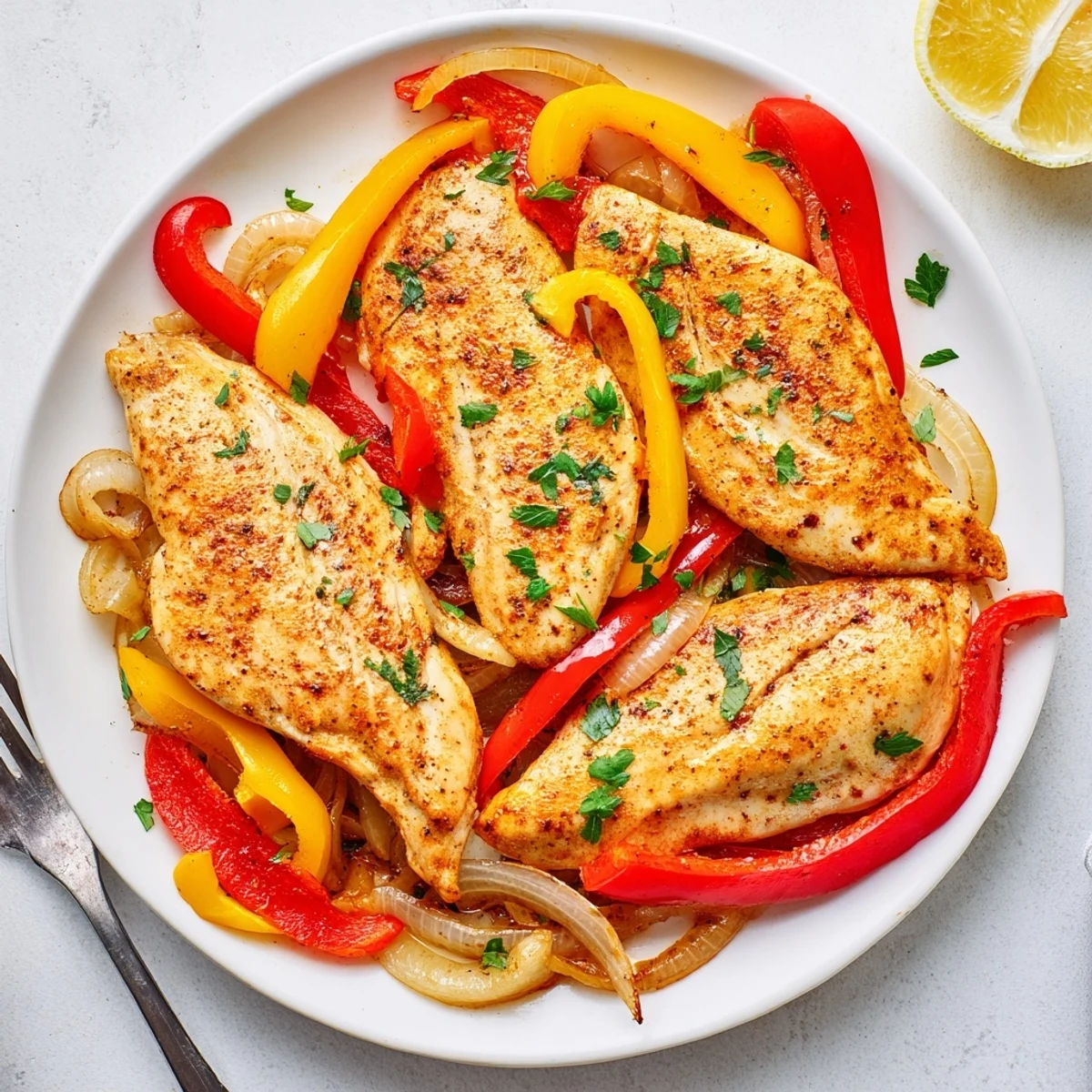
The sizzle of chicken hitting a hot skillet on a Tuesday evening is one of those sounds that instantly makes a kitchen feel alive. I started making this one pan chicken and peppers during a particularly chaotic summer when the last thing I wanted was a sink full of dishes. The bright strips of red and yellow pepper against golden seared chicken looked almost too cheerful to eat, but we managed. Now it shows up on my meal plan at least twice a month, a reliable little workhorse that never asks for much but always delivers.
My neighbor Carla once knocked on my door to borrow eggs and ended up staying for dinner because she could smell the peppers roasting through the hallway. We stood in the kitchen eating straight from the skillet with forks, and she declared it the best accidental dinner party she had ever attended.
Ingredients
- Boneless, skinless chicken breasts (4, about 1.5 lbs): Pat them dry before seasoning so the spices actually stick and you get a better sear on the outside.
- Red and yellow bell peppers (2 of each, large): Slice them into generous strips because they shrink down during roasting and you want them to have real presence on the plate.
- Large onion (1, thinly sliced): The onion melts into everything and creates a sweet base that ties the chicken and peppers together beautifully.
- Garlic (3 cloves, minced): Fresh garlic makes a noticeable difference here, so please skip the jarred version if you can.
- Olive oil (2 tbsp): Split it between the chicken and the vegetables so nothing dries out during roasting.
- Smoked paprika (1 tsp): This is the flavor backbone of the entire dish and worth investing in a good quality tin.
- Dried oregano (1 tsp): It quietly works in the background, adding an earthy warmth that rounds everything out.
- Chili flakes (1/2 tsp, optional): A gentle heat that does not overwhelm but keeps each bite interesting.
- Salt and black pepper (1 tsp and 1/2 tsp): Season confidently because the vegetables need it just as much as the chicken does.
- Fresh parsley (2 tbsp, chopped) and lemon wedges: The parsley adds a flash of green and the lemon squeezes over everything to brighten all those deep roasty flavors at the very end.
Instructions
- Fire up the oven:
- Set your oven to 400 degrees Fahrenheit and let it fully preheat while you prepare everything else so the heat is ready and waiting.
- Season the chicken:
- Pat the chicken breasts dry, then rub them with half the olive oil plus the smoked paprika, oregano, salt, and pepper, making sure to get the spices underneath and on every surface.
- Prep the vegetable bed:
- Toss the sliced peppers, onion, and garlic with the remaining olive oil, a pinch of salt, and the chili flakes in your oven safe skillet, then spread them into an even layer so they roast properly instead of steaming.
- Nestle the chicken on top:
- Lay the seasoned breasts directly over the vegetables, letting the juices drip down and flavor everything underneath as they cook.
- Roast until golden:
- Slide the whole pan into the oven for 20 to 25 minutes, until the chicken hits an internal temperature of 165 degrees Fahrenheit and the peppers have softened with lightly charred edges.
- Rest and finish:
- Let everything sit for 3 to 5 minutes so the chicken juices settle, then scatter fresh parsley over the top and serve with lemon wedges pressed alongside.
 Save to Pinterest
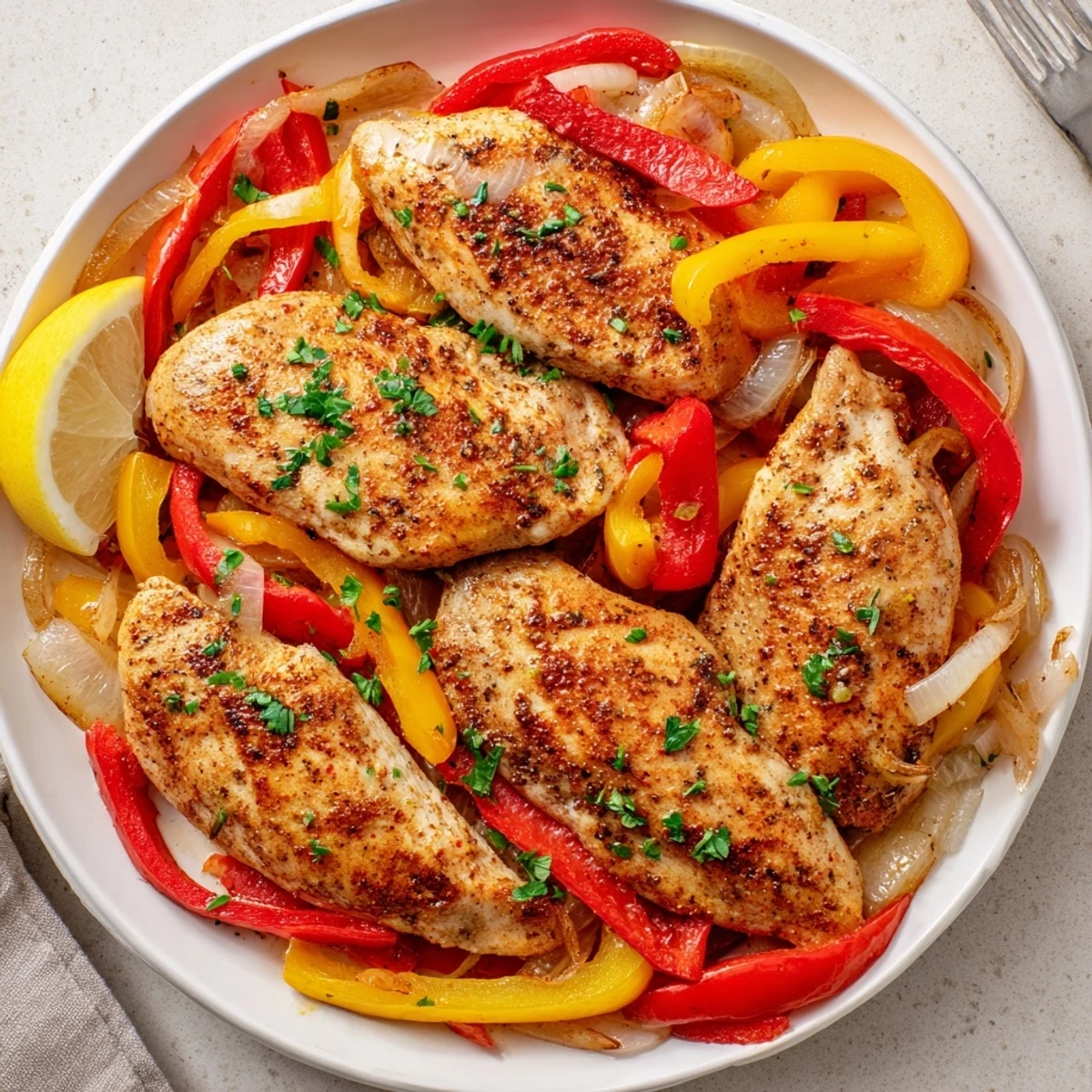
 There is something deeply satisfying about pulling an entire dinner out of one pan, the chicken resting on top of those jewel toned peppers, steam curling up and filling the room with the smell of paprika and garlic. It is the kind of meal that makes you feel capable and resourceful, like you cracked some unspoken code of weeknight cooking.
What to Serve Alongside
This dish plays nicely with a mound of buttered rice, some roasted baby potatoes, or a chunk of crusty bread for soaking up the pan juices. I have also served it over a bed of arugula when I wanted to pretend I was being extra virtuous, and honestly it worked beautifully.
Making It Your Own
Throw in halved cherry tomatoes, sliced zucchini, or a handful of mushrooms during the last ten minutes of roasting if you want to bulk it out with even more vegetables. Switching to boneless chicken thighs is also a fantastic move if you prefer darker meat that stays incredibly juicy no matter what.
Getting Ahead and Storing Leftovers
You can slice all the vegetables and season the chicken the night before, storing them separately in the fridge so that dinner comes together in under ten minutes of active time when you get home. Leftovers keep well in an airtight container for up to three days and reheat gently in a skillet without losing much texture.
- The flavors actually deepen overnight, making this an excellent candidate for next day lunches.
- Avoid microwaving the chicken on high power because it will toughen the exterior before the inside is warm.
- Always check your spice blends for hidden additives if you have any food sensitivities or are cooking for someone who does.
 Save to Pinterest
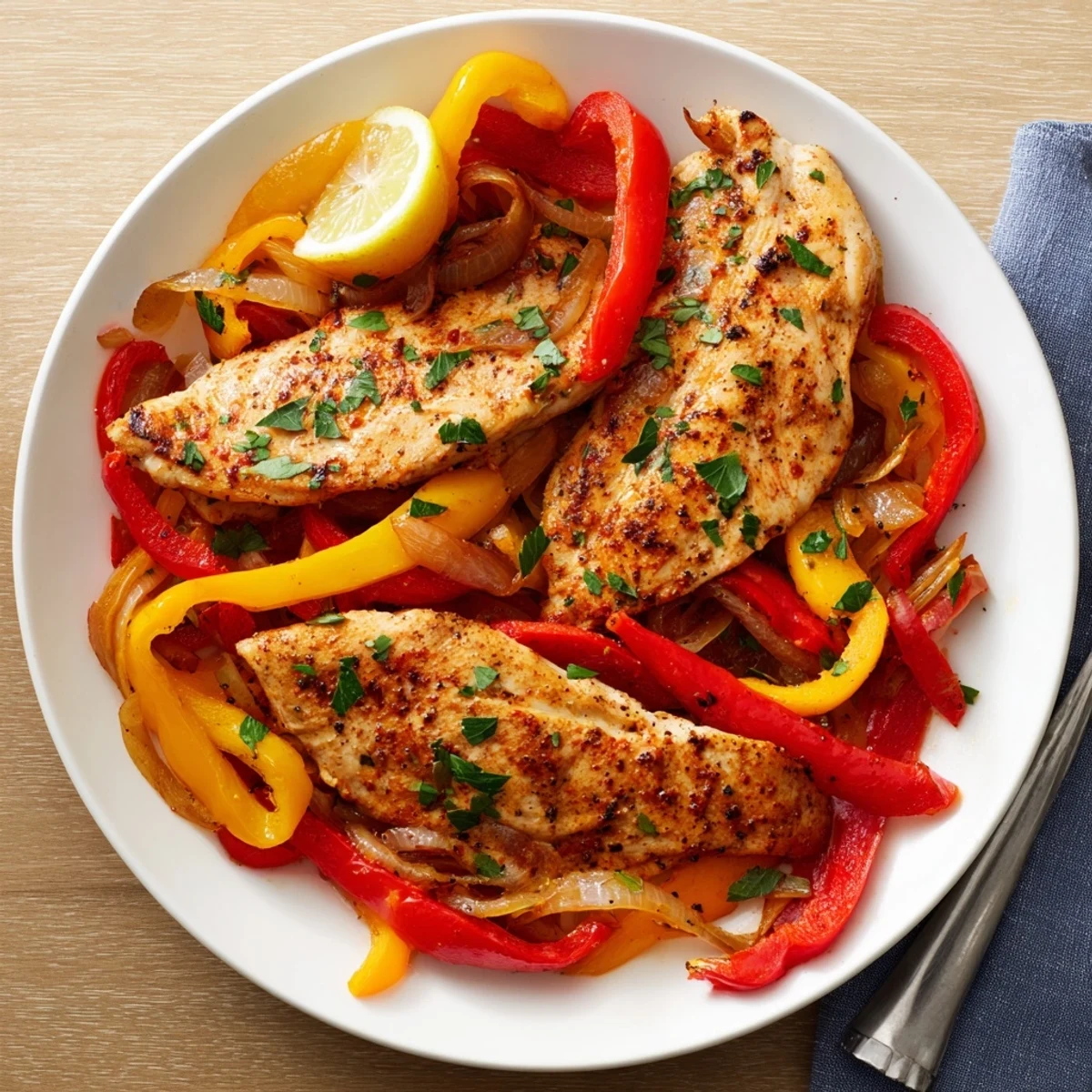
 Some recipes earn their place in your rotation not because they are flashy or complicated, but because they show up when you need them and never let you down. This is that recipe, and I hope it becomes your Tuesday night friend too.
Recipe Questions & Answers
- → How do I check chicken is cooked through?
-
Use an instant-read thermometer inserted into the thickest part; 165°F (74°C) is safe. Juices should run clear and the meat should feel firm but not dry. Let it rest a few minutes to redistribute juices.
- → Can I use chicken thighs instead of breasts?
-
Yes. Bone-in thighs may need a few extra minutes (25–30) and will stay juicier. Boneless thighs cook similarly to breasts but check internal temperature for doneness.
- → Do I need an oven-safe skillet?
-
An oven-safe skillet is convenient for roasting and finishing under heat, but a baking dish works fine. If using a nonstick pan, transfer ingredients to a baking dish to avoid damage at high temperature.
- → How can I add more vegetables without overcooking some?
-
Add dense vegetables like potatoes in small pieces or parboil them first so they finish with the chicken. Softer items like zucchini or cherry tomatoes are best added halfway through or during the last 10 minutes to avoid turning mushy.
- → How do I boost flavor or make it spicier?
-
Increase smoked paprika, add chili flakes or a pinch of cayenne for heat, or deglaze the pan with a splash of white wine or chicken broth before roasting. Fresh lemon and parsley brighten the finished dish.
- → What’s the best way to store and reheat leftovers?
-
Refrigerate cooled portions in an airtight container for up to 3 days. Reheat gently in a 350°F (175°C) oven until warmed through or briefly in a skillet to preserve texture. Avoid high microwave heat to prevent dry chicken.