
 Save to Pinterest
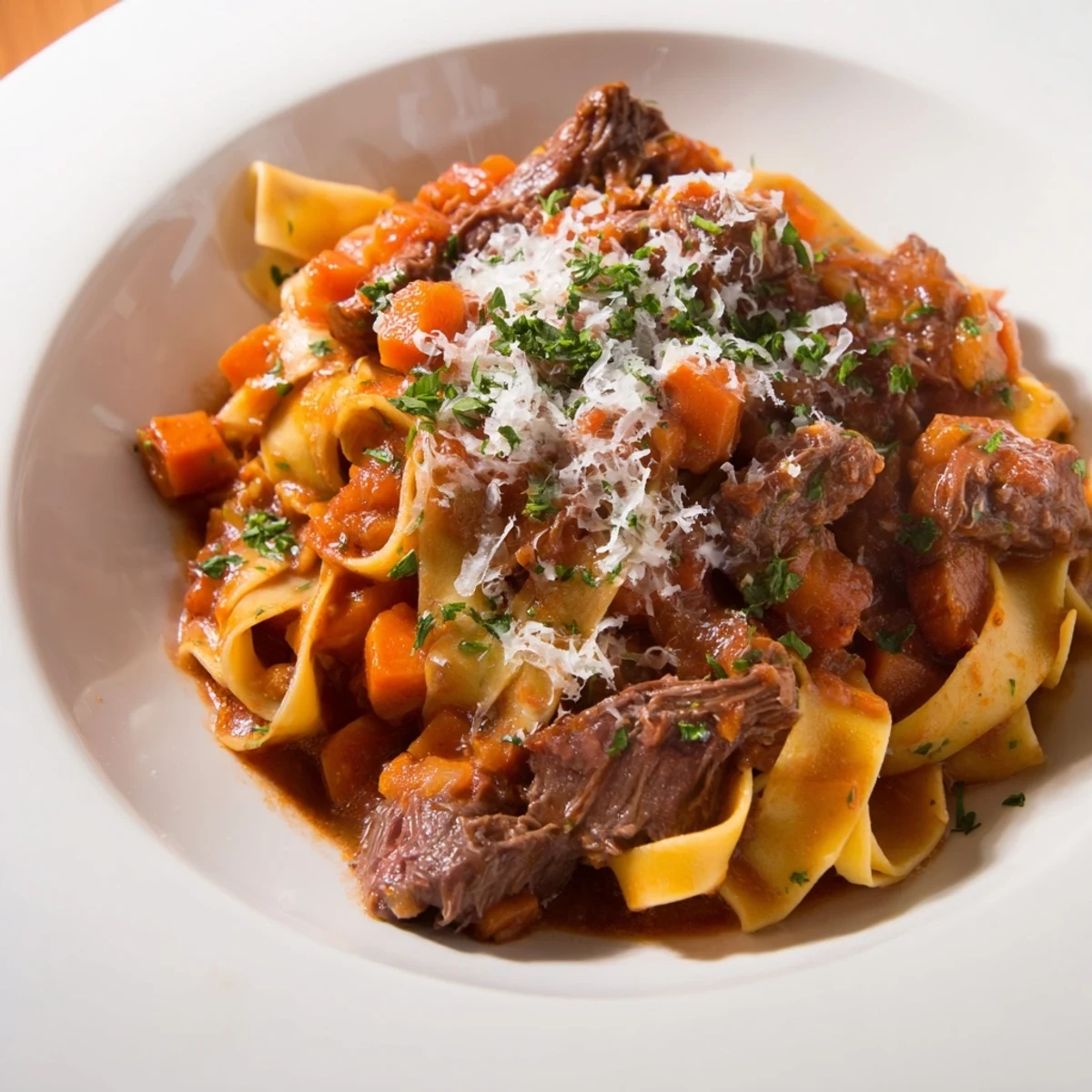
 This slow simmered beef dish features chunks of tender chuck cooked with aromatic vegetables, garlic, and herbs in a savory tomato base. The sauce is enriched with red wine and beef stock, then slowly cooked for hours until thick and flavorful. Served over silky pappardelle pasta and garnished with fresh herbs and Parmigiano-Reggiano, it delivers a comforting and classic Italian main course perfect for generous servings.
Years ago, I spent a cold November evening at my grandmother's kitchen in Bologna, watching her tend a pot of beef ragu that had been simmering since afternoon. The kitchen filled with such a warm, inviting aroma that my cousins kept peeking in, waiting for dinner. That night, I understood that this dish is more than sustenance—it's a quiet expression of love and patience, the kind of meal that makes people linger at the table long after they've finished eating.
I made this ragu for my partner on our first Christmas together, and as we twirled the pappardelle on our forks, I saw how the simple act of cooking something slowly and carefully could say all the things I wasn't quite ready to say yet. Now, whenever life gets hectic, we return to this dish as a kind of ritual—a reminder to slow down and savor the moment.
Ingredients
- Beef chuck (2 lbs, cut into 2-inch pieces): This is your foundation. Chuck has just the right amount of marbling—fat that becomes gelatin as it cooks, giving the sauce its silky texture. Don't be tempted by leaner cuts; they'll turn tough and stringy.
- Olive oil (2 tbsp): Use your good oil here. The flavor matters more than you'd think in those first moments of searing.
- Yellow onion, carrots, celery (the soffritto): This holy trio builds the soul of the dish. Chop them finely so they dissolve into the sauce, creating depth without texture.
- Garlic cloves (4, minced): Add it after the soffritto softens, or it'll turn bitter and ruin everything you've worked for.
- Dry red wine (1 cup): Something you'd drink, not something you'd hide. The wine adds acidity and complexity that brightens the heavy beef.
- Crushed tomatoes (28 oz can): San Marzano if you can find them—they have fewer seeds and a natural sweetness that makes a difference.
- Tomato paste (2 tbsp): This concentrate is your secret weapon for depth. Toast it for a minute before deglazing; it transforms from raw to rich.
- Beef stock (1 cup): Homemade is better, but good quality store-bought works. This is not the place to skimp.
- Dried oregano and thyme (2 tsp and 1 tsp): Dried herbs are perfect here—they infuse the long braise without wilting away like fresh herbs would.
- Bay leaves (2): They'll sit quietly in the pot, whispering their subtle anise notes into every spoonful. Don't forget to fish them out before serving.
- Salt, pepper, and red pepper flakes: Start conservative with salt; you can always add more as the sauce reduces, but you can't take it back.
- Pappardelle pasta (1 lb): Those wide ribbons catch the sauce beautifully. If you can't find pappardelle, tagliatelle or fettuccine work, though something about the width of pappardelle feels right.
- Parmigiano-Reggiano cheese: Grate it fresh. It melts into the warm pasta and sauce, becoming part of the whole rather than sitting on top like an afterthought.
- Fresh basil or parsley: This brightness at the end cuts through the richness. It's the final note that makes people ask for seconds.
Instructions
- Season and sear your beef:
- Pat your beef pieces dry with paper towels—this matters more than you'd think. Wet meat steams instead of browning. Generously season with salt and pepper, then let them sit for a minute so the seasoning sticks. You want a good golden crust on each piece, which means resisting the urge to crowd the pot. Work in batches. Listen for that satisfying sizzle when meat hits hot oil; that sound is the Maillard reaction happening, building the deep flavors that will define your ragu.
- Build your flavor base:
- In the same pot where you seared the beef, the fond—those gorgeous browned bits stuck to the bottom—is liquid gold. Your soffritto (onion, carrots, celery) will lift those flavors into the pan. Sauté slowly for six to eight minutes, until the vegetables soften and become translucent. Add your garlic and let it bloom for just one minute. You want to smell it clearly in the kitchen, but not let it turn bitter.
- Create a rich paste:
- Stir in your tomato paste and let it sit in the hot pan for two minutes. Watch it darken slightly—this toasting deepens the flavor from one-note tomato into something more complex and savory. Then pour in your red wine. You'll hear it sizzle and see it steam. Use your wooden spoon to scrape up every bit of fond from the bottom of the pot. That red wine is cutting through the richness, carrying those browned flavors throughout the sauce. Simmer it down for two to three minutes until it's reduced by about half and smells less sharp, more integrated.
- Return the beef and begin the long braise:
- Add your beef back into the pot along with the crushed tomatoes, beef stock, herbs, and red pepper flakes if you like heat. Stir everything together—every piece of beef should be surrounded by liquid. Bring it to a gentle simmer, then cover and lower your heat to the minimum setting. This is the heart of the recipe. For three hours, the beef will slowly, quietly transform. Stir it occasionally, maybe every forty-five minutes or so. You're not doing much—just checking in, making sure nothing's sticking, distributing the heat evenly. This is the kind of cooking that allows you to live your life while dinner cooks.
- Tend and taste:
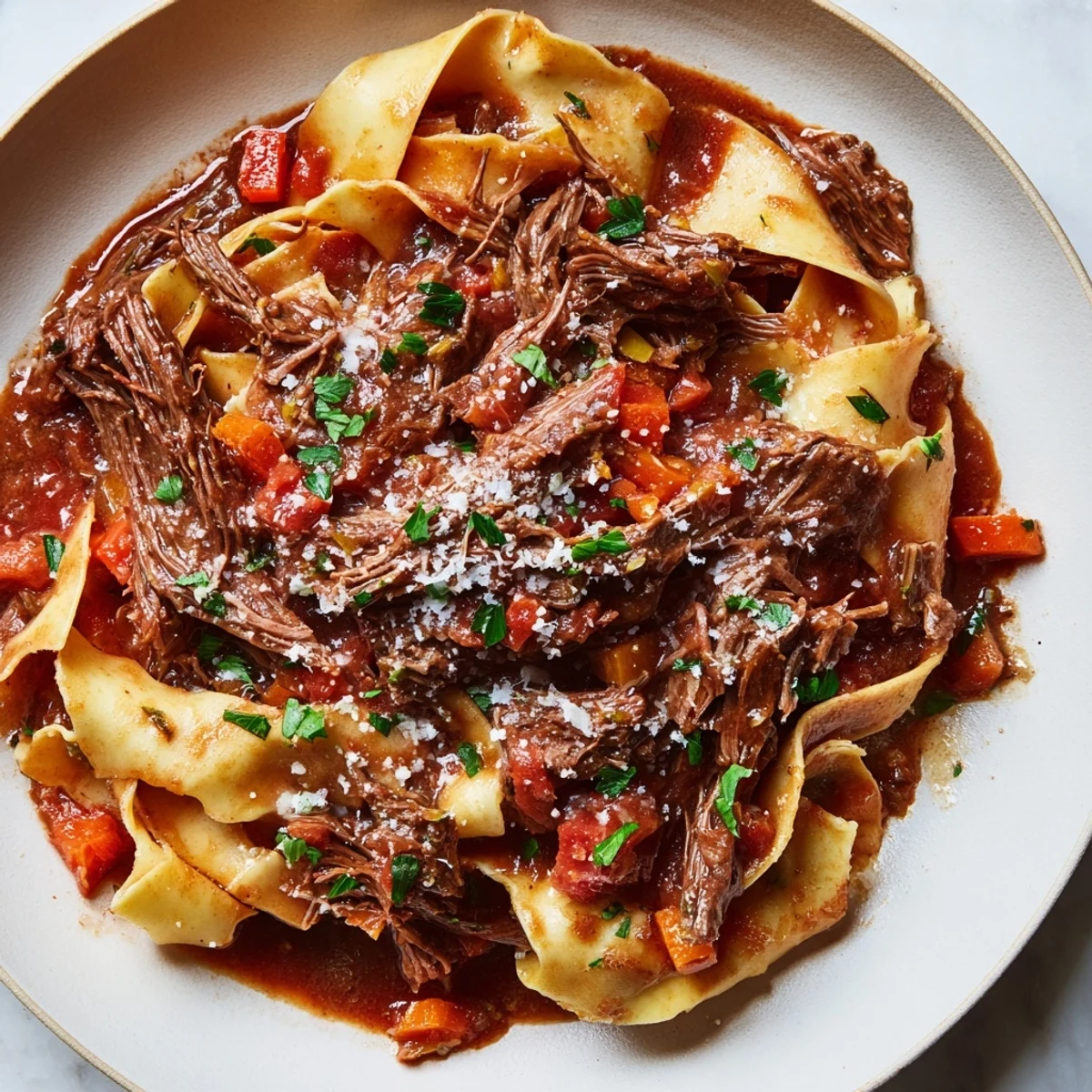
- After three hours, the beef should shred easily with a fork. The sauce should be noticeably thickened, less watery than when you started. If there's excess fat floating on top, skim it off with a spoon or let it sit overnight in the refrigerator so the fat solidifies and lifts off cleanly. Remove the bay leaves. Using two forks, gently shred the beef directly into the sauce—you'll feel the meat surrender to the tines. Taste. Is it balanced? Add salt if you need it. A pinch of pepper. Let it simmer uncovered for another ten to fifteen minutes if the sauce still seems too thin.
- Cook and toss your pasta:
- Bring a large pot of salted water to a rolling boil—the water should taste like the sea. Add pappardelle and stir to prevent sticking. Fresh pappardelle might cook in three minutes; dried might take eight. Taste it. You want tender but with just the slightest resistance when you bite it—what the Italians call al dente. Reserve about half a cup of the starchy pasta water before draining. This liquid gold helps marry the pasta and ragu together, loosening the sauce to coat every strand.
- Bring it all together:
- Add your drained pasta directly to the pot of ragu. Using tongs, gently toss everything together. The heat of the ragu will warm the pasta further, and the starch in that pasta water you reserved will help create a silky coating on every strand. Add a splash of pasta water if it seems too thick. You're looking for a sauce that clings to the pasta without drowning it. Taste one more time. A crack of black pepper? A pinch more salt? This is your moment to make it perfect.
- Plate and celebrate:
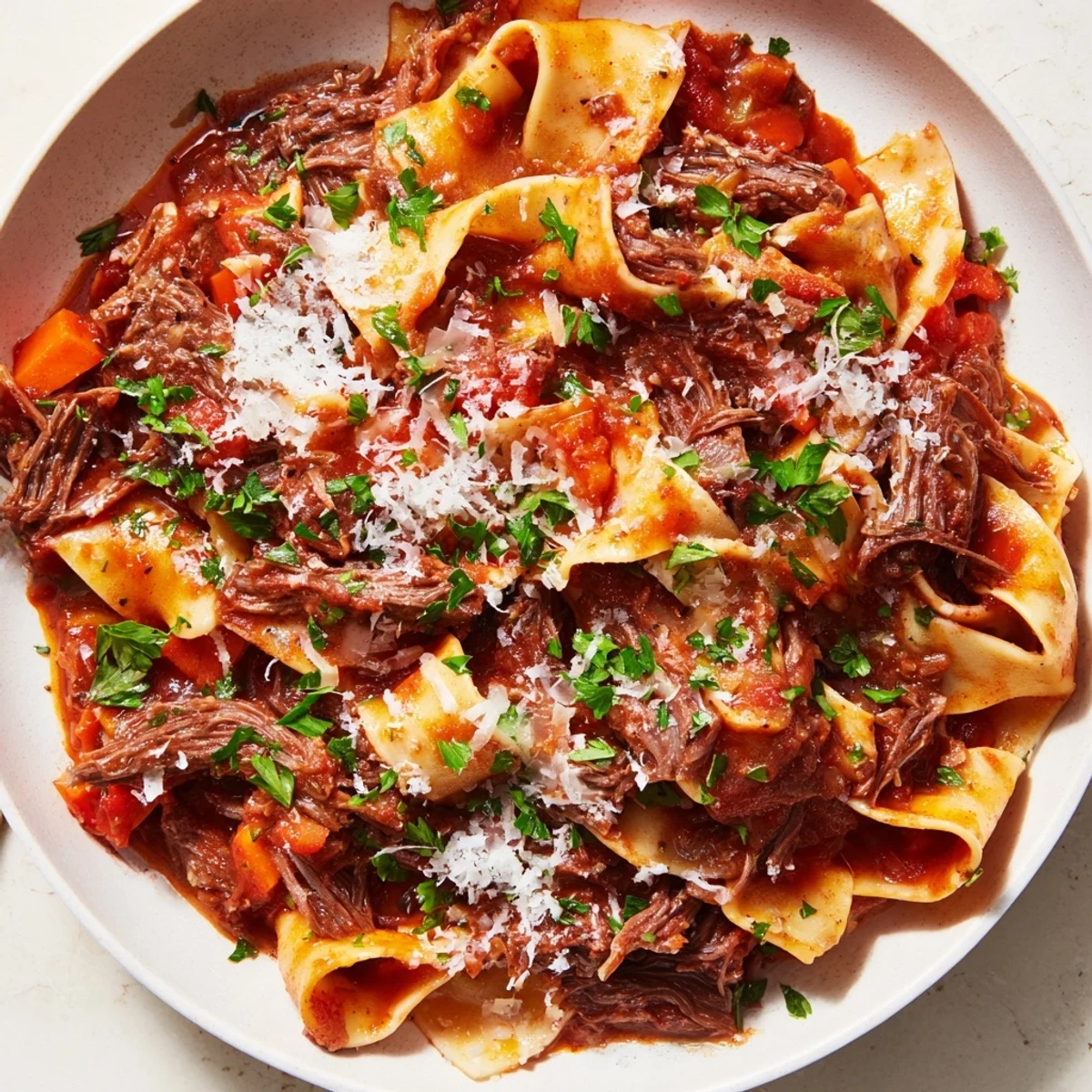
- Divide the pasta and ragu among bowls. A generous handful of freshly grated Parmigiano-Reggiano, a scatter of fresh herbs, maybe a crack of black pepper. The cheese will melt into the warmth. That's when you know it's ready—when those final garnishes become part of the whole, not just decoration.
 Save to Pinterest
 My neighbor once told me she could smell my ragu cooking from her house two doors down, and she brought over a bottle of wine and we ended up eating together at my kitchen table until nearly midnight. That's when I realized this dish does something beyond nourishing the body—it creates moments where time slows down and people become more present, more connected.
The Art of the Soffritto
The Italians call onion, carrot, and celery the holy trinity, and they're right. This combination isn't just about flavor—it's about building a foundation that supports everything else. When you chop these vegetables finely and let them soften slowly in that oil and beef fat, they're not just cooking; they're melting into the sauce, becoming invisible but essential. They add body, sweetness, and a gentle earthiness that makes people say the sauce tastes like it's been cooking all day, even if it's only been an hour.
Wine, Acidity, and Balance
One of the most important lessons I learned came from an old Italian chef who told me that tomato alone can taste flat and one-dimensional. You need something to cut through the richness, to keep your palate interested. That's what the red wine does. It brings acidity and a subtle grape flavor that brightens the sauce. The alcohol burns off during cooking, but the flavor remains, making the dish taste more alive, more complex. This is true for many long-cooked sauces—that brightness at the end makes everything else shine more vividly.
Serving and Storing Your Ragu
This ragu actually improves over a day or two in the refrigerator as the flavors continue to meld and deepen. Make it ahead. Refrigerate it. Reheat it gently with a splash of water or stock if it seems thick. Freeze it for up to two months—in fact, I often make double batches because I know I'll be grateful for it on a busy weeknight.
- Let the sauce cool completely before refrigerating or freezing to preserve the quality and texture
- Reheat gently over low heat, never at a boil, which can break down the beef and make it stringy
- You can serve this ragu over polenta, gnocchi, or even creamy mashed potatoes if you don't have pasta on hand
 Save to Pinterest
 This is the kind of recipe that teaches you patience, that shows you how time and gentle heat can transform toughness into tenderness. Make it on a day when you're home, when you can check in occasionally, when you have time to simply be present with your cooking.
Recipe Questions & Answers
- → What cut of beef is best for slow cooking?
-
Beef chuck is ideal for slow cooking due to its marbling and connective tissue, which break down to create tender, flavorful meat.
- → Can I use other pasta types instead of pappardelle?
-
Yes, wide noodles like tagliatelle or fettuccine work well, as they hold the thick sauce nicely.
- → How long should the sauce simmer for optimal flavor?
-
Simmering on low heat for about three hours allows the beef to become tender and the sauce to thicken richly.
- → Is it necessary to brown the beef before simmering?
-
Browning the beef adds depth of flavor and enhances the richness of the finished sauce.
- → How can I adjust the sauce consistency if it’s too thick or thin?
-
Reserve some pasta cooking water and add gradually to loosen the sauce; if too thin, continue cooking uncovered to reduce it.