
 Save to Pinterest
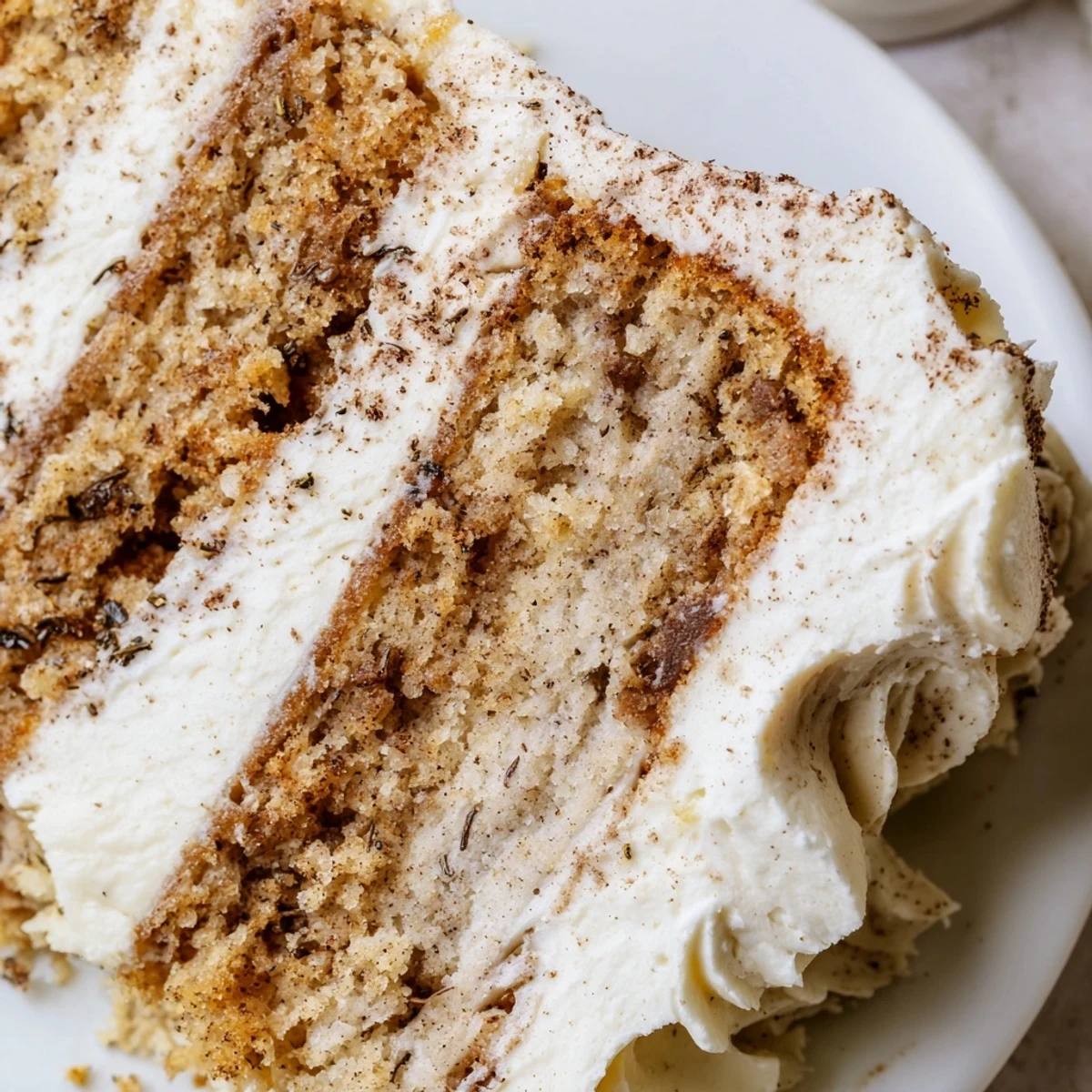
 This moist cake is infused with the warm, aromatic spices of chai—cinnamon, ginger, cardamom, cloves, and nutmeg—blended into a tender batter steeped with chai tea. After baking to a soft crumb, it's layered with a rich and smooth cream cheese frosting flavored with vanilla. The balance of spices and creamy topping creates a comforting treat perfect alongside a cup of tea, showcasing the fusion of Indian-inspired flavors with classic baking.
One November afternoon, I was curled up with a steaming cup of chai when the aroma hit me differently than usual—spiced, warm, impossibly comforting. I wondered what would happen if I could bake that feeling into cake, layer it with something creamy and indulgent. This recipe became my answer, a way to turn those quiet tea moments into something I could share with people I love.
I made this for my sister's book club last winter, and she told me later that people kept asking for the recipe. Watching them close their eyes after that first bite—that's when I knew it wasn't just good, it was the kind of cake that makes people remember where they were when they ate it.
Ingredients
- All-purpose flour (2 cups): The structure that holds everything together; make sure it's fresh and properly measured by spooning and leveling.
- Baking powder and baking soda (1½ tsp and ½ tsp): Work together to give the cake its tender, airy crumb—don't skip the baking soda or the chai flavors will taste flat.
- Salt (½ tsp): A small amount that somehow makes every spice sing and prevents the sweetness from feeling one-dimensional.
- Ground spices (cinnamon, ginger, cardamom, cloves, nutmeg): Buy them whole and grind if possible; pre-ground loses its personality quickly, and these spices are the entire soul of the cake.
- Granulated and brown sugar (1 cup plus ½ cup): The combination of both creates complexity—granulated keeps it light, brown adds depth and moisture.
- Vegetable oil (¾ cup): Oil keeps the cake tender longer than butter alone ever could; it's why this stays soft for days.
- Eggs at room temperature (2 large): Cold eggs won't emulsify properly and you'll end up with a slightly greasy crumb; let them sit out while you prep everything else.
- Vanilla extract (1 tsp): A touch that rounds out the chai spices and makes them feel intentional rather than sharp.
- Chai-infused milk (1 cup): Steep real chai tea bags, not powder, so you get the actual leaves and their subtle complexity infusing into the milk.
- Cream cheese and butter for frosting (8 oz and ½ cup): Both need to be soft and ready to whip; cold frosting gets lumpy and heavy rather than cloud-like.
- Powdered sugar sifted (2½ cups): Sifting removes lumps that would create a grainy texture; it takes two minutes and makes the difference between silky and sandy.
Instructions
- Prepare your pans and preheat:
- Set your oven to 350°F and give it time to fully preheat while you grease two 8-inch round pans and line the bottoms with parchment paper. This prevents sticking and makes removing the layers clean.
- Steep the chai into the milk:
- Heat the milk until it just barely simmers—tiny bubbles around the edges—then add the chai tea bags and let them sit for exactly 10 minutes. The longer they steep, the more bitter it becomes, so set a timer and don't get distracted.
- Combine the dry ingredients:
- Whisk together the flour, baking powder, baking soda, salt, and all those beautiful spices in one bowl. This distributes everything evenly so no bite is spiceless.
- Mix the wet base:
- Beat the two sugars and oil together until they look sandy and combined, then add the eggs one at a time, beating after each one so they fully incorporate. Add vanilla last.
- Alternate wet and dry carefully:
- Start with the dry mixture, then add some chai milk, then more dry, ending with dry—this prevents overmixing, which would make the cake tough and dense. Stir only until you don't see streaks of flour anymore.
- Divide and bake:
- Pour the batter equally into both pans and bake for 30 to 35 minutes, until a toothpick comes out clean or with just a few moist crumbs. The cake will smell incredible about halfway through.
- Cool with patience:
- Let the cakes rest in the pans for 10 minutes—this firms them up enough to turn out without breaking—then flip them onto a wire rack to cool completely. Frosting a warm cake is a disaster.
- Make the frosting:
- Beat the softened cream cheese and butter together until they're completely smooth and pale, then gradually add the sifted powdered sugar so you don't create a cloud of powder. Add vanilla and salt, then beat until it reaches soft peaks.
- Assemble the cake:
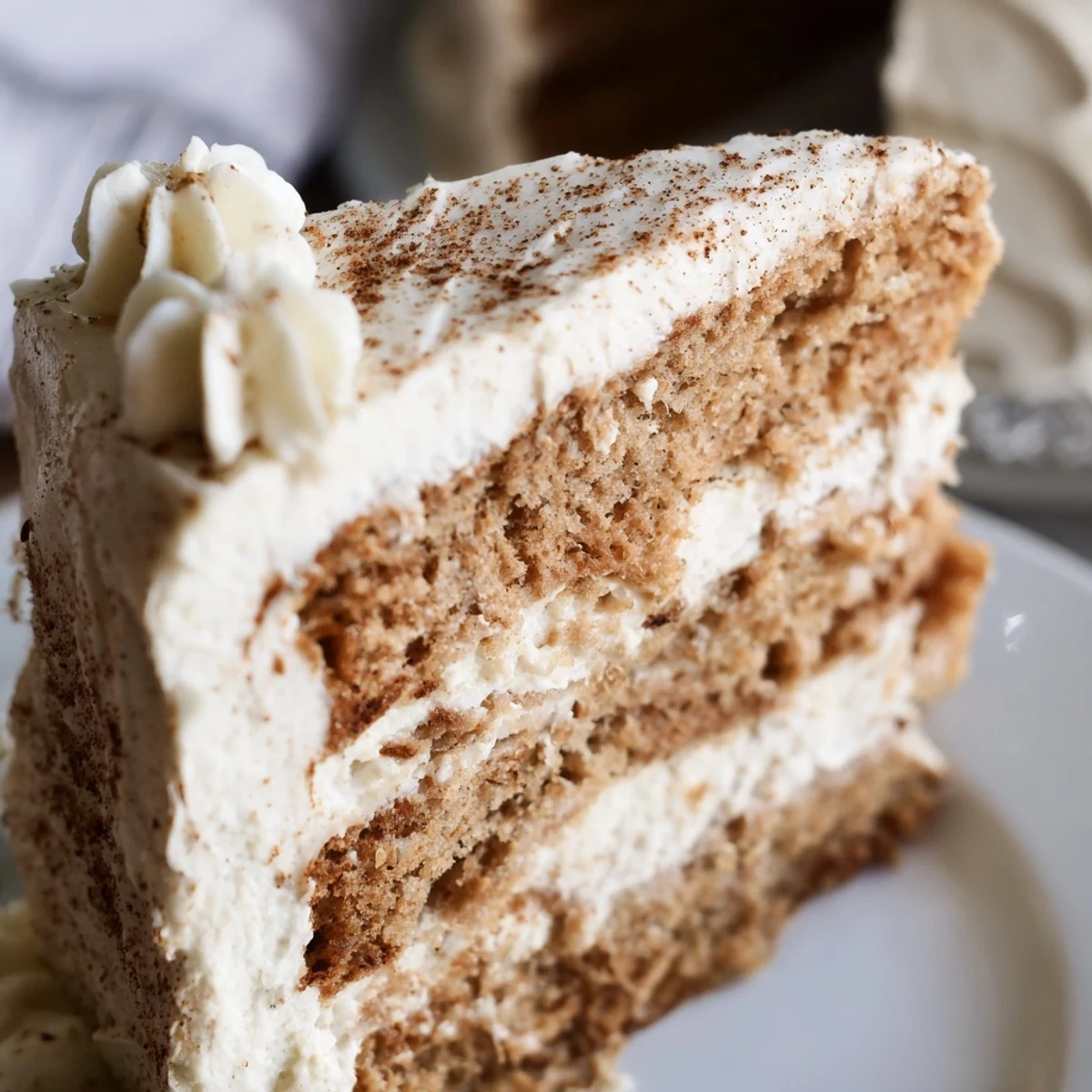
- Place one layer on your serving plate, spread half the frosting on top, then carefully set the second layer on top and cover with the remaining frosting. A small offset spatula makes this elegant, but a regular knife works fine.
- A final touch:
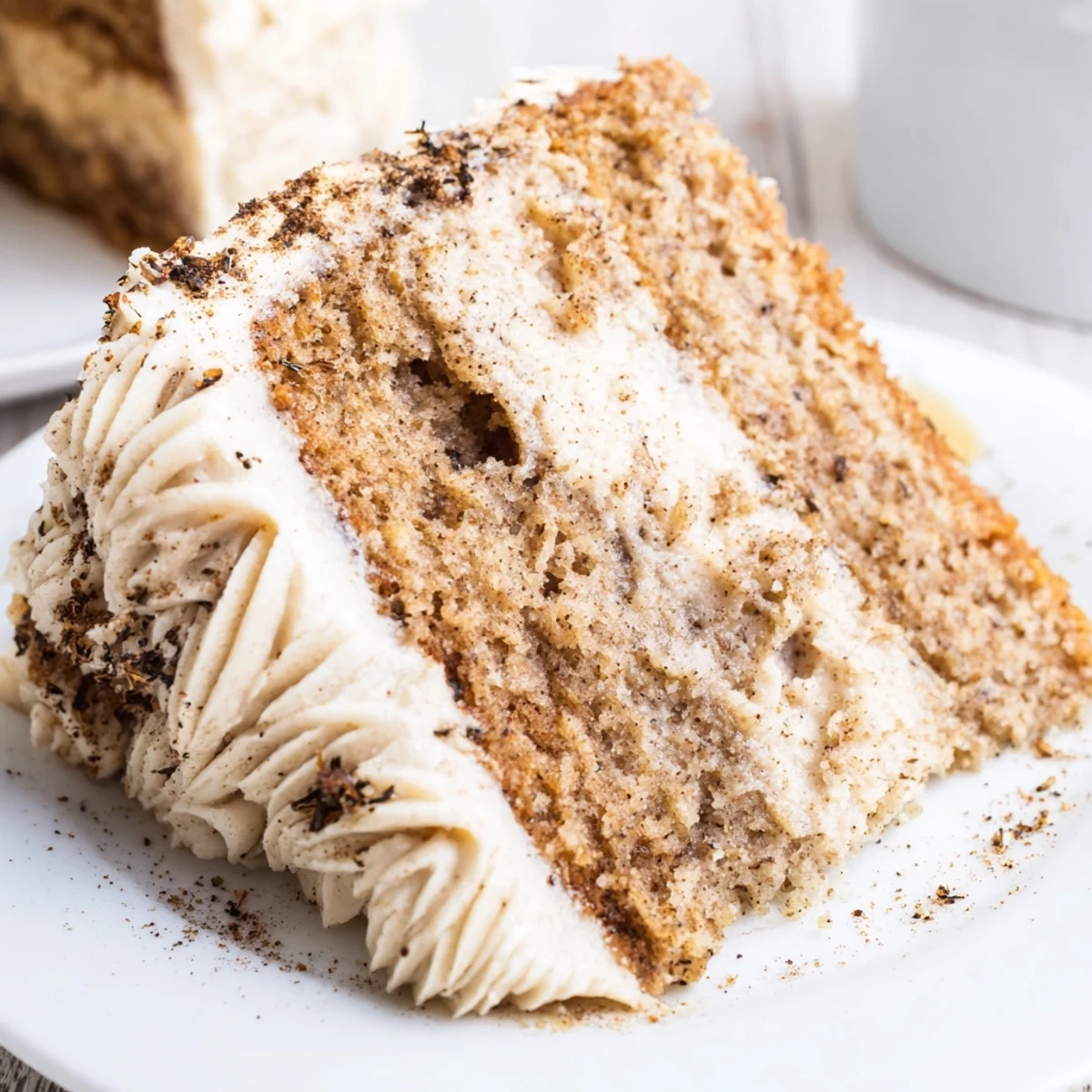
- Sprinkle cinnamon or a few chai tea leaves on top if you want—it's not necessary, but it signals to people what they're about to taste.
 Save to Pinterest
 There's a moment every time I make this when the kitchen fills with that chai spice smell, and someone always stops mid-conversation to ask what it is. That's when I know this cake does what it's meant to do—it brings people into the moment and makes them feel taken care of.
Why the Spices Matter
Chai isn't just one spice—it's a conversation between cinnamon, cardamom, ginger, cloves, and nutmeg, each one playing a different role. Cinnamon gives warmth, cardamom adds something almost floral, ginger brings a gentle bite, and cloves and nutmeg deepen everything into something that feels almost savory. Don't skip any of them, and don't use those tiny grocery store spice bottles that have been sitting for three years.
The Cream Cheese Frosting Secret
The frosting is where restraint matters—you're not making it super sweet or heavy, you're making it a cool, creamy contrast to the warm spiced cake. The pinch of salt is essential; it prevents the frosting from tasting flat and somehow makes the cream cheese flavor more pronounced. If you make it ahead, let it sit at room temperature for 15 minutes before spreading so it's soft enough not to tear the cake layer.
Variations and Storage
This cake keeps for four days covered at room temperature, and actually tastes better on day two when the spices have settled into every crumb. For a dairy-free version, use coconut or oat milk and cashew cream or store-bought dairy-free cream cheese—it works, though the frosting won't be quite as fluffy.
- A tablespoon of honey stirred into the batter adds subtle sweetness without making it cloying.
- If you want to make it ahead, bake the layers and freeze them unfrosted for up to two weeks, then thaw and frost the day you need it.
- This pairs perfectly with black tea, masala chai, or even a simple vanilla latte if you want a softer chai experience.
 Save to Pinterest
 This cake has become my answer to every occasion that needs something warm and comforting—not fancy in a way that intimidates, just deeply satisfying. Bake it for someone you want to make smile.
Recipe Questions & Answers
- → What spices give flavor to the cake?
-
The cake features warm spices including cinnamon, ginger, cardamom, cloves, and nutmeg, which create the signature chai flavor profile.
- → How is the chai flavor incorporated into the cake?
-
Chai tea bags are steeped in simmered milk and then added to the batter, infusing the cake with delicate tea notes.
- → Can I substitute dairy ingredients for a different diet?
-
Yes, plant-based milk and cream cheese alternatives can be used to achieve a dairy-free version while maintaining texture and flavor.
- → What is the purpose of steeping chai in milk before baking?
-
Steeping chai tea in milk extracts aromatic spices and tea flavor, which enriches the cake’s moisture and taste.
- → How should the cream cheese frosting be prepared?
-
Beat softened cream cheese and butter until smooth, then gradually add powdered sugar, vanilla, and salt, beating until light and fluffy.
- → What tools are recommended for making this cake?
-
You'll need round cake pans, mixing bowls, an electric mixer or whisk, a saucepan for steeping tea, and a wire rack for cooling.