
 Save to Pinterest
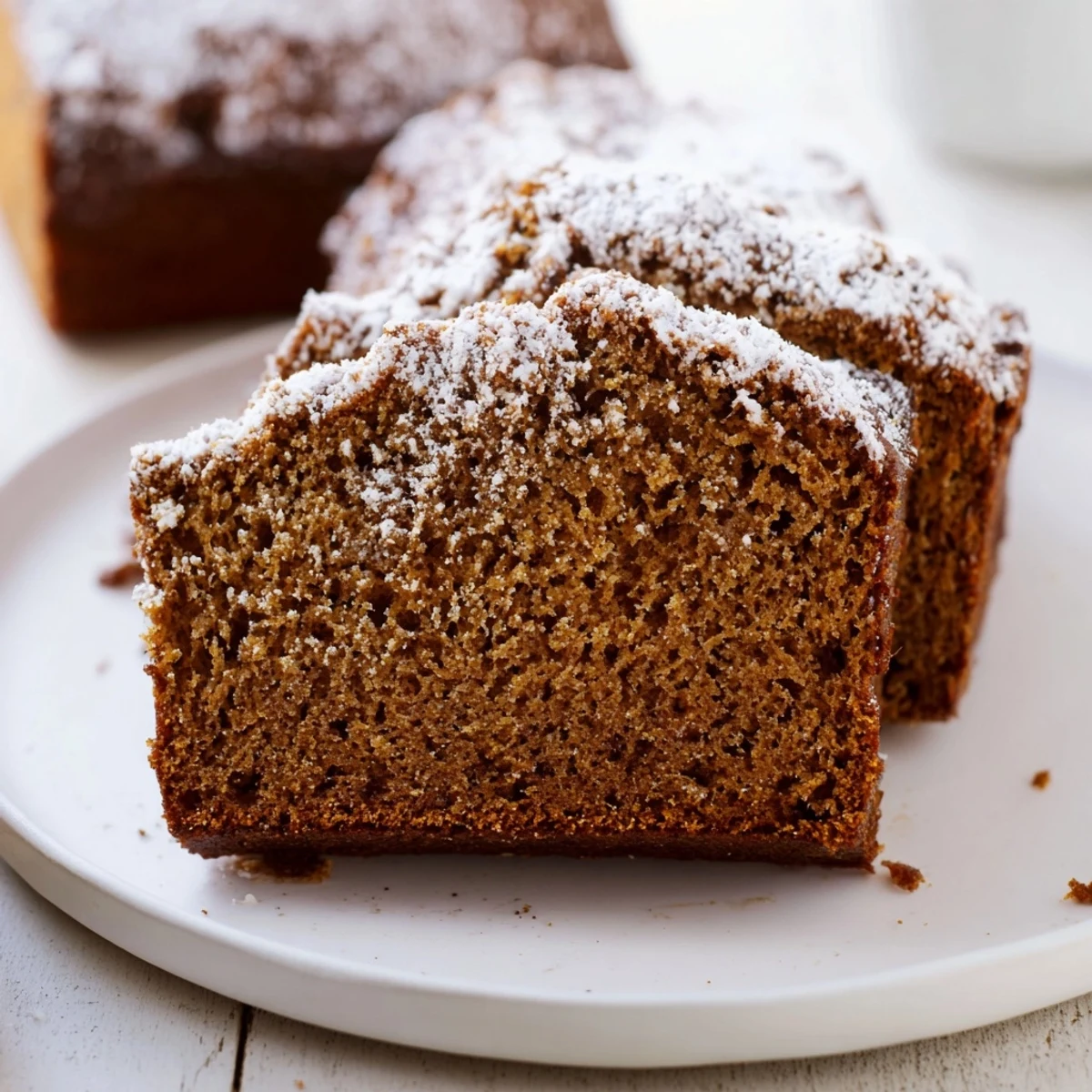
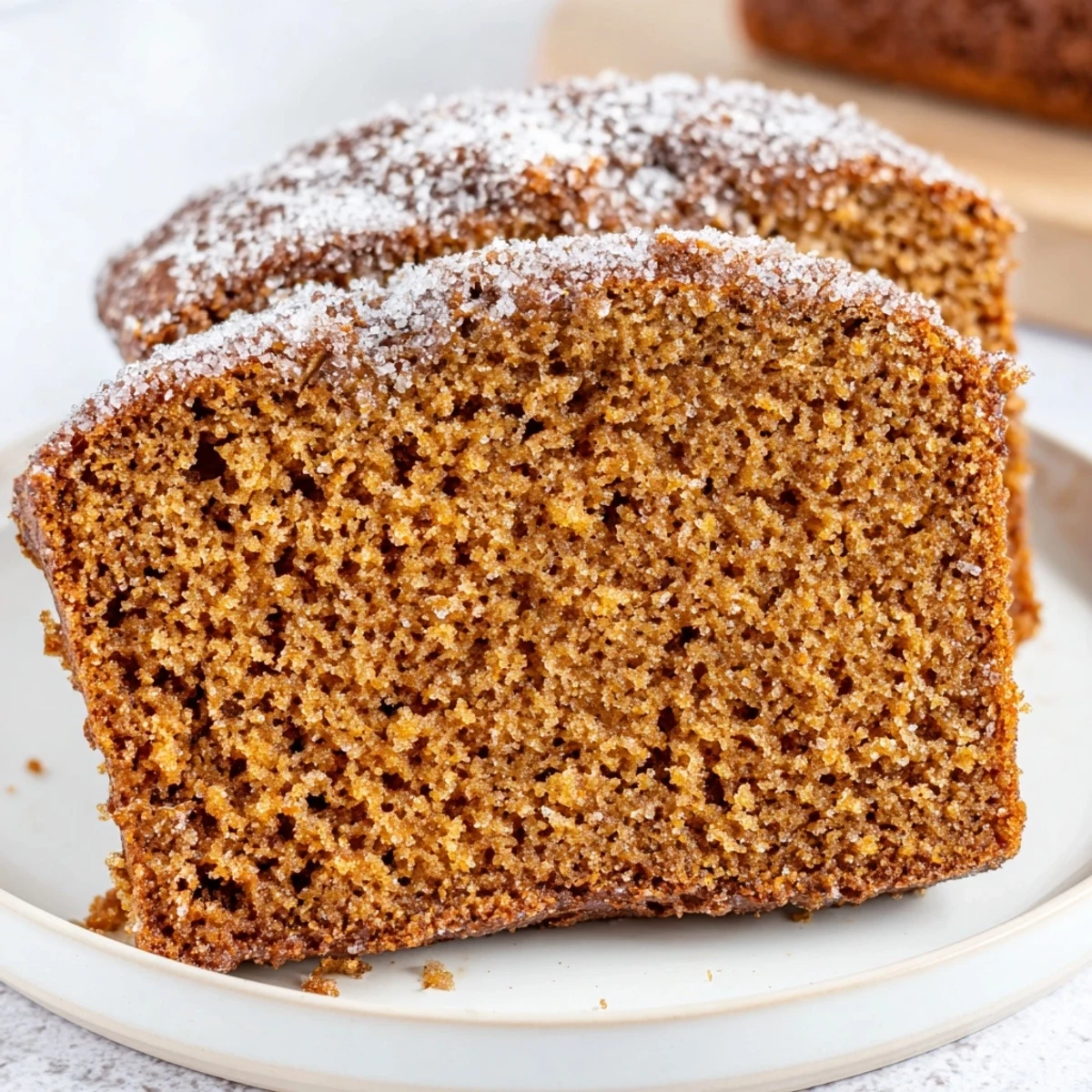
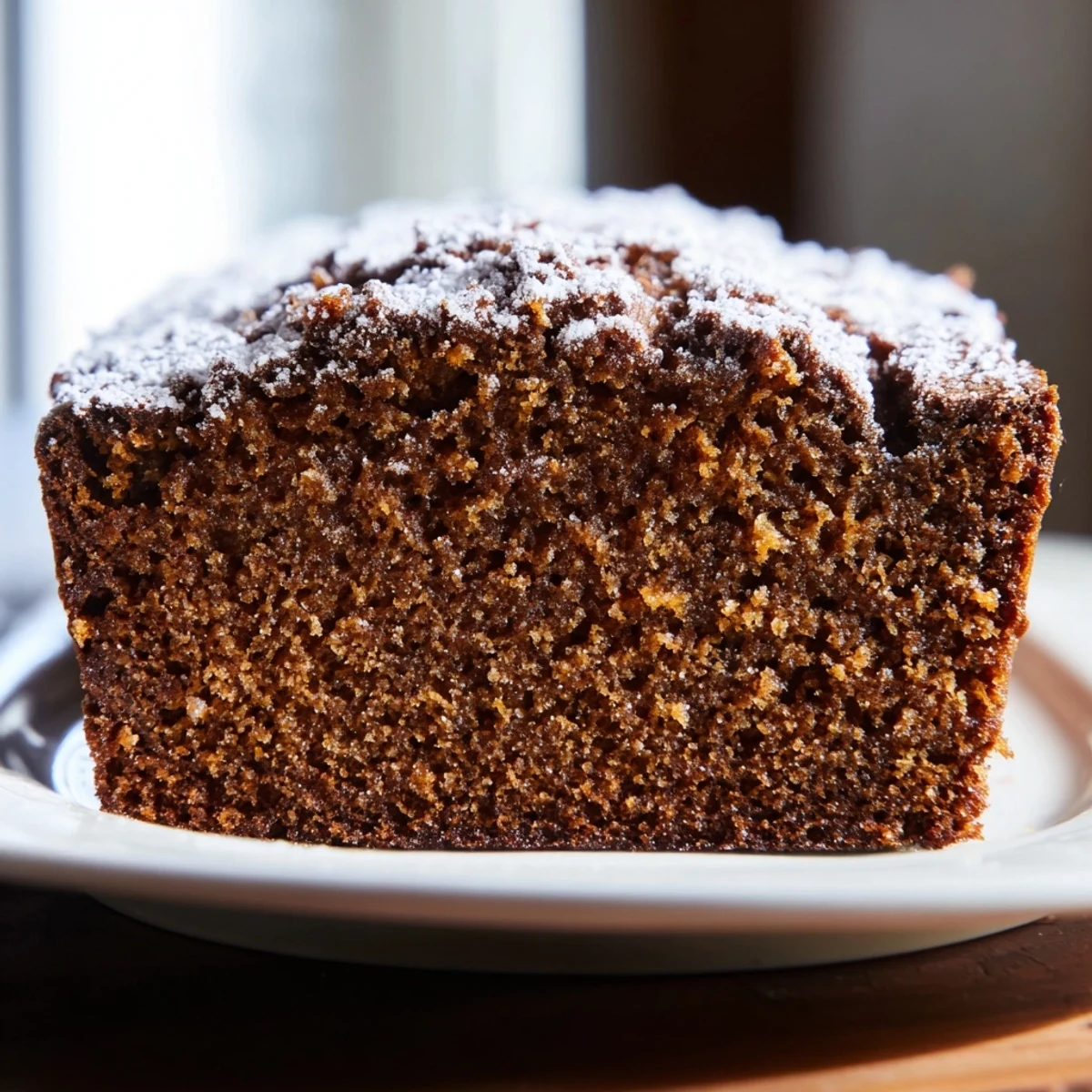
 This moist gingerbread loaf blends warm spices like ginger, cinnamon, cloves, and nutmeg with rich molasses to create a perfectly spiced, tender crumb. Mixed with brown sugar, butter, and eggs, the batter is gently folded with dry ingredients and optional nuts or dried fruits for added texture. Baked until golden, it delivers a cozy, aromatic experience ideal for holiday enjoyment or anytime comfort alongside tea or coffee.
The smell of ginger and molasses baking in the oven has a way of stopping time. I first made this gingerbread loaf on a gray November afternoon when my hands were cold and I needed something warm to do besides scroll through my phone. What started as a simple craving turned into the kind of cake that made my whole apartment smell like a cozy bookshop, and I understood why people actually plan their holidays around recipes like this.
I brought a slice to my neighbor one December morning, still wrapped in foil, and she called me two hours later asking if I could make another one. That's when I knew this recipe wasn't just good, it was the kind of thing that makes people remember you showed up at their door thinking of them.
Ingredients
- All-purpose flour (2 cups): This is your foundation, and it needs to be measured correctly or the crumb gets dense. Spoon and level, don't scoop straight from the bag.
- Ground ginger (1½ teaspoons): Fresh ginger root is lovely, but ground ginger here is what gives you that warm, familiar spice. Don't skimp or use stale spice from the back of your cabinet.
- Ground cinnamon (1 teaspoon): This deepens the warmth without overpowering, so measure it honest.
- Ground cloves (¼ teaspoon): A whisper of cloves is what separates good gingerbread from forgettable cake. Go light with this one.
- Ground nutmeg (¼ teaspoon): Just a hint, like a secret the spice blend is keeping.
- Baking soda (1 teaspoon): This is your lift and your depth, especially paired with the molasses.
- Salt (½ teaspoon): Doesn't make it salty, just makes everything else sing.
- Unsalted butter (½ cup), softened: Room temperature butter creams better and builds the crumb you want. Cold butter will fight you.
- Brown sugar (½ cup): This brings moisture and a subtle caramel note that makes molasses feel less harsh.
- Large eggs (2): Room temperature is best here too. They emulsify smoother with the wet ingredients.
- Unsulphured molasses (¾ cup): The real star. This dark, honest molasses is what makes gingerbread taste like itself.
- Milk (½ cup): Any kind works, but whole milk gives the crumb a tender, almost silky finish.
- Walnuts or pecans (½ cup, optional): Toasted walnuts add a nutty depth that feels intentional, not like an afterthought.
- Raisins or dried cranberries (½ cup, optional): Cranberries keep the sweetness honest. Raisins are classic if you want something softer.
Instructions
- Set the stage:
- Preheat your oven to 350°F and grease a 9x5-inch loaf pan, then line it with parchment paper. This prevents any dark edges and makes the whole thing slide out cleanly.
- Dry mix:
- Whisk together your flour, ginger, cinnamon, cloves, nutmeg, baking soda, and salt in a medium bowl. You're not just combining, you're aerating the flour and making sure the leavening and spices are even throughout.
- Cream the base:
- In a large bowl, beat the softened butter and brown sugar together until it looks pale and fluffy, about 2-3 minutes. This is where the crumb structure begins.
- Bring in the eggs:
- Add the eggs one at a time, beating well after each one. Each egg needs a moment to emulsify with the butter or you'll end up with a broken mixture.
- Add the molasses:
- Pour in the molasses and beat until everything is smooth and dark. This is when your kitchen will smell impossibly good.
- Alternate the mix:
- Add the dry ingredients and milk in three additions, starting and ending with the dry mix. Dry, then milk, then dry, then milk, then dry. This technique keeps the batter smooth and prevents overmixing.
- Fold in the extras:
- If you're using nuts or dried fruit, fold them in gently so they're distributed without crushing them.
- Pour and smooth:
- Transfer the batter to your prepared pan and smooth the top with a spatula or the back of a spoon.
- Bake with patience:
- Bake for 40-50 minutes until a toothpick inserted into the center comes out clean or with just a few moist crumbs. Every oven is different, so start checking at 40 minutes.
- Cool with care:
- Let it rest in the pan for 10 minutes, then turn it out onto a wire rack to cool completely. This prevents the bottom from getting soggy.
 Save to Pinterest
 The best part about this recipe isn't the first slice, it's the third slice the next day, when you're stirring your coffee and the bread is still soft and warm from sitting on the counter. That's when it stops being a recipe you made and becomes something you're grateful for.
Serving Suggestions
This loaf is beautiful on its own, but it transforms depending on what you pair it with. Dust it with powdered sugar for something elegant, or brush it with a thin lemon glaze for brightness. A thick dollop of whipped cream or Greek yogurt beside a warm slice turns breakfast into something you'd order at a café.
Storage and Keeping
Wrap it tightly at room temperature and it keeps for up to three days without getting stale. I wrap mine in parchment first, then foil, so it stays moist and soft. If you're thinking ahead, this freezes beautifully for up to two months, which means you can bake this in September and enjoy it in December without the rush.
Variations and Flexibility
This recipe is forgiving enough to bend a little. Swap the walnuts for hazelnuts if you want something richer, or use dried figs instead of raisins for a softer texture. For a vegan version, use plant-based butter, flax eggs mixed with water, and any milk you prefer, and it works just as well.
- A thin layer of cream cheese frosting on top turns this into a more indulgent dessert if you're feeling it.
- Try adding a tablespoon of fresh ginger juice if you have it, for a sharper, fresher spice note.
- Store it wrapped well or it will dry out, but honestly, it rarely lasts long enough to worry about.
 Save to Pinterest
 This gingerbread loaf is the kind of recipe that teaches you something new every time you make it. It's honest, it's warm, and it fills your kitchen with the kind of smell that makes people ask what you're doing.
Recipe Questions & Answers
- → Can I use alternatives to molasses?
-
Yes, you can substitute molasses with dark corn syrup or honey, but this will alter the flavor and color slightly.
- → How can I make this loaf vegan-friendly?
-
Replace butter with plant-based alternatives, use flax eggs instead of eggs, and swap milk for non-dairy options like almond or oat milk.
- → Is it possible to add nuts or dried fruits?
-
Absolutely, folding in chopped walnuts, pecans, raisins, or dried cranberries adds texture and flavor.
- → How do I know when the loaf is fully baked?
-
Insert a toothpick into the center; if it comes out clean or with a few dry crumbs, the loaf is done.
- → What storage method preserves freshness best?
-
Keep the loaf wrapped tightly at room temperature for up to three days, or refrigerate longer storage.