
 Save to Pinterest
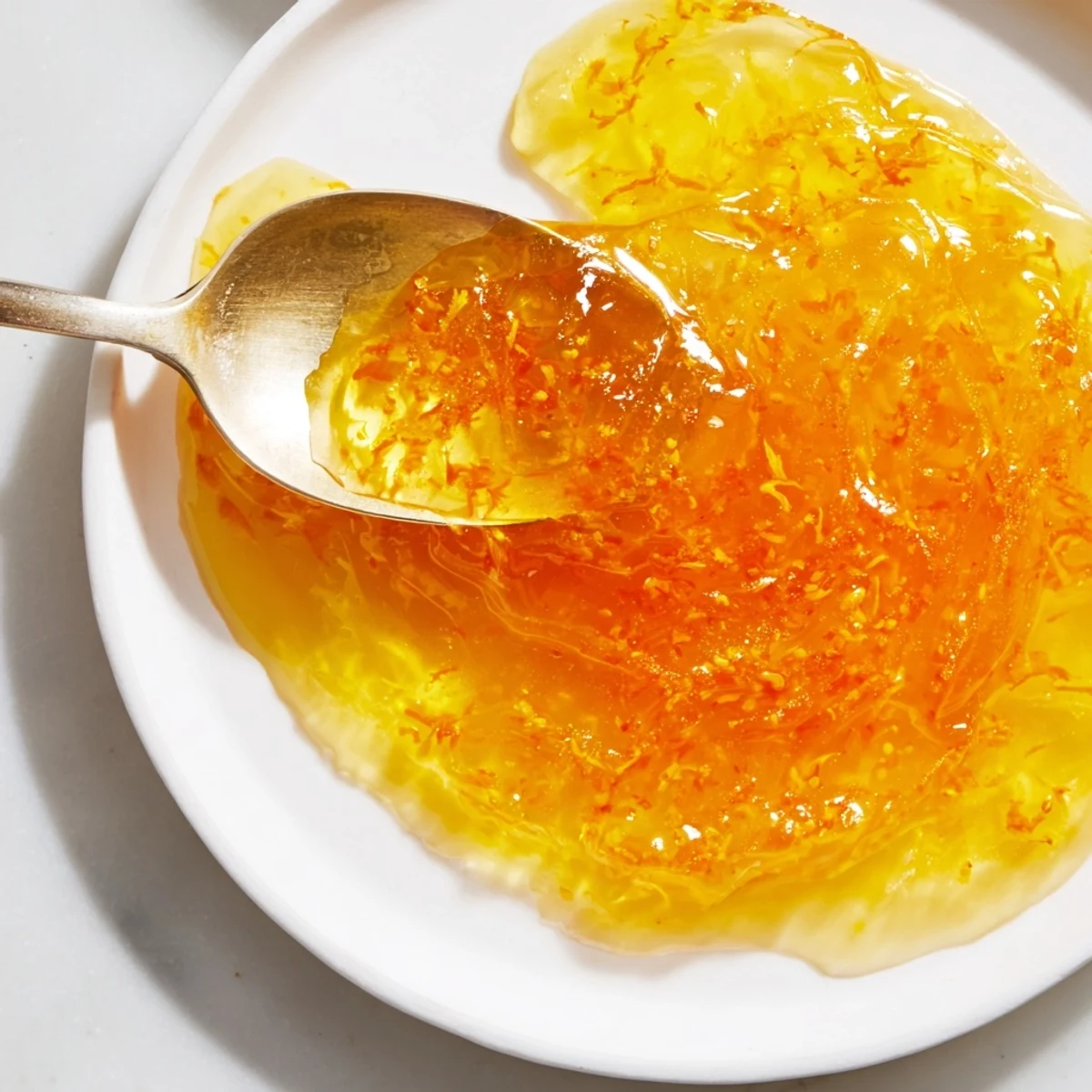
 This zesty orange jelly blends fresh orange and lemon juices with a touch of zest to create a vibrant, citrusy spread. It uses fruit pectin to achieve a perfect gel texture while capturing bright, natural flavors. Ideal for glazing cakes, enhancing toast, or complementing desserts, it’s simple to prepare with minimal ingredients and a quick cooking process. Vegan and gluten-free, this jelly stores well when properly sealed and processed, ensuring you enjoy that fresh citrus zing all year round.
I never thought I'd become the kind of person who makes jelly on a Sunday morning, but the smell of fresh orange zest changed that. One winter I had a bag of oranges going soft on the counter and no plans, so I boiled them down with sugar and pectin just to see what would happen. The kitchen filled with this bright, almost electric citrus scent, and when I tasted the first spoonful on toast the next day, I understood why people used to put up preserves every season.
I made my first batch for a friend who was recovering from surgery and needed easy, cheerful foods. She called me two days later asking for the recipe because she'd been eating it straight from the jar with a spoon. That's when I realized this jelly had a way of making people happy without trying too hard.
Ingredients
- Oranges: Use organic if you can since you're eating the zest, and make sure they're heavy for their size, which means they're juicy.
- Lemon: This adds just enough tartness to balance the sweetness and helps the pectin set properly, so don't skip it.
- Granulated sugar: It's not just for sweetness, it's what makes the jelly gel and preserves it, so measure it accurately.
- Fruit pectin: I like Sure-Jell because it's reliable, but any brand works as long as it's meant for jams and jellies.
- Water: This dilutes the juice just enough so the jelly isn't too thick or syrupy when it cools.
Instructions
- Zest and juice the citrus:
- Wash your oranges and lemon under warm water, then zest two of the oranges with light strokes to avoid the bitter white pith. Juice everything and strain out the seeds, you should end up with around two cups of bright, pulpy liquid.
- Combine juice, zest, and water:
- Pour the juice, zest, and water into a large saucepan and give it a stir so everything mingles together.
- Add the pectin:
- Sprinkle the pectin evenly over the surface and whisk it in so there are no clumps floating around. Let it sit for a minute to hydrate.
- Bring to a gentle boil:
- Turn the heat to medium and stir constantly until you see small bubbles breaking the surface, this takes about five minutes and smells incredible.
- Stir in the sugar:
- Add all three cups at once and keep stirring until every crystal dissolves and the mixture turns glossy.
- Boil hard:
- Crank the heat up high and let it reach a full rolling boil, the kind that doesn't stop bubbling even when you stir. Boil for one to two minutes, watching closely so it doesn't foam over.
- Skim and pour:
- Pull the pan off the heat and skim off any white foam with a spoon, then ladle the hot jelly into your sterilized jars, leaving a quarter inch of space at the top. Seal the lids while everything's still hot.
- Process for storage:
- If you want shelf stable jars, lower them into a boiling water bath for ten minutes, then let them cool on the counter overnight without touching them.
 Save to Pinterest
 The first time I served this at breakfast with buttered toast and strong coffee, my neighbor asked if I'd opened a café in my kitchen. It's funny how something so simple can make a regular morning feel a little more intentional, like you planned something good even if you didn't.
How to Know When It's Ready
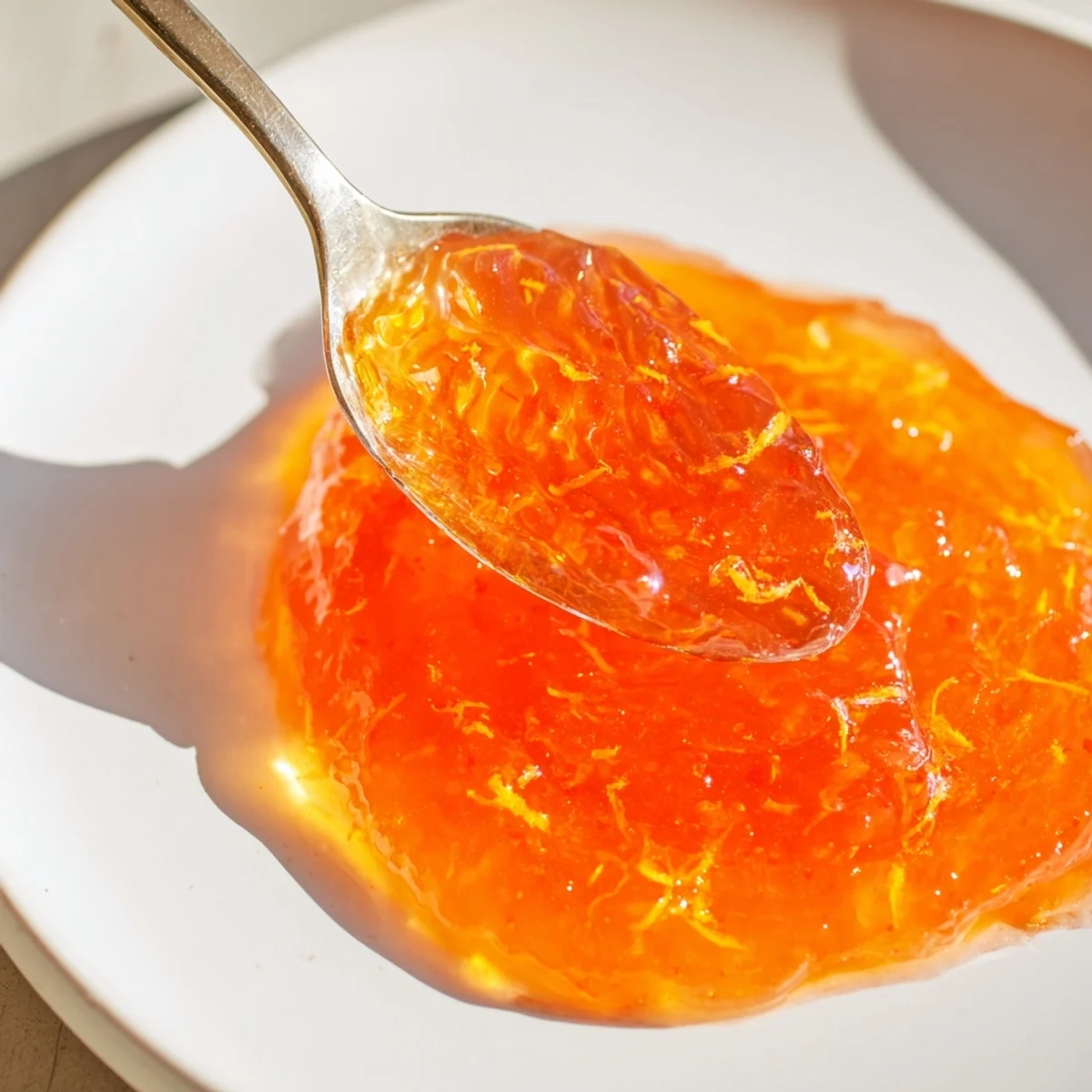
I used to guess and end up with jelly that was either too runny or too stiff, but now I keep a metal spoon in the freezer. When I think the jelly's done, I dip the cold spoon in and let it cool for a few seconds, if it wrinkles when I push it with my finger, it's ready to jar.
What to Do With Extra Jelly
I've whisked a spoonful into vinaigrettes for winter salads, brushed it over roasted carrots in the last five minutes of cooking, and once used it as a glaze on a pork tenderloin that everyone thought I'd worked way harder on than I did. It also makes a thoughtful gift when you're invited somewhere and don't want to show up empty handed.
Storing and Keeping It Fresh
Sealed jars can sit in your pantry for up to a year as long as they're in a cool, dark spot away from the stove or windows. Once you crack one open, keep it in the fridge and use it within three weeks, though in my house it's usually gone in ten days.
- If a jar doesn't seal properly after cooling, just refrigerate it and eat it first.
- Label your jars with the date so you're not guessing six months from now which batch is which.
- Don't stack hot jars on top of each other or they might crack from uneven cooling.
 Save to Pinterest
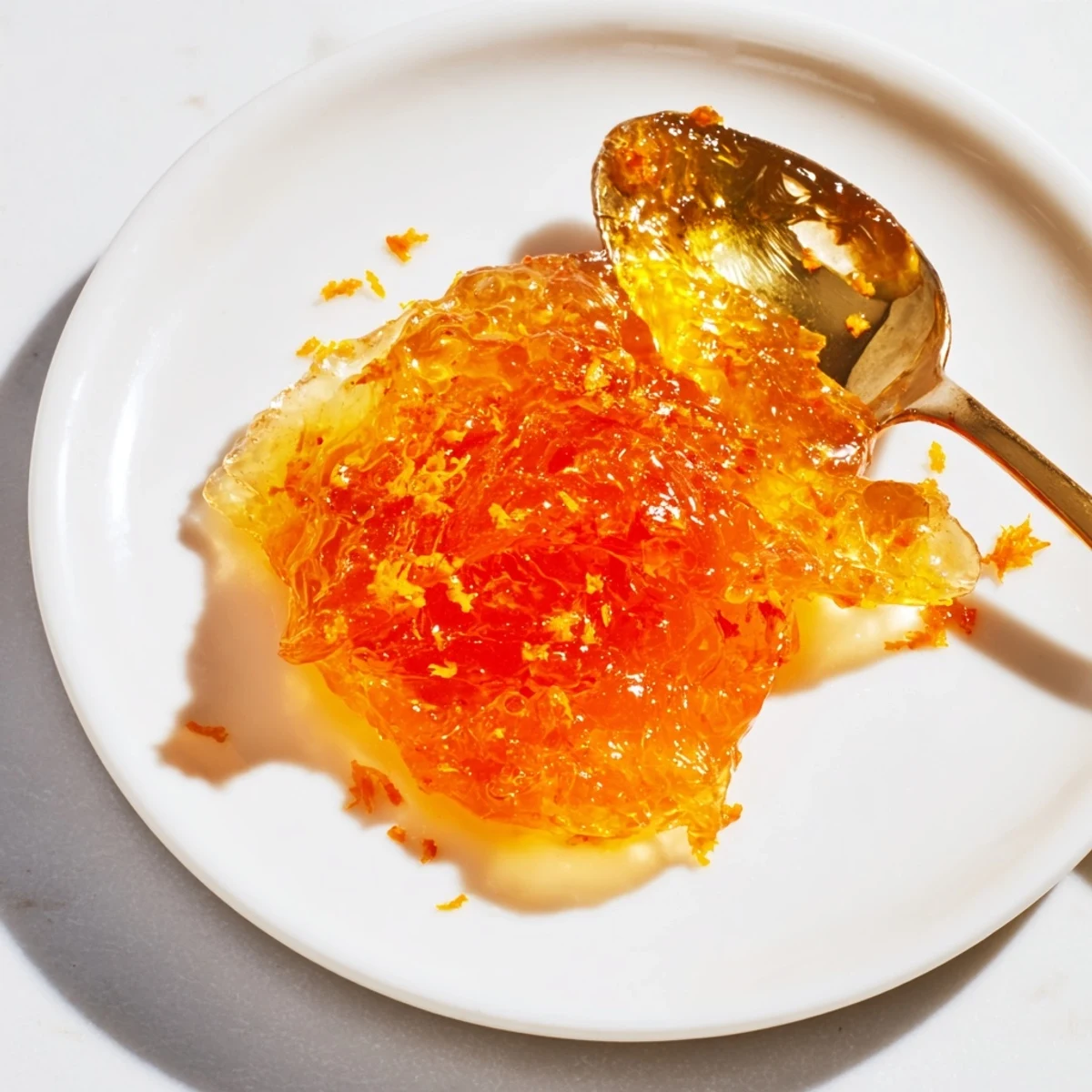
 There's something satisfying about opening a jar of jelly you made yourself, especially in the middle of February when fresh fruit feels far away. It's bright, it's easy, and it tastes like you remembered summer in a spoon.
Recipe Questions & Answers
- → How is the jelly thickened?
-
Fruit pectin is used as the gelling agent, combined with sugar and citrus juice, to achieve the proper consistency.
- → Can I add spices for extra flavor?
-
Yes, adding fresh ginger or a pinch of ground cinnamon enhances the jelly’s zest and warmth.
- → What citrus fruits are included?
-
The jelly includes fresh orange juice, orange zest, and lemon juice for a balanced citrus flavor.
- → How should jars be stored after preparation?
-
Seal jars tightly and process them in a boiling water bath for long-term storage. Keep in a cool, dark place and refrigerate after opening.
- → Is this suitable for special diets?
-
Yes, the jelly is vegan and gluten-free, made from natural citrus and common gelling agents without allergens.