
 Save to Pinterest
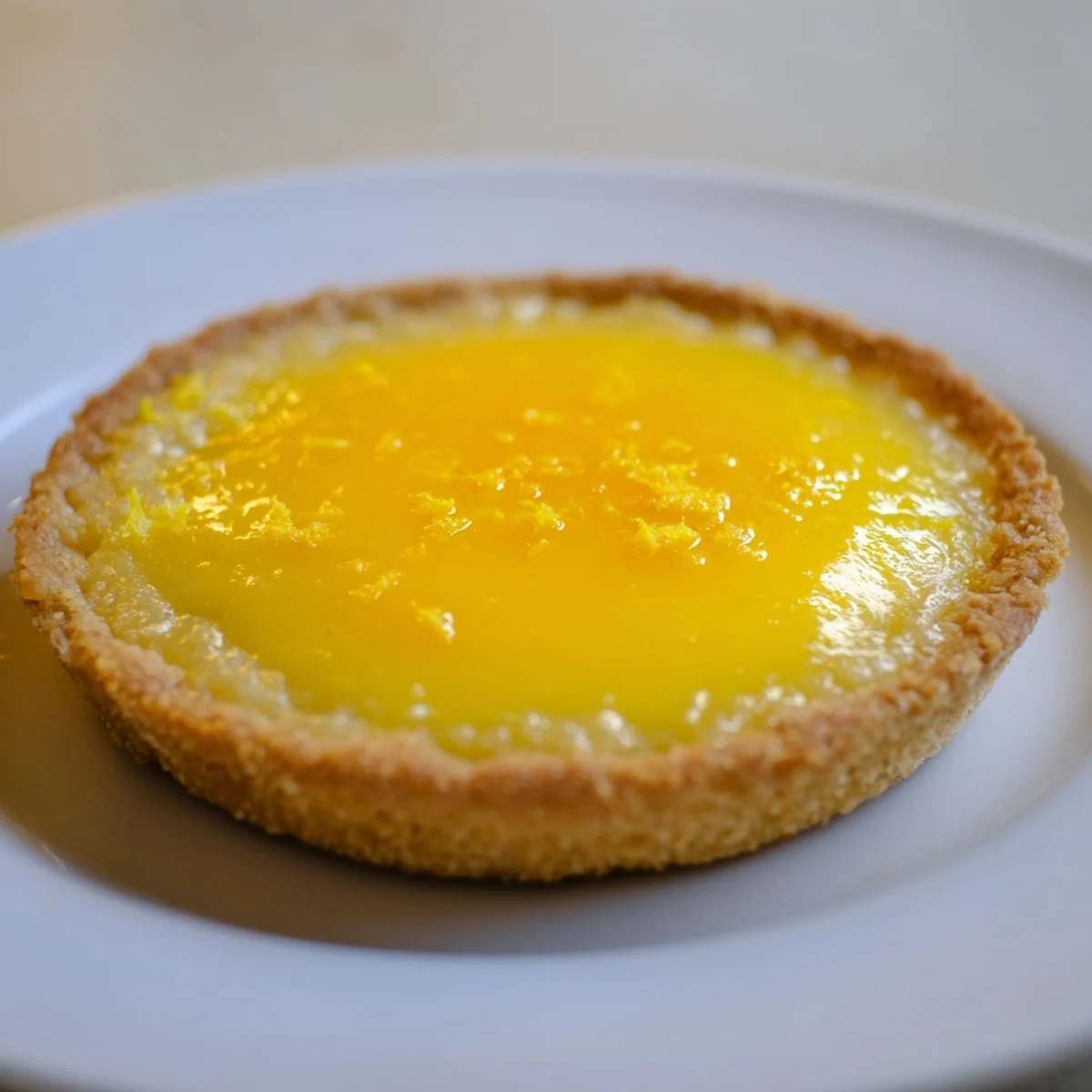
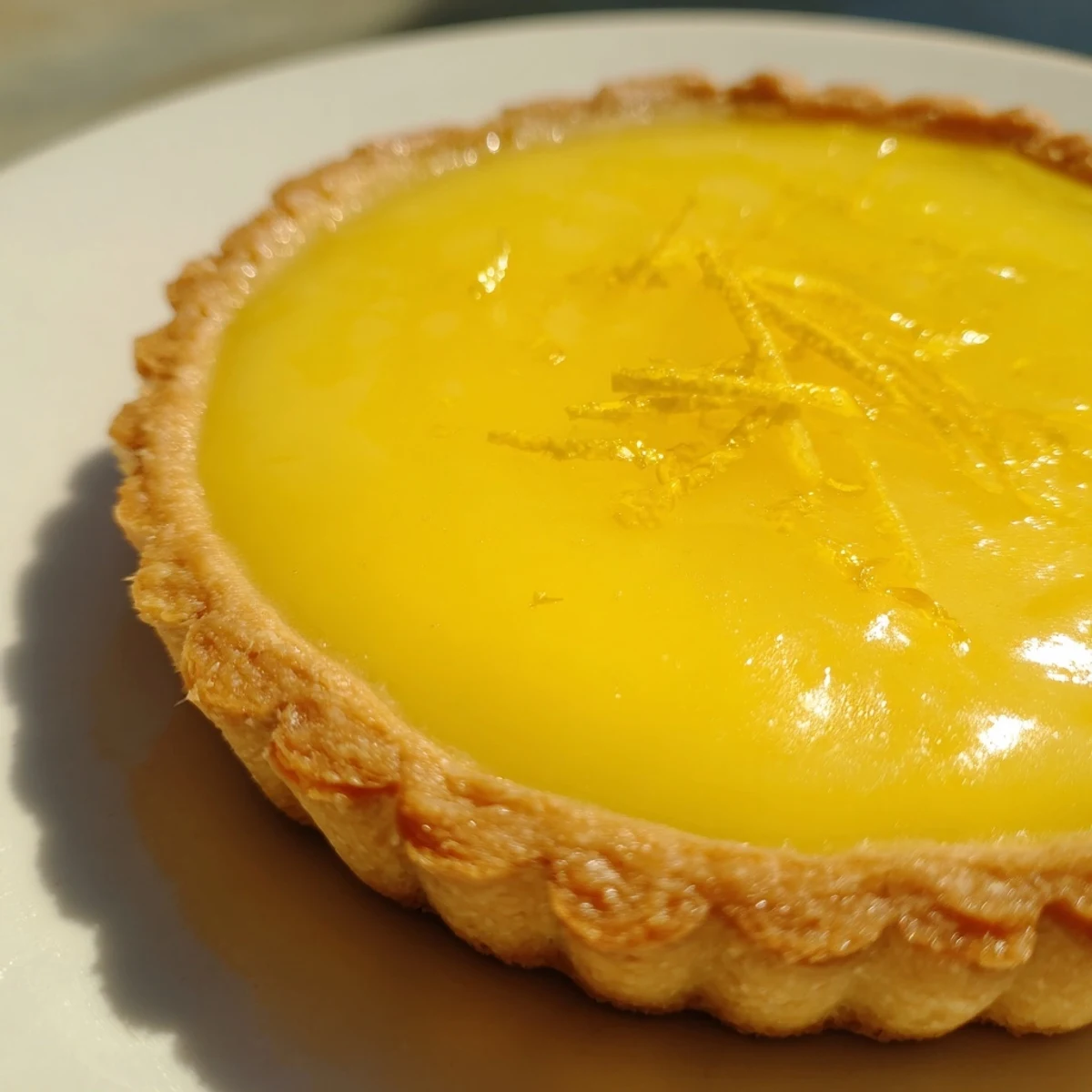
 This bright lemon tart combines a crisp, buttery crust with a smooth, tangy lemon filling for a delightful dessert experience. The crust is made by blending cold butter into flour and powdered sugar, forming a flaky base that's baked to a golden finish. The lemon filling is smoothly cooked over a double boiler until thickened, then poured into the cooled shell and chilled to set. Subtle touches like fresh lemon zest and a pinch of salt balance the sweet-tart flavors.
Serving chilled highlights the tart’s refreshing qualities, and optional garnishes such as whipped cream or fresh berries add an elegant touch. This French-inspired treat balances sweetness with citrus brightness and a satisfying buttery crunch, making it an ideal choice for warm weather or special occasions.
There's something about the first time you bite into a homemade lemon tart that makes you understand why the French take their desserts so seriously. I was visiting a cousin's kitchen in Lyon when she pulled one from her fridge, the filling catching the afternoon light like liquid gold. The contrast between that crisp, buttery crust and the silky-smooth, impossibly tangy filling was a revelation—suddenly all those carefully measured steps made perfect sense.
I made this tart for a summer dinner party once, and I'll never forget my friend Sarah's face when she took that first bite—her eyes went wide, and she literally said nothing for a full ten seconds. It became the tart that got requested at every gathering after that, the one people would ask about before they even sat down at the table.
Ingredients
- All-purpose flour (1 1/4 cups): Use a light hand when measuring or weigh it for consistency; too much flour makes the crust tough instead of tender.
- Unsalted butter, cold and cubed (1/2 cup for crust): Cold butter is non-negotiable—it creates those tiny air pockets that make the crust shatter beautifully.
- Powdered sugar (1/4 cup): This dissolves completely into the dough and keeps the crust delicate without adding grittiness.
- Salt (1/4 tsp for crust, pinch for filling): It enhances the brightness of the lemon and balances the sweetness in ways you won't notice until it's missing.
- Egg yolk (1 large): This acts like edible glue, binding the dough just enough without making it tough.
- Cold water (2 tbsp): Add it gradually; you might not need all of it, and too much water is the quickest way to a dense, shrinking crust.
- Granulated sugar (3/4 cup): This sweetens the filling without any graininess if you temper it properly over the double boiler.
- Eggs and egg yolks (3 large eggs plus 2 large yolks): The yolks give the filling its luxurious color and richness, while the whole eggs provide structure.
- Fresh lemon juice (2/3 cup): Bottled won't give you the same brightness; squeeze it fresh and taste as you go—some lemons are more tart than others.
- Lemon zest (2 lemons): The oils in the zest are where the real lemon intensity lives, so don't skip this or use pre-zested versions.
- Unsalted butter for filling (1/2 cup, cubed): Room temperature cubes whisk in smoothly and create that glossy, luxurious finish the filling is famous for.
Instructions
- Mix the dry ingredients for the crust:
- Combine your flour, powdered sugar, and salt in a bowl, whisking them together so the powdered sugar breaks up and distributes evenly. This prevents sweet spots in the crust.
- Cut in the cold butter:
- Add your cold butter cubes and rub them in with your fingertips or use a pastry cutter until the mixture looks like coarse breadcrumbs. You want visible tiny pieces of butter scattered throughout—these create steam pockets that make the crust flaky.
- Bring the dough together:
- Add the egg yolk and cold water, mixing gently with a fork just until the dough barely comes together. It should look slightly shaggy, not smooth; overworking it is the enemy here.
- Rest the dough:
- Shape it into a disk, wrap it in plastic, and refrigerate for at least 30 minutes. This resting period lets the gluten relax and helps the butter stay cold, which means a crispier crust.
- Prepare and blind bake the crust:
- Preheat your oven to 375°F, then roll the dough out on a lightly floured surface to fit your 9-inch tart pan. Press it in gently, trim the excess, and prick the base all over with a fork to prevent it from puffing up unevenly.
- Blind bake with weights:
- Line the crust with parchment paper and fill it with pie weights or dried beans, then bake for 15 minutes. Remove the weights and parchment, then bake for another 8–10 minutes until the bottom is golden and set. This ensures a crisp crust that won't absorb moisture from the filling.
- Cool the crust completely:
- Let it cool to room temperature on the counter; this step matters because a warm crust can cause your filling to separate or become grainy.
- Whisk the filling ingredients together:
- In a heatproof bowl, combine sugar, eggs, egg yolks, lemon juice, lemon zest, and salt. Whisk until everything is well combined and the mixture is pale yellow.
- Set up the double boiler:
- Fill a saucepan with about 2 inches of water and bring it to a gentle simmer. Place your bowl with the filling mixture on top, making sure the bottom doesn't touch the water. The gentle, indirect heat is what transforms this mixture into silk.
- Cook the filling to thickness:
- Whisk constantly for 8–10 minutes, scraping the sides and bottom frequently so nothing cooks too fast or unevenly. You're looking for the mixture to thicken and reach 170°F on an instant-read thermometer. Trust the temperature over sight; that's what keeps the eggs safe and the texture perfect.
- Finish with butter:
- Remove the bowl from heat and whisk in the cold butter cubes a few at a time. Each cube will melt into the warm filling, creating a glossy, luxurious texture that feels almost velvety on your tongue.
- Fill the tart shell:
- Pour the smooth lemon filling into your cooled crust and smooth the top gently with a spatula. If you see little air bubbles, tap the pan gently on the counter to release them.
- Chill until set:
- Refrigerate the tart for at least 2 hours, though overnight is even better. The filling will firm up and the flavors will develop further as it sits in the cold.
- Serve chilled:
- Slice with a sharp knife dipped in hot water and wiped clean between cuts for clean edges. Fresh whipped cream or a few berries on the side will make it even more special.
 Save to Pinterest
 There's a quiet confidence that comes with pulling a perfect lemon tart from the fridge, the filling set just right, the crust still crisp after hours of chilling. It's the kind of dessert that makes people slow down and actually taste what they're eating, and that feels like a small victory every single time.
The Secret to a Shatteringly Good Crust
The difference between a mediocre tart crust and one that makes people close their eyes is usually the temperature of the butter and the patience you have during blind baking. I learned this the hard way when I rushed straight from mixing to rolling and ended up with a crust that barely held together. Now I keep everything cold, blind bake longer than I think I need to, and the results are incomparable.
Why Fresh Lemon Juice Changes Everything
Bottled lemon juice will technically work, but it's missing those bright, volatile oils that make your filling sing. The flavor difference is subtle enough that you might not notice it consciously, but your guests will feel it—the tart will taste like it's missing something, like it's wearing a good outfit but no jewelry. I've tasted both versions side by side, and the fresh-squeezed version always wins.
Making It Yours
This tart is a foundation, not a final answer, and it deserves your own adjustments. Some people add a whisper of vanilla or ground ginger to the filling; others brush an egg white wash on the crust before the second bake for extra crispiness. A chilled glass of Sauternes or Moscato d'Asti alongside a slice turns it into something genuinely memorable.
- If you love lavender, try steeping a teaspoon of dried lavender in your lemon juice for 15 minutes before straining and using it in the filling.
- Make the crust the day before and assemble everything the morning of serving for less stress and better flavors.
- A thin layer of lemon curd under the filling adds another dimension of intensity if you want to push the lemon flavor even further.
 Save to Pinterest
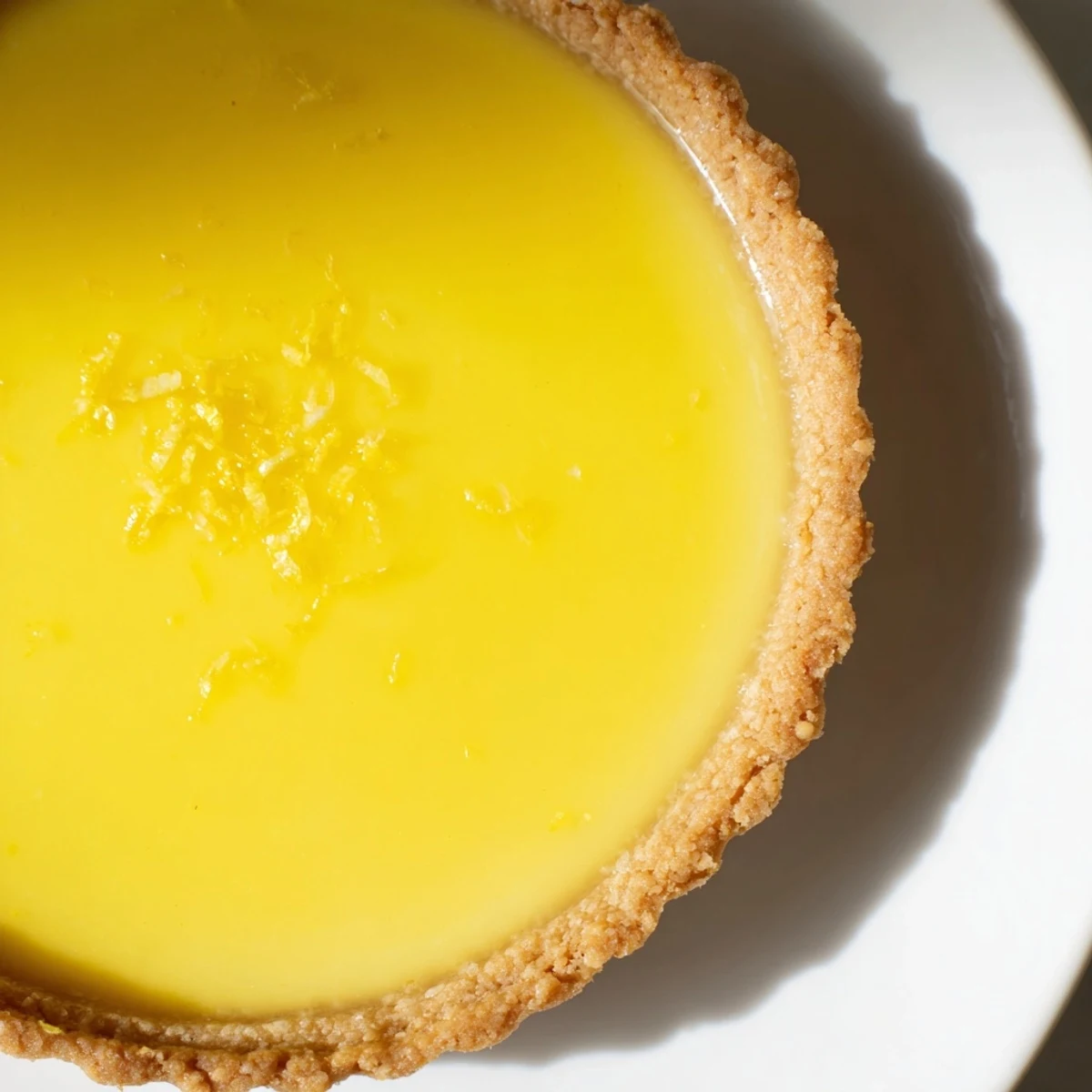
 A lemon tart in your kitchen is a small declaration that you care about good food and the people you serve it to. Make it once, and you'll understand why it's been a French dessert staple for so long.
Recipe Questions & Answers
- → How do I achieve a perfectly crisp tart crust?
-
Use cold, cubed butter and handle the dough minimally to keep it flaky. Baking the crust with pie weights prevents shrinking and ensures even cooking.
- → What is the best way to thicken the lemon filling?
-
Cook the lemon mixture gently over a double boiler, whisking constantly until it reaches about 170°F (77°C) to achieve smooth thickness without curdling.
- → Can I add flavor variations to the lemon filling?
-
Yes, a pinch of ground ginger or a splash of vanilla extract can add warmth and depth to the citrus flavors.
- → How long should the tart be chilled to set properly?
-
Chill the tart for at least 2 hours to allow the filling to firm up and develop its refreshing texture.
- → What are ideal accompaniments for this tart?
-
Serve with whipped cream, fresh berries, or pair with a chilled glass of sweet white wine like Sauternes or Moscato d’Asti.